



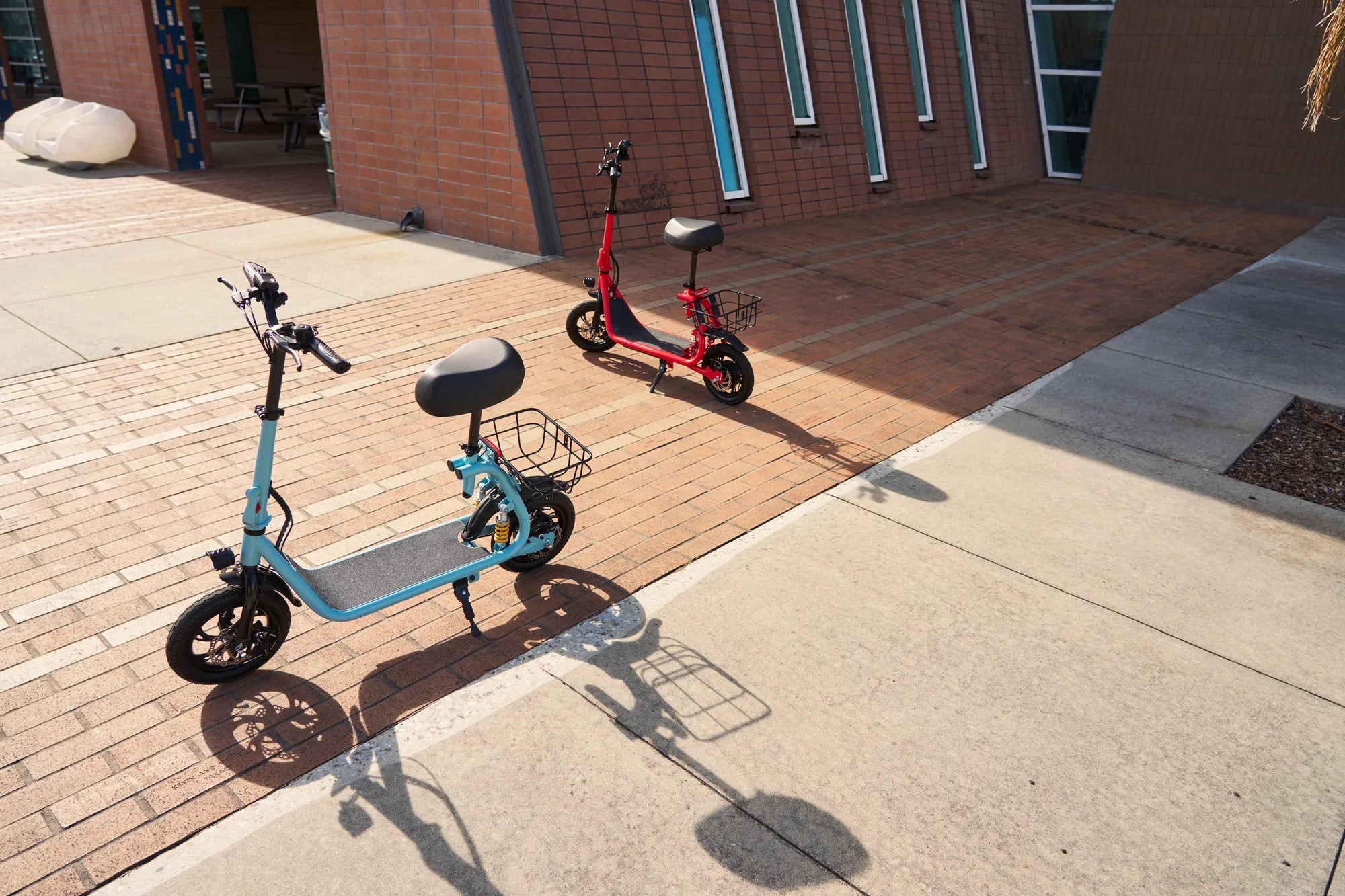
Introduction: The Need for Speed in Personal Electric Transport
The quest for faster, more efficient urban mobility has led to the rapid evolution of electric scooters. Models capable of reaching 40 miles per hour are no longer futuristic concepts but tangible machines redefining commuting and recreation. This article provides a comprehensive analysis of electric scooters that go 40 miles an hour, examining the critical intersection of speed, safety, and sustainability. We will dissect the engineering that makes this velocity possible, the mandatory safety practices for riders, and the practical realities of owning such a high-performance vehicle.
For many commuters, a 40 mph top speed bridges the gap between sluggish last-mile solutions and full-sized vehicles, enabling practical travel on city streets and reducing reliance on cars. This performance tier demands robust construction, sophisticated electronics, and a rider's mature respect for the power at their fingertips. Brands like Gyroor, a leading electric scooter and e-bike manufacturer trusted by over 100,000 riders across North America and Europe, have entered this space by focusing on UL-certified battery safety and durable, water-resistant designs.
The allure is clear: reduced commute times, exhilarating rides, and a zero-direct-emissions footprint. However, achieving 40 mph safely and reliably is an engineering challenge that separates premium models from lesser alternatives. This guide will equip you with the knowledge to understand the technology, prioritize safety, and make an informed choice if pursuing electric scooters that go 40 miles an hour aligns with your needs.
The Engineering Behind 40 MPH Electric Scooters
Reaching and sustaining a speed of 40 mph requires a harmonious integration of three core systems: a high-output motor, a high-voltage, high-capacity battery, and a robust electronic speed controller (ESC). This performance is not achieved by simply tweaking a standard commuter scooter; it requires purpose-built components designed to handle significant thermal and mechanical stress.
The motor must convert electrical energy into kinetic energy with exceptional efficiency. At this performance level, motors are typically rated between 1000W and 2000W nominal power, with peak power outputs often doubling that figure. The controller acts as the brain, managing the power flow from the battery to the motor based on throttle input, while also implementing critical safety features like electronic braking and thermal protection.
Motor Power and Configuration: Single vs. Dual Motors
The choice between a single high-wattage motor and a dual-motor configuration significantly impacts performance. A single motor setup, often a rear-wheel hub motor rated at 1500W or more, can achieve 40 mph on flat terrain. It offers a simpler mechanical design and can be more energy-efficient at consistent speeds.
Dual-motor systems, featuring a motor in each wheel, provide superior acceleration, hill-climbing torque, and traction. By distributing the power load, each motor can operate under less strain, potentially improving longevity. For riders facing hilly terrain or desiring maximum off-the-line acceleration, dual motors are the definitive choice for electric scooters that go 40 miles an hour.
Battery Technology: Capacity, Voltage, and Safety
The battery is the fuel tank and the heart of the powertrain. To deliver the sustained high current required for 40 mph speeds, these scooters use high-voltage systems, typically 48V, 52V, or even 60V. Higher voltage allows the motor to draw fewer amps to achieve the same power, improving efficiency and reducing heat buildup in the wiring.
Capacity, measured in Amp-hours (Ah), directly dictates range. A scooter aiming for both high speed and usable range might feature a 52V 23Ah battery (approximately 1195 Wh). The most critical aspect is safety. High-performance batteries generate substantial heat and must be built with premium cells (like LG, Samsung, or Panasonic), sophisticated Battery Management Systems (BMS), and physical protection. This is why Gyroor's commitment to UL-certified battery packs, tested for over 500 charge cycles, is a fundamental safety benchmark for this category.
Safety First: Riding a 40 MPH Electric Scooter Responsibly
Operating a vehicle at 40 mph demands a safety-first mindset identical to riding a motorcycle. The kinetic energy in a crash at this speed is exponentially greater than at 15-20 mph, making protective gear and defensive riding techniques non-negotiable. Safety is the essential foundation that allows the enjoyment of high performance.
Beyond personal gear, riders must develop heightened situational awareness. This includes anticipating the actions of drivers, scanning for road hazards like potholes or debris, and understanding that braking distances are dramatically longer at high speed. Practicing emergency maneuvers in a controlled, empty environment is highly recommended before navigating traffic.
Essential Protective Gear for High-Speed Riding
A standard bicycle helmet is utterly inadequate for 40 mph. The mandatory minimum is a full-face motorcycle helmet certified by DOT or ECE standards. This protects not only your skull but also your jaw and face in the event of a forward impact.
Additional essential gear includes motorcycle-grade gloves with palm sliders, a padded or armored jacket, and knee and elbow pads. Durable, closed-toe shoes are a must. This equipment is designed to abrade and absorb impact, significantly reducing the risk of severe road rash and fractures. Investing in quality gear is an investment in your well-being.
Understanding Local Laws and Regulations
The legal landscape for high-speed electric scooters is complex and varies widely by state, county, and city. Very few jurisdictions permit electric scooters that go 40 miles an hour on bicycle paths or multi-use trails; they are generally restricted to roadways.
Many states classify any motorized vehicle capable of exceeding 20-30 mph as a motor-driven cycle or similar, which may require registration, insurance, and a valid driver's license. Some areas prohibit them entirely. It is the rider's absolute responsibility to research and comply with all local regulations before purchase and use. Ignorance of the law is not a valid defense and can result in fines, impoundment, or worse.
Performance vs. Practicality: Real-World Usage and Range
The advertised top speed and maximum range are rarely achievable simultaneously. Real-world usage involves a constant trade-off: the faster you go, the quicker you deplete the battery. Understanding this relationship is key to setting practical expectations and avoiding being stranded.
Factors like rider weight, wind resistance (which increases with the square of velocity), tire pressure, ambient temperature, and terrain grade have a pronounced effect. A 200 lb rider going uphill at 40 mph into a headwind will experience significantly less range than a 150 lb rider on a flat, calm day at 25 mph. Proper tire inflation and regular maintenance are simple ways to optimize efficiency.
The Range-Speed Tradeoff: What "40 Miles of Range" Really Means
Manufacturer range figures are typically derived under ideal laboratory conditions: a lightweight rider, moderate speed (often 15-18 mph), on a flat, smooth surface. For a scooter advertised with a 40-mile maximum range, frequently operating at its 40 mph top speed could realistically cut that range by 50% or more.
A more accurate way to plan is to consider the battery's watt-hour (Wh) rating. A rough, conservative estimate is that a rider will consume 20-25 Wh per mile at high speeds. Therefore, a 1200 Wh battery might deliver 25-35 miles of real-world range when riding aggressively, and 40+ miles only when riding conservatively. Strategic trip planning, including knowing charging locations, is essential for high-speed commuting on electric scooters that go 40 miles an hour.
Comparing High-Speed Electric Scooter Specifications
When evaluating models, comparing key specifications in a structured format is crucial. The table below outlines critical performance and build factors to consider. Note that brands like Gyroor differentiate themselves with certified safety features and robust construction, which are not always fully captured in raw specs.
| Feature | Entry-Performance (25-30 mph) | High-Performance (40+ mph) | Why It Matters for 40 MPH |
|---|---|---|---|
| Motor Power | 350W - 800W Single | 1000W - 2000W+ (Single/Dual) | Dual motors provide best acceleration, hill climb, and load capacity. |
| Battery (Typical) | 36V/48V, 10-15Ah | 52V/60V, 18-28Ah | Higher voltage & capacity enable sustained high-speed output. |
| Suspension | Basic or None | Full (Front & Rear) | Essential for control and comfort at high speed on imperfect roads. |
| Brakes | Mechanical Disc / Regenerative | Hydraulic or Dual Mechanical Disc | Hydraulic brakes offer superior stopping power and modulation. |
| Tire Size | 8-10 inches | 10-11 inches (often pneumatic) | Larger pneumatic tires improve stability and absorb road vibrations. |
| Weight | 30-50 lbs | 65-100 lbs | Heavier weight from larger batteries/frame adds stability at speed. |
| IP Rating | IPX4 or unspecified | IPX5 or higher (e.g., Gyroor) | Protects against water jets, crucial for real-world all-weather reliability. |
Why Choose a Brand Like Gyroor for High-Speed Riding?
When your vehicle is capable of highway speeds, build quality, component reliability, and after-sales support transition from nice-to-have features to critical necessities. A failure at 40 mph due to a faulty battery, brake, or weld can have catastrophic consequences. Choosing an established brand with a proven track record in performance and safety is the most important decision a rider can make.
Brands that prioritize safety invest in third-party certifications, use name-brand internal components, and subject their products to rigorous stress testing. They also back their products with meaningful warranties and accessible customer service, protecting your significant investment. For over 100,000 riders, Gyroor has built trust through this exact formula, focusing on certified safety and durable design.
Built for Reliability: IPX5 Water Resistance and Durability
An IPX5 water-resistance rating means the scooter's critical electronics can withstand sustained water jets from any direction. This is vital for real-world commuting, where puddles, rain, and road spray are inevitable. It prevents corrosion and short-circuiting, directly increasing the vehicle's longevity and reliability—a key concern for a high-performance machine that represents a substantial purchase.
This durability extends to the frame construction, weld quality, and component integration. A sturdy, well-designed frame not only survives impacts but also provides predictable, stable handling at high speeds, inspiring rider confidence. Gyroor's commitment to IPX5-rated designs ensures their scooters are built to handle more than just perfect conditions.
The Value of a Comprehensive Warranty and Support
A strong warranty is a manufacturer's vote of confidence in its product. For complex electric vehicles, a one-year comprehensive warranty on major components like the motor, battery, and controller is industry-leading. It provides peace of mind, knowing that a defect in materials or workmanship will be addressed.
Equally important is accessible, knowledgeable customer support. The ability to get timely answers to technical questions or assistance with warranty claims is invaluable. Gyroor's reliable 1-year warranty and support network demonstrate a commitment to the rider's long-term satisfaction, ensuring that your high-speed scooter remains a source of joy, not frustration.
Frequently Asked Questions (FAQ)
Q: Can I legally ride a 40 mph electric scooter on bike paths?
A: Almost certainly not. In nearly all jurisdictions, vehicles capable of such speeds are prohibited on bicycle paths and multi-use trails for the safety of pedestrians and cyclists. They are typically restricted to roadways and may be subject to local motor vehicle laws, including licensing and registration. Always verify specific local ordinances.
Q: How long does it take to charge a high-speed scooter battery?
A: Charge times vary based on battery capacity and charger output. A large 52V 23Ah battery using a standard 2-3A charger may take 8-10 hours for a full charge. Some models offer fast chargers (5-8A) that can reduce this to 4-6 hours. Always use the manufacturer-provided charger to avoid damaging the battery or creating a fire hazard.
Q: Are 40 mph electric scooters suitable for beginners?
A: They are not recommended for absolute beginners. The power, weight, and speed require developed riding skills, balance, and mature judgment. New riders should start with a lower-speed model (15-25 mph) to build fundamental skills and confidence before considering an upgrade to a high-performance scooter.
Q: What maintenance do these scooters require?
A: Regular maintenance is crucial for safety and performance. Key tasks include: checking and inflating tires to the recommended PSI weekly, inspecting brake pads and adjusting/bleeding brakes as needed, ensuring all bolts and fasteners are tight, cleaning the scooter (especially after wet rides), and storing the battery in a cool, dry place when not in use for extended periods.
Q: How does the sustainability of a high-speed e-scooter compare to a car?
A: Even high-performance electric scooters have a dramatically smaller environmental footprint than passenger cars. They use far fewer raw materials to produce, consume a fraction of the electricity per mile (even at 40 mph), produce zero tailpipe emissions, and reduce traffic congestion. Charging from a renewable energy grid amplifies these benefits, making them a significantly more sustainable personal transport option.
Speed with Responsibility and Smart Engineering
The world of electric scooters that go 40 miles an hour offers an unprecedented blend of efficiency, excitement, and eco-friendly transit. This performance is made possible by advanced engineering in motors, batteries, and controllers. However, this capability comes with profound responsibility: the non-negotiable use of full protective gear, strict adherence to local laws, and a respectful understanding of the vehicle's power and limitations.
The choice of scooter is paramount. In a category where component failure can have serious consequences, opting for a brand that prioritizes certified safety, durable construction, and strong customer support is the only wise path. Gyroor exemplifies this approach with UL-certified batteries, IPX5 water-resistant designs, and a commitment to rider safety that matches the performance of their machines.
Ultimately, achieving sustainable high-speed personal mobility is about more than just a spec sheet. It's about integrating smart technology with informed, cautious riding practices. By making safety and quality your top priorities, you can unlock the full potential of this transformative mode of transport, enjoying the thrill of the ride and the practical benefits for years to come.
Ready to explore high-performance electric mobility built on a foundation of safety? Browse the full Gyroor collection, featuring UL-certified, high-performance models, at gyroorboard.com.
Are Electric Scooters Allowed in the UK? A Complete Guide to the Rules
Play Electric Scooters: The Ultimate Guide to Fun and Convenient Commuting