



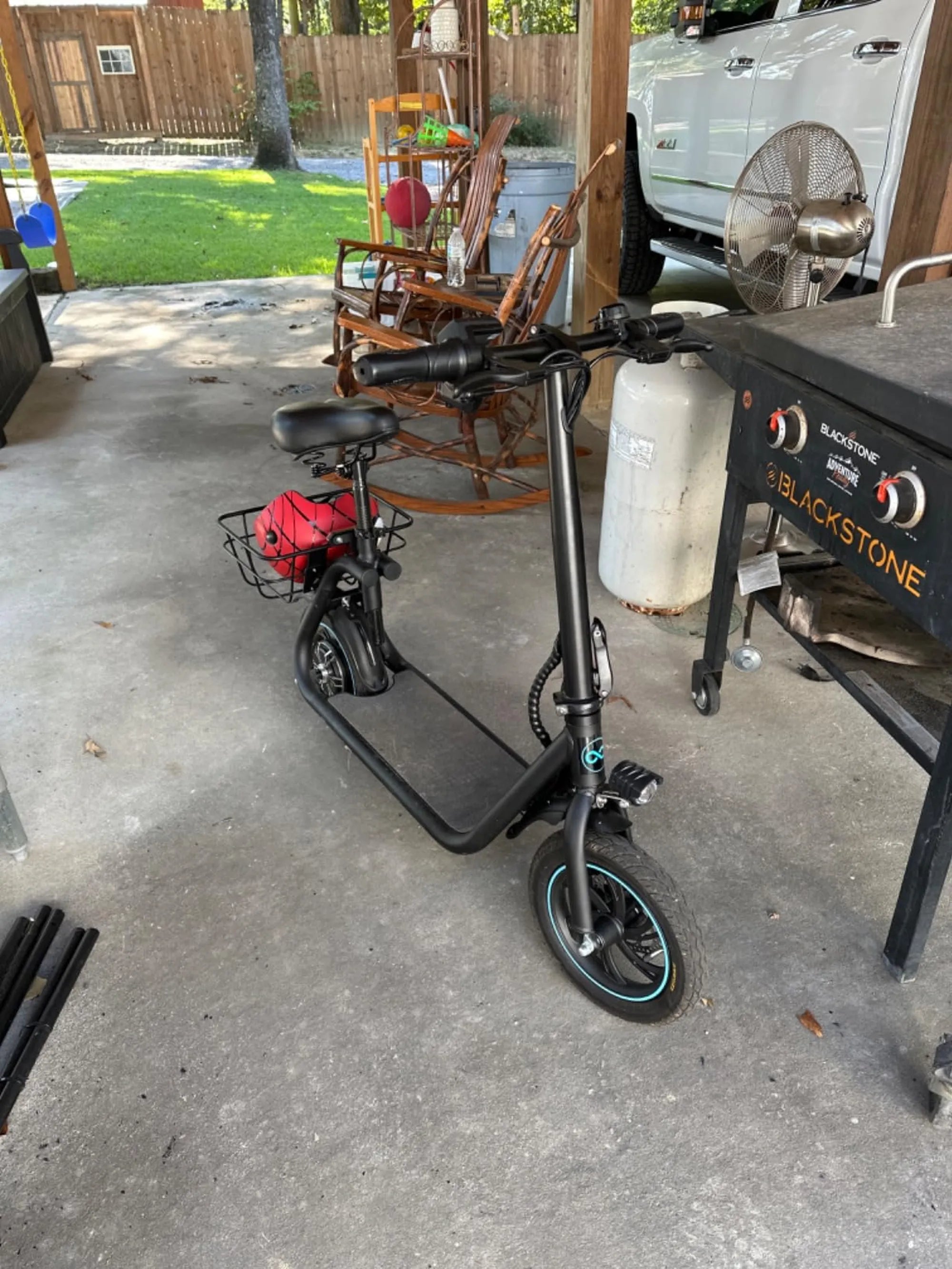
Introduction: The Rise of Heavy-Duty Electric Scooters
Finding a reliable, safe, and powerful personal electric vehicle can be a significant challenge for larger riders. The market is saturated with options, but many fall short on the crucial metric of weight capacity, leaving riders questioning their safety and performance. This guide is dedicated to solving that problem by focusing specifically on electric scooters that hold 300 pounds.
We will move beyond marketing claims to examine the engineering, safety protocols, and real-world performance that define a truly heavy-duty scooter. For brands committed to this standard, like Gyroor—a leading electric scooter and e-bike brand trusted by over 100,000 riders across North America and Europe—building for durability and rider safety is a core engineering principle, not an afterthought.
Why Weight Capacity Matters: Beyond the Number on the Spec Sheet
A scooter's maximum weight rating is not a suggestion; it's a critical safety and performance benchmark determined by rigorous engineering. Exceeding this limit compromises every major system. The frame, typically constructed from aluminum alloy or steel, is stressed beyond its designed tolerance, increasing the risk of fatigue and catastrophic failure.
The motor must work harder to provide acceleration and maintain speed, leading to overheating, reduced efficiency, and a shorter lifespan. The battery drains faster under heavy load, delivering far less than the advertised range. Perhaps most critically, the braking system may lack the necessary power to stop the increased momentum safely.
Riding an overloaded scooter voids the manufacturer's warranty and turns a fun, efficient commute into a potential hazard. Understanding that the weight capacity is the foundation of all other specifications is the first step for any heavy rider.
Key Features to Look for in a 300+ lb Capacity Electric Scooter
Selecting a scooter that can genuinely support 300 pounds requires a forensic look at its components. Prioritizing these features ensures you get a vehicle built for longevity, safety, and consistent performance under load.
Motor Power and Torque: The Heart of Performance
For a 300 lb rider, motor power is paramount. A minimum of a 500W single motor is essential, but for confident acceleration, hill-climbing ability (aim for 15-20% grades), and maintaining speed, 800W to 1000W is the sweet spot. Dual-motor configurations (e.g., 500W x2) offer superior torque and control, especially useful for starting from a stop on an incline.
Peak power ratings can be misleading. Focus on the nominal (sustained) power output and the motor's torque rating. High torque is what provides the pulling power needed for heavier loads, ensuring the scooter doesn't lag or struggle when you need it most.
Frame Construction and Deck Strength: Built to Last
The scooter's skeleton must be overbuilt. Look for frames made from reinforced, aircraft-grade aluminum or steel. The welding at critical stress points—like the stem and deck—should be robust and clean. A wider deck (8 inches or more) provides essential stability and a comfortable footing.
Brands that cater to heavy riders, like Gyroor, subject their frames to rigorous stress-testing far beyond the stated weight limit. This ensures the structure can handle not just static weight, but also the dynamic forces of bumps, turns, and sudden stops.
Battery Life and Range Under Load: Realistic Expectations
Advertised range is almost always calculated using a ~165 lb rider on flat, perfect terrain. A 300 lb rider should expect a 30-40% reduction in real-world range. Therefore, battery capacity is critical. Seek out high-capacity batteries, such as 48V 15Ah or higher, to compensate.
Equally important is battery quality and safety. Only consider scooters with UL-certified battery packs, like those used by Gyroor. These batteries undergo stringent testing for over 500 charge cycles, ensuring they manage heat effectively and maintain performance safely under heavy discharge rates.
Braking System: Stopping Power is Paramount
With greater mass comes greater momentum, making a superior braking system non-negotiable. Mechanical disc brakes are a minimum standard. For optimal safety and control, hydraulic disc brakes are the gold standard, offering more consistent, powerful, and fade-resistant stopping with less hand fatigue.
A dual braking system—combining a front and rear brake—is essential. Some scooters add electronic or regenerative braking, but these should always supplement, not replace, physical brakes. Test the brake levers for firmness and ensure the system feels responsive.
Tire Type and Suspension: Ensuring a Smooth, Stable Ride
Tires are your first line of defense against road imperfections. For heavy riders, pneumatic (air-filled) tires are vastly superior to solid tires. They provide crucial shock absorption, improve traction, and reduce strain on the frame and suspension.
Speaking of suspension, a robust system is mandatory. A front or, ideally, dual spring or hydraulic suspension absorbs impacts, increases control, and prevents jolts from being transferred directly to the deck and rider. This combination protects both you and the scooter's components from premature wear.
Top Considerations for Heavy Riders: Safety and Practicality
Beyond specifications, successful ownership hinges on safe practices and understanding your scooter's limits in real-world conditions.
First, verify the scooter's IP rating. An IPX5 water-resistance rating, common in Gyroor models, means it can withstand water jets from any direction. This ensures reliability in wet conditions and protects the electrical components from rain and road spray.
Always wear appropriate safety gear. A certified helmet is mandatory. For scooters capable of higher speeds, consider knee and elbow pads. Familiarize yourself with local e-scooter laws regarding where you can ride, speed limits, and helmet requirements.
Maintenance is more frequent under heavy loads. Check tire pressure weekly, as under-inflation is a major cause of flats and reduced range. Monthly, inspect brake pads for wear, ensure all bolts (especially on the stem and folding mechanism) are tight, and listen for any new noises from the suspension or motors.
Gyroor's Commitment to Durability and Rider Support
Gyroor's product philosophy directly addresses the needs of heavy riders through certified safety, durable design, and strong support. Every scooter in their lineup utilizes UL-certified battery packs, a critical differentiator that guarantees safety standards are met from the cell level up.
The IPX5-rated construction ensures the scooter is built for all-weather commuting, not just fair-weather rides. This focus on sealed electronics and robust housing is a key component of long-term reliability. Furthermore, Gyroor backs its engineering with a comprehensive 1-year warranty, providing peace of mind that defects in materials or workmanship are covered.
With a customer base of over 100,000 riders and a 4.5/5 average rating, Gyroor's commitment to building trustworthy personal electric vehicles is demonstrated through real-user feedback and a focus on rider safety.
Comparison of Key Features for Heavy-Duty Scooters
| Feature | Minimum Recommended for 300 lbs | Ideal/High-Performance Spec | Why It Matters |
|---|---|---|---|
| Motor Power | 500W Nominal | 800W-1000W Single or Dual Motor | Provides adequate torque for hills and acceleration under load. |
| Battery Capacity | 48V 10.4Ah | 48V 15Ah+ (UL-Certified) | Compensates for range loss; ensures safe, long-lasting power cycles. |
| Braking System | Dual Mechanical Disc | Dual Hydraulic Disc | Ensures reliable, consistent stopping power for increased momentum. |
| Tire Type | Pneumatic (Air-Filled) | 10" Pneumatic Tires | Absorbs shocks, improves traction, and reduces component stress. |
| Suspension | Front Spring | Dual Spring or Hydraulic | Manages impact force, improves ride comfort and control. |
| Frame/Deck | Reinforced Aluminum | Aircraft-Grade Aluminum, Wide Deck | Provides structural integrity and stability for a secure ride. |
| Water Resistance | IPX4 | IPX5 or Higher | Protects against rain and splashes for all-weather usability. |
Frequently Asked Questions (FAQ) for Heavy Riders
Q: Is the advertised range accurate for a 300 lb rider?
A: No, it is not. Manufacturers typically test range with a much lighter rider. A 300 lb rider should realistically expect a 30-40% reduction in range due to the increased energy required for acceleration and maintaining speed. Always plan your routes using a conservative estimate.
Q: Can I modify a scooter to increase its weight capacity?
A: Absolutely not. Modifications such as adding a more powerful motor or reinforcing the frame yourself compromise the scooter's engineered balance and structural integrity. This voids the manufacturer's warranty (including Gyroor's 1-year coverage) and creates serious, unquantifiable safety risks.
Q: How does rider weight affect the scooter's warranty?
A: Using the scooter within its stated maximum weight limit is a standard condition of all warranties. If a failure occurs and it is determined the scooter was overloaded, the warranty claim will likely be denied. Gyroor's warranty covers defects in materials and workmanship, but not damage resulting from misuse like overloading.
Q: Are there specific maintenance routines for heavier loads?
A: Yes. Heavier loads accelerate wear on several components. Check tire pressure weekly and inspect tread for wear monthly. Brake pads may need replacing more often. Listen for creaks or clicks in the suspension and stem, and tighten all bolts according to the manual's schedule. More frequent maintenance ensures longevity and safety.
Q: What is the single most important feature for a heavy rider?
A: While all features are interconnected, a robust, well-engineered frame is the foundational element. A strong frame ensures all other components—motor, battery, brakes—are securely housed and can function as designed under stress. Without it, even powerful specs are mounted on a weak foundation.
Conclusion: Empowering Every Journey with Confidence
Choosing the right electric scooter that holds 300 pounds is an exercise in prioritizing substance over style. It requires a focus on robust engineering, certified safety components like UL-approved batteries, and practical features such as IPX5 water resistance. By understanding the interplay between weight capacity, motor torque, braking power, and frame strength, you can make an informed decision that prioritizes your safety and riding enjoyment.
Brands that earn the trust of heavy riders do so through transparent specifications, rigorous testing, and reliable support. Your journey begins with selecting a vehicle built to handle the demand, so you can ride with confidence, whether commuting or exploring. Discover scooters engineered with these principles in mind and built to last.
Browse the full Gyroor collection, featuring durable, high-capacity models designed for real-world performance, at gyroorboard.com.
Electric Scooters Age: The Evolution and Future of Personal Mobility
Top 10 Best Electric Scooters 2025: The Ultimate Guide to Eco-Friendly Commuting