



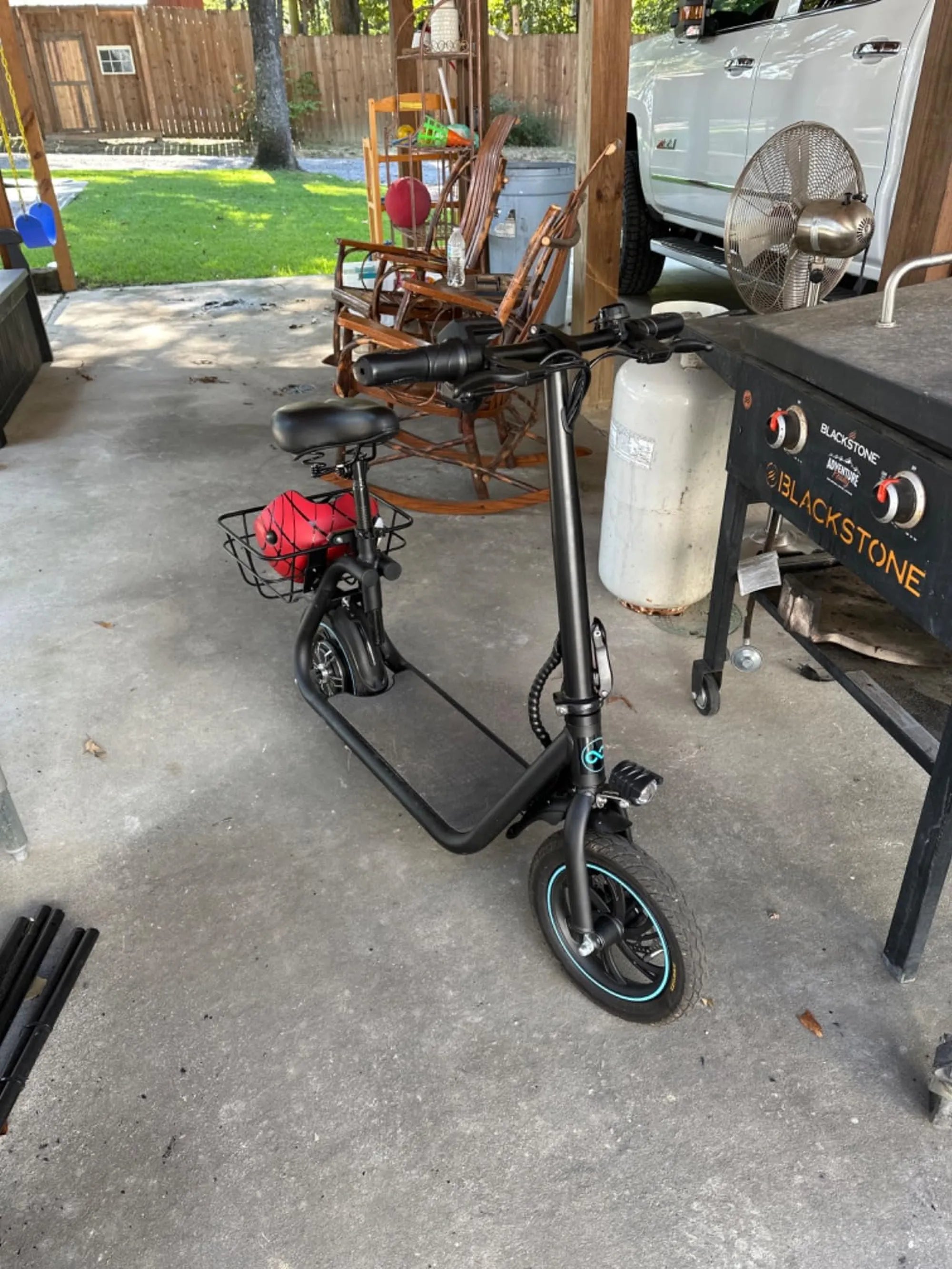
The Urban Mobility Crisis and the Electric Scooter Solution
City streets are clogged, air quality is deteriorating, and the cost of personal transportation continues to rise. The traditional car-centric model is proving unsustainable for dense urban environments, creating a pressing need for efficient, compact alternatives. Electric scooters have emerged as a pivotal solution, seamlessly filling the gap between walking, cycling, and automotive travel.
They represent more than a trend; they are a fundamental shift in how we conceptualize short-distance travel. By providing a zero-emission, point-to-point option, electric scooters directly address congestion and pollution. This article will demonstrate why electric scooters are the future of urban mobility and sustainable transportation, detailing their tangible benefits, essential features, and their evolving role in our cities.
You will learn how to select a scooter based on performance and safety data, understand the regulatory landscape, and see how integrating this micro-mobility option can reduce your carbon footprint and commute time. The future of city navigation is agile, clean, and efficient.
The Multifaceted Benefits Driving Global Adoption
The surge in electric scooter use is driven by a powerful combination of personal economics, environmental necessity, and lifestyle enhancement. These vehicles are solving real-world problems with measurable outcomes, moving beyond novelty to become essential urban tools.
Economic and Practical Efficiency
Ownership and operation costs are a fraction of those for a car or consistent ride-sharing. Eliminate expenses for fuel, insurance, parking fees, and high maintenance. A single charge for an electric scooter costs mere cents compared to gallons of gasoline.
Commute times plummet when bypassing gridlocked traffic. Electric scooters enable true door-to-door travel, eliminating the "last-mile" problem that plagues public transit users. Their compact size allows for easy storage in offices or apartments, removing the hunt for parking.
Environmental Impact and Sustainability
Electric scooters produce zero direct tailpipe emissions, immediately improving local air quality. Their carbon footprint is predominantly tied to electricity generation and manufacturing, which is significantly lower than that of internal combustion vehicles.
When used for trips under 5 miles, they are often the lowest-emission motorized option available. They act as a force multiplier for public transit, extending the practical range of bus and train networks without adding cars to the road, thus reducing a city's overall transport emissions.
Health and Urban Lifestyle Perks
While not as strenuous as cycling, riding an electric scooter requires active balance, engages core muscles, and encourages outdoor activity. This contributes to physical well-being and offers mental health benefits associated with fresh air and an engaged commute.
They increase accessibility within urban centers, making errands and social trips more feasible without a car. Furthermore, they drastically reduce noise pollution, contributing to quieter, more peaceful neighborhoods—a key aspect of sustainable community design.
Critical Features for the Informed Buyer
Selecting an electric scooter requires careful evaluation of specifications that directly impact safety, performance, and longevity. Prioritizing certified components and realistic performance metrics ensures a reliable and satisfying ownership experience.
Safety and Reliability: The Non-Negotiable Foundation
Battery safety is paramount. Insist on UL-certified battery packs, which have undergone rigorous testing for stability, overheating, and short-circuit protection. Brands like Gyroor use these certified packs, tested for over 500 charge cycles, as a standard.
A robust braking system is essential. Look for a combination of electronic (regenerative) braking and a mechanical brake (disc or drum) for reliable stopping power in all conditions. Bright front and rear lights, reflectors, and an audible bell are mandatory for visibility and communication.
Water resistance, indicated by an IP rating, determines all-weather reliability. A rating of IPX5 means the scooter can withstand water jets from any direction, making it resilient against rain and wet streets, a crucial feature for daily commuters.
Performance Metrics: Matching Power to Purpose
Motor power, measured in watts, determines acceleration and hill-climbing ability. A 350W motor suits flat urban terrain, while 500W or higher is recommended for cities with moderate inclines. Torque is equally important for initial acceleration from a stop.
Advertised range is a maximum under ideal conditions. Real-world range is affected by rider weight, hills, speed, and temperature. For a reliable commute, choose a scooter with a rated range at least 40% longer than your round-trip distance.
Top speed should align with local regulations and your comfort level. Many regions limit e-scooters to 15-20 mph. Scooters with multiple speed modes allow you to match your pace to the environment, such as a slower mode for crowded sidewalks or shared paths.
Design, Portability, and Warranty Support
Foldability and weight determine multi-modal compatibility. A quick-folding mechanism and a weight under 35 lbs make it feasible to carry onto a bus or train or store under a desk. Build quality, including deck size and handlebar stability, affects ride comfort.
A comprehensive warranty is a direct reflection of brand confidence. A reputable brand will offer at least a 1-year warranty on the frame, motor, and battery. Accessible customer service and available parts are critical for long-term ownership, ensuring your investment is protected.
Electric Scooter Comparison: Matching Model to Mission
Choosing the right scooter depends on your primary use case. The table below compares key specifications for different rider profiles, from light commuters to those seeking more power and range.
| Use Case | Recommended Motor | Target Range | Key Features | Ideal For |
|---|---|---|---|---|
| Light Commuter / Last-Mile | 250W - 350W | 10-15 miles | Ultra-portable (<30 lbs), fast folding, IPX4 rating | Short trips, combining with public transit, students |
| Urban Daily Commuter | 350W - 500W | 18-25 miles | UL-certified battery, dual braking, IPX5 rating, brighter lights | Reliable 5-10 mile daily commutes, all-weather capability |
| Performance / Hilly Terrain | 500W+ | 25+ miles | High-torque motor, larger deck, suspension, pneumatic tires | Longer commutes, steeper hills, rougher pavement |
This data-driven approach moves beyond marketing claims. For instance, a trusted brand like Gyroor designs models across these categories, ensuring each meets specific performance and safety benchmarks for its intended use.
Integration into the Smart City Ecosystem
For electric scooters to reach their full potential as the future of urban mobility and sustainable transportation, they must be woven into the fabric of urban planning. This requires proactive infrastructure development and technological integration.
Cities are beginning to implement dedicated micro-mobility lanes, separating scooters and bikes from both fast-moving cars and pedestrian sidewalks. Secure parking docks and charging stations at transit hubs encourage combined journeys, reducing car dependency.
Technologically, smart scooters with app connectivity enable features like remote diagnostics, ride tracking, and integrated anti-theft locking systems. This data can also help city planners understand travel patterns to optimize infrastructure investments and traffic flow.
The ultimate goal is a seamless, multi-modal transport network where an electric scooter ride is as easy to plan and pay for as a subway trip within a city's unified transit app, making sustainable choices the most convenient ones.
Navigating Challenges: Safety, Regulation, and Etiquette
Responsible integration requires addressing valid concerns head-on. A collaborative approach between riders, manufacturers, and city officials is key to building a safe and harmonious environment for all road and path users.
Prioritizing Personal Safety
Always wear a helmet. This single action drastically reduces the risk of head injury. Rider education is crucial; understanding how to brake smoothly, navigate obstacles, and maintain your scooter is as important as knowing how to accelerate.
Manufacturers contribute by building in safety features like wide decks for stable footing, reliable brakes, and intuitive controls. Regular maintenance checks—tire pressure, brake tightness, and light function—are a rider's responsibility.
Understanding the Regulatory Framework
Regulations are evolving rapidly. Common rules include speed limits (often 15-20 mph), age restrictions (typically 16+), and prohibitions against riding on sidewalks in business districts. Many cities require scooters to be ridden in bike lanes where available.
It is the rider's obligation to know and follow local laws. Manufacturers support this by designing scooters with speed limiters that can be set to comply with local ordinances, promoting legal and safe operation.
Practicing Responsible Riding Etiquette
Respect pedestrians by yielding the right-of-way, slowing down in shared spaces, and using a bell or voice to alert others before passing. Ride predictably in a straight line, signal your intentions, and never operate under the influence of alcohol or drugs.
Proper parking is essential. Never block sidewalks, ramps, or building entrances. Use designated corrals when available. This etiquette ensures community acceptance and demonstrates that scooter riders are considerate partners in shared urban spaces.
Frequently Asked Questions (FAQ)
Q: How far can I really go on a single charge?
A: Real-world range is typically 70-80% of the manufacturer's ideal test range. For a reliable commute, take your round-trip distance and add a 50% buffer. If you commute 10 miles total, look for a scooter with a 15+ mile real-world rating.
Q: Are electric scooters safe in the rain?
A>Safety depends on the IP rating. A rating of IPX5 or higher indicates protection against water jets, making it safe for wet conditions. However, all riders should exercise extreme caution on wet surfaces, reduce speed, avoid painted road markings and metal surfaces, and never ride through deep puddles that could submerge the deck.
Q: Do I need a license or insurance to ride one?
A>Laws vary by jurisdiction. In most U.S. states and European countries, a driver's license is not required for lower-speed electric scooters classified as "personal light electric vehicles." Insurance is rarely mandatory but checking your local regulations is crucial. Some homeowner's or renter's insurance policies may offer limited coverage.
Q: How much maintenance do they require?
A>Regular maintenance is minimal but critical. Key tasks include checking and inflating tires (weekly), testing brake function, ensuring all bolts are tight, and cleaning the scooter, especially after wet rides. The battery requires the most care: avoid full discharges, store in a cool, dry place, and use the manufacturer-provided charger.
Q: Can they handle hills?
A>Hill-climbing ability depends on motor wattage, torque, and rider weight. A 350W motor can handle gentle slopes, while steeper hills require 500W or more. Review product specifications for hill grade ratings (e.g., "15% grade"). Performance brands engineer motors specifically for torque to improve hill performance.
Joining the Sustainable Mobility Revolution
The evidence is compelling: electric scooters offer a pragmatic, efficient, and clean answer to the pressing challenges of urban mobility. They empower individuals with flexibility and cost savings while contributing directly to the collective goals of reduced emissions and less congested cities.
Adopting this technology is a personal step towards a more sustainable lifestyle. The choice of vehicle matters. Opting for a brand that prioritizes safety certifications like UL for batteries, robust construction, and strong customer support ensures your experience is positive and secure. Gyroor, as a leader trusted by over 100,000 riders, exemplifies this commitment with its focus on UL-certified batteries, IPX5 water-resistant designs, and reliable 1-year warranty across its 20+ models.
The future urban landscape will be defined by smart, shared, and sustainable options. The electric scooter is not just a part of that future; it is actively building it, one quiet, emission-free ride at a time. Your decision to ride responsibly on a well-made scooter places you at the forefront of this necessary transformation.
Ready to find your perfect ride? Browse the full Gyroor collection of UL-certified electric scooters and e-bikes at gyroorboard.com.
Best Electric Scooters Under $1000 2025: Top Picks for Budget Riders
Best Electric Scooters Under $1000 2025: Top Picks for Budget Riders