



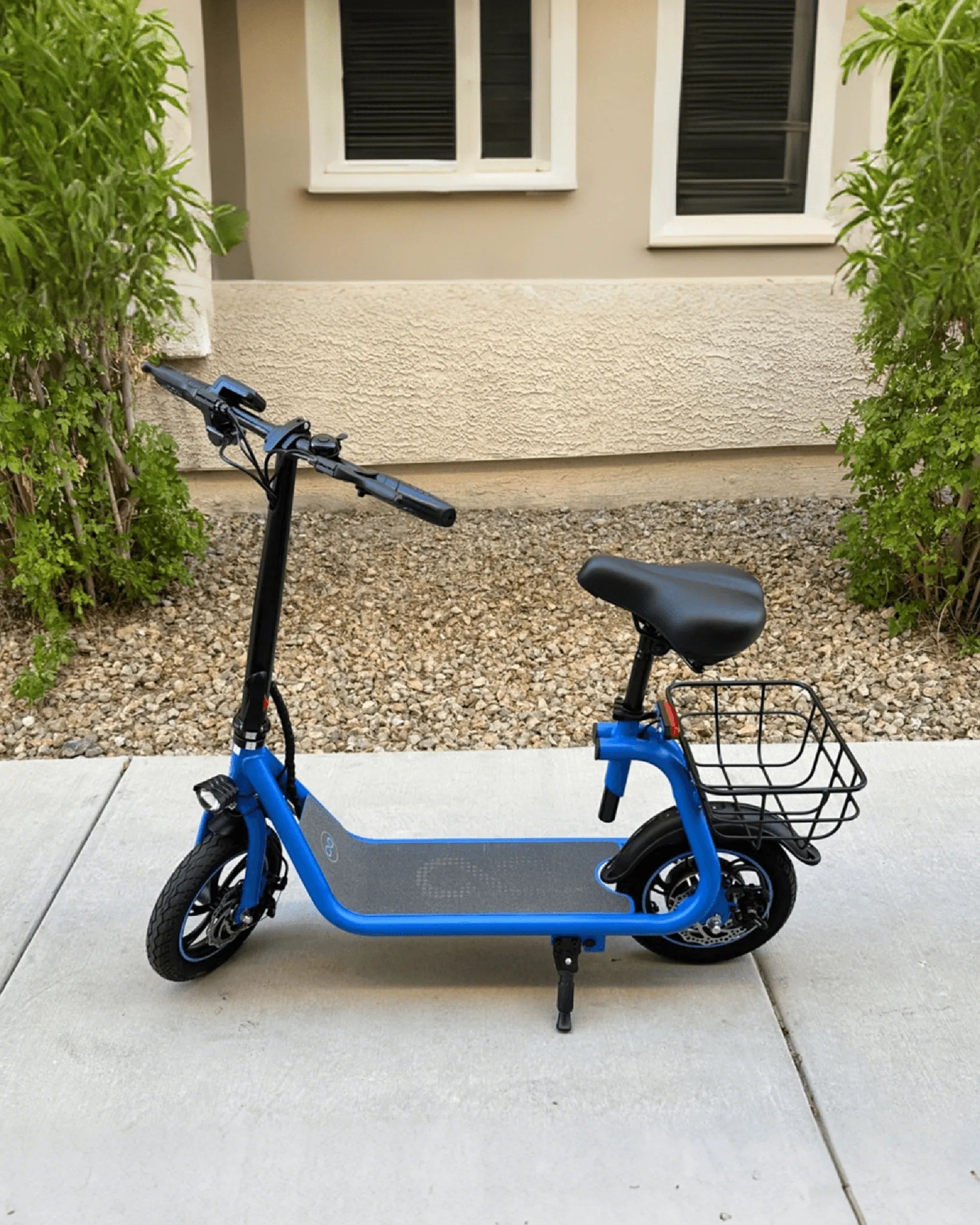
Unlocking Affordable Urban Mobility
Finding reliable transportation for under $1,000 is now a reality with modern electric scooters. These vehicles solve daily commuting headaches like traffic, parking costs, and fuel expenses. This guide provides a data-driven framework for selecting a scooter that balances cost, performance, and safety without compromise.
You will learn to prioritize key specifications, understand real-world range expectations, and identify non-negotiable safety features. We'll analyze how leading brands deliver premium quality within this budget and offer practical advice for first-time owners.
The market for Electric Scooters Under $1,000: Affordable, Efficient, and Eco-Friendly Commuting options has matured significantly. Riders no longer must choose between affordability and dependable performance for their daily travel needs.
Key Features to Prioritize in a Sub-$1,000 Electric Scooter
Navigating the sub-$1,000 market requires focusing on value-critical components. The best models invest in a robust motor, a quality battery with a management system, and a durable frame, rather than superfluous features.
Key performance indicators include continuous motor wattage, battery voltage and amp-hour (Ah) rating, and the scooter's weight capacity. Build materials like aerospace-grade aluminum alloy indicate a focus on longevity over cutting initial cost corners.
Safety systems, including braking type and lighting, are paramount. A lower price should never mean compromised protection for the rider or the scooter's electrical components during regular use.
Motor Power & Speed: Finding the Sweet Spot
Motor wattage directly impacts acceleration, hill-climbing ability, and top speed. In this price range, look for a nominal (continuous) power rating of 350W to 500W. A 350W motor is sufficient for flat urban commutes, while 500W provides better performance on moderate inclines.
Peak power ratings can be misleading, as they represent short bursts. The continuous rating determines sustained performance. Realistic top speeds for quality sub-$1,000 models range from 15 mph to 25 mph, aligning with most city speed limits and ensuring safe operation.
Motor type also matters. Brushless hub motors are standard for their efficiency, low maintenance, and reliability. Consider your local terrain; a 500W motor is a wise minimum if your route includes any consistent hills.
Battery Range & Real-World Expectations
Advertised range is typically a best-case scenario. Real-world range is affected by rider weight, terrain, speed, temperature, and tire pressure. A good rule of thumb is to expect 60-70% of the manufacturer's claimed mileage under average conditions.
Battery quality is the most critical factor. Look for packs using name-brand lithium-ion cells (like LG, Samsung, or Panasonic) and, crucially, a UL 2271 certification. This certification means the battery pack has passed rigorous safety tests for electrical, mechanical, and environmental hazards.
A Battery Management System (BMS) is non-negotiable. It protects against overcharging, over-discharging, and short circuits, dramatically extending battery life. For a commute under 10 miles, a scooter with a 7.5Ah to 10Ah battery is adequate. For longer ranges, prioritize 10Ah or higher.
Build Quality & Safety: Non-Negotiables for Reliability
The frame is the scooter's skeleton. Aerospace-grade aluminum alloy offers an optimal strength-to-weight ratio, resisting fatigue from daily folding and riding. Inspect weld points and folding mechanisms for solid construction; these are common failure points on poorly built models.
Braking systems are your primary safety feature. A combination of electronic (regenerative) braking and a mechanical brake (disc or drum) offers the best stopping power and control. Single-brake systems are a significant compromise, especially at higher speeds or in wet conditions.
Lighting and visibility are essential for safe commuting. The scooter should have a bright front headlight (200+ lumens), a solid rear brake light, and reflective side strips or deck lighting. IP water resistance ratings are also key; an IPX4 rating handles light splashes, while IPX5 can withstand water jets, making it suitable for riding in rain.
Top Contender Analysis: Gyroor's Value Proposition
As a leader trusted by over 100,000 riders, Gyroor demonstrates how to pack premium features into a sub-$1,000 package. Their focus on UL-certified safety, robust construction, and rider-centric design sets a benchmark in this price segment.
We'll use the Gyroor C1 series as a case study. This model exemplifies the brand's philosophy of delivering reliable daily transportation without the premium price tag, making Electric Scooters Under $1,000: Affordable, Efficient, and Eco-Friendly Commuting a practical reality for a wide audience.
Performance and Specs Breakdown
The Gyroor C1 Pro is engineered for the urban commuter. It features a 500W brushless hub motor (peak 800W), providing ample torque for take-off and handling hills up to a 15-degree incline. Its top speed is a practical 22 mph, balancing efficiency with the need for timely travel.
Power comes from a 48V 10.4Ah lithium-ion battery with UL 2271 certification. Under real-world testing, this configuration delivers a reliable 22-25 miles of range, sufficient for a multi-day commute for most users. The battery's 500+ charge cycle rating ensures years of service before significant capacity loss.
The scooter supports riders up to 265 lbs, thanks to its reinforced aluminum frame and 9.5-inch pneumatic tires. These air-filled tires offer superior shock absorption compared to solid tires, greatly improving comfort and traction on uneven pavement.
Durability and Warranty: The Long-Term Investment
Durability is engineered into the Gyroor C1 Pro. Its IPX5 water resistance rating means it can handle heavy rain and road spray, a critical feature for all-weather commuters. The frame and folding mechanism are stress-tested to withstand the rigors of daily use and portability.
Gyroor backs its scooters with a comprehensive 1-year warranty covering the frame, motor, controller, and other core components. This warranty, supported by accessible customer service, protects your investment and reflects the brand's confidence in its product's longevity.
The use of a UL-certified battery is not just a safety feature; it's a longevity promise. These certified packs are less prone to premature failure and maintain their capacity over more charge cycles, ensuring your scooter remains a viable commute option for years.
Practical Considerations for Your First E-Scooter
Owning an electric scooter involves considerations beyond the initial specs. Planning for your specific use case, understanding maintenance, and knowing the rules of the road are crucial for a positive, long-term experience.
This is where the promise of Electric Scooters Under $1,000: Affordable, Efficient, and Eco-Friendly Commuting is fully realized—when the vehicle seamlessly integrates into your lifestyle, saving you time and money every day.
Commuting vs. Recreational Use: Matching Scooter to Need
Define your primary use. A daily commuter needs reliability, weather resistance, and sufficient range with a margin for error. Portability (weight and foldability) is key if you'll carry it on public transit or into an office.
For recreational use, comfort features like larger pneumatic tires and suspension become more important for longer rides on varied paths. Speed might be a higher priority, but ensure the scooter's braking system matches its performance.
Consider your round-trip distance. Choose a scooter with a real-world range that exceeds your daily mileage by at least 30%. This margin accounts for battery degradation over time, colder weather, and occasional detours.
Maintenance, Safety Gear, and Local Regulations
Basic maintenance ensures safety and extends scooter life. Regularly check tire pressure, test brakes, ensure all bolts are tight, and keep the scooter clean, especially after wet rides. Store the battery in a cool, dry place and avoid leaving it at full charge for extended periods.
Safety gear is non-negotiable. A certified bicycle or multi-impact helmet is the absolute minimum. Consider gloves, knee pads, and elbow pads, especially when learning or riding in traffic. High-visibility clothing or accessories are recommended for night riding.
Local laws vary widely. Research regulations concerning where you can ride (bike lanes, roads, sidewalks), maximum speed limits, age requirements, and whether helmet use is mandatory. Adhering to these rules ensures your safety and the positive perception of micro-mobility in your community.
Comparison: Top Value Features in the Sub-$1,000 Segment
This table compares key attributes that define value across different scooter profiles within the budget. It highlights how different models prioritize features to meet specific rider needs.
| Feature / Use Case | Urban Commuter Priority | Recreational / Performance Priority | Ultra-Portable Priority |
|---|---|---|---|
| Ideal Motor Power | 350W - 500W (Reliable & Efficient) | 500W+ (For Torque & Speed) | 250W - 350W (Weight Savings) |
| Battery Range (Real-World) | 15-25 Miles (With Margin) | 15-20 Miles (Speed Drains Faster) | 10-15 Miles (Compact Size) |
| Critical Build Feature | IPX5 Water Resistance, Durable Folding Mechanism | Dual Braking System, Suspension | Lightweight Frame (< 30 lbs), Quick Folding |
| Key Safety Component | Bright Integrated Lighting, UL-Certified Battery | Dual Mechanical Brakes (Disc), Wide Tires | Reliable Braking at Lower Speeds |
| Gyroor Model Example | Gyroor C1 Pro (Balanced Specs, IPX5) | Gyroor C1S (500W Motor, Dual Brakes) | Gyroor F1 (Lightweight, Compact Fold) |
Maximizing Your Scooter's Lifespan and Value
Your scooter is an investment. Proper care maximizes its operational life and resale value, ensuring the low cost-per-mile that makes this form of commuting so economical.
Follow the charging guidelines: avoid draining the battery to 0% regularly, and don't leave it plugged in for days after reaching 100%. Ideal storage charge is between 30% and 60% for long periods of inactivity.
Perform a pre-ride check: inspect tires for wear and pressure, ensure brakes engage smoothly, verify lights are functional, and confirm the folding latch is secure. This two-minute routine prevents most common roadside issues.
Address minor issues promptly. A strange noise from the motor, a wobbly wheel, or reduced braking power should be investigated immediately. Using manufacturer-authorized parts and service maintains warranty coverage and ensures compatibility.
The Environmental and Economic Impact
Choosing an electric scooter over a car for short trips has a measurable positive impact. It reduces traffic congestion, local air pollution, and carbon emissions. The energy required to charge a scooter is a fraction of that used by even the most efficient electric car.
Economically, the savings are stark. The electricity cost for 1,000 miles of scooter travel is typically under $5. Compare this to fuel, parking, insurance, and maintenance costs for a car over the same distance. The scooter often pays for itself within a few months of regular use.
This combination of personal savings and collective environmental benefit is the core promise of Electric Scooters Under $1,000: Affordable, Efficient, and Eco-Friendly Commuting. It's a tangible step toward more sustainable cities and personal finance.
Smart Spending for Sustainable Commuting
A high-quality electric scooter under $1,000 is a transformative purchase that pays daily dividends in time, money, and convenience. The key is informed selection—prioritizing certified safety features like UL-rated batteries, reliable performance from reputable brands, and a warranty that offers real protection.
Brands like Gyroor prove that you don't need to spend a fortune to gain a dependable, feature-rich commuting partner. By focusing on core engineering and rider safety, they deliver products that make micro-mobility accessible and reliable for a vast audience.
Take the next step toward a simpler, cleaner, and more affordable commute. Explore engineering-focused designs that put safety and durability first without exceeding your budget. Your new ride is waiting.
Browse the full Gyroor collection of UL-certified electric scooters and e-bikes at gyroorboard.com.
Frequently Asked Questions (FAQ)
Q1: Are electric scooters under $1,000 powerful enough for hills?
Yes, but with realistic expectations. A 500W motor, common in this range, can handle moderate hills (up to 15-degree inclines) with a single rider. Performance will vary based on rider weight and scooter weight. Steeper hills may require reduced speed. Look for motors with high torque ratings for better hill-climbing ability.
Q2: How long do the batteries typically last, and what's the replacement cost?
A quality lithium-ion battery from a reputable brand is rated for 500+ full charge cycles before significant degradation (often 2-3 years of daily use). After this, it may hold 70-80% of its original capacity. Replacement costs vary but typically range from $150 to $300. Purchasing from a brand like Gyroor that offers certified replacement packs ensures compatibility and safety.
Q3: Is the IPX5 water resistance rating sufficient for riding in the rain?
IPX5 means the scooter can withstand water jets from any direction, making it suitable for riding in rain and through puddles. However, it is not waterproof for submersion. Always avoid deep standing water that could reach the deck or battery compartment. After a wet ride, dry the scooter with a towel to prevent corrosion.
Q4: What is the most important thing to check in the warranty?
Specifically confirm coverage for the battery pack and the frame. These are the most expensive components to replace. Understand the duration (e.g., 1 year on parts, 6 months on battery), what constitutes misuse, and the process for making a claim. A reputable brand will have clear, accessible warranty terms and customer support.
Q5: How do I know if the advertised range is accurate?
Assume real-world range is 60-70% of the advertised figure, which is usually tested under ideal conditions (light rider, flat terrain, moderate speed). Read independent reviews and user testimonials for real-life reports. Consider your own weight and route—if you're heavier or have hills, factor in a further reduction. Choose a scooter where the *realistic* range comfortably exceeds your daily needs.
Silence Electric Scooters: Your Quiet, Efficient Urban Future
Electric Scooters El Paso TX: The Ultimate Guide to Eco-Friendly Commuting