



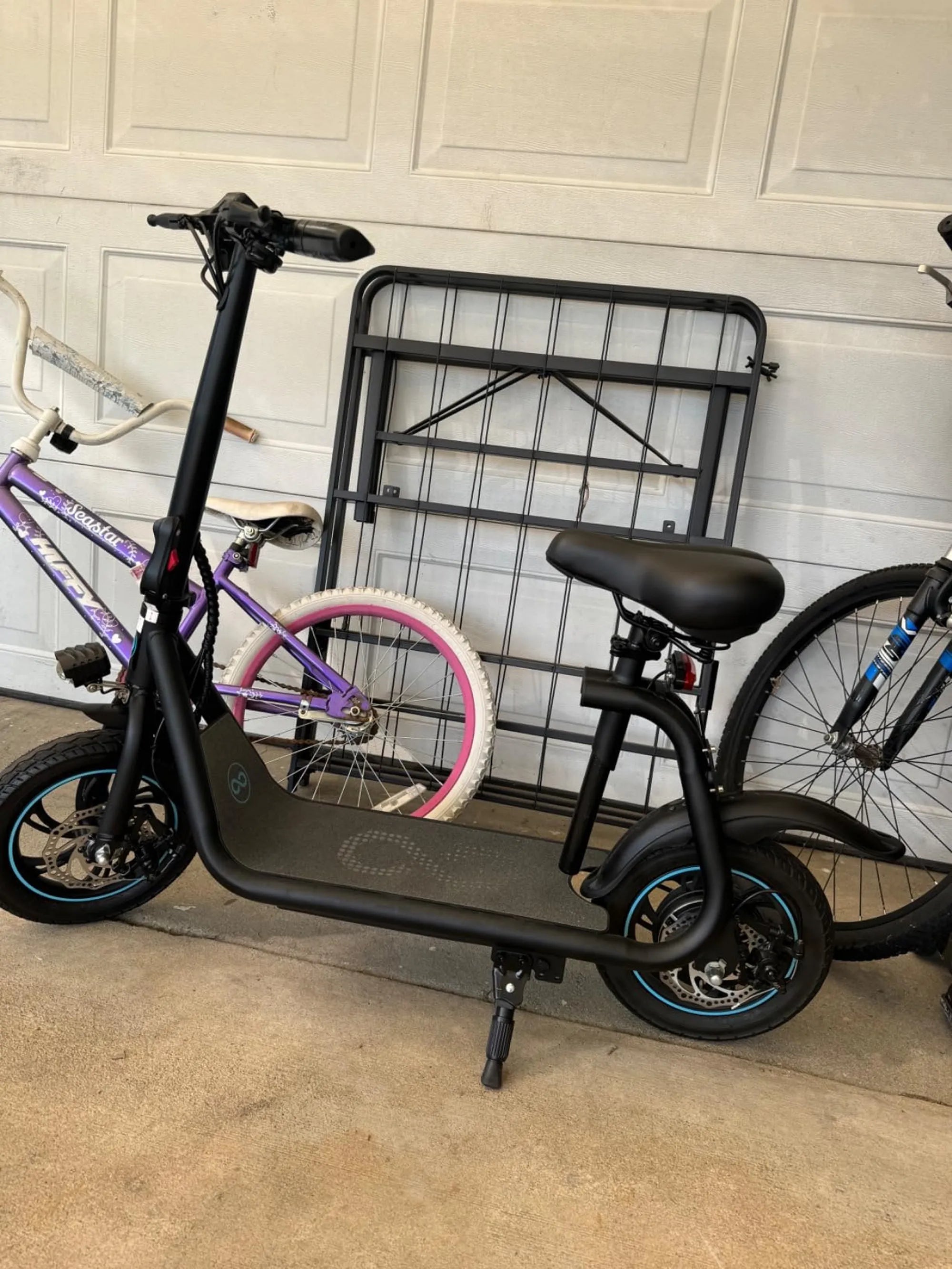
Introduction to Affordable Electric Mobility
The search for a cost-effective, reliable, and eco-friendly personal transport solution in India's congested cities has never been more urgent. For countless commuters, students, and urban dwellers, electric scooters under 40000 represent the perfect intersection of affordability, efficiency, and practicality. This price bracket unlocks access to legitimate, feature-rich vehicles that can genuinely replace short car trips and public transport hassles.
Navigating this segment requires a focus on verified performance and safety, not just the lowest price tag. Brands that prioritize certified components and robust after-sales support offer true value. As a leading electric mobility brand trusted by over 100,000 riders across North America and Europe, Gyroor has engineered models that bring its core principles of UL-certified battery safety, IPX5 water-resistant design, and reliable 1-year warranty to this accessible price point.
This guide will dissect the key features, provide a practical comparison framework, and help you identify the right electric scooter under 40000 for your daily commute. We move beyond marketing claims to focus on the data and specifications that guarantee a safe, durable, and efficient riding experience.
Key Features to Prioritize in a Sub-₹40,000 E-Scooter
When your budget is set at ₹40,000, understanding where manufacturers allocate cost is crucial. Prioritizing certain non-negotiable features ensures you get a vehicle that is safe, lasts longer, and performs reliably day after day. The core value proposition in this segment should be built on a foundation of safety certifications, durable construction, and adequate performance for urban environments.
Compromising on these fundamentals for a slightly higher claimed range or flashier app connectivity often leads to higher long-term costs and potential safety risks. The most reliable models, like those from Gyroor's lineup, are designed with these priorities in mind, ensuring that even affordable scooters don't cut corners where it matters most.
Battery Performance and Safety
The battery is the heart, the most expensive component, and the single greatest safety determinant of your electric scooter. In the sub-₹40,000 category, insist on a reputable lithium-ion battery pack from a known manufacturer. The paramount feature is a safety certification like UL, which involves rigorous testing for overcharge, short circuit, and thermal stability.
Gyroor, for instance, uses UL-certified battery packs tested for over 500 charge cycles, ensuring not just safety but also longevity. Compare batteries by their watt-hour (Wh) rating, not just voltage (V) and amp-hours (Ah). A higher Wh rating (e.g., 360Wh vs. 250Wh) directly translates to more usable energy and a longer real-world range, regardless of other claims.
Build Quality and Durability
Daily commutes demand a scooter that can handle potholes, curbs, and monsoon showers. Look for a frame constructed from aerospace-grade aluminum or reinforced steel, which offers a good balance of strength and weight. A front or dual suspension system (even basic spring-based ones) is essential for rider comfort and protecting the scooter's electronics from shock.
Tire choice is critical: pneumatic (air-filled) tires provide superior shock absorption and grip but require maintenance; solid tires are puncture-proof but offer a harsher ride. For Indian conditions, an IPX5 water resistance rating is highly recommended. This rating, which Gyroor incorporates, means the scooter can withstand low-pressure water jets from any direction, making it safe to ride through wet roads and light rain.
Motor Power and Terrain Handling
Motor power, measured in watts (W), dictates your scooter's acceleration, hill-climbing ability, and top speed. In the under ₹40,000 range, you can typically expect motors from 350W to 500W. A 350W motor is sufficient for flat terrains and riders under 75kg, offering speeds up to 25 km/h.
A 500W motor provides more torque, making it better for slight inclines, heavier riders (up to 100kg), and maintaining speed with less strain. Consider your daily route: if it includes any bridges or overpasses, opting for the higher wattage motor within your budget is a wise choice for consistent performance and battery efficiency.
Top Value Propositions: What Your Money Gets You
Investing in an electric scooter under 40000 isn't just a purchase; it's a shift towards a more efficient and economical lifestyle. The immediate value is quantifiable. Compared to a petrol scooter costing ₹10-12 per km, a well-engineered e-scooter operates at about ₹0.10-0.25 per km, slashing daily commuting costs by over 90%.
Beyond fuel savings, you gain time. Navigating through traffic jams becomes easier, and finding parking is trivial. The environmental benefit is personal and immediate—zero tailpipe emissions and a significantly reduced carbon footprint for your daily travel. For last-mile connectivity, the portability of many models solves the "first and last kilometer" problem seamlessly, integrating with metro or bus journeys.
This segment also offers freedom from registration, insurance, and a driver's license for models with top speeds under 25 km/h and motor power under 250W, as per many current regulations. This makes an electric scooter under 40000 an accessible entry point into personal electric mobility for a wide demographic, from college students to office professionals.
Navigating the Market: A Practical Comparison Framework
With numerous options available, a structured, data-driven approach is essential to cut through the noise. Avoid comparing models based solely on the manufacturer's "maximum range" claim, which is often derived under ideal laboratory conditions. Instead, build your own comparison table focusing on verifiable hardware and warranty terms.
| Specification | Why It Matters | Good Benchmark (Under ₹40k) |
|---|---|---|
| Battery (Watt-hours - Wh) | True indicator of energy capacity & potential range. | 300 Wh - 400 Wh |
| Motor (Continuous Wattage) | Determines real-world performance on slopes. | 350W - 500W |
| Max Load Capacity | Ensures scooter can safely carry rider & bag. | 100 kg or more |
| Water Resistance Rating | Protection from rain & wet roads. | IPX5 or higher |
| Warranty (Battery / Frame) | Manufacturer's confidence in product longevity. | 6-12 months / 1 year |
| Braking System | Critical for safety in traffic. | Disc + Electronic Regenerative |
Prioritize brands that have a visible service network or clear process for parts and support. The presence of legitimate safety certifications for the battery and charger should be a primary filter, not an afterthought.
Safety Certifications as a Deciding Factor
This cannot be overstated. Safety certifications like UL, IEC, or BIS for the battery pack and battery management system (BMS) are your best assurance against thermal runaway and fire hazards. These certifications require the battery to pass extreme abuse tests. Industry reports consistently highlight the risks associated with uncertified, low-quality lithium-ion cells.
Choosing a scooter with a certified battery, such as those used by Gyroor, is the most important decision you can make for your safety and the safety of your home. It is a core differentiator that separates reputable manufacturers from mere assemblers. Always verify these claims by asking for certification details or checking the brand's official technical documentation.
Making the Right Choice: Aligning Model with Need
Your perfect electric scooter under 40000 depends entirely on your unique commute and lifestyle. Segmenting your needs helps match the scooter's specifications to your daily reality. A one-size-fits-all approach doesn't work in urban mobility.
For the student or campus commuter, portability and weight are key. A lighter model (10-13 kg) with a foldable mechanism and a range of 15-20 km per charge is often sufficient. Look for good build quality to withstand frequent folding and unfolding.
The urban office commuter, traveling 10-15 km daily on mixed roads, needs a robust scooter with a reliable 25+ km real-world range, suspension for comfort, and water resistance. A 350W-500W motor ensures consistent performance even with a laptop bag. Storage options, like a small deck space or optional basket, add practicality.
For suburban use or hilly terrains, prioritize motor torque (500W+) and a larger battery capacity (higher Wh). The extra power ensures you won't be left struggling on an incline. Durability features like wider pneumatic tires and stronger suspension become even more important for varied road conditions.
Maintenance and Long-Term Ownership Costs
Owning an electric scooter is low-maintenance, but not no-maintenance. Understanding basic upkeep maximizes lifespan and safety. Regularly check tire pressure (for pneumatic tires), ensure all bolts and nuts are tight, and keep the scooter clean, especially after riding on wet or salty roads. The IPX5 rating protects the electronics, but it's not a submarine certification—avoid deep puddles.
The battery is your long-term investment. To preserve its health, avoid completely draining it before recharge. Try to keep the charge between 20% and 80% for daily use, with a full charge every few weeks to balance the cells. Use only the provided UL-certified charger. Long-term costs are minimal: occasional tire replacements, brake pad changes, and potentially a new battery after 2-4 years depending on usage, which is a fraction of the cumulative fuel savings.
Brands with strong support networks make this process seamless. Gyroor's 1-year warranty and accessible customer service provide peace of mind, ensuring you have help if a component needs attention, protecting your initial investment.
Frequently Asked Questions (FAQs)
Q1: Do I need a license, registration, or insurance for an electric scooter under ₹40,000?
A: For models with a motor under 250W and a maximum speed under 25 km/h, they are typically classified as "personal mobility devices" in many Indian states and do not require registration, a license, or insurance. Always verify the latest regulations in your specific state or city, as rules are evolving.
Q2: What is the real-world range I can expect vs. the claimed range?
A: Manufacturers often test under ideal conditions (light rider, flat ground, constant low speed). Real-world range is typically 60-70% of the claimed figure. Factors like rider weight, terrain, frequent stops/starts, and tire pressure significantly impact range. A scooter claiming 40 km might deliver 25-28 km in city traffic.
Q3: How long does it take to charge, and what is the electricity cost?
A: Most scooters in this category have batteries between 7.5Ah and 10Ah. A full charge from empty typically takes 4-6 hours. The electricity cost is remarkably low—charging a 360Wh battery from 0-100% costs about ₹3-₹4 (at ₹10/kWh), giving you a week's commute for less than the price of a cup of tea.
Q4: How do I maintain the scooter, especially during the monsoon?
A> Basic maintenance is simple. Wipe down the scooter after riding in the rain. Check brakes and tire tread regularly. Ensure charging ports are dry before plugging in. The IPX5 rating on models like Gyroor's provides excellent protection against rain and splashes, but storing the scooter in a dry place is always recommended.
Q5: What kind of after-sales support should I look for?
A: Prioritize brands that offer a clear warranty (at least 6 months on battery, 1 year on frame/motor), have a dedicated service contact number/email, and can provide spare parts like tires, tubes, and brake pads. A network of service centers or tie-ups with local repair shops is a significant advantage for prompt support.
Conclusion: Smart Investment for Sustainable Commuting
The market for electric scooters under 40000 offers a genuine opportunity to revolutionize your daily commute without straining your finances. The key is to make an informed choice that prioritizes certified safety, durable construction, and reliable performance over superficial features or unrealistic claims. A scooter built with a UL-certified battery, a robust IPX5 frame, and backed by a solid warranty represents a smart, sustainable investment.
This choice leads to tangible benefits: dramatic cost savings, time regained from traffic, and a personal contribution to cleaner air. By focusing on the total cost of ownership and long-term reliability, you secure not just a product, but a dependable mobility solution for years to come. Ready to explore models that embody this principle of safe, efficient, and affordable electric mobility? Browse the full Gyroor collection at gyroorboard.com to find your perfect commuting partner.
Electric Scooters for Adults 50 Mile Range: The Ultimate Commuter Solution
Are Electric Scooters a Good Business? A Data-Driven Analysis