



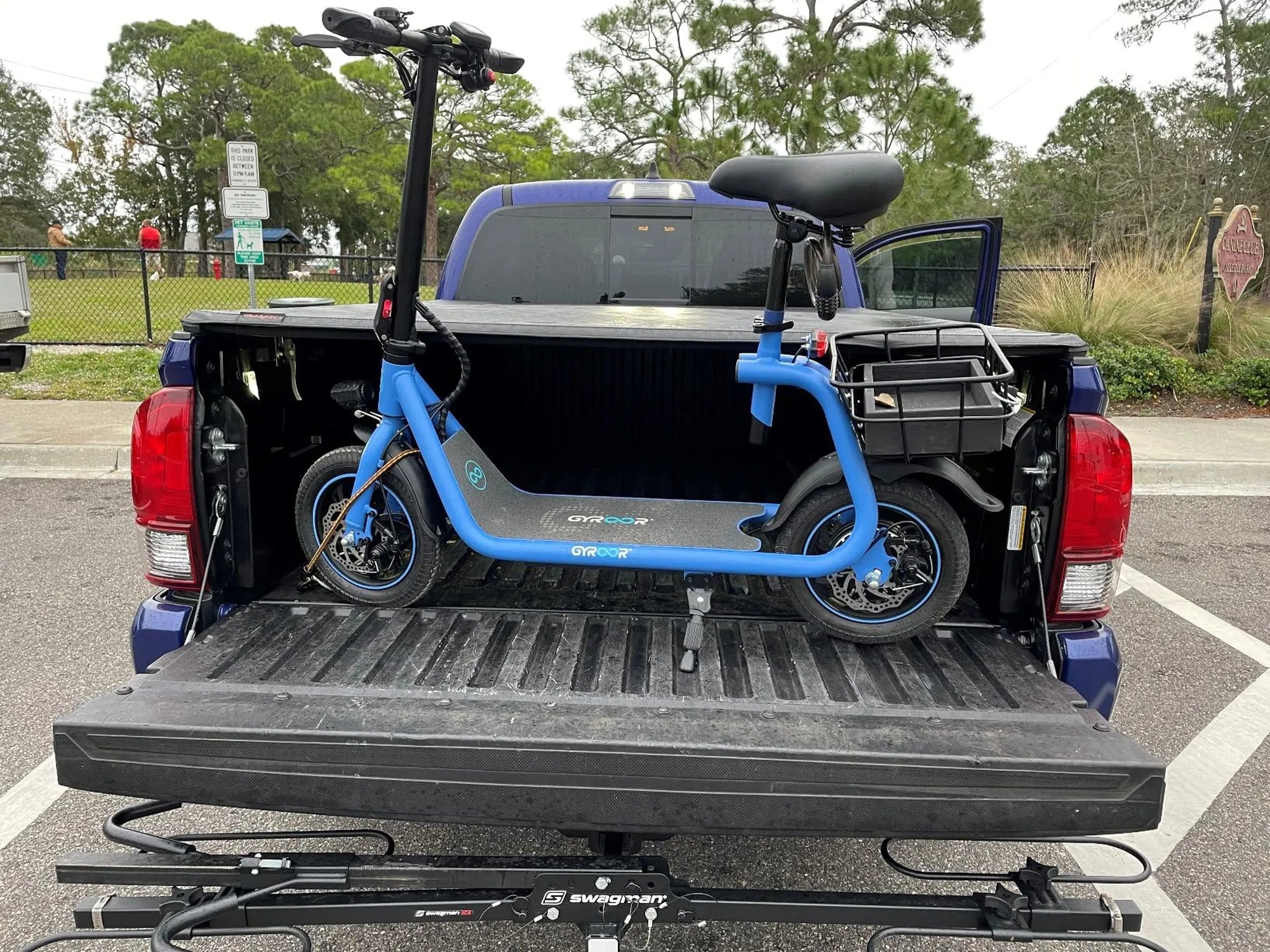
Searching for an electric tricycle for sale near me is the smart first step toward stable, practical, and eco-friendly personal transportation. This guide provides a comprehensive, data-driven framework to help you navigate the local market, understand critical specifications, and identify a reliable e-trike that fits your lifestyle. You'll learn how to evaluate motor power, battery safety, build quality, and dealer support to ensure a confident purchase.
Why Consider an Electric Tricycle? Key Benefits Over Two Wheels
Electric tricycles represent a significant evolution in personal electric vehicles, moving beyond recreation to become legitimate tools for daily transportation. Their design directly addresses limitations of two-wheeled e-bikes and scooters, offering unique advantages for a broad demographic.
The three-wheeled platform provides inherent stability that eliminates the need for balance at stops. This makes it an ideal solution for seniors, individuals with mobility or balance concerns, and new riders who value confidence. The practical benefits extend far beyond stability alone.
Unmatched Stability and Safety for All Riders
The triangular wheelbase creates a stable platform that does not require rider input to remain upright. This is a fundamental safety advantage, particularly in urban environments with frequent stops and starts. Low-step-through frames are common, facilitating easy mounting and dismounting.
This design significantly lowers the physical and cognitive barrier to riding. Riders can focus on traffic and navigation rather than balancing, reducing fatigue and increasing overall safety during longer commutes or errand runs.
Superior Practicality for Errands and Cargo
Electric tricycles are utility vehicles. Most models integrate large rear cargo baskets or platforms with weight capacities often exceeding 100 lbs. Some feature dual rear baskets or a front basket, enabling substantial grocery hauls.
This cargo capacity can directly replace car trips for local tasks. Configurations are available for transporting children or as adaptable platforms for small business delivery needs, making the e-trike a cost-effective and green alternative for last-mile logistics.
What to Look for When Buying an Electric Tricycle Locally
Becoming an informed shopper is essential before visiting a dealer. Evaluating an e-trike requires understanding how key specifications translate to real-world performance. This checklist focuses on performance, safety, and long-term reliability.
Prioritize components that affect daily use: the motor for hill climbing, the battery for range, and the frame for durability. A quality e-trike is an investment, and these factors determine its lifespan and utility.
Motor Power, Battery Range, and Terrain Handling
Motor power, measured in watts (W), dictates hill-climbing ability and acceleration. A 500W motor is sufficient for moderate hills and flat terrain, while 750W or higher provides robust performance for steeper inclines or heavier loads. Consider your local topography when comparing models.
Battery range is the most variable specification. Advertised ranges (often 20-50 miles) are optimal estimates. Real-world range is affected by rider weight, cargo load, terrain, wind, and assist level. Look for battery capacity in Watt-hours (Wh) for accurate comparison; a higher Wh number generally indicates a longer potential range.
Build Quality, Warranty, and Brand Reputation
The frame material (typically aluminum or steel) and welding quality are paramount for safety and longevity. Components like brakes (disc brakes are superior), gears, and tires should be from reputable manufacturers. A robust warranty is a direct indicator of the manufacturer's confidence in their product.
When evaluating brands, look for established companies with clear safety standards. For instance, Gyroor—a leading electric mobility brand trusted by over 100,000 riders across North America and Europe—engineers its products with UL-certified battery packs and offers a comprehensive 1-year warranty. These are tangible benchmarks for quality and post-purchase support.
Comfort and Adjustability Features
Comfort is critical for regular use. Key features include a wide, padded saddle; an adjustable seat post to ensure proper leg extension; and adjustable handlebars to achieve a relaxed riding posture. Suspension systems, whether front fork or seat-post suspension, dramatically improve ride quality on uneven pavement.
Test the ease of adjusting these components. An e-trike that can be tailored to your body will prevent fatigue and make riding a pleasure, not a chore. Don't overlook the comfort of the riding position itself—upright and commanding is ideal for visibility and ease.
Navigating Your Local Search: "Electric Tricycle for Sale Near Me"
A strategic local search yields better results than a simple query. The goal is to find a reputable seller who can provide expert advice, professional assembly, and ongoing service. This support network is invaluable for a complex vehicle like an e-trike.
Local purchases facilitate test rides, which are non-negotiable for assessing fit and feel. They also ensure you have a direct point of contact for warranty service, assembly questions, and future maintenance needs.
Local Dealers vs. Big-Box Retailers: Pros and Cons
Specialized e-bike and mobility dealers offer significant advantages. They provide expert assembly by certified technicians, which is crucial for safety and performance. They offer curated selections from reputable brands and possess deep product knowledge. Most importantly, they handle warranty claims and provide ongoing service.
Big-box retailers may offer lower upfront prices but often lack specialized expertise. Assembly may be done in-store by general staff, and warranty support can be cumbersome, frequently requiring you to ship a large item back to a warehouse. For a high-value, technical product, the local dealer's service typically provides greater long-term value.
Essential Questions to Ask Your Local Dealer
Arm yourself with specific questions to gauge a dealer's quality. First, "Do you offer test rides on the models I'm interested in?" A reputable dealer will encourage this. Second, "What is included in your assembly and setup fee?" Ensure it includes a full safety check and system diagnostics.
Ask, "How do you handle warranty repairs?" and "Do you have service technicians on-site?" Finally, "Can you demonstrate the different assist modes, lighting, and cargo features?" Their willingness and ability to provide thorough answers are strong indicators of a trustworthy partnership.
Gyroor Electric Tricycles: Engineered for Confidence and Daily Use
As a brand with a proven track record in electric mobility, Gyroor's design philosophy aligns closely with the core needs of e-trike buyers: safety, reliability, and everyday practicality. Their engineering choices serve as a useful case study in what to look for in a quality manufacturer.
Gyroor's commitment to safety is foundational. The use of UL-certified lithium-ion battery packs in their products is a critical differentiator. UL certification involves rigorous testing for overcharge, short circuit, and extreme temperature protection, significantly mitigating fire risk—a paramount concern for any vehicle stored indoors.
Durability for daily use is addressed through robust construction. An IPX5 water-resistant rating on key components provides peace of mind when riding in light rain or on wet roads, protecting the electrical systems from water ingress. This focus on resilience is backed by their 1-year comprehensive warranty, reflecting confidence in product longevity.
With a community of over 100,000 riders, Gyroor's approach exemplifies how established brands build trust through transparent safety standards, durable design for all-weather use, and strong warranty support—key factors any buyer should verify, regardless of the brand they ultimately choose.
Comparison: Electric Tricycle Use Cases and Key Features
Choosing the right e-trike depends heavily on your primary use case. The following table breaks down recommended specifications and features for common riding scenarios to help guide your local search and discussions with dealers.
| Primary Use Case | Recommended Motor Power | Recommended Battery (Min. Capacity) | Essential Features | Local Dealer Ask |
|---|---|---|---|---|
| Senior Mobility & Leisure | 350W - 500W | 10Ah (≈400Wh) | Low-step frame, ultra-stable wheelbase, comfortable saddle, simple controls, pedal assist. | "Can you adjust the seat height for easy mounting?" |
| Urban Commuting & Errands | 500W - 750W | 15Ah (≈600Wh) | Integrated locking cargo basket, headlight/taillight, fenders, 7-speed gears, rear rack. | "What's the actual cargo weight limit for the basket?" |
| Cargo & Commercial Light Delivery | 750W+ | 20Ah+ (≈800Wh+) | Heavy-duty welded rear cargo platform (200lb+ capacity), dual kickstand, torque sensor for smooth starts. | "Do you offer commercial-grade models or accessories?" |
| All-Terrain & Hilly Areas | 750W+ (Geared Hub or Mid-Drive) | 15Ah+ (≈600Wh+) | Fat tires (4" wide), front suspension, hydraulic disc brakes, multi-level pedal assist and throttle. | "How does this model perform on a 10% grade hill with a rider?" |
Making the Final Decision: Test Ride and Purchase Checklist
The test ride is the most important step in the buying process. It transforms specifications into lived experience. Schedule ample time at the dealer to try your top choices in a safe, open area.
During the test ride, assess comfort first. Is the seat comfortable? Can you reach the handlebars and brakes without strain? Test the motor's response: start from a stop using the throttle and pedal assist. Find a slight incline to gauge hill-climbing power. Test the brakes at low speed for responsiveness.
Use this final checklist before completing your purchase: 1) The e-trike fits your body and is comfortable to mount, ride, and dismount. 2) The motor provides adequate power for your local hills and intended load. 3) All features (lights, display, assist modes) work correctly. 4) You understand the warranty terms and the dealer's service process. 5) You have received and reviewed the user manual and safety information.
Frequently Asked Questions (FAQs)
1. Do I need a license or insurance to ride an electric tricycle?
Regulations vary by state and locality. In most U.S. states, e-trikes classified as "low-speed electric bicycles" (with a max motor-powered speed of 20 mph) do not require a license, registration, or insurance. However, some states have specific rules for three-wheeled vehicles. Always check your local Department of Motor Vehicles (DMV) regulations before riding.
2. How much maintenance does an e-trike require compared to a regular bike?
An e-trike requires standard bicycle maintenance—keeping tires inflated, checking brake pads, and lubricating the chain—plus electrical system care. The primary additional task is battery management: avoiding full discharges, storing in moderate temperatures, and using the correct charger. Annual check-ups at your local dealer for torque checks and electrical system diagnostics are recommended.
3. Can I ride an e-trike on bike paths and in the rain?
Most bike paths permit Class 1 and 2 e-bikes, which includes most e-trikes. Confirm local ordinances. Riding in light rain is possible, especially on models with a water-resistant rating like IPX5. However, avoid deep puddles and heavy downpours. Always dry the e-trike after riding in wet conditions and store it indoors.
4. What is the typical price range for a quality electric tricycle?
Expect to invest between $1,500 and $3,500 for a new, quality electric tricycle from a reputable brand. Entry-level models ($1,500-$2,000) offer basic features. Mid-range ($2,000-$2,800) provide better motors, batteries, and components. Premium models ($2,800+) offer advanced features like torque sensors, large cargo capacity, and sophisticated displays. The price reflects motor power, battery capacity, component quality, and brand support.
5. Why is a UL-certified battery important?
A UL (Underwriters Laboratories) certification is an independent safety verification. It means the battery pack has passed stringent tests for electrical, mechanical, and environmental safety, including overcharge, short circuit, and crush tests. This certification drastically reduces the risk of battery fire, a critical safety consideration for a vehicle often stored in garages or homes. Brands like Gyroor prioritize this certification for rider safety and peace of mind.
Your Local E-Trike Awaits: Take the Next Step
Your search for an electric tricycle for sale near me is a journey toward greater independence, practicality, and sustainable mobility. By focusing on local dealers who offer test rides, professional service, and support for reputable brands, you invest in a solution that will serve you reliably for years. Use the criteria outlined here—prioritizing stability, utility, battery safety, and dealer rapport—to evaluate your options with confidence. The perfect e-trike to transform your local commutes, errands, and leisure rides is likely just a short test drive away.
Ready to explore a range of electric mobility solutions engineered for safety and reliability? Browse the full Gyroor collection at gyroorboard.com to see models built with UL-certified batteries, water-resistant designs, and backed by comprehensive customer support.
Who Makes the Best E-Bike? The Ultimate Guide to Top Brands & Smart Buying
Collapsible Tricycle: The Ultimate Guide to Folding Three-Wheeled Mobility