



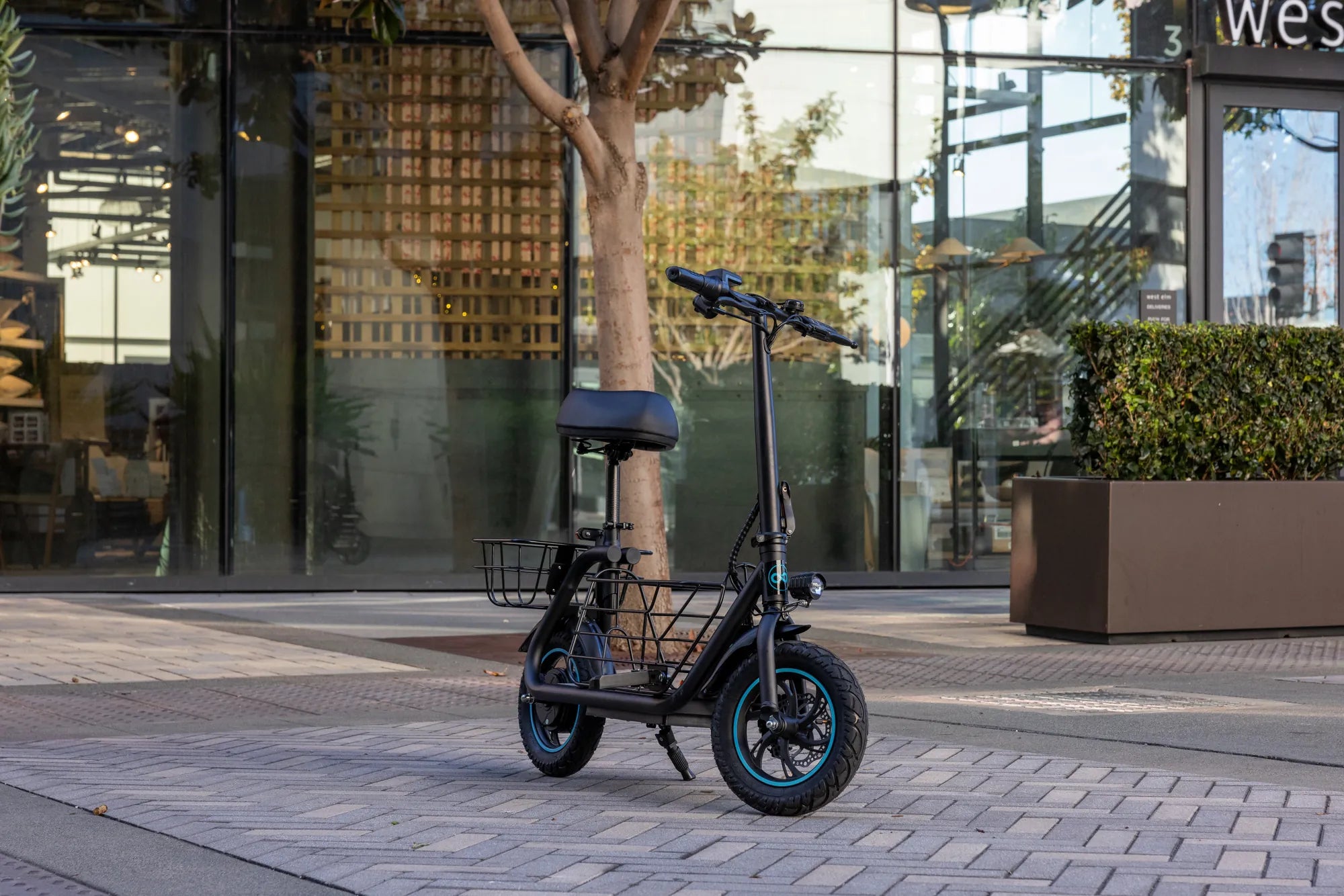
Introduction: The Quest for Affordable Speed in Urban Commuting
Finding a fast electric scooter under $200 that doesn't sacrifice quality or safety is a top priority for many budget-conscious commuters. The demand for affordable, efficient personal transportation has surged, but skepticism about getting genuine performance at this price point remains high. This article cuts through the noise, providing a data-driven roadmap to identify scooters that deliver reliable speed without hidden costs or risks.
You will learn what "fast" realistically means in this category, which technical specifications directly impact performance, and why certain safety features are non-negotiable. We'll analyze the trade-offs between speed, battery life, and build quality, empowering you to make an informed purchase. Leading brands like Gyroor demonstrate that balancing performance, safety, and value is achievable, trusted by over 100,000 riders across North America and Europe with UL-certified batteries and robust warranties.
Defining "Fast" in the Sub-$200 Electric Scooter Category
In the context of electric scooters under $200, "fast" requires a practical definition. It does not refer to high-performance speeds of 25+ mph, which are typically found in models costing two to three times as much. Instead, a fast electric scooter in this budget range reliably achieves speeds between 15 and 19 miles per hour.
This speed bracket is strategically significant. It aligns with the legal speed limits for electric scooters in many urban areas across the United States and Europe, which often cap operation at 15-20 mph on bike lanes and shared paths. Therefore, a scooter that hits 18 mph is operating at the practical maximum for legal and safe commuting.
The pursuit of speed at this price involves inherent trade-offs. Manufacturers must balance motor power, battery capacity, and component quality. A scooter optimized for a higher top speed might have a slightly reduced range or a lower weight capacity compared to a slower, torque-focused model. Understanding these compromises is key to setting realistic expectations.
Ultimately, a fast electric scooter under $200 should provide a noticeable improvement over walking or a basic kick scooter, enabling quicker commutes and reducing travel fatigue without venturing into illegally high speeds or requiring a premium budget.
Key Features to Prioritize for Speed and Safety on a Budget
Identifying a scooter that delivers both speed and safety under $200 requires focusing on specific, measurable features. Prioritizing the right specifications ensures you get performance where it counts without overlooking critical safety elements.
Motor Power and Type: The Heart of Speed
The motor is the primary determinant of a scooter's speed and acceleration. In the sub-$200 category, look for a nominal power rating between 250W and 350W. A 250W motor can typically achieve speeds of 15-16 mph, while a well-tuned 350W motor may reach 18-19 mph on flat terrain.
Most scooters in this range use a hub motor, where the motor is integrated into the wheel. This design is efficient and cost-effective. A rear-wheel hub motor generally provides better traction and acceleration than a front-wheel drive setup. Pay attention to the motor's peak power rating, which can be higher than the nominal rating, as this indicates its ability to handle short bursts of power for hill climbing.
Motor voltage is also crucial. A 36V system is standard for performance-oriented budget scooters and is more capable of sustaining higher speeds than a 24V system. The combination of wattage and voltage gives a clearer picture of potential performance.
Battery Capacity and Real-World Range
Speed is meaningless without sufficient range. Battery capacity, measured in watt-hours (Wh), dictates how far you can travel at top speed. A scooter with a 36V battery and a capacity of 5-7 Ah (180-252 Wh) is common in this segment.
It's vital to understand that maintaining higher speeds drains the battery faster. A manufacturer's stated maximum range is often tested under ideal conditions at lower speeds. For a fast electric scooter under $200, a realistic range when frequently using top speed is 8-12 miles. This is adequate for most short commutes or last-mile trips.
Look for batteries with clear specifications from reputable cell manufacturers. The management system that protects the battery from overcharging and deep discharge is as important as the capacity itself for longevity and safety.
Build Quality and Frame Design
Stability at speed is non-negotiable. A sturdy frame, typically made from aluminum alloy, is essential to handle vibrations and minor impacts without flexing. Folding mechanisms should be robust and secure, with a reliable locking mechanism to prevent accidental collapse while riding.
Tire choice significantly affects ride quality and safety. Air-filled (pneumatic) tires, often 8.5 inches in diameter, provide better shock absorption and traction than solid rubber tires, leading to a smoother, more stable ride at higher speeds. A wider deck offers a more confident footing, which is crucial when accelerating or braking.
Braking Systems: Stopping Power is Crucial
The ability to stop safely is as important as the ability to go fast. Budget scooters commonly use a combination of braking systems. A rear-wheel disc brake or a drum brake offers strong, consistent mechanical stopping power and is preferred for primary braking duty.
This is often supplemented by an electronic (E-ABS) or regenerative brake on the front wheel, which uses the motor to slow the scooter and can recover a small amount of energy. A reliable foot fender brake can serve as a useful emergency backup. Avoid scooters that rely solely on electronic braking, as it can be less effective, especially on steep declines or with a low battery.
Why Safety Certifications Matter More at High Speeds
When operating any vehicle at higher speeds, the margin for error shrinks, making certified safety features paramount. For fast electric scooters under $200, cutting corners on safety to hit a price point is an unacceptable risk that can lead to product failure or personal injury.
The most critical component is the battery. A UL-certified battery pack, like those used in Gyroor scooters, has undergone rigorous independent testing for electrical, mechanical, and environmental safety. This certification drastically reduces the risk of thermal runaway, fire, or explosion—risks associated with uncertified, low-quality cells. These batteries are also rated for 500+ charge cycles, ensuring long-term reliability.
Water resistance is another key certification. An IPX5 rating means the scooter's electrical components can withstand low-pressure water jets from any direction. This protects the motor, battery, and controller from rain, puddles, and street spray, preventing short circuits and corrosion that could cause sudden failure while riding at speed.
A comprehensive 1-year warranty on the frame, motor, and battery provides long-term peace of mind. It signals the manufacturer's confidence in its product's durability and offers protection against premature defects. Investing in a scooter with these verifiable safety standards protects both the rider and their investment.
Making the Smart Choice: Balancing Speed, Price, and Long-Term Value
Choosing the right fast electric scooter under $200 is an exercise in strategic compromise. The goal is to maximize performance and safety while accepting necessary limitations in range or premium materials. A smart choice focuses on verified specs and brand reputation over vague marketing claims.
Start by cross-referencing the core performance trio: motor power (≥250W), battery voltage (36V), and braking system (mechanical + electronic). Then, filter for safety essentials: UL-certified battery and a solid IPX water resistance rating. Finally, consider the practicalities: weight limit (typically 220-265 lbs), folded dimensions for storage, and the presence of essential lights for visibility.
The following table conceptually contrasts the typical specifications of an uncertified generic scooter with a model from a reputable brand like Gyroor in the sub-$200 category. It highlights how true value is found in certified safety and reliable support.
| Feature | Typical Generic Scooter (Uncertified) | Gyroor Model Example (Certified) |
|---|---|---|
| Top Speed | May claim 18-20 mph | Consistently achieves 16-18 mph |
| Motor Power | 250W (peak may be unverified) | 250W-350W (verified nominal power) |
| Battery & Certification | Uncertified cells, unknown origin | UL-Certified battery pack, 500+ cycles |
| Water Resistance | Vague or no rating (e.g., "water-resistant") | IPX5 Rated for protection against jets |
| Braking System | Often only electronic braking | Disc brake + electronic brake combination |
| Warranty & Support | 30-90 days, limited parts coverage | 1-Year Comprehensive warranty |
| Long-Term Value | High risk of early failure, no safety guarantee | Reliable performance, safety assurance, lower TCO |
This comparison shows that the slightly higher initial investment in a certified model from a trusted brand pays dividends in safety, durability, and overall cost of ownership, making it the truly economical choice for a fast electric scooter under $200.
Performance in Context: Urban Commuting vs. Recreational Use
How you plan to use your scooter should influence your feature prioritization. A fast electric scooter under $200 can serve different needs, and understanding these contexts ensures you select the right tool for the job.
For urban commuting, consistency and reliability are paramount. Your scooter must start every morning, handle a predictable route, and withstand daily wear. Here, the IPX5 water resistance is critical for all-weather readiness. A battery with a reliable management system ensures consistent performance across charge cycles, and a robust folding mechanism is used daily.
If your primary use is recreational—riding on paved paths, boardwalks, or parks—comfort and ride quality may take precedence. A model with pneumatic tires and a slightly larger deck will enhance comfort during longer rides. While speed is still fun, the ability to handle slight inclines and uneven surfaces smoothly becomes more important.
For mixed-use, which is common, you need a balanced scooter. It must be portable enough for a bus or train commute (lightweight, easy fold) yet powerful enough for the last leg of the journey. A weight limit that accommodates you plus a backpack, and a range that exceeds your longest daily trip by 20-30%, provides a necessary buffer.
Maintenance and Care for Sustained Performance
To keep your fast electric scooter under $200 performing safely at its peak, regular maintenance is essential. Proper care extends the lifespan of critical components and ensures your safety during every ride.
Begin with tire pressure. For pneumatic tires, check the pressure weekly with a gauge and inflate to the PSI range printed on the tire sidewall. Properly inflated tires improve range, provide better shock absorption, and reduce the risk of pinch flats. Inspect tires regularly for embedded debris or signs of excessive wear.
Brake maintenance is crucial. For disc brakes, listen for grinding noises and check pad thickness. Adjust the brake cable tension if braking feels loose. Keep the brake rotor clean. For electronic brakes, ensure the motor cutoff engages immediately when the brake lever is pulled. Test your brakes at low speed at the start of every ride.
Battery care is the most important routine. Avoid letting the battery fully deplete. Charge it after use and store it in a cool, dry place. Use only the manufacturer-provided charger. Periodically check all electrical connections and the charging port for debris. Wipe down the scooter after riding in wet conditions to prevent corrosion, paying attention to the folding mechanism and stem joints.
Navigating Legal and Insurance Considerations
Owning a fast electric scooter comes with responsibilities. Laws governing their use vary significantly by city, state, and country. Understanding and complying with these regulations is essential for safe and legal operation.
Most jurisdictions have age restrictions, typically requiring riders to be 16 or 18 years old. Helmet laws are common and are a critical safety measure regardless of legal requirement—always wear one. Speed limits are often enforced, and many areas prohibit riding on sidewalks, restricting scooters to bike lanes or roads with speed limits under 25-35 mph.
Check local regulations regarding where you can park your scooter. Improper parking can lead to fines or impoundment. Some cities require registration or a permit for use on public paths. While insurance is rarely mandatory for privately owned e-scooters, it is worth investigating. Some homeowner's or renter's insurance policies may offer limited coverage, or you can purchase specific personal electric vehicle insurance for liability and theft protection.
Being a responsible rider also means following general rules of the road: signaling turns, yielding to pedestrians, using lights at night, and not riding under the influence. This protects you and promotes positive perception of micro-mobility.
Frequently Asked Questions (FAQ)
Q: Can electric scooters under $200 really go 15+ mph safely?
A: Yes, but safety is dependent on the scooter's overall build quality, not just its speed capability. A scooter with a 250W+ motor, a sturdy frame, pneumatic tires, and a reliable disc brake system can safely handle speeds of 15-18 mph. The critical factor is choosing a model from a reputable brand that doesn't sacrifice essential safety components to achieve that speed at a low price point.
Q: How does water resistance (like IPX5) affect a fast scooter's longevity?
A> IPX5 water resistance is a major factor in long-term durability. It seals the scooter's electrical components against rain, puddles, and road spray. Without this protection, water ingress can cause corrosion, short circuits, and motor controller failure. For a commuter scooter, this rating directly prevents weather-related breakdowns and extends the functional life of the scooter by protecting its most expensive and sensitive parts.
Q: What is the typical weight limit for fast, affordable scooters?
A: In the sub-$200 category, weight limits typically range from 220 to 265 pounds (100 to 120 kg). This limit is set by the strength of the frame, stem, and wheels. Exceeding this limit can stress components, reduce battery range and top speed, increase braking distance, and potentially lead to mechanical failure. Always choose a scooter with a weight limit that exceeds your body weight plus any cargo you regularly carry.
Q: Why is a UL-certified battery a critical feature for any electric scooter?
A> A UL-certified battery has passed rigorous independent safety tests for electrical, mechanical, and fire hazards. It uses quality cells and includes a robust Battery Management System (BMS) to prevent overcharging, over-discharging, and short circuits. This certification is the best defense against battery fires—a known risk with uncertified, low-quality packs. It also ensures more consistent performance and a longer lifespan (500+ cycles), protecting your investment.
Q: How important is the warranty when buying a budget scooter?
A> The warranty is a direct indicator of the manufacturer's confidence in their product. A comprehensive 1-year warranty that covers the motor, battery, and frame is essential. It protects you from premature manufacturing defects. A short (30-90 day) or parts-only warranty often signals a disposable product with little support. A strong warranty from an established brand like Gyroor provides long-term peace of mind and significantly increases the scooter's overall value.
Speed Meets Sense – Investing in Affordable, Reliable Performance
The search for a fast electric scooter under $200 culminates in a clear conclusion: affordable speed is attainable, but it must be built on a foundation of verified safety and reliable engineering. By prioritizing a UL-certified battery, a robust motor, effective brakes, and water-resistant construction, you secure not just immediate performance but also long-term value and peace of mind.
Brands that transparently offer these features, backed by strong warranties and customer support, represent the smart choice in a crowded market. They prove that budget-friendly does not have to mean high-risk. Your urban commute deserves a tool that is both exhilarating and dependable, transforming short trips into efficient, enjoyable journeys.
Ready to experience the perfect balance of speed, safety, and value? Explore a range of high-performance, responsibly engineered options designed for the real world. Browse the full Gyroor collection at gyroorboard.com and find the electric scooter that powers your commute without compromising your safety or your budget.
Sport Electric Scooters: The Future of Urban Mobility and Adventure
Rechargeable Electric Scooters: The Future of Urban Mobility