



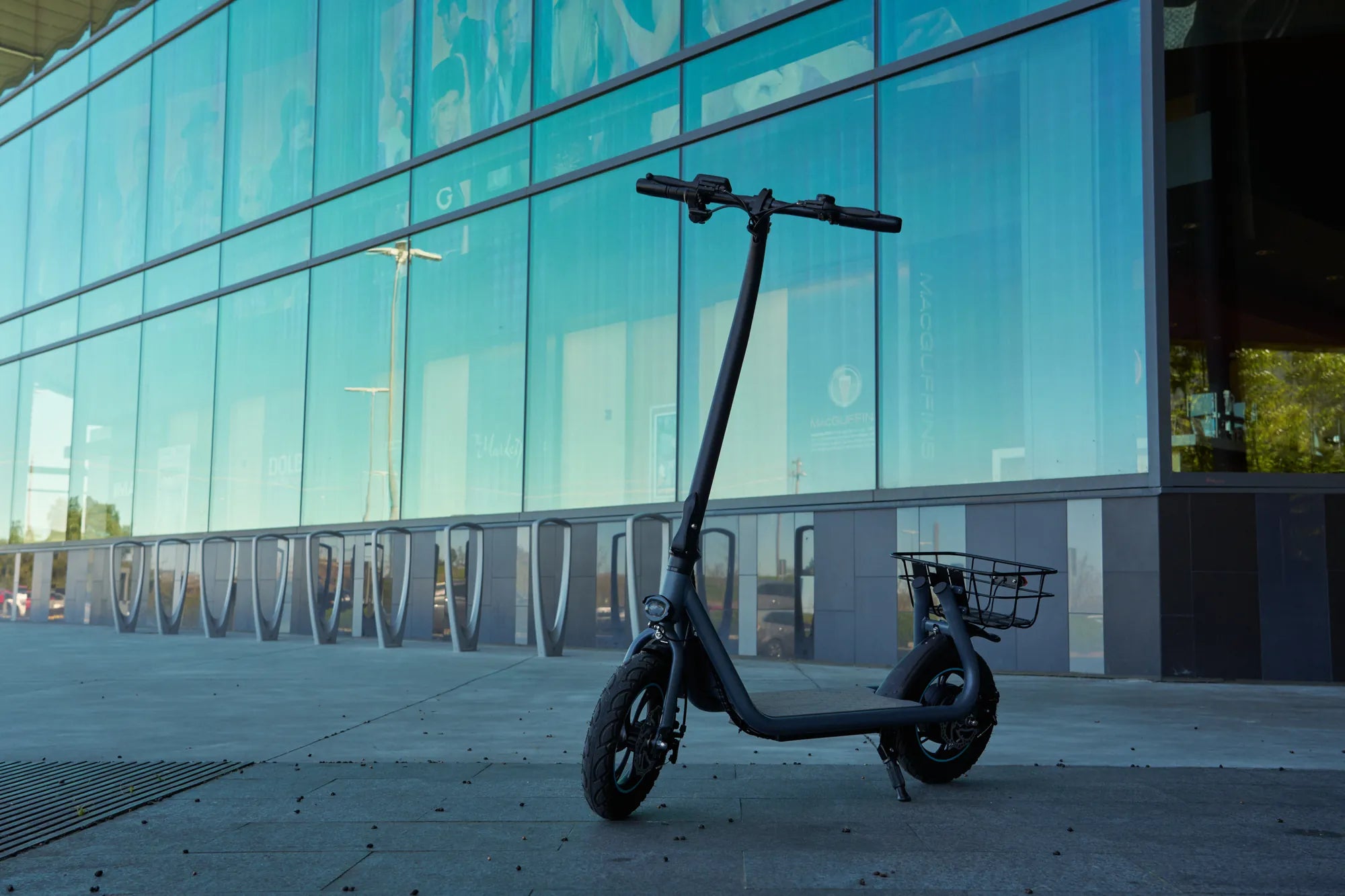
Introduction: Defining the Need for Speed on a Budget
The search for a fast electric scooter under $500 is more than a quest for a cheap ride; it's a demand for efficient, liberating urban mobility that doesn't require a major financial commitment. Riders want to bridge the gap between cost and capability, seeking scooters that offer a thrilling pace for commuting or recreation without the premium price tag. This guide is dedicated to navigating that precise market segment, where value engineering and smart design converge.
We will dissect what "fast" truly means in this affordable category, moving beyond marketing claims to examine real-world performance. The goal is to empower you with the knowledge to identify scooters that deliver sustained speed, reliability, and safety, rather than just a high top speed number on a box. It's about finding a machine built to last, not just to sprint once.
As a leader in personal electric transport, Gyroor is committed to this principle. We engineer our models, like those in our value-focused series, to provide UL-certified safety, robust performance, and dependable water resistance—all within an accessible budget. This article will serve as your comprehensive roadmap to understanding and selecting the best fast electric scooters under $500 for your needs.
What "Fast" Really Means for Sub-$500 Electric Scooters
In the sub-$500 category, "fast" requires a realistic and nuanced definition. While you won't find racing-grade performance, you can absolutely achieve swift, practical urban travel. Typically, a genuinely fast scooter in this range will have a top speed between 15 and 20 miles per hour. This speed is sufficient to keep pace with city traffic on slower streets, significantly reduce commute times, and provide an enjoyable, breezy riding experience.
Key metrics define this performance. Motor power, usually between 250W and 350W (nominal), is the primary engine for acceleration and hill-climbing ability. Battery voltage, commonly 36V, determines how efficiently that power is delivered. Perhaps most importantly, the scooter's build quality dictates whether it can maintain that speed comfortably and safely over bumps, minor inclines, and through longer rides without performance sag.
Real-world speed is also heavily influenced by variables like rider weight, terrain, tire pressure, and even ambient temperature. A scooter advertised at 19 mph for a 165 lb rider on flat ground may only achieve 15 mph for a heavier rider on a slight incline. Understanding these factors helps set accurate expectations and highlights why durable construction is as important as the motor's wattage.
Balancing Speed with Safety and Build Quality
Pursuing speed without a foundation of safety is a dangerous compromise. A scooter that can hit 20 mph but has a flimsy frame, inadequate brakes, or an uncertified battery is not a performance vehicle; it's a liability. True value in this price bracket comes from a balanced design where speed is a feature of a safe and reliable system.
This is where brand philosophy matters. Gyroor prioritizes this balance by integrating UL-certified battery packs, which undergo rigorous testing for stability and fire prevention, into models designed for affordable speed. A robust aluminum alloy frame, reliable braking systems, and proper water sealing ensure that the scooter remains stable and controllable at its top speed, in various conditions.
Contrast this with some generic alternatives that may advertise exaggerated speeds by using peak motor power figures or untested battery cells. These scooters often suffer from rapid voltage drop, leading to a significant loss of speed after just a few minutes, or worse, pose safety risks. Therefore, evaluating a scooter's safety certifications and build materials is the first step in assessing its true performance potential.
Key Features to Prioritize for Speed and Reliability
To cut through the noise and identify a scooter that delivers on its promises, you must focus on a few critical specifications. These features are the pillars of performance and longevity in the sub-$500 category, separating worthwhile investments from disappointing purchases.
First, examine the motor and battery system as a combined unit. Second, assess the physical construction that keeps you stable. Third, verify the electronic and safety features that protect both you and the scooter. Prioritizing these areas will lead you to a scooter that offers not just a fast first ride, but consistent performance over time.
Motor Type and Power: The Heart of Acceleration
The motor is the scooter's engine. In this price range, you'll almost exclusively find rear-wheel hub motors for their simplicity and efficiency. Pay close attention to the difference between "nominal" and "peak" power. A 350W nominal motor from a reputable brand will provide more consistent, real-world acceleration and hill-climbing torque than a generic scooter claiming a "500W peak" output that it can only sustain for seconds.
Motor power directly influences acceleration and gradeability. A 350W motor, like those used in Gyroor's performance-focused budget models, is capable of propelling most adult riders to a top speed of 18-19 mph and tackling moderate inclines with a manageable reduction in speed. This power level represents the sweet spot for the category, balancing energy consumption with thrilling performance.
Battery Capacity and Management: Sustaining the Pace
The battery is the fuel tank. Its capacity, measured in Watt-hours (Wh) or often listed as Voltage (V) and Amp-hours (Ah), determines your range and, crucially, your ability to maintain top speed. A larger battery (e.g., 36V 7.5Ah vs. 36V 5Ah) will have less voltage sag under load, meaning the scooter can hold its maximum speed for a longer portion of your ride, especially on hills.
Beyond capacity, battery management system (BMS) quality and certification are paramount. A UL-certified battery pack, as used in all Gyroor scooters, ensures the cells are high-quality, the BMS protects against overcharging, overheating, and short circuits, and the entire pack is built to last for hundreds of charge cycles with minimal degradation. This certification is the single most important indicator of a safe and reliable scooter.
Build and Design: Stability at Speed
Speed feels unsafe on a wobbly frame. Look for a deck and stem constructed from aerospace-grade aluminum alloy, which offers an excellent strength-to-weight ratio. The folding mechanism should be solid and secure, with no play or rattling when locked in the riding position. Wheel size and type matter too; 8.5-inch pneumatic (air-filled) tires provide a better balance of shock absorption and rolling efficiency than smaller solid tires.
Braking is non-negotiable. A combination braking system is ideal. For example, an electronic (e-brake) or disc brake on the rear wheel combined with a fender or regenerative brake on the front provides confident stopping power. Finally, a clear, bright headlight and an audible bell or horn are essential for safe riding in low-light conditions and alerting pedestrians.
The Gyroor Advantage: How We Deliver Value Under $500
Gyroor achieves its position in the affordable performance market through strategic engineering and an unwavering commitment to core safety principles. Instead of chasing the highest wattage number for marketing, we optimize entire systems—motor, battery, BMS, frame—to work in harmony. This systems approach delivers a riding experience that is consistently zippy, reliable, and, above all, secure.
Our value proposition hinges on three pillars that are often compromised in truly budget-oriented scooters: certified battery safety, meaningful weather protection, and substantial customer support. By holding these features as non-negotiable, we ensure that every Gyroor scooter, including our most affordable models, represents a smart long-term investment in personal mobility.
UL-Certified Battery: Safe Power You Can Trust
The UL 2271 certification is not just a sticker; it's the result of passing a battery of extreme tests for electrical, mechanical, and environmental safety. Gyroor exclusively uses UL-certified battery packs, which means each cell and the entire pack assembly has been rigorously evaluated for fire and shock risk. This directly translates to peace of mind when charging at home or pushing the scooter to its performance limits.
This commitment to safety also has a performance benefit. Certified batteries use higher-quality cells with better energy density and more consistent discharge curves. This means the scooter's acceleration feels smoother and the top speed is more sustainable, as the battery management system intelligently allocates power without risking damage to the cells. It's the foundation of both safety and sustained performance.
IPX5 Water Resistance: Ready for Real-World Commuting
An IPX5 rating signifies a scooter is protected against water jets from any direction. In practical terms, this means you can confidently ride through puddles, in light rain, or on damp roads without immediate fear of damaging the scooter's vital electronics. For a commuter vehicle, this level of protection is essential, as perfect weather cannot be guaranteed.
Many budget scooters claim to be "waterproof" without a standardized rating, leaving riders vulnerable. Gyroor's IPX5 design involves sealed cable connectors, gaskets at critical junctions, and protective casings for the battery and control units. This engineering extends the scooter's lifespan by preventing corrosion and short circuits from everyday moisture exposure, ensuring your investment is protected from the elements.
Warranty and Support: Protecting Your Investment
True affordability is measured over the lifetime of the product. Gyroor backs its fast electric scooters under $500 with a comprehensive 1-year warranty covering the frame, motor, battery, and controller. This warranty is a testament to our confidence in the durability and quality of our components. It transforms the purchase from a risky gamble into a secure transaction.
Supported by our team servicing over 100,000 riders across North America and Europe, customers have access to knowledgeable support for troubleshooting and genuine replacement parts. This ecosystem of support ensures that your scooter remains a functional and fast companion for years, maximizing your return on investment and minimizing long-term ownership costs.
Making the Smart Choice: Performance vs. Price Checklist
Use this actionable checklist to evaluate any scooter in the sub-$500 category. It focuses on verifiable features that directly impact speed, safety, and longevity. If a product listing is vague on these points, consider it a red flag.
- Motor Power: Seek a minimum of 300W nominal power (350W is ideal). Verify if the listed wattage is nominal or peak.
- Battery Certification: Must be UL 2271 certified. Do not compromise. This is your primary safety feature.
- Top Speed: Look for a realistic claim of 16-20 mph. Be skeptical of claims over 22 mph in this price range.
- Water Resistance: An IPX4 or IPX5 rating is highly recommended for all-weather usability.
- Braking System: Prefer a dual-brake system (e.g., disc + electronic or regen + fender).
- Warranty: A minimum 1-year comprehensive warranty indicates manufacturer confidence.
- Tires: 8.5-inch pneumatic tires offer the best ride quality and stability at speed.
To visualize the difference between a value-engineered scooter and a generic one, consider this comparison:
| Feature | Gyroor Standard (Value Model) | Generic Brand Typical Claim |
|---|---|---|
| Top Speed | 19 mph (tested) | "25+ mph" (peak, untested) |
| Motor Power | 350W Nominal | "500W" (Peak/Unspecified) |
| Battery Certification | UL 2271 Certified | "CE Certified" (Less stringent for batteries) |
| Water Resistance | IPX5 Rated | "Waterproof" (No official rating) |
| Warranty | 1 Year Comprehensive | 6 Months / Limited |
| Frame Build | Aerospace Aluminum Alloy | "Durable Metal" |
Frequently Asked Questions (FAQ)
Can a sub-$500 scooter really handle hills?
Yes, but with clear expectations. A scooter with a 350W motor and a 36V battery can handle moderate hills (inclines of around 10-15%) with a reduction in speed. The rider's weight is a major factor. For consistent hill-climbing ability, look for a combination of sufficient motor torque (indicated by nominal wattage) and a high-quality battery that resists voltage sag under load. Gyroor models are engineered to manage these inclines reliably, though steep, sustained hills will always be a challenge for single-motor commuter scooters in this class.
How does water resistance affect performance and longevity?
Water resistance directly protects the scooter's electrical components—the controller, battery connections, and motor wiring—from corrosion and short circuits caused by moisture ingress. An IPX5-rated scooter like those from Gyroor is shielded from rain and road spray, meaning its internal components stay dry and functional. This prevents intermittent electrical issues, maintains consistent performance (no sudden power cuts), and significantly extends the operational life of the scooter by preventing rust and component failure.
What's the true cost of ownership beyond the purchase price?
The total cost includes maintenance and potential part replacements. Key items are:
Tires: Pneumatic tires may need inflation checks and eventual replacement after hundreds of miles.
Brake Pads: Disc or friction brake pads wear down and need replacing.
Battery: After 2-3 years of daily use, battery capacity will diminish. Replacing with a genuine, UL-certified battery (not a generic one) is crucial for safety and performance.
A strong warranty mitigates early repair costs. Choosing a brand like Gyroor with accessible support and OEM parts ensures you can maintain your scooter properly without exorbitant expense or compatibility issues.
How important is wheel size for a fast, comfortable ride?
Very important. Larger wheels (8.5 inches or more) roll over cracks, bumps, and small debris more easily than smaller wheels (6-8 inches). This improves stability at higher speeds and provides better shock absorption, leading to a more comfortable and controlled ride. Pneumatic (air-filled) tires further enhance comfort and traction compared to solid rubber tires, which can feel jarring and offer less grip, especially on wet surfaces, potentially compromising safety at speed.
Is it safe to charge the battery overnight?
While modern scooters with quality Battery Management Systems (BMS) are designed to stop charging when full ("trickle charge" prevention), best practice is to avoid unattended charging for extended periods. The safest practice is to charge in a clear, non-flammable area while you are awake and nearby. This is a universal safety precaution for all lithium-ion batteries. The use of a UL-certified battery and charger, like those from Gyroor, dramatically reduces any inherent risk, but vigilance is always recommended.
Conclusion: Speed, Savings, and Smart Engineering
Finding a fast electric scooter under $500 is an achievable goal, but it requires a focus on integrated engineering over isolated specs. The thrill of acceleration and the convenience of quick urban travel must be built upon the non-negotiable foundations of battery safety, structural integrity, and weather-ready durability. By prioritizing UL-certification, realistic motor power, and a robust warranty, you invest in a vehicle designed for lasting performance.
Gyroor embodies this philosophy, delivering models that balance affordable speed with the peace of mind that comes from certified components and reliable support. The true value of a scooter is realized over thousands of safe, enjoyable miles, not just in its initial price point. Choose a partner that engineers for the long ride.
Ready to experience affordable speed without compromise? Browse the full Gyroor collection at gyroorboard.com to find the perfect model that matches your need for pace, range, and unwavering reliability.
Electric Scooters Vietnam: The Future of Urban Mobility
Are Electric Scooters Legal in Germany? A Complete Guide