



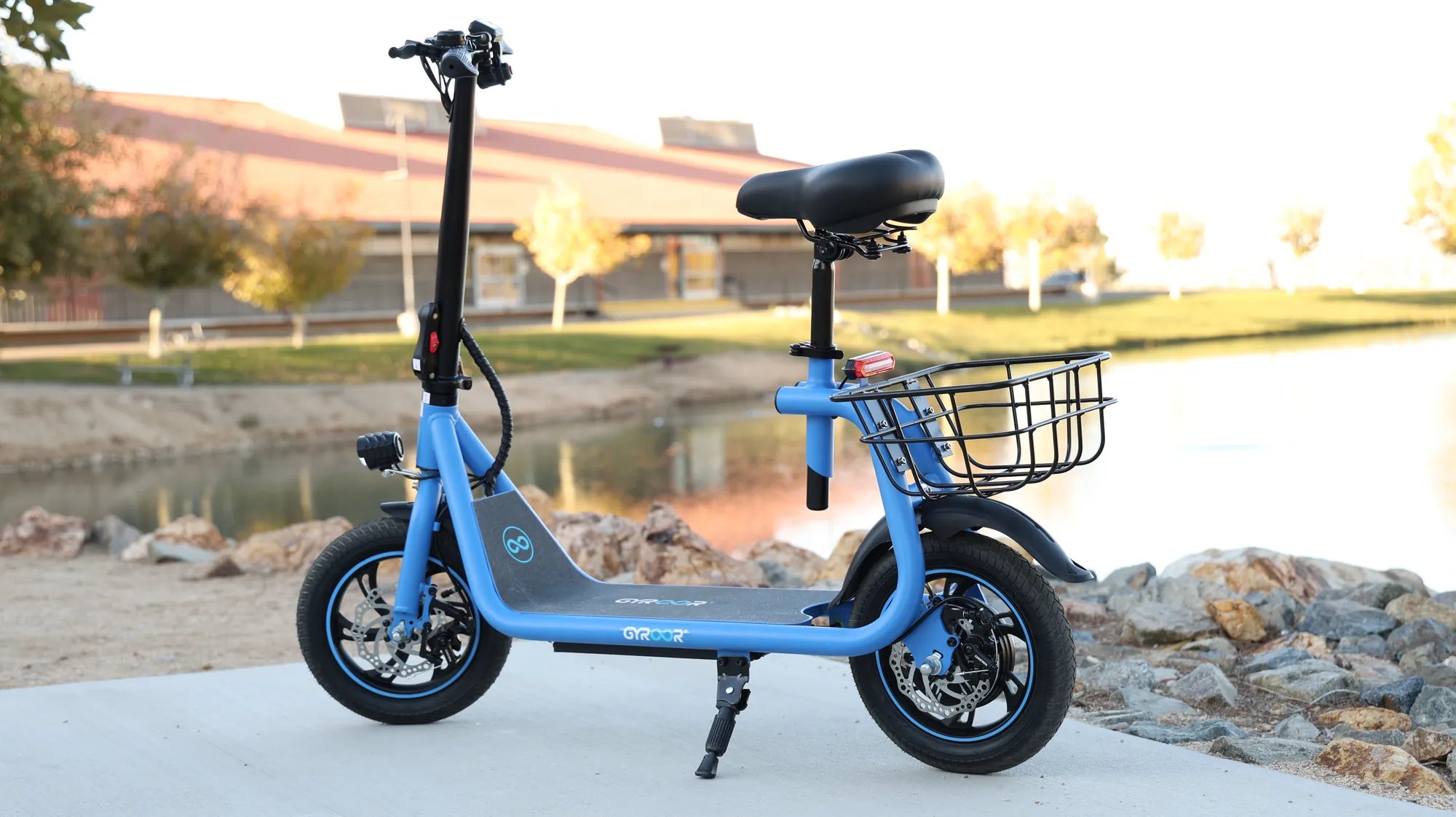
Introduction to 49cc Scooters and the Quest for Speed
For urban commuters and new riders, the 49cc scooter represents a gateway to efficient, accessible personal transport. Defined by its engine displacement of 49 cubic centimeters, this class is often street-legal without requiring a full motorcycle license in many regions, making it immensely popular. However, within this regulated category lies a common and passionate pursuit: finding the fastest 49cc scooter possible. This article is a data-driven guide to that quest, examining what defines top speed in this class, comparing legacy gas models, and ultimately presenting a modern, high-performance alternative that redefines urban mobility.
Readers will learn the technical factors that limit 49cc scooter performance, from factory restrictions to legal caps. We will analyze models historically known for strong performance and provide a clear framework for comparing them. Most importantly, we will explore how advanced electric scooters, like those from Gyroor, offer a compelling solution that surpasses traditional 49cc limitations in acceleration, reliability, and overall value. The goal is to equip you with the knowledge to choose the fastest, most practical ride for your needs.
What Limits (and Defines) 49cc Scooter Speed?
The pursuit of speed in a 49cc scooter is fundamentally constrained by engineering and legislation. Technically, the small engine displacement provides limited power, typically between 2 to 4 horsepower in stock form. Manufacturers often install additional restrictions to meet specific regional regulations, particularly for models sold as "mopeds" or "limited-speed motorcycles." These can include restrictive exhausts, carburetor jetting that limits fuel flow, and variator weights in the CVT (Continuously Variable Transmission) that cap RPMs and prevent the scooter from reaching its mechanical potential.
Legally, the classification is key. In many U.S. states and European countries, vehicles with an engine size under 50cc and a manufacturer-stated top speed not exceeding 30 mph (48 km/h) or sometimes 40 mph (64 km/h) can be operated with a standard driver's license or a special permit. This creates a hard ceiling; manufacturers intentionally design scooters to comply, as exceeding these limits can reclassify the vehicle, requiring registration, insurance, and a motorcycle license. Therefore, the "fastest" street-legal, stock 49cc scooter often hits a governed speed of 35-40 mph.
It's crucial to differentiate between stock and derestricted speeds. Enthusiasts often modify scooters by changing exhaust systems, re-jetting carburetors, and tuning the CVT with lighter rollers or a different clutch. These modifications can sometimes push a 49cc scooter to speeds of 45-55 mph, but they invariably void warranties, may violate local vehicle codes, and can compromise engine longevity. The true performance ceiling of a well-tuned 49cc engine is around 50-55 mph under ideal conditions, with significant strain on the engine.
Contenders for the Crown: Top-Performing 49cc Models
Within the gas-powered realm, certain brands and models have earned reputations for offering stronger out-of-the-box performance and higher modification potential. These are typically from established manufacturers with decades of small-engine expertise. It's important to note this is a category overview of legacy performance, not an endorsement of specific current models.
Historically, two-stroke engines were favored for their higher power-to-weight ratio and simpler modification potential. Models like the classic Honda Elite 50, Yamaha Zuma 50 (2-stroke), and Aprilia SR 50 were known for peppy acceleration and higher top speeds when derestricted. Four-stroke engines, like those in the Honda Metropolitan or Genuine Scooter Co. Buddy 50, offer better fuel economy and cleaner emissions but often trade off some outright acceleration and top-speed potential. The Vespa Primavera 50cc also stands out, leveraging premium chassis design for efficient power delivery.
Key Performance Factors to Compare
When evaluating the fastest 49cc scooter candidates, several specifications directly impact speed and ride feel. Engine type is primary: a 2-stroke typically produces more peak power, while a 4-stroke offers more low-end torque and reliability. Carburetor size and jetting dictate fuel-air mixture, directly affecting power output. The CVT transmission's tuning—specifically the weight of the rollers and the spring tension in the clutch—determines how quickly the engine reaches its optimal RPM band for acceleration.
Overall weight is a critical, often overlooked factor. A lighter scooter requires less power to accelerate and achieve higher speeds. A model weighing 150 lbs will feel significantly quicker than one weighing 200 lbs, even with identical engines. Finally, aerodynamics play a role at higher speeds; scooters with fuller bodywork may have a slight advantage over minimalist, exposed-frame designs. The interplay of these factors defines the riding experience more than displacement alone.
The Electric Alternative: How Gyroor E-Scooters Compare
The landscape of accessible, fast urban transport has been revolutionized by high-performance electric scooters. Brands like Gyroor offer a direct alternative that fundamentally bypasses the technical and regulatory limitations of 49cc gas engines. An electric scooter's performance is defined by motor wattage, battery voltage, and controller amperage, not cubic centimeters. This allows for designs that prioritize instant acceleration and practical top speeds perfect for city riding, all without the noise, fumes, or complex maintenance of a gas engine.
For riders seeking the thrill and utility of the fastest 49cc scooter, a Gyroor electric scooter presents a superior solution. The immediate torque delivery of an electric motor means acceleration from a stoplight often surpasses even a derestricted gas scooter. While top speeds vary by model, many Gyroor scooters match or exceed the 30-40 mph range of a street-legal 49cc scooter, but they achieve it silently, smoothly, and with near-zero maintenance beyond basic tire and brake checks. This represents a paradigm shift in what "fast" means for the daily commuter.
Gyroor’s Performance Edge: Power, Warranty, and Peace of Mind
Gyroor distinguishes itself in the electric scooter market with a commitment to performance, safety, and reliability that directly addresses the shortcomings of gas scooters. Their motors deliver instantaneous power, providing exhilarating acceleration that leaves traditional 49cc scooters behind off the line. This performance is built on a foundation of safety, with all models utilizing UL-certified battery packs tested for over 500 charge cycles, mitigating the risk of fire—a concern with some electric vehicles.
Durability is engineered into every ride. Gyroor scooters feature IPX5 water-resistant designs, allowing confident operation in rain or wet conditions, a significant advantage over most gas scooters with sensitive electrical components. Furthermore, Gyroor backs its products with a comprehensive 1-year warranty and dedicated US-based customer support, offering peace of mind that is rare in the personal electric vehicle space. With a community of over 100,000 riders globally and a 4.5/5 average rating, Gyroor has established itself as a trusted brand for those who value performance without compromise.
Making the Choice: Gas vs. Electric for Urban Speed
For the urban commuter prioritizing speed and practicality, the choice between a traditional 49cc gas scooter and a modern electric scooter is increasingly clear. The following data-driven comparison highlights the key differentiators.
| Attribute | Typical 49cc Gas Scooter | Gyroor Electric Scooter |
|---|---|---|
| Top Speed (Stock) | 30-40 mph (often restricted) | 25-40 mph (model dependent) |
| Acceleration (0-20 mph) | Moderate, depends on CVT tuning | Very Quick, instant torque |
| Operating Cost per Mile | ~$0.03 - $0.05 (fuel + oil) | ~$0.01 (electricity) |
| Maintenance Needs | High: Oil changes, spark plugs, belt, carb cleaning | Very Low: Brake pads, tires, occasional bolt check |
| Licensing/Registration | Often required (varies by region) | Often not required for e-scooters* |
| Environmental Impact | Direct CO2 and NOx emissions | Zero direct emissions |
| Noise Level | Moderate to High | Near Silent |
*Local laws vary; always check regulations. The analysis reveals that while peak top speeds can be similar, electric scooters like Gyroor's dominate in acceleration, cost-effectiveness, and convenience. The elimination of fuel, complex mechanical parts, and frequent maintenance makes the electric alternative not just faster in daily use, but smarter and more economical over time.
Rider Insights and Frequently Asked Questions (FAQ)
Q: Can you make a 49cc scooter go 50 mph?
A: Yes, but with significant caveats. Through modifications like a performance exhaust, carburetor re-jetting, and CVT tuning, a 49cc scooter can sometimes reach 50-55 mph. However, this strains the engine, drastically reduces its lifespan, voids the manufacturer's warranty, and almost certainly makes the vehicle illegal for road use under its original classification. It becomes an unregistered, uninsured motorcycle, posing legal and financial risks.
Q: Is an electric scooter really faster than a 49cc?
A> In terms of acceleration, unequivocally yes. The instant, full torque of an electric motor provides a brisk launch that most 49cc gas scooters cannot match in real-world stop-and-go traffic. For top speed, high-performance electric models match the 35-40 mph cruising speed of a derestricted 49cc scooter. Therefore, for the sensation of speed and urban agility, a powerful e-scooter often feels and performs faster.
Q: What’s the true cost of ownership for a fast 49cc vs. a Gyroor e-scooter?
A> The 49cc scooter has a lower upfront purchase price but higher running costs. You must budget for regular gasoline, 2-stroke oil (for applicable models), insurance, registration, and ongoing maintenance like spark plugs, air filters, drive belts, and eventual carburetor rebuilds. A Gyroor e-scooter has a higher initial investment but costs pennies to charge, requires minimal maintenance, and often avoids registration and insurance fees. Over two years, the total cost of ownership typically favors the electric scooter.
Q: Do I need a license for a Gyroor electric scooter?
A> Licensing laws for electric scooters vary by city, state, and country. In many jurisdictions, electric scooters with a top speed under 20-25 mph are treated similarly to bicycles and do not require a driver's license, registration, or insurance. For higher-speed models, local regulations may apply. It is essential to review your local Department of Motor Vehicles or transportation authority guidelines before riding. This contrasts with 49cc gas scooters, which almost always require some form of registration and often a motorcycle license or endorsement.
Q: How does the range of an electric scooter compare to a gas scooter?
A> A 49cc gas scooter, with its 1-2 gallon tank, can often achieve 80-120 miles per fill-up. A Gyroor electric scooter offers a range typically between 15-45 miles per charge, depending on model, rider weight, terrain, and speed. While the gas scooter has a longer range, the electric scooter's range aligns perfectly with most daily urban commutes (under 20 miles round trip). The convenience of charging at home or work overnight often outweighs the need for periodic gas station visits.
Conclusion: The Future of Fast, Accessible Commuting
The search for the fastest 49cc scooter ultimately highlights the limitations of an aging technology bound by displacement and regulation. While certain gas models offer spirited performance, they come with the baggage of maintenance, noise, emissions, and legal complexity. The modern solution is clear: high-performance electric scooters from trusted brands like Gyroor deliver the speed, agility, and thrill riders seek, but through a cleaner, quieter, and more reliable platform. They offer superior acceleration, drastically lower operating costs, and the peace of mind that comes with UL-certified safety and robust warranties.
For urban commuters and enthusiasts who value practical speed above all, the evolution points toward electric. It's time to move beyond the search for the fastest 49cc scooter and experience the next generation of personal mobility. Discover the combination of performance, safety, and hassle-free riding that has made Gyroor a leader, trusted by over 100,000 riders. Browse the full Gyroor collection at gyroorboard.com to find the electric scooter that matches your need for speed.
e bike speed limiter switch: The Complete Guide to Control, Compliance & Safety
How Far Can a Scooter Go on a Full Charge: The 2024 Data-Driven Guide