



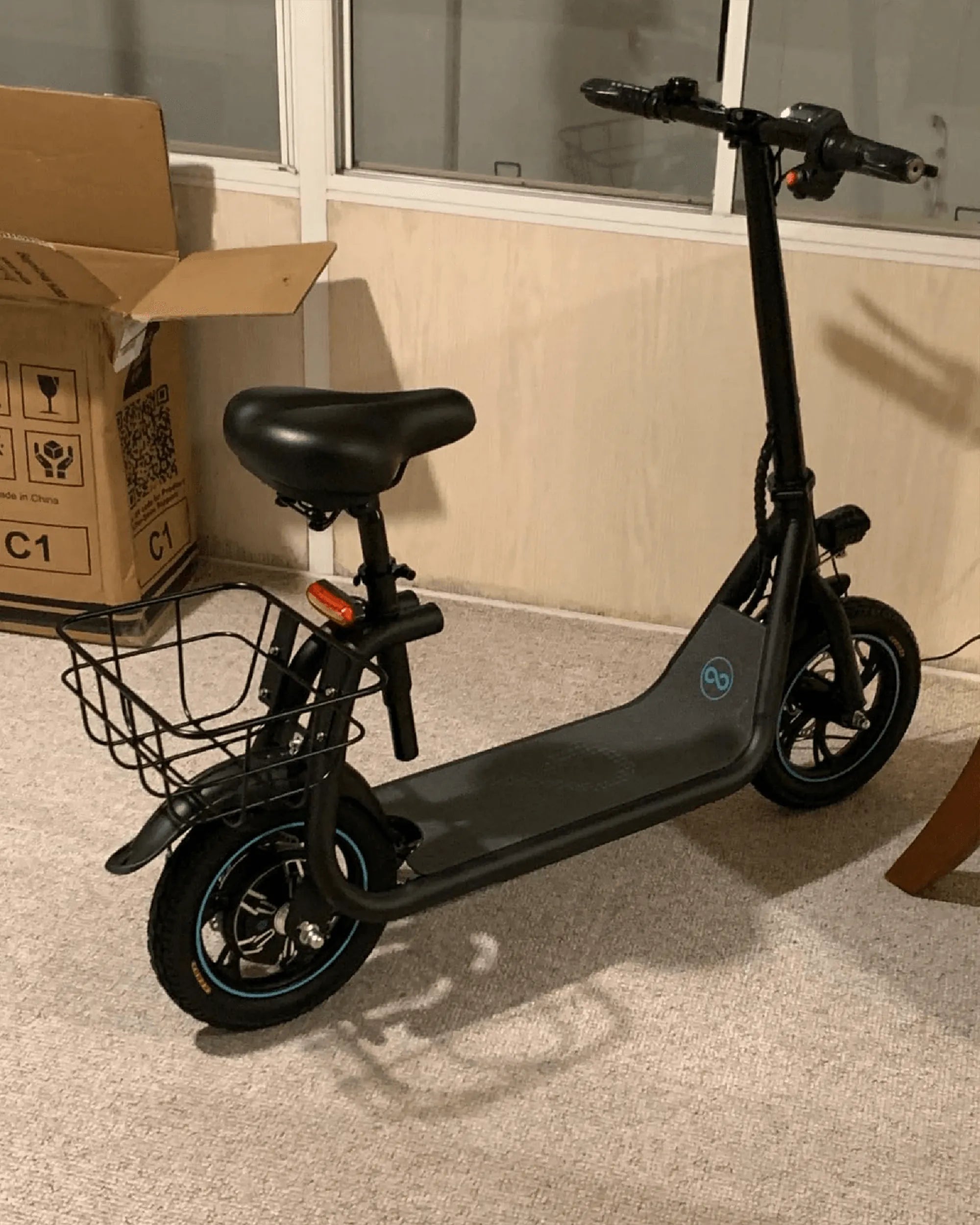
Navigating the urban jungle demands a vehicle that's as resilient as the environment it operates in. Enter the fat-wheel electric scooter, engineered not just for smooth asphalt but for the real-world obstacles of city life. This article will dissect why Fat Wheels Electric Scooters: The Ultimate Ride for Urban Commuters is more than a catchy phrase—it's a statement of capability. You'll learn the precise engineering behind the fat tire, its quantifiable benefits for stability and comfort, and how to select a model that balances performance with the durability required for daily commuting, backed by data from industry leaders like Gyroor.
Introduction: Why Fat Wheels Are Changing Urban Commuting
A fat-wheel electric scooter is defined by its oversized tires, typically measuring 8.5 inches or more in diameter with a width of 3.0 inches or greater. This design represents a fundamental shift from the slim, hard rubber tires common on first-generation scooters. The core value proposition is direct: enhanced stability, superior shock absorption, and expanded versatility for navigating imperfect city terrain.
This evolution addresses the primary pain points of urban riders. City streets are a mosaic of challenges—from sudden potholes and expansion joints to wet manhole covers and gravel-strewn bike lanes. Standard scooter wheels transmit these imperfections directly to the rider, causing discomfort and compromising control. The fat-wheel design mitigates these issues at their source.
Brands like Gyroor have pioneered this approach by integrating fat tires into scooters built for reliability. By focusing on UL-certified battery safety, IPX5-rated water resistance, and robust construction, they ensure the enhanced physical platform is matched by dependable electrical and mechanical systems. This combination is what truly makes for the ultimate urban ride.
The adoption of fat wheels signifies a maturation in the personal electric vehicle market. It moves beyond the pursuit of mere portability to prioritize ride quality and safety, recognizing that commuters need a tool that inspires confidence mile after mile, regardless of what the city throws their way.
The Anatomy of a Fat Wheel: More Than Just a Big Tire
The term "fat wheel" encompasses a specific set of engineering principles. It's not merely a scaled-up version of a standard tire. The key dimensions are width and air volume. A typical fat tire, such as the 8.5" x 3.0" configuration used on models like the Gyroor F1, provides a contact patch that is significantly larger than a standard 8.5" x 2.0" tire.
This increased width and volume are crucial. The tire can be run at a lower air pressure—often between 30-40 PSI compared to 45-50+ PSI for slim tires. Lower pressure allows the tire itself to deform over obstacles, acting as a primary suspension system. The air-filled (pneumatic) design is essential for this cushioning effect, unlike solid rubber tires which offer no compliance.
The construction also impacts the scooter's geometry. The wider hub and tire necessitate a stronger fork and deck design to handle the increased leverage and load. This often results in a more robust overall frame. The ride height may increase slightly, providing better ground clearance for curbs and debris, a critical feature for urban navigation.
Furthermore, the tread pattern on fat tires is designed for multi-surface traction. Deeper, more aggressive grooves channel water away to prevent hydroplaning and provide biting edges for loose surfaces. This thoughtful design transforms the wheel from a simple rolling component into an integrated system for stability and comfort.
Key Advantages of Fat-Wheel Electric Scooters for City Riders
The benefits of fat-wheel electric scooters are direct responses to the urban environment. They translate engineering specifications into tangible riding improvements that enhance safety, comfort, and practicality for the daily commuter.
Unmatched Stability and Confidence
The enlarged contact patch dramatically increases grip on a variety of surfaces. On wet pavement, the tire disperses water more effectively. On metal bridge grates, painted crosswalk lines, or streetcar tracks, the wider footprint reduces the chance of the wheel slipping or catching. This instills confidence, especially for new riders or those commuting in busy traffic.
This stability is also kinematic. The wider stance improves the scooter's resistance to tipping during turns or when traversing slopes. It provides a more planted, secure feeling, which is invaluable when carrying a backpack or navigating around door zones and parked cars. The rider spends less mental energy on balance and more on the path ahead.
Superior Comfort on Rough Terrain
Fat tires are the first and most effective line of defense against vibration. By absorbing impacts from cracks, cobblestones, and minor potholes, they drastically reduce the high-frequency vibrations that travel through the deck and into the rider's feet and legs. This reduces fatigue on longer commutes.
While some scooters add rear or dual suspension, a fat tire provides a form of full-wheel suspension. This means both the front and rear contact points benefit from damping. The result is a smoother ride that doesn't rely on complex, maintenance-prone mechanical parts. For the urban commuter, this means reliability and comfort in one package.
Enhanced Versatility and All-Weather Potential
The urban commute isn't always a straight line on perfect asphalt. Fat-wheel scooters unlock practical shortcuts through park paths, packed gravel trails, or brick-paved plazas. This versatility can shorten trip times and provide more enjoyable routes.
Improved traction also extends usability into damper seasons. While no scoter is meant for heavy rain, a fat-wheel model with a proper IPX5 water-resistance rating, like those from Gyroor, can safely handle wet roads and puddles with greater assurance. The tire's ability to maintain grip in sub-optimal conditions makes it a more practical year-round transportation tool.
Choosing Your Fat-Wheel Scooter: A Data-Driven Comparison
Selecting the right model requires looking beyond tire size. Key performance metrics and build quality determine if the scooter will live up to its promise as a durable commuter vehicle.
Performance Metrics That Matter: Range, Speed, and Hill Climb
Fat tires can introduce slightly more rolling resistance than slim, high-PSI tires. Therefore, motor power and battery capacity are critical. A robust motor in the 350W to 500W range is necessary to maintain expected speeds (15-20 mph) and tackle moderate hills without strain, compensating for any drag.
Battery capacity, measured in Watt-hours (Wh), directly determines range. For a reliable 15-20 mile real-world commute, a battery of 360Wh or larger is recommended. Quality brands like Gyroor use high-discharge cells in their UL-certified packs to ensure consistent power delivery, which preserves range even with the demands of fat tires. The trade-off in efficiency is minimal with proper engineering.
Built to Last: The Importance of Durability and Warranty
The urban commute is a durability test. Key features to prioritize include a UL 2271 or UL 2843 certified battery pack. This independent safety certification, which Gyroor incorporates across its lineup, is non-negotiable for fire risk mitigation. An IPX5 water-resistance rating is equally crucial, protecting the scooter's electronics from rain splash and road spray.
The frame should be constructed from aerospace-grade aluminum or reinforced steel at stress points. Finally, a comprehensive warranty signals manufacturer confidence. A trustworthy 1-year warranty on the vehicle, like Gyroor offers, provides peace of mind for a daily-use product. This combination of safety certifications, robust construction, and warranty support defines a scooter built for the long haul.
Beyond the Pavement: The Off-Road Capability of Fat Wheels
While not designed for aggressive mountain biking, fat-wheel electric scooters competently expand the definition of "rideable terrain." Their stability and traction make them suitable for light off-road adventures, adding a recreational dimension to their utility.
Park trails, hard-packed dirt paths, and even firm sand on a beachfront are within reach. This capability is perfect for mixed-use commutes that cut through green spaces or for weekend exploration. The key is managing expectations; these are scooters, not dirt bikes. Sudden, deep ruts, large rocks, or soft mud should be avoided.
When venturing off-pavement, riders should adjust their technique. Reduce speed, anticipate obstacles further ahead, and use a more upright stance for better balance. Ensuring tire pressure is appropriate (slightly lower can help on loose surfaces, but not too low to risk a pinch flat) will optimize traction. This responsible exploration showcases the full versatility of the fat-wheel design.
Frequently Asked Questions (FAQ) About Fat-Wheel E-Scooters
Q: Do fat-wheel scooters have significantly less range or speed than regular ones?
A: The impact is minimal with proper engineering. While wider tires can create slightly more rolling resistance, a sufficiently powerful motor (350W+) and a high-capacity battery (360Wh+) easily compensate. Quality models maintain standard commuter speeds of 15-20 mph and ranges of 15-20 miles.
Q: Are they much heavier and harder to carry?
A: There is a modest weight increase due to larger tires and often a more robust frame. A typical fat-wheel commuter scooter may weigh 35-40 lbs, compared to 30-35 lbs for a similar standard model. A good folding mechanism remains essential. The trade-off is the substantial gain in ride quality and stability.
Q: Can I safely ride a fat-wheel scooter in the rain?
A: The tires provide excellent wet-surface traction. However, safe operation in rain depends on the scooter's electronic water resistance. Look for an IPX5 rating, which certifies protection against water jets from any direction. Gyroor models with this rating are built to handle wet commutes. Always exercise caution, avoid deep puddles, and brake earlier.
Q: Is the comfort improvement really that noticeable?
A> Yes, the difference is profound. The air-filled fat tires absorb small bumps and vibrations that standard, often solid, tires transmit directly to the rider. This reduces fatigue dramatically on longer rides and over cracked city pavement, making the commute genuinely more enjoyable.
Q: Do fat wheels require more maintenance?
A> They require the same core maintenance: checking tire pressure regularly (critical for optimal performance and comfort), keeping the tires clean, and checking for wear or damage. The pneumatic tubes are standard and easily replaced if punctured. The mechanical simplicity of tire-based suspension means there are no extra suspension components to maintain.
Fat-Wheel Scooter Comparison: Key Models & Specifications
| Feature / Consideration | Standard Commuter Scooter (8.5" Slim Tires) | Fat-Wheel Commuter Scooter (e.g., Gyroor F1 Class) | Performance Impact & User Benefit |
|---|---|---|---|
| Tire Size & Type | 8.5" x 2.0", often solid or low-volume air | 8.5" x 3.0" or larger, pneumatic (air-filled) | Fat tires provide a larger contact patch and lower PSI for vastly improved comfort and traction. |
| Ride Comfort | Firm; transmits most road vibrations. | Plush; tires act as primary suspension, absorbing cracks and bumps. | Reduces rider fatigue on long or rough commutes. More enjoyable daily ride. |
| Stability & Grip | Adequate on dry, smooth pavement. | Excellent on wet pavement, metal grates, gravel, and uneven surfaces. | Inspires greater confidence and safety in variable urban conditions. |
| Terrain Versatility | Limited to paved surfaces. | Extended to packed dirt, park paths, brick roads. | Enables more route options and light recreational use. |
| Typical Weight | ~30-35 lbs | ~35-40 lbs | Slightly heavier for carrying, but a fair trade for durability and ride quality. |
| Motor & Range Consideration | 250W-350W motor sufficient. | 350W-500W motor recommended to offset rolling resistance. | Ensures maintained hill-climb ability and speed. Requires a quality battery (360Wh+). |
| Ideal User Profile | Rider with perfect, short paths who prioritizes minimal weight. | The urban commuter facing mixed terrain who prioritizes comfort, stability, and all-weather capability. | Fat-wheel models are the practical choice for the real-world urban environment. |
Conclusion: Is a Fat-Wheel Electric Scooter Right for You?
If your priority is a smooth, stable, and confident ride across the diverse and often challenging landscape of a modern city, then a fat-wheel electric scooter is unequivocally the superior choice. The engineering advantages—from the shock-absorbing tires to the planted stability—directly address the realities of urban commuting. While they may sacrifice a marginal amount of portability, they gain immensely in everyday usability and rider comfort.
The data shows that when paired with a robust motor, a safe UL-certified battery, and a water-resistant build, the fat-wheel design creates a remarkably capable vehicle. It transforms the scooter from a fair-weather novelty into a legitimate, year-round transportation tool that can handle potholes, rain, and the occasional shortcut through the park.
For commuters ready to invest in a ride that prioritizes real-world performance over theoretical minimalism, the ultimate choice is clear. Explore a range of fat-wheel electric scooters engineered for durability and safety from a trusted brand. Browse the full Gyroor collection, featuring UL-certified, IPX5-rated models trusted by over 100,000 riders, at gyroorboard.com.
Are Electric Scooters the Future of Urban Mobility? A Data-Driven Analysis
Electric Scooters for Adults with Basket: The Ultimate Urban Commuting Solution