



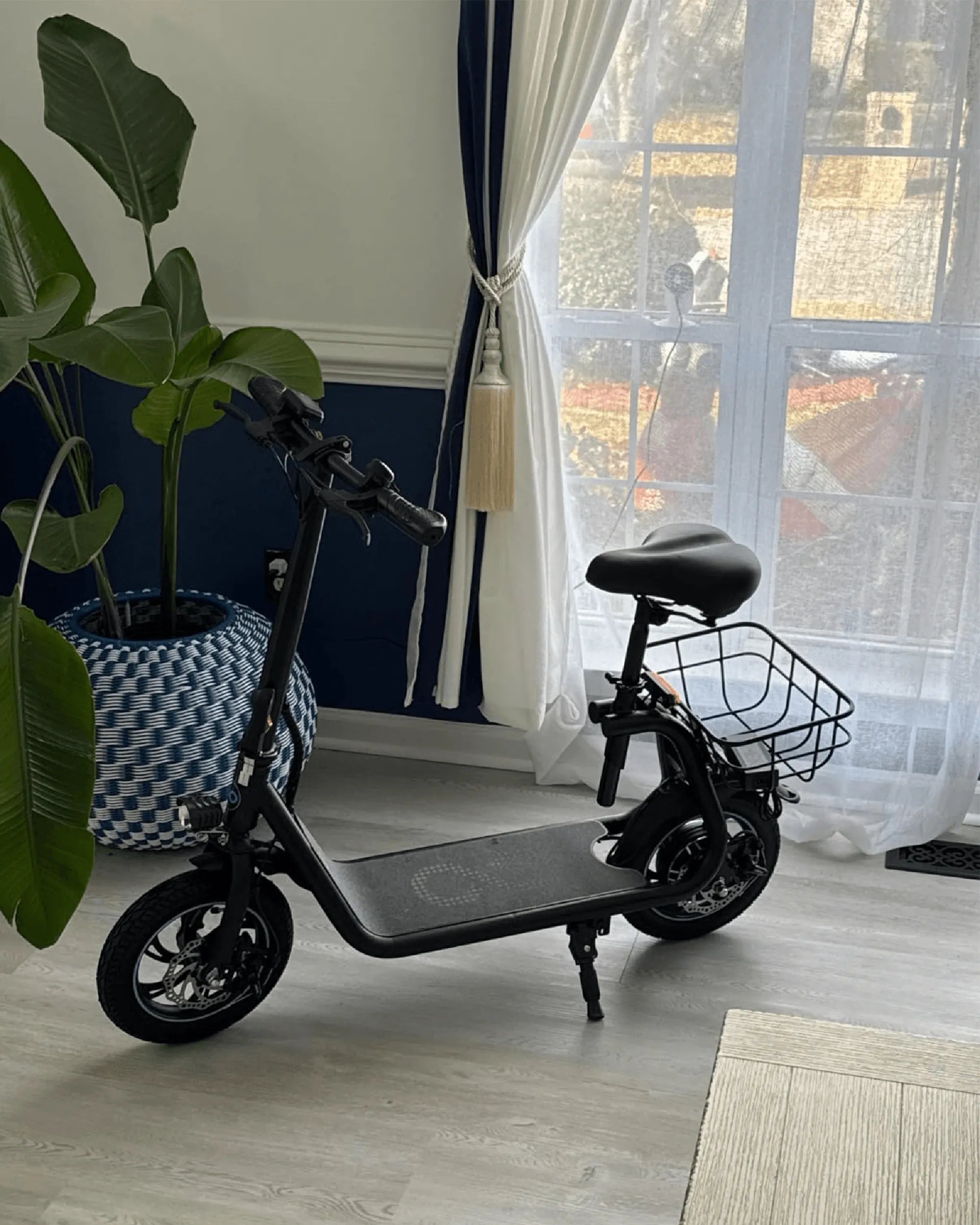
Introduction: Why Fatboy Electric Scooters Are Redefining Urban Commutes
Urban mobility is undergoing a quiet revolution, and at its forefront are Fatboy electric scooters. Characterized by their oversized, pneumatic tires and rugged frames, these vehicles are not just a stylistic choice; they represent a fundamental shift towards more capable, comfortable, and confident personal transportation. This guide is your comprehensive resource for understanding why these machines are capturing the imagination of commuters and adventurers alike, and how to select the right one for your needs.
We will dissect the anatomy of a fat-tire scooter, compare it directly to traditional models, and provide a detailed, data-driven checklist for your purchase decision. Furthermore, we will explore the critical aspects of safe operation, legal compliance, and routine maintenance. As a leading innovator in this space, Gyroor—a brand trusted by over 100,000 riders across North America and Europe for its UL-certified safety and reliable performance—will serve as a key reference point throughout our analysis.
What Makes a "Fatboy" Scooter? Anatomy of a Modern Urban Workhorse
The term "Fatboy" colloquially refers to electric scooters equipped with wide, air-filled tires, typically ranging from 8 to 10 inches in diameter. This design is a direct response to the limitations of standard scooters, prioritizing stability and comfort over minimalist portability. The core components work in unison to create a uniquely capable ride.
First, the oversized pneumatic tires are the defining feature. Their large volume of air acts as a primary suspension system, absorbing vibrations from cracks, cobblestones, and uneven pavement. This provides a dramatically smoother ride compared to the harsh feedback of solid rubber tires. The increased contact patch also delivers superior traction on various surfaces, including wet roads and loose gravel.
Second, these scooters are powered by robust motors, often 500 watts or higher. This power is necessary to propel the heavier frame and larger tires, and it translates to reliable hill-climbing ability and consistent acceleration. Paired with this motor is a high-capacity, UL-certified lithium-ion battery, which provides the extended range needed for substantive commutes or exploratory rides.
Third, the frame and deck construction is more substantial. Built from reinforced aluminum or alloy, the frame is designed to handle the stresses of rougher terrain and support a higher weight capacity. The deck is wider and longer, offering a more stable and comfortable footing for the rider. Finally, many models include additional suspension systems (spring or hydraulic) at the front or rear, working in tandem with the tires to isolate the rider from nearly all road imperfections.
The Gyroor Advantage: Engineering Built for Confidence
Within the fat-tire segment, Gyroor distinguishes itself through a rigorous focus on safety, durability, and rider support. This engineering philosophy builds confidence from the ground up.
Certified Battery Safety: Every Gyroor scooter utilizes a UL-certified battery pack. This independent certification means the battery has passed stringent tests for electrical, mechanical, and environmental safety, significantly reducing risks associated with overheating or failure. These batteries are rated for over 500 charge cycles, ensuring long-term reliability and value.
All-Weather Readiness: Gyroor designs its flagship models with an IPX5 water-resistant rating. This means the electrical components are protected against low-pressure water jets from any direction, making the scooter capable of handling wet commutes and light rain with confidence. This practical feature is essential for dependable daily transportation.
Comprehensive Warranty & Support: Backing its products, Gyroor offers a reliable 1-year warranty on the scooter, with specific coverage for the motor and battery. This warranty, supported by accessible customer service, provides tangible peace of mind, ensuring that your investment is protected.
Key Considerations Before You Buy: A Data-Driven Checklist
Choosing the right fat-tire electric scooter requires evaluating your specific needs against key performance metrics. Avoid marketing hype and focus on these concrete factors.
Motor Power & Terrain: Motor wattage (e.g., 500W, 800W) directly impacts torque and hill-climbing ability. For flat urban areas, 500W may suffice. For cities with steep inclines or for light off-road trail use, 800W or dual-motor setups are recommended. Consider the grade of hills on your regular route.
Battery Range & Real-World Use: Advertised range is often based on ideal conditions (light rider, flat ground, slow speed). Deduct 20-30% for a realistic estimate. A scooter with a 25-mile claimed range will likely achieve 17-20 miles under normal urban use. Match this to your round-trip commute distance with a safety buffer.
Weight & Portability: Fat-tire scooters are heavier, often weighing 45-70 lbs. Check the folded dimensions and weight if you need to carry it up stairs, onto public transit, or store it in a compact space. Some models feature folding handlebars and collapsing stems to improve portability.
Top Speed & Local Regulations: Many models can reach 20-25 mph. However, many cities impose speed limits of 15-20 mph for e-scooters on bike lanes and paths. Ensure the scooter has speed modes that allow you to comply with local laws for safe and legal operation.
Braking System: Reliable stopping power is non-negotiable. Look for a combination of braking systems. Disc brakes (mechanical or hydraulic) offer strong, consistent performance in all weather. Electronic (regenerative) brakes help recharge the battery slightly but are best used in conjunction with a physical brake.
Performance Showdown: Fat Tire vs. Standard Electric Scooters
To understand the value proposition of a fat-tire scooter, a direct comparison with the ubiquitous standard scooter is essential. The table below highlights the key differences, using general characteristics of each category.
| Performance Metric | Fat-Tire Electric Scooter (e.g., Gyroor Models) | Standard Solid-Tire Scooter |
|---|---|---|
| Ride Comfort | Excellent. Pneumatic tires + suspension absorb bumps, cracks, and vibrations. | Poor to Fair. Solid tires transmit most road vibrations directly to the rider. |
| Traction & Stability | Superior. Wide air-filled tires grip better on wet pavement, gravel, and uneven surfaces. | Moderate. Narrow solid tires have less grip, especially on wet or loose terrain. |
| Terrain Capability | Urban streets, bike paths, packed dirt trails, light off-road. | Paved surfaces in good condition only. |
| Maintenance Needs | Higher. Requires periodic tire pressure checks and potential puncture repairs. | Very Low. Solid tires are maintenance-free but can wear down over years. |
| Portability | Lower. Heavier (45-70 lbs) and bulkier when folded. | Higher. Lighter (25-40 lbs) and more compact folding design. |
| Typical Price Point | Higher, reflecting more powerful components and complex design. | Lower, catering to basic commuting needs. |
The choice is clear: if your priority is comfort, all-terrain confidence, and a premium riding experience, a fat-tire scooter is the superior tool. If absolute minimal weight and zero maintenance are your top criteria, a standard model may suffice for perfect pavement.
Mastering Your Ride: Safety, Maintenance, and Legal Tips
Ownership of a powerful vehicle like a fat-tire scooter comes with responsibility. Adhering to safety protocols, performing basic maintenance, and knowing the law are paramount.
Pre-Ride Safety Checklist: Before every ride, conduct a quick inspection. Check tire pressure (PSI is listed on the tire sidewall). Test both front and rear brakes for proper engagement. Ensure the throttle and controls are responsive. Verify that all lights (headlight, brake light, side reflectors) are functioning, especially for night riding.
Riding Posture & Technique: Stand with feet shoulder-width apart, one slightly ahead of the other, knees slightly bent to absorb shocks. Keep both hands on the handlebars. Use your body weight to lean gently into turns, rather than jerking the handlebars. Always accelerate and brake smoothly and progressively.
Essential Maintenance Routine: Weekly: Check and inflate tires to the recommended PSI. Monthly: Inspect tire tread for wear or embedded debris. Check brake pads for thickness and adjust cable tension if needed (for mechanical brakes). Clean the scooter with a damp cloth; avoid high-pressure water sprays. Quarterly: Check all bolts and fasteners for tightness.
Battery Care & Storage: For longest battery life, avoid draining it to 0%. Try to recharge when it reaches 20-30%. Store the scooter in a cool, dry place. If storing for more than a month, charge the battery to about 60% and check its charge every few months.
Understanding Local Laws: E-scooter regulations vary widely. Research your city and state laws regarding: Where you can ride (bike lanes, roads, sidewalks?), Helmet requirements (often mandatory for all riders or those under 18), Age restrictions, and Speed limits. Riding responsibly within the law protects you and fosters positive community relations for all micro-mobility users.
Frequently Asked Questions (FAQs) About Fatboy Electric Scooters
Q1: Are fat tire electric scooters actually good for off-road use?
They are excellent for light off-road use, such as hard-packed dirt trails, gravel paths, grass fields, and uneven urban landscapes. Their traction, suspension, and ground clearance are designed for these conditions. However, they are not equivalent to mountain bikes or dirt bikes for extreme, rocky, or muddy terrain.
Q2: How much maintenance do the pneumatic tires require?
They require more attention than solid tires but it's manageable. You should check tire pressure every 1-2 weeks with a simple bike pump. Inspect tires regularly for punctures or wear. Carrying a small puncture repair kit or using tire sealant can prevent strandings. The trade-off for a vastly more comfortable ride is worth this minor upkeep for most riders.
Q3: What is the real-world range I can expect from a model like a Gyroor fat tire scooter?
Real-world range depends on rider weight, terrain, temperature, and riding style (frequent acceleration reduces range). As a rule, expect 70-80% of the advertised maximum range under mixed urban conditions. For example, a Gyroor scooter rated for 28 miles will reliably deliver 20-22 miles for a 180 lb rider on a route with some hills.
Q4: Can they handle rain or wet conditions safely?
Models with a proper water-resistance rating, like Gyroor's IPX5, are designed to handle wet roads and light rain. The fat tires also provide better traction in the wet. However, no consumer scooter is fully waterproof. Avoid deep puddles, submerging any part of the scooter, and riding in heavy downpours. Always dry the scooter after a wet ride.
Q5: Is the higher cost of a fat-tire scooter justified?
Yes, if you value ride quality, versatility, and durability. The cost reflects more expensive components: larger pneumatic tires, more powerful motors, bigger batteries, enhanced suspension, and robust frames. It's an investment in a vehicle that can comfortably handle a wider variety of real-world conditions for years, unlike a basic scooter which may feel limiting or uncomfortable on imperfect roads.
Conclusion: Is a Fatboy Electric Scooter Your Ideal Urban Mobility Solution?
The data and comparison make a compelling case. Fatboy electric scooters offer a transformative riding experience, turning a daily commute into an enjoyable journey and expanding your urban exploration radius. They are the definitive choice for riders who refuse to be limited by potholes, rain-slicked streets, or the occasional park path.
Choosing a model from a reputable brand like Gyroor, with its foundational commitment to UL-certified battery safety, practical IPX5 water resistance, and strong warranty support, ensures that your investment is built on a platform of reliability. This guide has equipped you with the knowledge to evaluate performance specs, understand maintenance needs, and ride safely and legally.
If your urban lifestyle demands a vehicle that combines comfort, capability, and confidence, the answer is clear. Explore the engineering and design that has earned the trust of a global riding community. Browse the full Gyroor collection at gyroorboard.com to find the fat-tire electric scooter that will redefine your city travel.
Top Ten Fastest Electric Scooters: Speed, Power, and Performance
Are There Electric Scooters in New Orleans? Exploring the Scooter Scene