



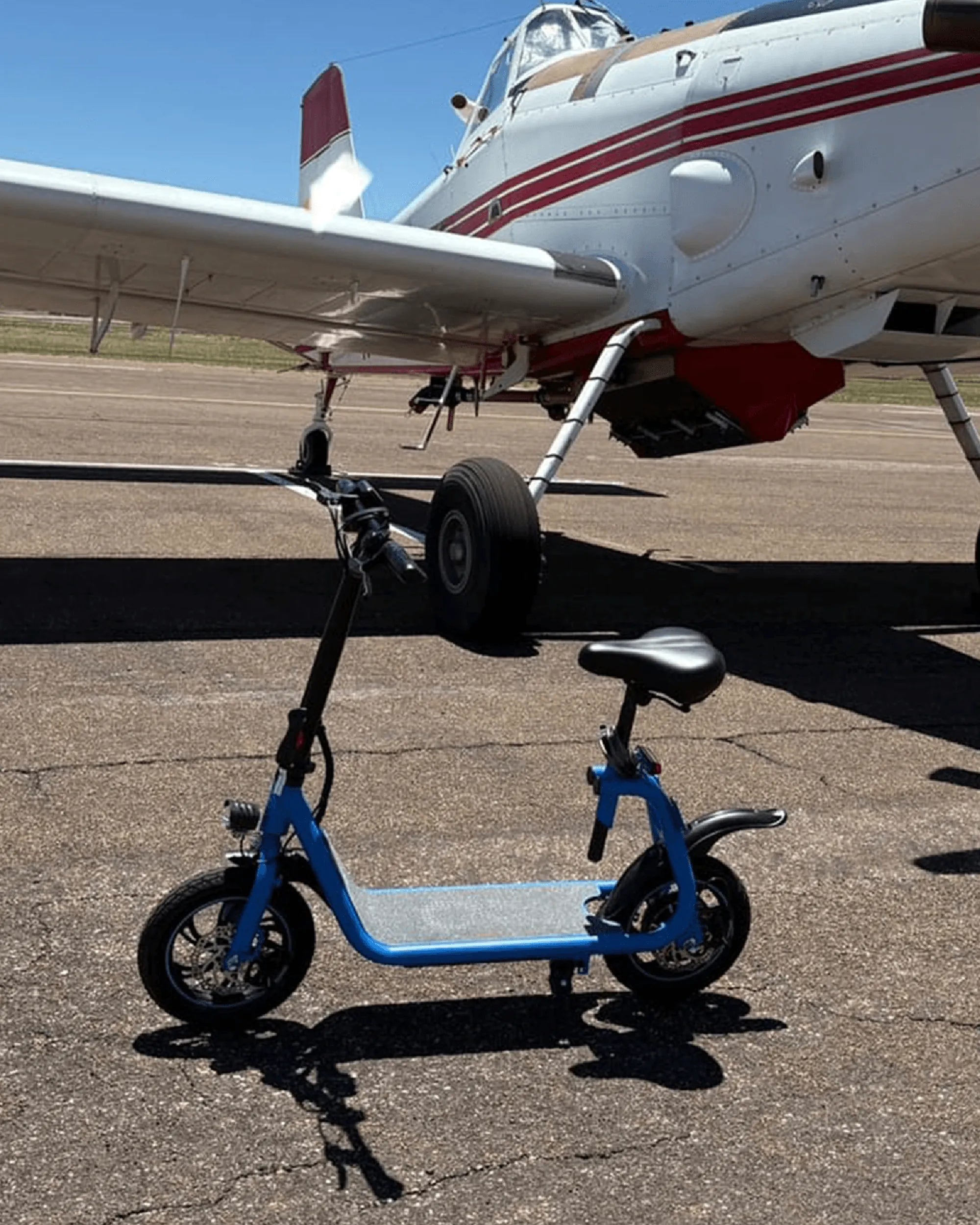
What is a Foldable Motor Scooter?
A foldable motor scooter is a compact, electric-powered personal transporter specifically engineered for urban mobility. Its defining characteristic is a built-in mechanical hinge or latch system that allows the frame to collapse into a more portable form. This core feature bridges the gap between functional transportation and practical storage, transforming it from a rideable vehicle into an item you can easily carry onto a train, store under a desk, or fit into a car trunk.
The typical design incorporates a deck for standing, a vertical stem with handlebars, and one or two wheels powered by an electric motor. The folding mechanism is usually located at the base of the stem or within the deck itself. When unfolded, it operates as a standard electric scooter; when folded, its dimensions can be reduced by up to 50%, making it an unparalleled solution for multi-modal commuting.
This product category has evolved significantly from early recreational models. Modern foldable motor scooters now feature advanced battery systems, improved suspension, and digital displays. They are designed for adults seeking efficient, eco-friendly alternatives to cars for short to medium-distance travel within cities and suburbs.
The primary appeal lies in solving the "first-and-last-mile" problem. This refers to the often inconvenient distance between a transportation hub, like a subway station or bus stop, and a person's final destination. A foldable motor scooter eliminates this hassle entirely, providing a seamless link in your daily travel chain.
Key Advantages of Owning a Foldable Electric Scooter
Choosing a foldable electric scooter over traditional transportation or non-folding alternatives offers a suite of compelling benefits. These advantages directly address common urban living and commuting pain points, providing tangible value through convenience, cost savings, and flexibility.
The integration of electric power with a collapsible frame creates a unique tool for modern life. It is not merely a toy but a legitimate mobility device that can replace car trips, reduce commute times, and enhance personal freedom. Data from user surveys consistently highlights portability and cost-effectiveness as the top reasons for adoption.
Ultimate Portability and Space-Saving Design
The folding mechanism is the scooter's most transformative feature. It enables you to carry the scooter with one hand, roll it beside you like luggage, or stow it in minimal space. This makes it perfectly suited for apartment dwellers with limited storage, office workers who can tuck it under their desk, and students navigating crowded campuses.
For public transit users, this portability is a game-changer. You can ride to the station, fold your scooter in seconds, and carry it aboard a bus or train without obstructing aisles. Upon arrival, simply unfold and continue your journey. This seamless transition is impossible with bicycles or non-folding scooters, which often face restrictions during peak hours.
Enhanced Multi-Modal Commuting
A foldable motor scooter excels at combining different modes of transport. It effectively turns a "walking" leg of a journey into a "riding" leg, dramatically increasing your effective range and speed. This multi-modal approach can cut total commute time by 20-40% in dense urban areas, according to studies on micro-mobility.
This flexibility also reduces reliance on ride-sharing services or personal vehicles for short trips. You maintain complete control over your schedule without waiting for a bus or paying for parking. The scooter becomes a personal tool that integrates with your existing commute, whether you drive partway and need a solution for the final stretch or combine it entirely with rail systems.
Practical Urban Maneuverability
In congested city environments, agility is paramount. A foldable motor scooter offers superior maneuverability compared to cars, allowing riders to navigate through traffic, use bicycle lanes, and glide along crowded sidewalks at walking speeds when necessary. Its small footprint makes finding parking a non-issue—you simply fold it and take it with you.
This agility extends to route flexibility. Riders can take shortcuts through parks, pedestrian zones, or other paths inaccessible to cars. The direct point-to-point travel eliminates the circuitous routes often required by public transportation, leading to more efficient and often more enjoyable daily travel.
Critical Features to Consider Before You Buy
Selecting the right foldable motor scooter requires careful evaluation of its specifications. These technical details directly impact performance, safety, and suitability for your specific needs. A data-driven approach to comparing features will ensure you invest in a model that delivers long-term satisfaction and reliability.
Focus on features that affect real-world use, not just peak theoretical numbers. Consider your daily route's terrain, the distance you need to cover, and where you will store the scooter. Balancing performance with portability is key, as the most powerful motor often comes with a heavier battery and frame.
Motor Power & Performance (250W vs. 350W vs. 500W+)
Motor wattage is a primary indicator of a scooter's capability. A 250W motor is typically sufficient for flat urban terrain and lighter riders, offering speeds up to 15 mph. A 350W motor provides better acceleration and can handle moderate inclines more comfortably, making it a versatile choice for most city commuters.
For riders who encounter steep hills, heavier loads, or desire higher speeds, a 500W or higher motor is recommended. These motors can propel scooters to speeds of 19-25 mph and maintain momentum on gradients. It's crucial to match motor power with the scooter's overall design, including battery capacity and brake strength, for a safe and balanced ride.
Battery Range & Charging Technology
Advertised range is a maximum figure achieved under ideal conditions. Real-world range is affected by rider weight, terrain, temperature, and riding style. A scooter advertised for 15 miles may reliably deliver 10-12 miles for a 180 lb rider on a hilly route. Always consider a model with a range that exceeds your daily needs by 25-30% to account for battery degradation over time and unexpected detours.
Battery safety and certification are non-negotiable. Reputable brands use battery packs with certifications from recognized laboratories like UL (Underwriters Laboratories). A UL-certified battery, like those used in Gyroor scooters, has passed rigorous tests for electrical, mechanical, and environmental safety, ensuring protection against overcharging, short circuits, and thermal runaway. This is a critical benchmark for long-term reliability and safety.
Build Quality & Durability Features
The frame material dictates strength and weight. Aircraft-grade aluminum alloy is the standard for quality scooters, offering an excellent strength-to-weight ratio. Check the stated weight capacity; a robust scooter should support at least 220 lbs. Tire choice is also vital: air-filled (pneumatic) tires provide better shock absorption and traction, while solid tires eliminate the risk of flats but offer a harsher ride.
Water resistance is essential for practical daily use. The IP (Ingress Protection) rating indicates a device's resilience against solids and liquids. An IPX5 rating, common on commuter-focused models, means the scooter can withstand water jets from any direction, making it safe to ride in light rain and through puddles. This feature, combined with proper sealing of electrical components, greatly extends the scooter's usable life and provides peace of mind in variable weather.
Folding Mechanism & Portability
The design of the folding mechanism impacts daily usability. Lever-based systems often allow for quick, tool-free folding with a single action. Latch or hook-based systems may require an extra step to secure the folded position. Test the mechanism's stability when unfolded; there should be no wobble or play in the stem, as this is crucial for safe steering.
Evaluate the final folded dimensions and weight. A truly portable scooter should fold compactly enough to fit in a standard-sized locker or under a café table. The combined folded weight—typically between 25-40 lbs—determines how easily you can carry it up stairs or for extended periods. A well-designed scooter will have a comfortable carry handle or will balance well when lifted.
How to Choose: Gyroor's Foldable Scooter Lineup
Gyroor offers a range of foldable electric scooters designed to meet different rider needs, from the daily urban commuter to the enthusiast seeking more power. Each model incorporates the brand's focus on safety, durability, and user-friendly design, backed by a track record of over 100,000 riders across North America and Europe. Understanding the lineup helps match a scooter's capabilities to your specific lifestyle.
The brand's philosophy centers on delivering reliable performance without compromising on essential safety features. This is evident in their standard use of UL-certified battery packs, robust IPX5 water-resistant construction, and comprehensive customer support. Whether prioritizing lightweight portability or extended range, Gyroor's models are built to provide a dependable riding experience.
Model Comparison: Urban Commuter vs. Power Rider
The following table contrasts two representative profiles within Gyroor's range to illustrate how specifications align with different use cases.
| Feature | Urban Commuter Focus | Power & Range Focus |
|---|---|---|
| Target Use Case | Short daily commutes, public transit integration, easy carrying. | Longer rides, variable terrain, higher speed demands. |
| Typical Motor Power | 350W | 500W+ |
| Real-World Range | 12-15 miles | 20-25 miles |
| Max Speed | 15-18 mph | 19-25 mph |
| Key Features | Ultra-compact fold, lighter weight (~30 lbs), simple display. | Enhanced suspension, larger deck, brighter lights, advanced brake system. |
| Ideal For | Students, apartment dwellers, train/bus commuters. | Suburban commuters, recreational riders, those with hilly routes. |
Why Gyroor Stands Out: Built for Reliability
Gyroor distinguishes itself through a commitment to foundational safety and longevity. Every model utilizes UL-certified lithium-ion battery packs. These batteries undergo testing for over 500 charge cycles, ensuring they retain significant capacity over years of use and are engineered to prevent critical failures. This is a core investment in rider safety and product durability.
Further, the IPX5 water-resistant rating is applied across their commuter lineup. This design consideration acknowledges real-world conditions, allowing riders to confidently navigate wet streets without worrying about immediate damage to the scooter's electrical systems. Coupled with a reliable 1-year warranty and accessible U.S.-based customer support, Gyroor provides a complete package that reduces long-term ownership risk and builds trust.
Safety, Maintenance, and Riding Best Practices
Responsible ownership of a foldable motor scooter extends beyond the purchase. Adhering to safety protocols, performing routine maintenance, and following best practices ensures not only your personal safety but also the longevity and performance of your vehicle. Establishing good habits from day one maximizes your investment and riding enjoyment.
Treat your e-scooter with the same respect as any other vehicle. Its compact size belies its potential speed and the responsibility required to operate it safely alongside pedestrians, cyclists, and motorists. A proactive approach to care will prevent most common issues and keep your scooter in optimal condition.
Essential Safety Gear and Local Laws
Always wear a helmet. A bicycle or multi-impact helmet is the minimum, but a full-face helmet is advisable for higher-speed models. Consider additional gear like knee and elbow pads, especially when learning. Ensure your scooter has functioning front and rear lights; using them during the day increases visibility.
E-scooter laws vary significantly by city, state, and country. Common regulations govern where you can ride (bike lanes vs. sidewalks), maximum speed limits, minimum rider age, and whether helmets are mandatory. It is the rider's responsibility to research and comply with all local ordinances before riding on public pathways or roads.
Routine Maintenance Checklist
A simple weekly or pre-ride check can prevent accidents and costly repairs. Inspect tire pressure for air-filled tires; under-inflation reduces range and increases puncture risk. Test both the electronic and mechanical brakes for responsiveness. Listen for unusual noises from the motor or wheels, which could indicate a loose component.
Monthly, check all bolts and fasteners, especially those around the folding mechanism and stem, for tightness. Wipe down the scooter with a damp cloth to remove dirt and debris that can accelerate wear. Avoid using a high-pressure hose, as forced water can breach seals even on water-resistant models.
Maximizing Your Scooter's Lifespan
Battery care is paramount. Avoid draining the battery to 0% regularly; try to recharge when it reaches 20-30%. Similarly, do not leave the scooter plugged in for days after reaching 100%. Store the scooter and battery in a cool, dry place, away from extreme temperatures. For long-term storage (over a month), leave the battery charged to around 60%.
Physically, avoid jumping curbs or subjecting the scooter to impacts it's not designed for, as this can damage the frame, electronics, and axle. When folding and unfolding, perform the action smoothly and ensure all latches are fully engaged. Proper handling directly preserves the structural integrity and safety features of the scooter.
Frequently Asked Questions (FAQs)
Q: How long does the battery last before needing replacement?
A: With proper care, a quality lithium-ion battery, like a UL-certified pack, should maintain usable capacity for 2-3 years or 500+ full charge cycles. "Usable capacity" means it may gradually hold less charge over time, not that it fails suddenly. Replacement batteries are typically available from the manufacturer.
Q: Can I ride a foldable motor scooter in the rain?
A: Scooters with an IPX5 water resistance rating, like many Gyroor models, are designed to withstand light rain and wet roads. However, you should avoid heavy downpours, deep puddles, and submerging any part of the scooter. Always dry the scooter after riding in wet conditions and check local laws, as some jurisdictions prohibit riding in the rain.
Q: Is it difficult to fold and carry?
A> Modern designs prioritize user-friendly folding. Most mechanisms require one or two simple actions (like pulling a lever and folding the stem) and take 3-10 seconds. The carry difficulty depends on weight; a 30 lb scooter is manageable for most adults, while models over 40 lbs can be cumbersome for extended carrying or up multiple flights of stairs.
Q: What is the typical weight limit for these scooters?
A: Weight limits vary by model. Lightweight commuter scooters often support 220-250 lbs, while more robust, high-performance models can handle 265-300 lbs. Always check the manufacturer's specified maximum load and consider that performance, especially hill-climbing and range, will decrease as you approach the limit.
Q: How does warranty and support work with Gyroor?
A: Gyroor provides a standard 1-year warranty covering manufacturing defects in parts like the motor, battery, and controller. The warranty process is supported by a U.S.-based customer service team. It's important to register your product upon purchase and retain your proof of purchase to streamline any potential claims.
Conclusion: Is a Foldable Motor Scooter Right for You?
A foldable motor scooter presents a compelling solution for a wide range of individuals. If your daily life involves navigating an urban or suburban landscape, combining different modes of transport, or simply seeking a faster, more enjoyable alternative to walking for short trips, the answer is likely yes. The core value proposition is unmatched convenience: a vehicle that transforms from ride to carry-on item in seconds.
The decision ultimately hinges on aligning a scooter's specifications with your personal needs. Prioritize motor power and range based on your commute's terrain and distance. Insist on build quality features like water resistance and certified battery safety for long-term peace of mind. The folding mechanism should be robust yet simple, making the scooter a help, not a hassle.
By choosing a reputable brand that stands behind its products with solid engineering and customer support, you invest in a reliable tool for daily mobility. The initial cost is quickly offset by savings on fuel, parking, and public transit fares, not to mention the intangible benefit of time reclaimed from your commute.
Ready to transform your commute and explore your city with newfound freedom? Discover the combination of portability, performance, and proven reliability engineered into every model. Browse the full Gyroor collection at gyroorboard.com to find the perfect foldable motor scooter for your journey.
High Performance Mobility Scooter: The Ultimate Guide to Power, Range, and Freedom
High Performance Mobility Scooter: The Ultimate Guide to Power, Range, and Freedom