



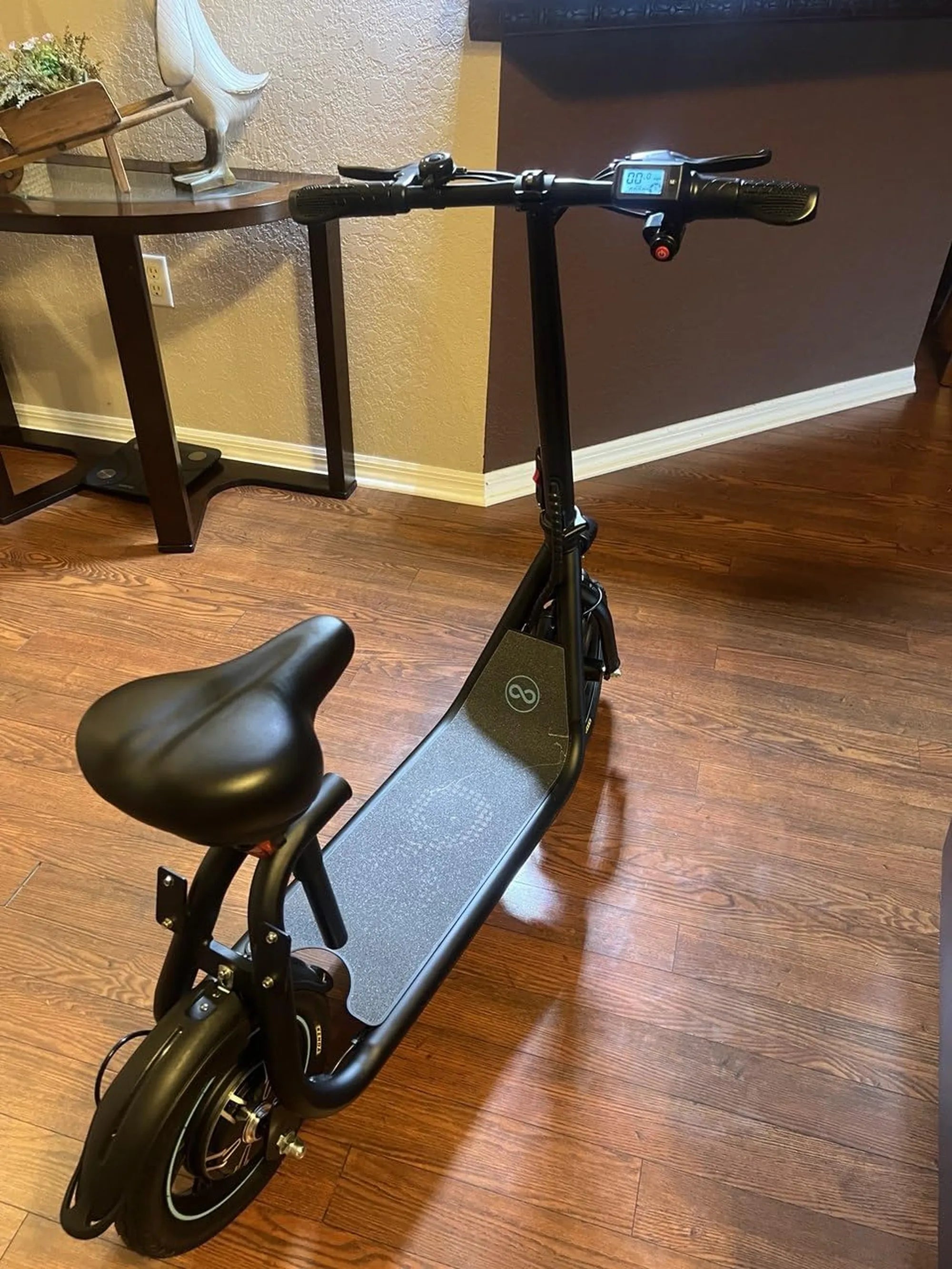
The hum of an electric motor is becoming a familiar sound on Hamilton's streets. As the city grapples with congestion, parking scarcity, and climate goals, a quiet revolution in personal transportation is taking hold. Hamilton Electric Scooters: The Future of Urban Mobility is not just a slogan; it's a tangible shift in how residents and commuters navigate from the downtown core to the Mountain, from West Harbour to East Hamilton. This movement is powered by reliable, purpose-built machines designed for urban life.
This comprehensive guide will dissect why Hamilton is uniquely suited for electric scooters, outline the critical specifications for local use, and explain the legal landscape. We will explore how leading brands, such as Gyroor—a company trusted by over 100,000 riders across North America and Europe—are engineering scooters with UL-certified batteries and IPX5 water resistance specifically for cities like ours. You'll learn to choose a scooter that conquers our terrain, complies with local norms, and becomes a dependable part of your daily commute and leisure.
Why Hamilton's Urban Landscape is Ideal for E-Scooters
Hamilton presents a compelling case study for the integration of electric scooters into urban transport. The city's unique geography, from the flat lower city to the dramatic Niagara Escarpment, creates diverse mobility needs that traditional cars and public transit alone struggle to address efficiently. E-scooters fill crucial gaps, offering a nimble and efficient alternative.
The city's ongoing investment in active transportation infrastructure is a significant enabler. The growing network of bike lanes, multi-use paths, and the Hamilton-Brantford Rail Trail provides a safer, dedicated corridor for micro-mobility users. This infrastructure connects key destinations, making a scooter a viable tool for first- and last-mile trips to GO Transit stations, bus stops, and employment hubs.
Furthermore, Hamilton's compact urban core and vibrant neighborhoods like James Street North, Locke Street, and Westdale are perfect for short trips where parking a car is costly and inconvenient. An electric scooter can turn a 30-minute walk into a 7-minute glide, encouraging local commerce and reducing vehicular traffic in busy districts. The environmental imperative is also strong in a city working to improve its air quality and reduce its carbon footprint.
Finally, the mixed terrain, while a challenge, is a perfect test for a capable e-scooter. A model with sufficient power can handle the inclines leading up the Mountain, while a robust suspension and tire system can manage the varied pavement conditions found throughout the city. This terrain diversity means choosing the right scooter is not a luxury—it's a necessity for safe and practical daily use.
Critical Features for a Hamilton-Ready Electric Scooter
Not all electric scooters are created equal, especially for the demands of a city like Hamilton. Selecting a model based on superficial specs like top speed alone is a recipe for disappointment and potential safety issues. The following features are non-negotiable for a reliable, safe, and legal riding experience in our urban environment.
The foundation of any quality e-scooter is a safe, reliable battery system. This is where certification matters most. A UL-certified battery pack, like those used in all Gyroor models, has undergone rigorous independent testing for safety, stability, and longevity. It mitigates the risk of thermal runaway or fire—a critical consideration when charging at home or in an apartment building. For a daily commuter, this certification provides peace of mind that the scooter's heart is as safe as it is powerful.
Hamilton's weather is famously unpredictable. A sudden downpour shouldn't end your ride or damage your investment. An IPX5 water-resistance rating is essential. This rating means the scooter can withstand water jets from any direction, making it resistant to rain, wet streets, and puddles. It protects the motor, battery, and electronic controllers from moisture ingress, ensuring reliability through spring showers and fall drizzles.
Durability and after-sales support are paramount. A comprehensive warranty, such as the 1-year coverage offered by Gyroor, protects against manufacturing defects and provides access to US-based customer support. For a daily rider, this reduces long-term ownership costs and ensures that help is available if needed, making the scooter a true tool for transportation, not just a seasonal toy.
Conquering Terrain: Power, Range, and Tire Considerations
Hamilton's defining feature—the Escarpment—demands respect. A scooter with insufficient power will struggle on inclines, forcing the rider to walk it up hills or dangerously slow traffic. For reliable hill-climbing ability, look for a continuous motor power rating of at least 500W. A dual-motor configuration can provide even more torque for steep grades like the Claremont Access, but a robust single motor is sufficient for most city inclines.
Range anxiety is real, but easily addressed with proper planning. Assess your typical round-trip commute. A ride from Dundurn to McMaster University and back may require 8-10 km, while a trip from Stoney Creek to downtown could be 15 km or more. Always choose a scooter with a manufacturer-stated range that exceeds your longest regular trip by at least 30-40%. Real-world range is affected by rider weight, hills, temperature, and riding style. A scooter with a 25-mile (40 km) range is a versatile choice for most Hamiltonians.
Tire choice directly impacts comfort and safety. Pneumatic (air-filled) tires offer superior shock absorption on Hamilton's sometimes uneven roads and brickwork, providing a smoother ride and better traction. Solid tires eliminate the risk of flats but transmit more vibration. For most riders, pneumatic tires are the recommended choice, especially if the scooter is equipped with a suspension system to further dampen bumps.
Safety and Legal Compliance on Hamilton Streets
Navigating Hamilton's streets legally and safely is a shared responsibility. While provincial regulations in Ontario are evolving, local bylaws and common sense dictate best practices. Currently, electric scooters are treated similarly to e-bikes in many contexts, but riders must stay informed of updates from the City of Hamilton.
Key safety features are non-negotiable. Your scooter must have bright front and rear lights for visibility at dawn, dusk, and night. A loud electric horn or bell is required to alert pedestrians and other path users. A reliable braking system—typically a combination of electronic regenerative braking and a mechanical disc or drum brake—is essential for controlled stopping on downhill sections like the Jolley Cut.
Ride defensively and predictably. Use bike lanes where available. On roads without bike lanes, ride as far to the right as is practical and safe. Always yield to pedestrians on sidewalks and multi-use paths—in many areas, sidewalk riding is prohibited for safety reasons. Wearing a helmet is strongly recommended, and reflective clothing adds an extra layer of safety during low-light conditions.
The Gyroor Advantage: Engineered for Urban Reliability
In a market filled with options, Gyroor stands out by focusing on the core engineering principles that matter most for daily urban transportation. With a product range of over 20 models and a customer base of more than 100,000 riders, their approach is built on verified safety, environmental durability, and rider confidence.
Unmatched Safety with UL-Certified Batteries
The battery is the most critical safety component. Gyroor's commitment to using UL-certified battery packs in all its models is a foundational safety standard. These batteries are tested for over 500 charge cycles, ensuring long-term performance and stability. For Hamilton riders charging daily in garages, apartments, or offices, this certification is an invisible but vital guardian against the risks associated with inferior power cells.
Built for Hamilton Weather: IPX5 Water Resistance
Gyroor's IPX5 rating is a specification designed for real-world conditions. It means the scooter's vital electronics are sealed against water jets, making it capable of handling wet commutes and sudden Hamilton rain showers. This protection extends the scooter's lifespan and ensures it remains operational regardless of the forecast, a crucial feature for a primary commuting vehicle.
Ride with Confidence: The 1-Year Comprehensive Warranty
Beyond the point of sale, Gyroor supports its riders with a robust 1-year warranty and accessible customer service. This coverage demonstrates a belief in the product's durability. For Hamiltonians, it translates to reduced long-term cost of ownership and the assurance that the company stands behind its claim of building reliable urban mobility solutions.
Comparison: What Makes an E-Scooter "Hamilton-Ready"?
Choosing the right scooter involves balancing essential features with your specific needs. The following table contrasts the critical, Hamilton-specific requirements against common but less vital specifications.
| Feature | Hamilton-Essential (The Must-Haves) | Nice-to-Have (The Enhancers) |
|---|---|---|
| Battery Certification | UL, CE, or other independent safety certification (Non-negotiable for safe charging & use) | Extremely high capacity if your commute is very short; fast charging (3-4 hrs) |
| Water Resistance | IPX5 rating or higher (For rain & wet streets) | Full waterproofing (IPX6/IPX7) for extreme conditions |
| Motor Power | 500W continuous or more (For Escarpment inclines) | Dual motors for maximum hill-climb torque; ultra-high top speed |
| Warranty & Support | Comprehensive 1-year warranty with accessible service | Extended warranty options; local repair partners |
| Tires & Suspension | Pneumatic tires + basic suspension (For road comfort) | Advanced dual suspension; self-sealing or run-flat tires |
| Legal Compliance | Front/Rear Lights, Horn/Bell, Reflectors | Turn signals, brake light modulation, built-in GPS |
The Broader Impact: E-Scooters and Hamilton's Sustainable Future
The adoption of electric scooters extends beyond individual convenience; it contributes to solving systemic urban challenges. Each e-scooter trip that replaces a single-occupancy car journey reduces traffic congestion, a persistent issue on arteries like the Lincoln Alexander Parkway and Main Street. This leads to shorter commute times for everyone and less idling, which improves local air quality.
Parking pressure, particularly in the downtown core, around hospitals, and near McMaster University, can be alleviated. A fleet of e-scooters requires a fraction of the space needed for cars, freeing up land for greener, more communal uses. They also provide a seamless solution for the "last-mile" problem, efficiently connecting riders from their home to a GO Station or bus terminal, thereby enhancing the overall utility of public transit.
From an environmental perspective, e-scooters have a minimal carbon footprint, especially when charged on Ontario's relatively clean electrical grid. They represent a tangible step residents can take toward reducing their personal emissions and supporting the city's sustainability goals. As infrastructure adapts—with more dedicated lanes and secure parking—e-scooters will become an even more integrated and efficient layer of Hamilton's transportation ecosystem.
Frequently Asked Questions for Hamilton Riders
1. Can I legally ride my electric scooter on Hamilton bike paths and trails?
On dedicated bike lanes on city streets, yes, this is generally the safest and most appropriate place. For multi-use recreational paths like sections of the Hamilton-Brantford Rail Trail, the rules can be ambiguous. It is always best to ride courteously at reduced speeds, yield unequivocally to all pedestrians, and check for any posted signage restricting motorized vehicles. Sidewalk riding is typically prohibited in business districts for pedestrian safety.
2. What kind of power do I need to get up the Hamilton Mountain?
To comfortably and safely ascend major accesses like the Sherman Access or Kenilworth Stairs (where permitted), a continuous motor rating of at least 500W is recommended. A scooter with 500W-800W of power will maintain a reasonable climbing speed (10-15 km/h) on most inclines. Riders should also utilize a scooter's lower speed or "climb" mode if available for better torque management.
3. Where can I park and charge my e-scooter in Hamilton?
Parking should be in a manner that does not obstruct sidewalks, building access, or disabled ramps. Use bike racks where possible. Many businesses are becoming more accommodating. For charging, always use the manufacturer-provided charger at a standard outlet. Public charging is less common for scooters than e-cars, so planning your range to complete a round trip on a single charge is the most practical approach.
4. Are there specific traffic laws for e-scooters in Hamilton?
While specific e-scooter bylaws are under development, riders should currently follow the rules of the road as they apply to bicycles. This includes obeying all traffic signals, stopping at stop signs, signaling turns, and riding with traffic—not against it. Helmets, while not always legally required for adults, are strongly advised. Lights are mandatory for night riding.
5. How do I maintain my e-scooter for Hamilton's winter conditions?
While riding in snow or on icy roads is dangerous and not recommended, cold-weather maintenance is key. Store the scooter indoors to protect the battery from freezing temperatures. If the scooter gets wet from slush, wipe it down thoroughly before storing. Check tire pressure more frequently in cold weather, as it can drop. Limit exposure to road salt, and clean the frame and undercarriage periodically to prevent corrosion.
Embracing a Smarter Way to Move
The evidence is clear: electric scooters are a practical, efficient, and sustainable component of modern urban mobility in Hamilton. They address specific local challenges—from conquering hills to connecting neighborhoods—while contributing to broader goals of reduced congestion and cleaner air. The key to a positive experience lies in informed selection, prioritizing certified safety, weather-resistant durability, and sufficient power for our unique terrain.
By choosing a scooter built to rigorous standards, like those from Gyroor with their UL-certified batteries and IPX5 water resistance, Hamiltonians invest in reliable daily transportation. This isn't about a fleeting trend; it's about adopting a smarter tool for city living. The future of getting around Hamilton is electric, nimble, and personally empowering. Discover the model that fits your commute and start redefining your journey.
Ready to explore Hamilton on two wheels? Browse the full Gyroor collection at gyroorboard.com to find the e-scooter engineered for your city.
Electric Scooters Niagara Falls: The Ultimate Guide to Exploring the Iconic Destination
Electric Scooters Niagara Falls: The Ultimate Guide to Exploring the Iconic Destination