



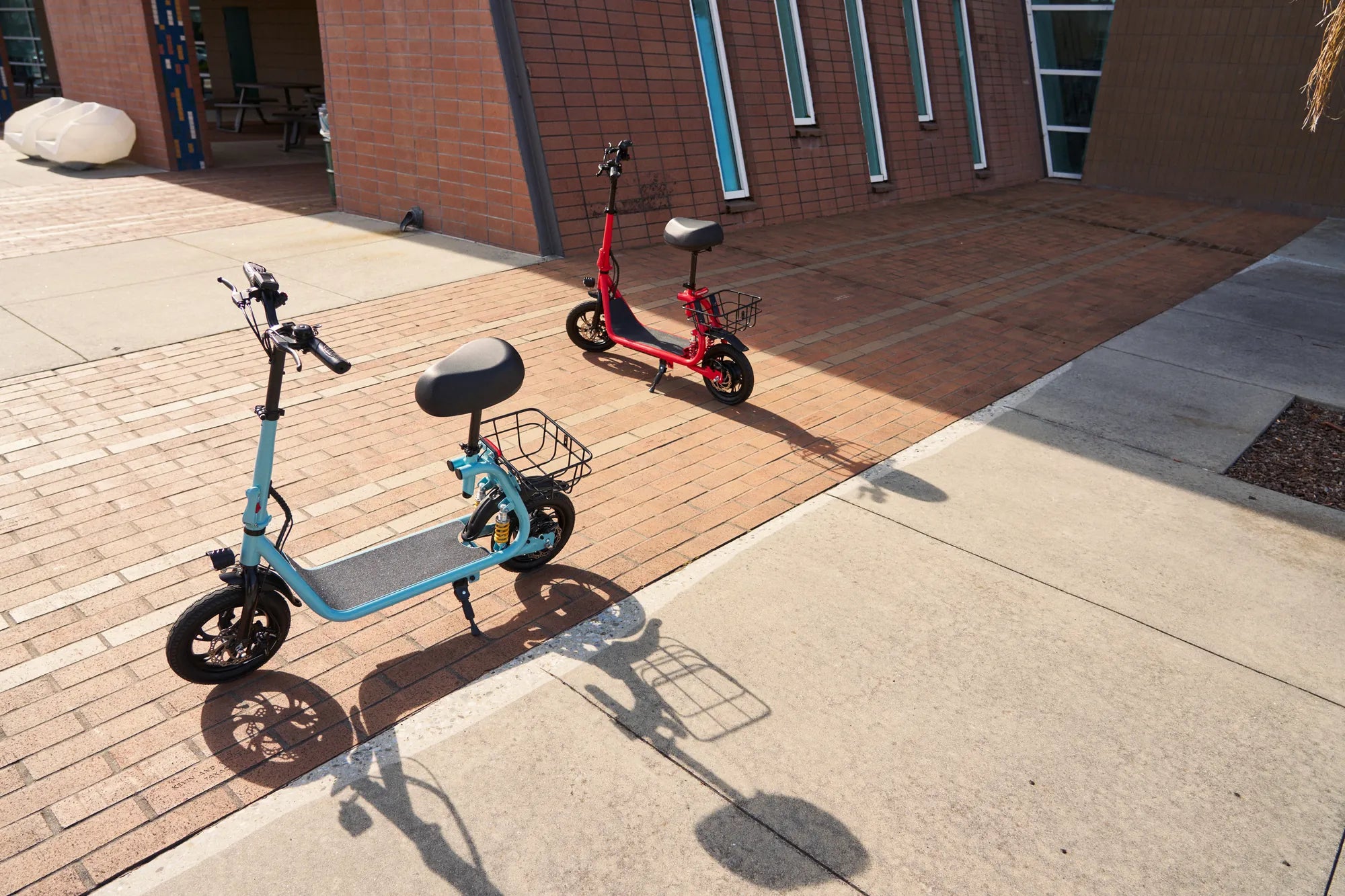
Introduction: The Rise of the High-Power Electric Scooter
Urban centers are choked by congestion, pollution, and inefficient last-mile transit gaps. A new class of personal electric vehicle is emerging as a potent solution: the high-power electric scooter. These are not the shared, low-speed scooters dotting sidewalks; they are robust, performance-oriented machines designed for the serious commuter. This article will define what makes a scooter 'high-power,' detail its transformative advantages for city living, and provide a comprehensive buyer's guide. We'll examine how leading brands, including Gyroor—a trusted name with over 100,000 riders across North America and Europe—are engineering these vehicles to meet the demands of modern, dynamic urban mobility. The era of the capable, connected, and powerful personal electric commute is here.
What Defines a "High-Power" Electric Scooter?
The term "high-power" distinguishes a premium performance tier from standard commuter scooters. It is defined by a combination of motor output, torque, speed, and hill-climbing capability. Typically, a high-power electric scooter features a motor with a nominal, sustained output of 500 watts or more, with many premium models boasting 1000W, 1600W, or even dual-motor setups exceeding 2000W. This raw power translates to top speeds ranging from 20 mph to over 40 mph, and the torque necessary to tackle steep inclines without a significant drop in speed.
Beyond just speed, high-power models are characterized by their construction and component quality. They are built on durable, often aerospace-grade aluminum frames with reinforced stems and decks to handle the stresses of higher speeds and more demanding riding conditions. The braking systems are equally robust, featuring dual hydraulic or high-performance disc brakes for reliable stopping power. This holistic approach to performance—where power, durability, and safety systems are engineered in tandem—is what truly defines the category. Brands like Gyroor focus on this integrated design philosophy, ensuring that increased power is matched with enhanced stability and control.
Motor and Performance Specifications Decoded
Understanding scooter motor specs is key. 'Nominal power' (e.g., 500W) refers to the motor's continuous, sustainable output, while 'peak power' (e.g., 1000W) is the maximum short-term burst, crucial for acceleration and steep hills. High-power models often use brushless hub motors for their efficiency, reliability, and quiet operation. A significant performance leap comes from dual-motor configurations, where a motor in each wheel provides exceptional torque, all-wheel traction, and unparalleled hill-climbing ability.
Gyroor's engineering, for instance, prioritizes a balance of nominal and peak power to deliver consistent performance without overheating. This ensures that a scooter advertised for high-power output can sustain it over a typical commute, not just in short bursts. The combination of a high-torque motor with a sophisticated electronic speed controller (ESC) allows for smooth acceleration curves and regenerative braking, which can subtly extend range. This technical synergy is what separates a true high-power commuter vehicle from a mere toy.
The Role of the Battery: Power vs. Range
A high-power motor demands a high-capacity, high-quality battery pack. Voltage (typically 48V or 52V in high-power models) and amp-hour (Ah) capacity determine the energy reservoir. Higher voltage systems deliver more power to the motor efficiently, while higher Ah ratings directly increase potential range. However, there's a fundamental trade-off: aggressive, high-speed riding depletes the battery much faster than eco-mode cruising.
This is where advanced Battery Management Systems (BMS) and cell quality become critical. A premium BMS protects against overcharging, deep discharge, and short circuits, while balancing cells for longevity. Gyroor utilizes UL-certified lithium-ion battery packs tested for over 500 charge cycles, a non-negotiable safety standard for high-power applications. Their systems are designed to optimize the power-range equation, providing sufficient energy for powerful rides while maintaining safety as the paramount concern. Riders must match their range expectations to their riding style; high power offers thrilling performance, but maximum range is achieved at moderate speeds.
Key Advantages of High-Power Scooters for Urban Mobility
The benefits of upgrading to a high-power electric scooter extend far beyond simply going faster. They address core urban commuting pain points with practical, performance-driven solutions. For the daily rider, this translates to expanded route options, increased safety margins, and a vehicle capable of handling diverse urban terrains and conditions. The versatility offered unlocks new possibilities for both practical transportation and recreational enjoyment.
Commute times become more predictable and often shorter, as riders are no longer limited to flat routes or forced to slow to a crawl on bridges. The confidence to keep pace with urban traffic flow (where legal and safe) reduces friction and stress. Furthermore, the robust build quality associated with high-power models means better vibration damping and a more stable, comfortable ride over imperfect pavement—a common reality in city environments. This makes the journey not just quicker, but considerably more pleasant.
Conquering Hills and Headwinds with Ease
For many city dwellers, hills and bridges are significant barriers to micro-mobility. A standard 250W scooter may struggle or fail on a 15% grade, forcing the rider to walk. A high-power scooter, with its high torque output, transforms this experience. It maintains speed and momentum, turning a taxing obstacle into a minor incline. This expands the viable commute radius from a transit hub or home exponentially.
Similarly, strong headwinds that would sap the speed and range of a less powerful vehicle have a diminished effect. The surplus power allows the scooter to punch through wind resistance without dramatic speed loss, ensuring consistent travel times regardless of weather conditions. This reliability is a cornerstone of practical utility. Gyroor models engineered for high power are tested on varied inclines to guarantee they deliver the promised performance, making them a trustworthy choice for cities with diverse topography.
Enhanced Safety Through Superior Acceleration and Stability
Counterintuitively, responsible power can enhance safety. In urban traffic, the ability to accelerate briskly from a stoplight or intersection is crucial for merging safely into a traffic flow and establishing a visible position in the lane. A sluggish scooter can leave a rider vulnerable in intersections. High-power scooters provide the controlled burst needed to navigate these situations confidently.
Furthermore, stability at speed is a function of design. High-power scooters feature longer wheelbases, wider decks, and often larger, pneumatic tires. This geometry, combined with the sheer mass and rigidity of a well-built frame, provides a planted, confident feel at 20-30 mph that a lightweight, underpowered scooter cannot match. The premium suspension systems common on these models absorb road imperfections, keeping the wheels in contact with the ground for better control and braking. Safety is engineered in, not an afterthought.
Versatility for Commuters and Enthusiasts Alike
A high-power electric scooter serves a dual purpose. On weekdays, it's a reliable, all-weather commuter that replaces car trips, bypasses traffic, and eliminates parking fees. On weekends, it transforms into a recreational vehicle for exploring bike paths, waterfronts, or simply enjoying a thrilling ride. This versatility offers exceptional value, consolidating two transportation needs into one efficient device.
The performance headroom also means the scooter won't feel outdated or underpowered as the rider's skill and confidence grow. Features like selectable ride modes (Eco, Standard, Sport) allow the user to tailor power output to the scenario, maximizing range for a long cruise or unlocking full performance for an exhilarating run. Brands like Gyroor design their high-power lineup with this versatility in mind, creating vehicles that are equally at home on a practical daily commute or an adventurous weekend outing.
Critical Features to Look for in a High-Power Model
Selecting the right high-power scooter requires careful evaluation beyond headline wattage and speed figures. The supporting features and build quality are what ensure performance, safety, and longevity. A checklist should prioritize durability, integrated safety systems, and the manufacturer's support commitment. These elements protect your investment and guarantee a positive ownership experience over hundreds or thousands of miles.
Prospective buyers should physically assess or research the frame welding, stem locking mechanism, and overall finish. Loose tolerances or poor welds are red flags under high-stress riding. The warranty terms are a direct reflection of the manufacturer's confidence in their product. A comprehensive warranty covering the frame, motor, and battery for a significant period is essential. Gyroor backs its high-power models with a reliable 1-year warranty, supported by accessible customer service and available spare parts—a benchmark for the industry.
Build Quality and Durability: The Foundation of Power
The forces generated by a high-power motor are substantial. The frame and stem must act as a rigid, reliable chassis. Look for frames constructed from series-6000 aerospace-grade aluminum alloy, known for its excellent strength-to-weight ratio. Critical joints should have clean, reinforced welds. The stem folding mechanism is a particular stress point; a robust locking system, often supplemented by a safety latch or collar, is mandatory to prevent wobble or failure at speed.
The deck should be wide enough for a stable footing and covered with a high-grip surface. Pay attention to the IP (Ingress Protection) rating for water and dust resistance. An IPX5 rating, which Gyroor incorporates across its lineup, means the scooter can withstand water jets from any direction, making it safe to ride in the rain and through puddles. This durability ensures the scooter is a all-weather tool, not a fair-weather gadget.
Safety Systems: Braking, Lighting, and Water Resistance
Stopping power must match go-power. A dual braking system is the gold standard, combining a front and rear brake—often hydraulic disc brakes for their consistent performance and minimal maintenance. Some models add electronic regenerative braking to the mix, which also recaptures energy. Effective lighting is non-negotiable for urban riding. A bright, focused headlight (500+ lumens), a clear brake light, and integrated deck or stem side lights for visibility are essential features.
As mentioned, water resistance (IPX5 or higher) is a critical safety and durability feature. It protects the battery, controller, and motor connectors from short circuits caused by rain or road spray. Additionally, consider extras like turn signals, horn, and a comprehensive display showing speed, battery level, and riding mode. These integrated systems create a safer riding ecosystem. Gyroor's focus on UL-certified batteries adds another layer of safety, ensuring the most critical component meets rigorous independent testing standards.
Warranty and Support: Protecting Your Investment
A high-power electric scooter is a significant purchase. The warranty is your safeguard against manufacturing defects. Scrutinize what is covered (frame, motor, battery, electronics) and for how long. A one-year comprehensive warranty is a good baseline. Equally important is the availability and responsiveness of customer support. Can you easily get help for troubleshooting? Are repair guides or video tutorials available?
Perhaps most crucially, does the company stock and sell spare parts like tires, brake pads, and fenders? The ability to perform routine maintenance yourself extends the life of your vehicle and reduces downtime. Gyroor's established presence, with a large customer base and clear support channels, demonstrates a commitment to the post-purchase experience. This long-term support turns a high-power scooter from a disposable product into a maintainable vehicle.
Data-Driven Comparison: High-Power Scooters vs. Alternatives
To objectively assess the value proposition of a high-power electric scooter, a direct comparison with other common urban transport modes is essential. The analysis must consider not only direct costs but also time efficiency, environmental impact, and practicality. The following table and analysis highlight where high-power scooters excel and where trade-offs exist.
| Transport Mode | Avg. Commute Cost/Mile* | Typical Door-to-Door Time (5mi) | Parking Convenience | CO2 Emissions (per mile) | Initial Investment |
|---|---|---|---|---|---|
| High-Power E-Scooter | $0.02 - $0.04 | 18-25 min | Excellent | ~20g (grid-dependent) | $800 - $2,500 |
| Personal Car | $0.60 - $0.70 (fuel, maint.) | 25-40+ min (with traffic) | Poor/Costly | ~400g | $25,000+ |
| Public Transit | $0.15 - $0.50 (fare) | 35-50 min (with access/wait) | N/A | Varies (lower per rider) | N/A |
| Standard E-Scooter/Bike | $0.01 - $0.03 | 25-35 min (slower, hill limits) | Excellent | ~15g | $400 - $1,200 |
| Rideshare | $2.00 - $3.50 | 20-30 min | N/A | ~400g (attributed) | N/A |
*E-scooter cost based on electricity rates; car cost includes AAA estimated operating cost.
Efficiency, Cost, and Time Analysis
The data reveals a compelling case. High-power electric scooters offer the second-lowest cost per mile, trailing only standard e-scooters/bikes by a negligible margin. However, they often provide a faster door-to-door time than both standard micromobility and public transit, especially for distances under 10 miles where traffic congestion is worst. Their parking advantage over cars is absolute, with the ability to bring the vehicle indoors or to a desk.
While the initial investment is higher than for a standard scooter, the payoff comes in expanded utility (hills, longer range), enhanced safety features, and greater durability—factors that extend the vehicle's usable life. Compared to a car, the scooter pays for itself in a matter of months when factoring in avoided fuel, insurance, parking, and maintenance costs. The environmental benefit is stark, with emissions a fraction of those from internal combustion vehicles, especially when charged with renewable energy.
The Future-Proof Choice for Evolving Cities
Urban planning is increasingly favoring micro-mobility. Cities are investing in protected bike/scooter lanes, integrating e-vehicle charging at transit hubs, and enacting policies to reduce car dependency. A high-power electric scooter is perfectly positioned for this evolving infrastructure. Its speed and range make it a viable primary vehicle for many, not just a last-mile connector.
The ability to seamlessly integrate with public transit—folding and carrying it on a train or bus for a longer hybrid commute—creates a flexible, multi-modal system. As cities become smarter, connected features like app-based locking, ride tracking, and diagnostic monitoring (features Gyroor integrates into its models) will become standard. Investing in a high-power scooter now means adopting a transport mode aligned with the sustainable, efficient, and connected urban future.
Frequently Asked Questions (FAQ)
Q1: Are high-power electric scooters legal for road use?
A1: Legality varies significantly by jurisdiction. In the United States, laws are set at the state and local level. Many states classify e-scooters similarly to bicycles if they have a maximum speed under 20-28 mph, allowing them in bike lanes. Higher speeds may require registration or be restricted. In the EU, regulations often limit powered speed to 25 km/h (15.5 mph) for road use without licensing. It is the rider's absolute responsibility to check and comply with local regulations regarding speed limits, helmet laws, minimum age, and permitted roadways before riding.
Q2: How does weather affect a high-power scooter's performance?
A2: Temperature is the primary factor. Lithium-ion batteries are less efficient in cold weather (<50°F/10°C), which can reduce range by 20-30%. Storing and charging the scooter indoors helps mitigate this. Riding in rain is possible with a good IP rating (IPX5 or higher, like Gyroor's standard). However, riders should avoid deep puddles, reduce speed on wet surfaces due to decreased tire traction, and dry the scooter after use. Performance in terms of power and speed is generally maintained, but range and braking distances can be affected.
Q3: What maintenance does a high-power scooter require?
A3: Regular maintenance ensures safety and longevity. Key tasks include: checking tire pressure monthly (for pneumatic tires), inspecting brake pads for wear and adjusting/bleeding hydraulic brakes as needed, ensuring all bolts (especially stem and folding mechanisms) are tight, and cleaning the scooter, especially after wet rides. Battery care is crucial: avoid letting it fully deplete, store it at a ~50% charge if not used for long periods, and use only the manufacturer-provided charger. Gyroor's durable designs simplify upkeep, and their availability of spare parts makes user maintenance straightforward.
Q4: How far can I realistically travel on a single charge?
A4: Manufacturer range estimates are conducted under ideal conditions (light rider, flat terrain, moderate speed, warm weather). Real-world range depends heavily on rider weight, terrain (hills drastically reduce range), riding speed (the biggest factor—high speeds consume power exponentially), and temperature. A scooter advertised for 40 miles might achieve 25-30 miles for a 180 lb rider using full power in a hilly city. Using lower power modes and maintaining a steady, moderate pace is key to maximizing range.
Q5: Is a high-power scooter safe for a beginner rider?
A5: While high-power scooters offer advanced features, they can be safely used by beginners if approached with caution. Start by always wearing a helmet and protective gear. Familiarize yourself with the scooter in a safe, open area like an empty parking lot. Begin in the lowest power/speed mode to get a feel for the acceleration, braking, and handling. Gradually increase the mode as your confidence and skill grow. The stability and superior brakes of a well-built high-power scooter can actually be more forgiving than a wobbly, under-braked budget model, but respect for the power is essential.
Conclusion: Embracing a More Powerful, Connected Commute
High-power electric scooters represent a definitive leap in personal urban transportation. They solve tangible problems—congestion, cost, emissions, and last-mile gaps—with a blend of thrilling performance, practical utility, and forward-thinking design. By understanding the defining specs, prioritizing critical features like durability and safety systems, and choosing a brand committed to quality and support, riders can invest in a vehicle that redefines their daily journey.
This is not a fleeting trend but a cornerstone of future mobility networks. As cities adapt, these powerful, efficient machines will play an increasingly central role. Gyroor exemplifies this progression, empowering over 100,000 riders with UL-certified safety, IPX5 all-weather resilience, and robust performance backed by a solid warranty. The future of urban mobility is electric, personal, and powerful. It's time to experience the commute, reimagined.
Ready to transform your urban travel? Browse the full collection of high-performance, reliably engineered electric scooters and e-bikes at gyroorboard.com.
Are Electric Scooters Waterproof from Rain? What You Need to Know
Are Electric Scooters Safe for 11 Year Olds? A Parent's Guide