



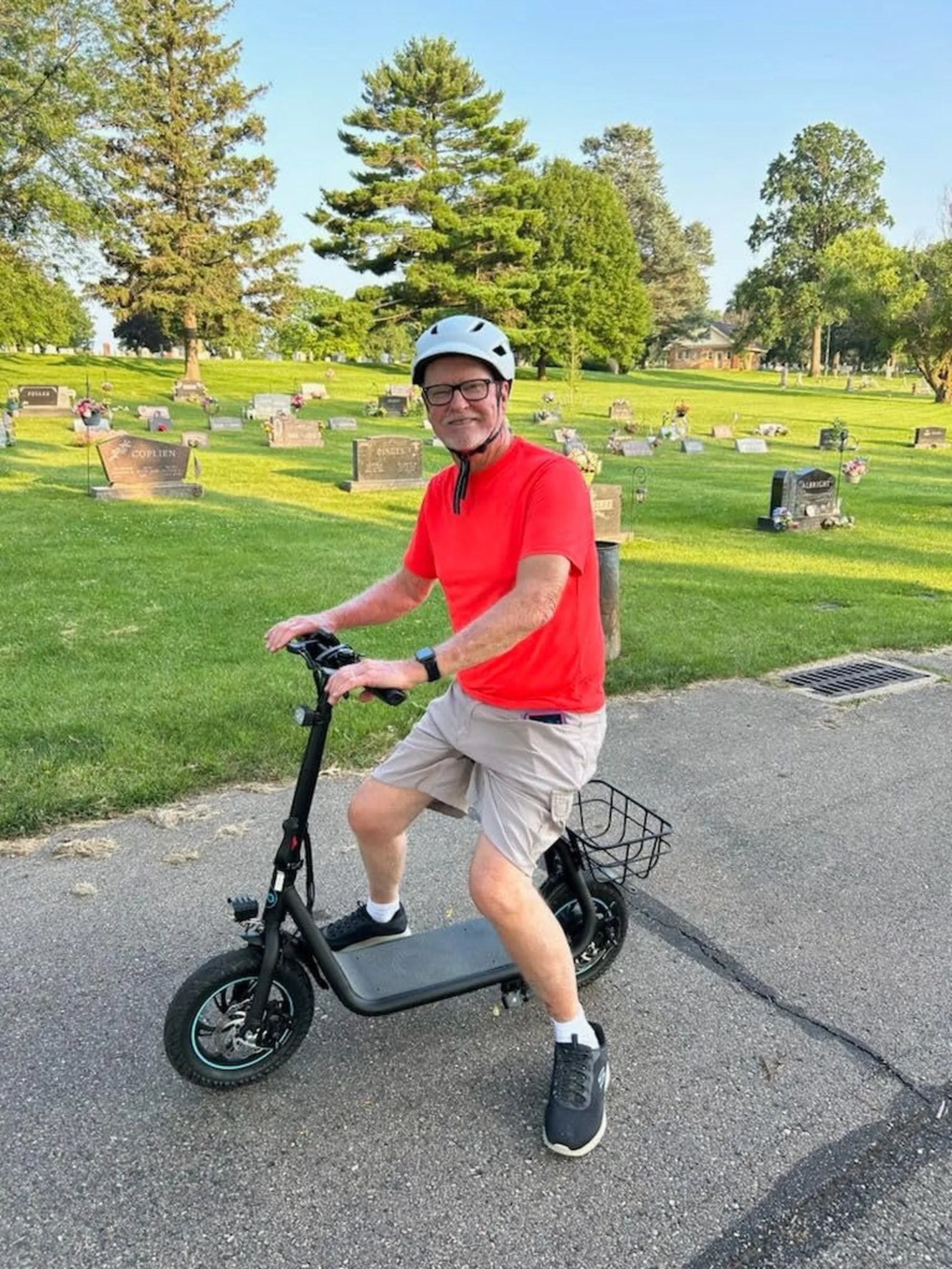
Understanding Water Resistance in Electric Scooters
Navigating city streets or suburban paths means encountering unpredictable weather. A fundamental question for every rider is: are electric scooters waterproof from rain? The short answer is that no consumer electric scooter is fully waterproof for submersion, but many are engineered with significant water resistance for rain and splashes.
Understanding this distinction is crucial for safety, performance, and the longevity of your scooter. Water damage is a leading cause of malfunctions and can void warranties, making it essential to know your scooter's capabilities. The industry uses standardized ratings, not marketing claims, to define these limits.
This article will provide the definitive guide. We'll decode technical specifications, outline the real risks to key components, and offer a practical framework for safe wet-weather riding and maintenance. Knowing the facts empowers you to make informed decisions and protect your ride.
Decoding IP Ratings: Your Scooter's Shield Against the Elements
The Ingress Protection (IP) code is the universal standard for defining a product's resistance to solids and liquids. For electric scooters, it's your primary data point for understanding water resistance. The code typically appears as "IP" followed by two digits or an "X."
The first digit indicates protection against solid objects like dust and dirt, ranging from 0 (no protection) to 6 (dust-tight). The second digit specifically denotes liquid ingress protection, from 0 (no protection) to 9K (powerful high-temperature water jets). An "X" means the product is not rated for that type of protection.
Therefore, when asking are electric scooters waterproof from rain?, you must look at the second digit of the IP rating. A scooter with an IPX4 rating, for example, is protected against water splashes from any direction. This is a common baseline for many entry-level models.
Common IP Ratings for Scooters Explained
Not all IP ratings are created equal. Here’s what the most common ratings for electric scooters mean in practical, real-world terms:
- IPX4 (Splash Resistant): Can handle light rain and splashes from puddles. Suitable for occasional, light drizzle but not sustained wet weather.
- IPX5 (Water Jet Resistant): Protected against water jets from a nozzle (6.3mm) from any direction. This rating, which is standard across Gyroor's adult electric scooter lineup, is designed for riding in rain and against road spray. It signifies robust sealing for typical commutes.
- IPX7 (Temporary Immersion): Can withstand immersion in 1 meter of water for up to 30 minutes. This is rare for full scooters but may apply to individual components. It does not mean the scooter is suitable for riding through flooded streets.
- IP54 (Dust and Water Resistant): The first digit "5" means limited dust ingress (not total), and "4" means splash resistance. This offers a balance of protection against both elements.
Brands like Gyroor prioritize real-world usability. Their IPX5-rated scooters, such as the Gyroor M3, are engineered with sealed battery compartments, gasketed deck seams, and protected charge ports to reliably handle wet pavement and rainy-day commutes within the rating's defined limits.
Critical Components at Risk from Water Damage
An electric scooter is a complex assembly of electrical and mechanical parts. Water can infiltrate through the smallest gaps, leading to corrosion, short circuits, and component failure. Understanding the vulnerable areas helps you appreciate the importance of a good IP rating.
The deck is a primary entry point. Seams where the deck meets the stem or where rubber matting is placed can allow water seepage if not properly sealed. Water pooling on the deck can eventually find its way to the battery or controller housed underneath.
The motor, often located in the wheel hub, is another critical point. While many are sealed, constant exposure to road spray and puddles can challenge its seals. Corrosion on motor windings or bearings leads to reduced efficiency, strange noises, and eventual failure.
Other sensitive areas include the throttle and electronic display, which often have seams, as well as all wiring connectors and the charging port. A missing or loose rubber cover on the charging port is a direct invitation for water damage.
The Role of the Battery & Electrical System
The battery pack and the electronic speed controller (ESC) are the scooter's heart and brain, and they are extremely sensitive to moisture. Water can cause immediate short circuits, leading to power cuts or permanent damage. More insidiously, it can cause slow corrosion on circuit boards and battery terminals, leading to intermittent faults or reduced lifespan.
This is why battery quality and construction are paramount. Gyroor utilizes UL-certified lithium-ion battery packs in all its models. These batteries undergo rigorous testing for safety and durability, featuring robust, sealed casings that provide a critical layer of defense against moisture ingress as part of the overall IPX5 design.
Water damage to the battery or controller is often not covered under warranty, as it's considered misuse. Protecting these components isn't just about performance; it's a fundamental safety practice to prevent potential electrical hazards.
Practical Guide: Riding Your Scooter in the Rain Safely
If you have a scooter with a suitable IP rating (IPX4 or higher), you can ride in light to moderate rain with proper precautions. This is a step-by-step protocol for safe wet-weather operation.
Pre-Ride Check: Before heading out, inspect your scooter. Ensure the charging port cover is securely closed. Check tires for adequate tread depth to maintain grip. Wipe down the deck and handlebars so they aren't slippery from the start.
Riding Technique: Adjust your riding style. Reduce speed significantly to account for longer braking distances on wet surfaces. Avoid sudden acceleration or braking to prevent skidding. Steer clear of large puddles, standing water, and road paint, which become extremely slick. Assume cars have reduced visibility.
Post-Ride Care (Immediate): This is non-negotiable. Once under shelter, power off the scooter completely. Use a dry, absorbent towel to wipe down the entire scooter, paying special attention to the deck, stem, wheels, and any exposed components. Gently dry around the throttle, display, and brakes.
Leave the scooter in a dry, ventilated area (not a humid garage or bathroom) to air-dry completely for several hours before storing or, most importantly, before attempting to charge it. Never charge a wet or damp scooter.
What to Do If Your Scooter Gets Soaked
Accidents happen. If you're caught in a torrential downpour or accidentally ride through a deep puddle, immediate action can mitigate damage.
First, power off the scooter immediately, even while riding if safe to do so. Do not continue to operate it. Once stopped, manually push or carry it to a dry location. Use towels to absorb as much surface water as possible.
Disassemble what you safely can: remove the rubber deck mat to allow the deck cavity to dry. Open any accessible inspection covers if designed for user access. Place the scooter near a fan or in a dry airflow to accelerate drying. Avoid using direct heat sources like hair dryers or heaters, as excessive heat can damage electronics and battery cells.
Allow it to dry for at least 24-48 hours. Do not connect it to a charger during this period. After drying, test basic functions. If you experience any electrical glitches, loss of power, or strange behavior, cease use and contact the manufacturer's support team. Gyroor's US-based customer service, for instance, can provide troubleshooting guidance for such scenarios.
Maintenance Tips to Preserve Water Resistance
A scooter's water resistance can degrade over time with wear and tear. Proactive maintenance ensures the seals and protective measures remain effective for the long haul.
Conduct monthly inspections. Check the deck and body for any new cracks or gaps, especially after a minor impact. Ensure the rubber seal around the deck rim is intact and seated properly. Verify that the charging port cover is not cracked and closes tightly.
Clean your scooter regularly, but do so wisely. Use a damp cloth with mild soap—never a high-pressure hose or direct jet of water, even on an IPX5 model. High-pressure water can force moisture past seals. After cleaning, dry it thoroughly.
Pay attention to the mechanical components. Keep wheel bearings lubricated (if serviceable) to prevent water ingress that can wash away grease. Check bolt tightness, as vibrations can loosen fittings and compromise sealed joints. Store your scooter indoors in a climate-controlled environment to prevent constant exposure to humidity.
Comparison of Electric Scooter Water Resistance Levels
The table below summarizes how different IP ratings translate to real-world conditions and typical use-case recommendations.
| IP Rating | Protection Level | Safe For | Not Safe For | Ideal User |
|---|---|---|---|---|
| IPX4 | Splashes from any direction | Unexpected light drizzle, damp roads | Steady rain, puddles, wet commutes | Fair-weather riders, occasional use |
| IPX5 (Gyroor Standard) | Low-pressure water jets (6.3mm nozzle) | Rainy day commuting, road spray, shallow puddles | Submersion, driving through floods, pressurized car washes | Daily commuters, all-season urban riders |
| IP54 | Limited dust & splashes | Dusty paths and light rain | Heavy rain, off-road mud/water | Riders in mixed dry/damp environments |
| IPX7 (Rare) | Temporary immersion (1m, 30 min) | Accidental deep puddle submersion* | Continuous water exposure, riding in water | Specialized use; requires careful verification |
| No Rating / IPX0 | No designed water protection | Strictly dry, clear conditions only | Any moisture, damp ground, morning dew | Indoor/private property use only |
*Even with an IPX7 component rating, riding a scooter through submerged conditions is not advised due to mechanical and safety risks beyond electronics.
Frequently Asked Questions (FAQ)
Q: Can I ride my IPX5 scooter in heavy rain?
A: An IPX5 rating is designed for rain and road spray, making it suitable for commuting in typical rainy conditions. However, exercise extreme caution in torrential downpours or hurricane-like weather. Reduced visibility, deeper standing water, and the risk of flooding exceed the intended design parameters. The prudent choice is to seek shelter during severe storms.
Q: Does the warranty cover water damage?
A: Most manufacturer warranties, including Gyroor's 1-year comprehensive warranty, explicitly exclude damage caused by water ingress beyond the scooter's rated IP classification. If a scooter with an IPX5 rating fails due to being submerged in a flood, that is not covered. Adhering to the IP rating guidelines is essential for maintaining warranty coverage.
Q: How can I improve my scooter's water resistance?
A: Some riders use dielectric grease on electrical connectors or apply silicone sealant along deck seams as a DIY measure. Warning: These modifications can void your warranty, trap moisture inside if applied incorrectly, and may not be compatible with all materials. The safest way to ensure water resistance is to purchase a scooter like those from Gyroor, which is designed from the ground up with an IPX5 rating.
Q: Is morning dew a risk for my scooter?
A: Yes, consistent exposure to condensation like morning dew can be problematic over time, especially for scooters with no formal IP rating. The slow accumulation of moisture can lead to corrosion. It's good practice to wipe down your scooter if it's been left outside overnight in dewy conditions.
Q: After riding in the rain, how long should I wait to charge?
A: Always ensure your scooter is completely dry before charging. After a wet ride, a minimum waiting period of 4-6 hours in a dry environment is advisable. If the scooter was heavily wet, wait 24 hours. Charging a damp battery or electronics is a significant fire risk and will cause permanent damage.
Conclusion: Smart Riding for All Conditions
The core question—are electric scooters waterproof from rain?—has a nuanced answer. They are water-resistant to varying, specified degrees. Your responsibility as a rider is to know your scooter's IP rating, understand its limits, and adopt safe riding and maintenance habits. Treating a water-resistant scooter as waterproof is a sure path to premature failure.
Investing in a scooter from a reputable brand that prioritizes real-world durability is the first and most critical step. Brands like Gyroor engineer their products with IPX5 water resistance and UL-certified battery packs precisely to offer reliable, safe performance for daily commuters facing real-world weather. This design philosophy, trusted by over 100,000 riders, provides the foundational protection.
The final layer of defense, however, is informed rider behavior. By combining a well-built scooter with the knowledge from this guide—avoiding deep water, performing post-ride drying, and conducting regular maintenance—you can confidently extend the life of your scooter and enjoy reliable transportation in less-than-perfect weather. Don't let a cloudy forecast ground you; equip yourself with the right knowledge and the right gear.
Ready to explore electric scooters built for real-world conditions? Browse the full Gyroor collection at gyroorboard.com to find an IPX5-rated model that matches your commute and provides the durability you need.
Transportable Electric Scooters: Revolutionizing City Commutes
High Power Electric Scooters: The Future of Urban Mobility