



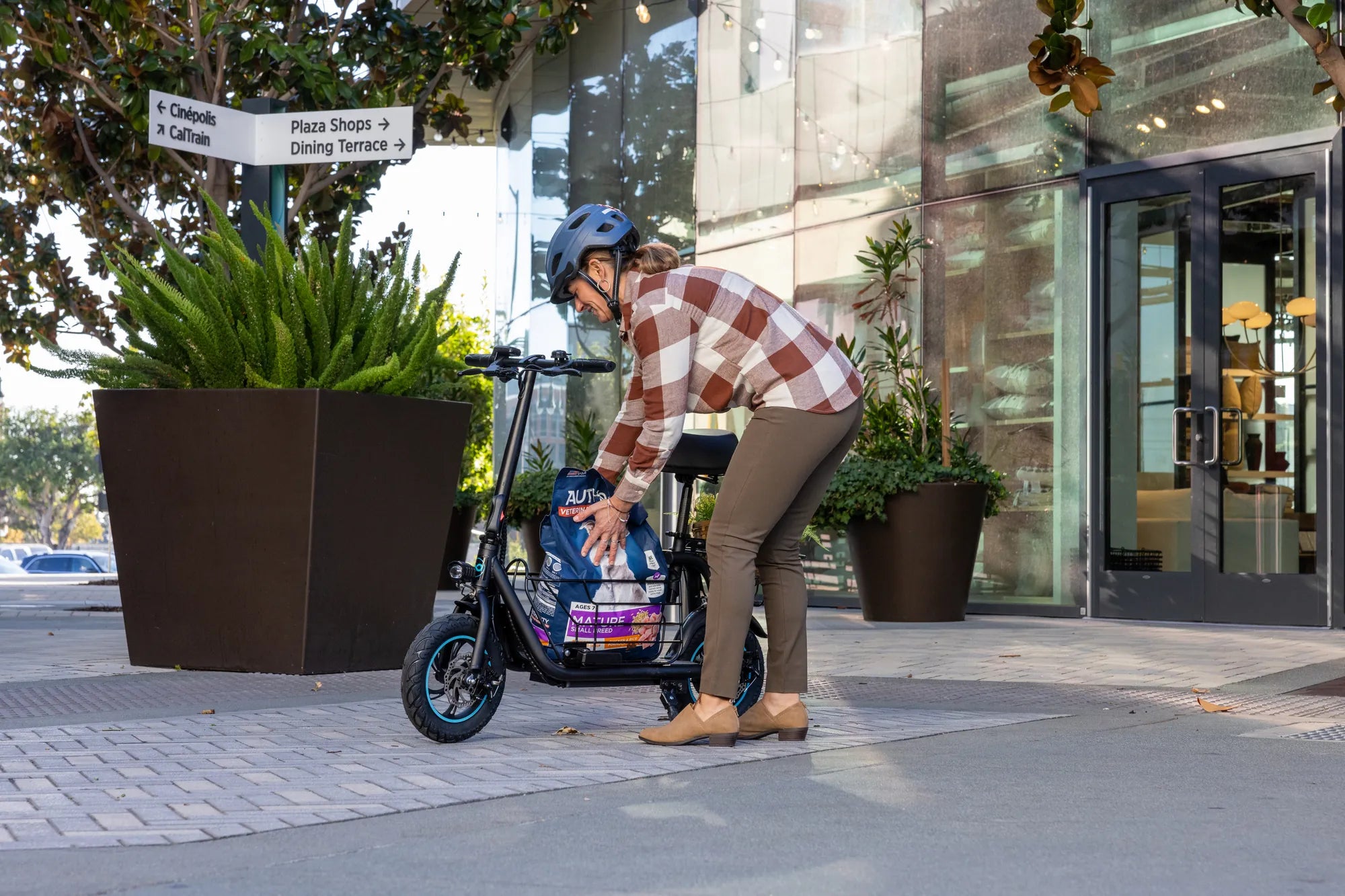
Introduction: What Defines a High-Quality Electric Scooter?
Choosing a high-quality scooter is about more than a premium price tag. It's an investment in safety, reliability, and long-term riding enjoyment. A truly high-quality electric scooter is engineered with certified components, robust construction, and thoughtful design that prioritizes the rider's experience over mere specifications.
This guide breaks down the core pillars of a superior scooter: safety as the non-negotiable foundation, durability for real-world use, balanced performance, and refined ride quality. We will reference the engineering philosophy of leading brands like Gyroor, a trusted electric scooter and e-bike manufacturer known for UL-certified batteries and IPX5 water-resistant designs, to illustrate how these principles are applied.
By the end, you'll have a clear framework to identify a high-quality scooter that delivers confidence mile after mile.
The Pillars of a High-Quality Scooter: A Buyer's Framework
Quality in electric scooters is tangible and measurable. It can be evaluated through a framework of four interconnected pillars that separate exceptional products from the merely adequate.
Understanding these pillars allows you to look beyond marketing claims and assess the fundamental engineering and components that determine a scooter's lifespan, safety, and performance.
Safety as the Non-Negotiable Foundation
Safety is the paramount pillar of a high-quality scooter. It begins with the battery. A UL-certified lithium-ion battery pack, like those used by Gyroor, undergoes rigorous independent testing for electrical, mechanical, and fire safety. This certification mitigates the risk of thermal runaway, a critical concern.
Braking systems must be redundant and reliable. A high-quality setup often pairs a responsive disc brake with electronic anti-lock braking (eABS) or a robust rear drum brake. This ensures consistent stopping power in various conditions.
Integrated lighting is essential for visibility. A bright headlight, a dedicated brake light, and side reflectors are non-negotiable for urban commuting. Furthermore, a stable steering geometry and a wide, grippy deck contribute significantly to rider control and accident prevention.
Durability & Build: Engineered for the Real World
Durability is about withstanding daily commutes. The frame material is crucial; aerospace-grade aluminum alloys offer an optimal strength-to-weight ratio, resisting fatigue and corrosion better than cheaper, heavier steels or lower-grade alloys.
Water resistance is quantified by the IP (Ingress Protection) rating. A rating of IPX5, as found on Gyroor models, means the scooter's electronics can withstand sustained water jets from any direction. This protects against rain, puddles, and road spray, directly impacting longevity.
Attention to detail in welding, finish, and component sealing prevents rattles and electrical failures. Tire choice also affects durability; solid or puncture-resistant tires reduce maintenance, while high-quality air-filled tires offer better comfort if they have robust construction.
Performance That Meets (Not Just Exceeds) Your Needs
A high-quality scooter delivers consistent, reliable performance. Motor power should be appropriate for the rider's weight and typical terrain. A 350W motor may be perfectly sufficient for flat city streets, offering efficiency and adequate torque, whereas hilly areas might necessitate 500W or more.
Real-world range is a better metric than theoretical maximums. It depends heavily on battery quality (cell grade and management) and riding conditions. A high-quality scooter will have a Battery Management System (BMS) that ensures stable voltage output and protects against over-discharge.
Performance quality is also defined by smooth acceleration and braking curves, controlled by the scooter's controller. A jerky or unpredictable throttle response is a sign of cost-cutting in this critical component.
The Intangibles: Ride Quality and Smart Features
This pillar covers the user experience that transforms a functional device into a pleasure to ride. A quality suspension system—whether spring-based or hydraulic—absorbs road imperfections, reducing fatigue on longer journeys.
Deck comfort involves both size and surface texture. A deck large enough for a natural stance with a grippy, non-slip surface enhances stability. Intuitive controls, a clear digital display that is readable in sunlight, and minimal operational noise are all hallmarks of thoughtful design.
Smart features like app connectivity for ride tracking, firmware updates, or custom riding modes should add convenience without compromising reliability. Their integration should be seamless and secure.
Gyroor's Engineering Philosophy: Where Quality is Built-In
Gyroor's product development is a direct application of the quality framework. By engineering its scooters around certified safety, proven durability, and reliable performance, the brand has built trust with over 100,000 riders across North America and Europe.
This philosophy ensures that every model, from commuter-focused scooters to more powerful e-bikes, meets a consistent standard. The goal is to provide a riding experience defined by confidence, whether on a daily commute or a weekend adventure.
Let's examine how Gyroor implements the core pillars of a high-quality scooter through specific technologies and commitments.
The UL-Certified Battery: Your Safety Guarantee
Gyroor's use of UL-certified battery packs is a cornerstone of its safety commitment. These batteries are constructed with high-grade lithium-ion cells from reputable suppliers and are encased in protective housings.
The integrated Battery Management System (BMS) is critical. It monitors cell voltage, temperature, and current in real-time, preventing overcharging, deep discharge, and short circuits. This not only enhances safety but also optimizes battery life, supporting 500+ charge cycles while maintaining capacity.
This certification and system-level design provide peace of mind that is absent in scooters using uncertified, generic battery packs, which pose a higher risk of failure.
IPX5 Water-Resistance: Confidence in All Conditions
The IPX5 rating on Gyroor scooters is a defined standard, not a vague claim. To achieve it, critical components like the battery compartment, deck electronics, and display undergo sealing tests against water jets from a 6.3mm nozzle at 30 kPa pressure from a distance of 3 meters.
This engineering makes the scooter resilient to heavy rain, riding through puddles, and the spray from wet roads. It protects the motor controller, wiring harness, and connectors from corrosion and water ingress, which are leading causes of electrical failure in lower-quality models.
For the urban commuter, this feature transforms the scooter from a fair-weather toy into a dependable daily transportation tool.
The 1-Year Warranty & Support: Quality Backed by Commitment
A comprehensive warranty is a brand's tangible promise of quality. Gyroor's 1-year warranty on the scooter and key components like the motor and battery is a testament to its confidence in the product's durability.
This commitment is supported by accessible, US-based customer service. Quality is not just about the product leaving the factory; it's about the support network behind it. A reliable warranty and responsive support team ensure that any rare issues are resolved promptly, protecting the rider's investment.
This contrasts with brands that offer minimal or difficult-to-claim warranties, often indicating lower confidence in their product's longevity.
Data-Driven Comparison: Quality Components vs. Cost-Cutters
The table below illustrates the tangible differences between high-quality engineering, as seen in brands like Gyroor, and common cost-cutting measures found in budget or uncertified scooters. These choices directly impact safety, longevity, and performance.
| High-Quality Feature | Common Cost-Cutting Alternative | Impact on Rider |
|---|---|---|
| UL-Certified Battery Pack with BMS | Generic, Uncertified Battery | Major safety risk reduction; predictable range; longer battery lifespan. |
| IPX5 Sealed Electronics (tested standard) | Basic "Water-Resistant" Claims (no certified rating) | Reliable operation in rain; prevents corrosion and electrical failure. |
| Brand-Name or Specified Motor (e.g., 350W brushless) | Unspecified or Generic Motor | Consistent power delivery, known reliability, and available replacement parts. |
| Aircraft-Grade Aluminum Alloy Frame | Lower-Grade Steel or Thin Aluminum | Lighter weight with high strength; resists fatigue cracks and corrosion. |
| Dual Braking System (Disc + eABS or Drum) | Single Brake (often a weak foot or regen-only brake) | Redundant stopping power for emergency situations; safer downhill control. |
| Professional Final Assembly & QC Check | Minimal Final Inspection | Ensures proper torque on bolts, correct wiring, and overall functional integrity out of the box. |
Rider Scenarios: Matching Quality to Your Commute
Different riding patterns emphasize different quality pillars. Understanding your primary use case helps prioritize which features are most critical for your investment in a high-quality scooter.
The Urban Commuter
For the daily commuter navigating city streets, reliability is everything. The highest priority is durability, specifically a certified IPX5 water-resistance rating to handle unpredictable weather. Safety features like bright integrated lights and a dual braking system are non-negotiable for traffic.
A consistent real-world range that comfortably exceeds the round-trip commute distance is essential to avoid range anxiety. Finally, ride quality matters immensely for daily use; a good suspension and a comfortable deck turn a grueling commute into an enjoyable journey.
A high-quality scooter for this rider is a tool built for all-season, dependable transportation.
The Weekend Adventurer
This rider uses the scooter for exploration on bike paths, park trails, and varied urban terrain. Build quality and robustness are paramount. The frame must handle occasional curb hops and uneven surfaces, demanding a sturdy construction and reliable welding.
Motor torque becomes more important for tackling mild inclines and maintaining speed on longer rides. Tire quality is critical—either robust air-filled tires or advanced solid tires that can handle different surfaces without puncturing.
Battery reliability for longer, exploratory rides is key, as is a design that can be easily carried or transported if needed.
The Eco-Conscious City Dweller
For this rider, a high-quality scooter is defined by its long-term sustainability and efficiency. Durability is a sustainability metric; a scooter that lasts for years creates less waste. The battery's safety certification and lifecycle (500+ cycles) are direct indicators of responsible product design.
Energy efficiency, measured as range per kilowatt-hour, shows how effectively the scooter uses electricity. High-quality components like efficient brushless motors and sophisticated controllers maximize this range.
This rider values a brand with transparent engineering standards and a commitment to product longevity over disposable, trend-driven design.
Frequently Asked Questions About Scooter Quality
Q1: Is a heavier scooter always a sign of better build quality?
Not necessarily. While heft can sometimes indicate more metal, high-quality engineering focuses on strength-to-weight ratios. Aerospace-grade aluminum provides immense strength while remaining relatively light. Excessive weight often comes from cheaper, less refined steel frames or poor component design, which can hinder portability and handling.
Q2: How much should I realistically expect to pay for a truly high-quality electric scooter?
While prices vary, a new electric scooter with core high-quality features—UL-certified battery, IPX5 rating, reliable brand-name motor, and a robust frame—typically starts in the $500-$700 range. Investing in this tier ensures certified safety components and durability that cheaper, uncertified models cannot reliably provide.
Q3: Beyond the warranty, what are signs a scooter will last for years?
Look for the use of known quality components (e.g., LG or Samsung battery cells, branded motors), a well-finished frame with clean welding, sealed bearings in the wheels, and detailed user documentation. Online reviews focusing on long-term ownership (6+ months) are also invaluable for assessing real-world durability.
Q4: How important is water resistance for a city commuter?
It is critically important. An IPX5 rating is a practical necessity for a reliable daily commuter. It protects the scooter's vital electronics from rain, road spray, and puddles, preventing the most common cause of electrical failure. Without it, a sudden downpour could end your commute and lead to costly repairs.
Q5: Can I judge scooter quality by the motor wattage alone?
No. Wattage is a peak power rating and doesn't speak to efficiency, torque, build quality, or thermal management. A poorly made 500W motor can overheat and fail, while a high-quality 350W motor from a reputable supplier can deliver smoother, more reliable, and more efficient performance over a longer lifespan.
Conclusion: Investing in Quality for the Long Ride
A high-quality scooter is an investment in safety, daily reliability, and riding pleasure. It is defined by certified safety components like UL batteries, proven durability through standards like IPX5, and balanced performance engineered for real-world use. These features, backed by a strong warranty and support, ensure thousands of confident miles.
By applying the framework of safety, durability, performance, and ride quality, you can make an informed choice that prioritizes long-term value over short-term savings. Brands like Gyroor build their products around this philosophy, empowering riders with dependable, well-engineered personal transportation.
Ready to explore a range of scooters where quality is engineered into every detail? Browse the full Gyroor collection, featuring UL-certified batteries, IPX5 water-resistant designs, and a reliable 1-year warranty, at gyroorboard.com.
Steel Single Speed Bike: The Timeless Machine for Urban Riding
What Does an E-Bike Cost? A Complete 2024 Price & Value Guide