



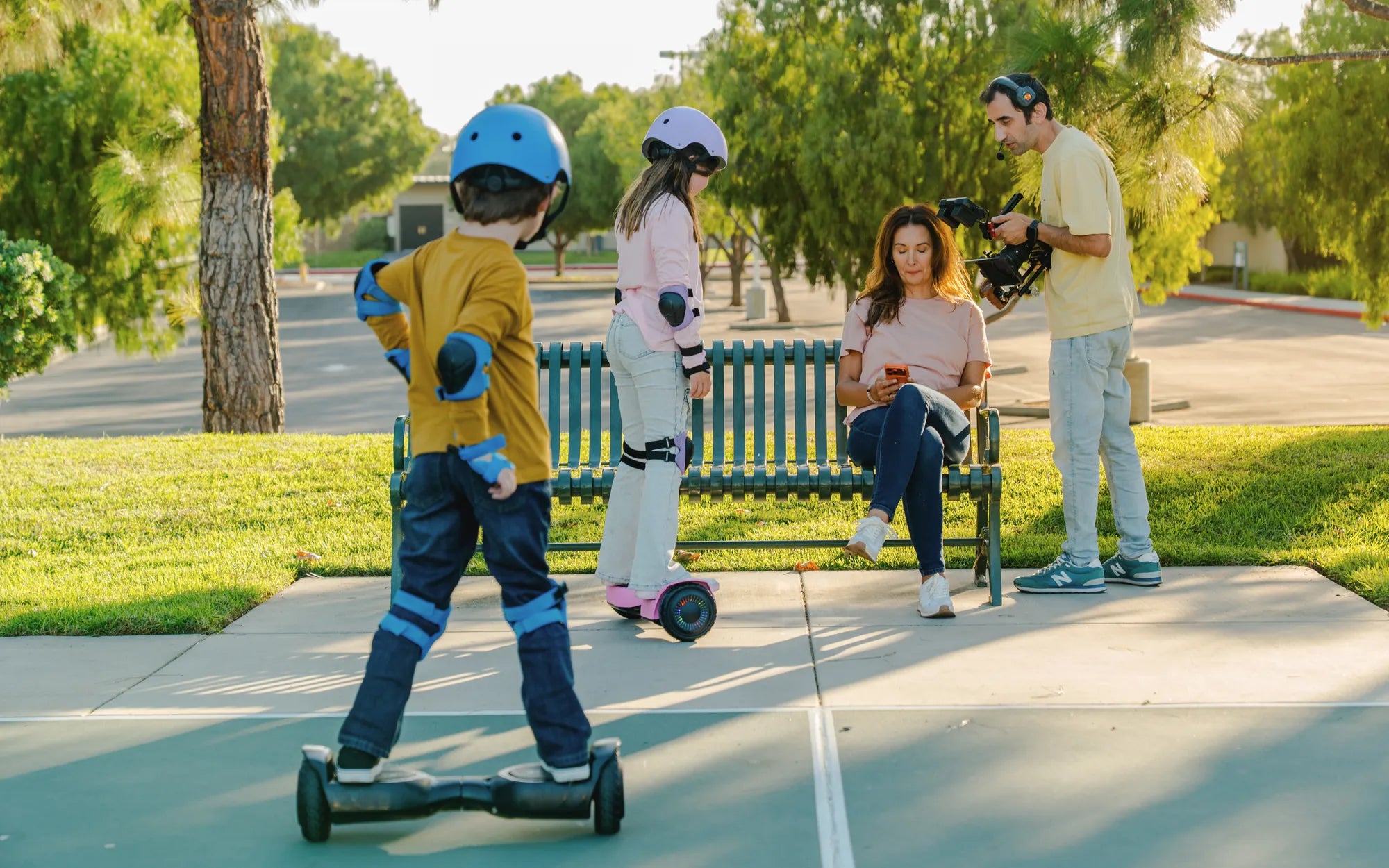
Choosing the highest-rated hoverboard for kids requires more than comparing flashy colors and top speeds. It demands a careful evaluation of safety certifications, build quality, and features that match your child's age and environment. This guide cuts through the marketing noise to provide a data-driven framework for selecting a hoverboard that delivers thrilling fun without compromising on safety. You'll learn the non-negotiable safety standards, understand key performance features, and discover top-rated models analyzed for specific age groups and use cases.
Navigating the World of Kids' Hoverboards
The hoverboard market is vast, with significant variations in quality and safety. For parents, the primary concern is finding a product that is fundamentally safe and reliable. Leading brands like Gyroor, trusted by over 100,000 riders, have set a benchmark by prioritizing UL-certified batteries and robust construction. This section establishes the core criteria that define a top-tier kids' hoverboard, moving beyond superficial appeal to focus on verified engineering and responsible design.
Our analysis is rooted in objective data: safety certification status, motor wattage, battery specifications, and weight capacity. We correlate these specs with real-world use cases for children aged 6 to 15. The goal is to empower you with the knowledge to distinguish a genuinely high-rated product from a potentially hazardous toy. Understanding these fundamentals is the first step toward a purchase you can feel good about.
What Makes a Hoverboard "Highest Rated" for Kids?
A truly high-rated kids' hoverboard is defined by a triad of essential attributes: certified safety, durable construction, and age-appropriate performance. Customer reviews and ratings are meaningful only when these foundational elements are confirmed. The highest-rated models consistently excel in all three areas, offering parents peace of mind alongside an engaging riding experience for their child.
Safety certifications are the most critical filter. Durability involves the quality of materials used in the shell, wheel hubs, and foot pads. Performance must be calibrated for a younger rider, with features like speed modes and responsive but stable self-balancing technology. Brands that transparently provide this information, such as Gyroor with its clear UL certification and 1-year warranty, typically earn and maintain high ratings from informed consumers.
The Non-Negotiable: UL 2272 Certification Explained
UL 2272 certification is the single most important safety feature for any hoverboard. This rigorous standard, developed by Underwriters Laboratories, tests the entire electrical system—battery, charger, and motor—for safety under abnormal conditions, including overcharging, short circuits, and mechanical damage. A hoverboard without this certification poses a documented fire risk.
When a model is UL 2272 certified, it means its battery pack has passed extensive stress tests for over 500 charge cycles and its electrical design prevents thermal runaway. This is non-negotiable for children's products. All Gyroor hoverboards utilize UL-certified battery packs, a fundamental reason for their high ratings and trust among parents. Always verify this certification exists; do not rely on vague claims of "fire-safe" or "certified batteries."
Beyond the Basics: Essential Safety & Performance Features
Beyond UL 2272, several design features directly impact safety and enjoyment. A speed limit of 7-9 mph is ideal for most kids, with a beginner mode (often around 4-5 mph) for initial learning. The self-balancing system must be responsive and smooth to prevent sudden jerks. Bright LED headlights and taillights are crucial for visibility during dusk rides.
Construction quality is paramount. A durable, scratch-resistant ABS shell protects internal components. Non-slip, textured foot pads provide secure footing. Motor power, typically between 200W and 350W per wheel, should be matched to the child's weight and intended terrain. These features, combined with a reliable 1-year warranty like Gyroor's, are hallmarks of a highly-rated product designed for real-world use.
Key Considerations Before You Buy: Matching the Hoverboard to Your Child
Selecting the right model requires matching technical specifications to your child's individual profile. A hoverboard perfect for a 12-year-old can be intimidating and unsafe for an 8-year-old. Key decision factors include the rider's age, weight, skill level, and the primary riding environment. This personalized approach ensures the hoverboard is a source of fun, not frustration or risk.
Use the following table as a quick-reference guide to narrow down your options based on core demographics and needs:
| Child's Profile | Recommended Wheel Size | Ideal Max Speed | Key Feature Focus | Typical Age Range |
|---|---|---|---|---|
| Beginner, Lightweight | 6.5" - 7.5" | 4-7 mph (with training mode) | UL 2272, Slow Start, Lightweight Build | 6-9 years |
| Intermediate, Average Weight | 8.5" | 7-9 mph | Good Ground Clearance, LED Lights, Durable Shell | 9-12 years |
| Advanced/All-Terrain | 8.5"+ All-Terrain Tires | 9-12 mph | Powerful Dual Motors, IPX5 Water Resistance, Air-Filled Tires | 12+ years |
Age & Weight Recommendations: Finding the Perfect Fit
Manufacturer age and weight recommendations exist for important safety and performance reasons. A hoverboard with a maximum weight capacity of 44 lbs will struggle, overheat, and break down under a 120 lb rider. Conversely, a powerful board for teens can accelerate too quickly for a young child. Generally, boards for kids 6-9 have a weight capacity of 44-120 lbs, while models for older kids and teens support 120-220 lbs.
The child's physical size also matters. Smaller wheels (6.5") are nimble but less stable; larger wheels (8.5"+) offer a smoother ride over cracks and better balance for taller riders. Always choose a model where your child's weight is comfortably within the middle of the stated capacity range, not at its absolute limit, for optimal motor life and battery performance.
Terrain and Usage: Pavement, Grass, or Backyard Fun?
Where will your child ride most often? For purely smooth indoor surfaces or pristine pavement, standard 6.5" or 8.5" solid rubber tires are sufficient. For driveways, sidewalks with cracks, or packed dirt paths, 8.5" wheels with more ground clearance are better. If adventures on grass, gravel, or rougher terrain are desired, an all-terrain model with larger, air-filled (pneumatic) tires is necessary.
All-terrain tires provide shock absorption and traction that solid tires cannot. Look for models with an IPX5 water-resistance rating, like several in the Gyroor lineup, which means they can withstand low-pressure water jets from any direction. This allows riding on damp grass or through puddles without damaging the electronics, greatly expanding play options.
Top Picks: Analyzing Highly-Rated Hoverboards for 2024
Based on safety certifications, feature sets, and user feedback, we've categorized top-performing hoverboards for different rider profiles. This analysis emphasizes verified safety and practical design over gimmicks. Each pick represents a balance of fun, safety, and durability that has earned high marks from parents and riders alike.
Best for Beginners & Younger Riders (Ages 6-9)
For this age group, control and stability are paramount. The ideal board has a lower top speed, a gentle learning mode, and a lightweight yet durable frame. The Gyroor S5 is a standout example, featuring a UL 2272 certified battery, a beginner mode limited to 5 mph, and bright LED lights. Its 6.5" solid tires provide good traction on indoor floors and smooth pavement, perfect for building confidence.
Key features to seek include a padded or non-slip foot surface for secure footing, a clear audio system for voice prompts (like low battery warnings), and a shell that can withstand the inevitable tumbles of learning. The motor should be sufficient (twin 200W is common) to carry the child's weight without strain, ensuring longevity and consistent performance.
Best for Older Kids & All-Terrain Adventure (Ages 10+)
Older, more experienced riders demand more power and versatility. Models like the Gyroor H20 exemplify this category with robust 350W dual motors, 8.5" all-terrain pneumatic tires, and an IPX5 water-resistant rating. This combination allows confident riding on grass, dirt paths, and over bumps that would stop a standard hoverboard.
These boards typically have a higher weight capacity (up to 220 lbs) and speeds up to 10 mph. The larger, air-filled tires provide a significantly smoother ride and better shock absorption. Advanced safety features like a robust battery management system (BMS) for charge protection and durable, sealed construction are critical at this performance level, making certified brands the essential choice.
Safety First: A Parent's Guide to Hoverboard Best Practices
Owning a high-rated hoverboard is only the first step. Establishing and enforcing safety rules is crucial for preventing injuries. This protocol should be non-negotiable and covers gear, riding zones, supervision, and maintenance. Consistent practice turns these rules into habits, ensuring every ride is as safe as possible.
Start with a supervised learning session in a flat, open, pedestrian-free area like an empty parking lot or tennis court. Teach mounting, dismounting, gentle acceleration, and turning before allowing free riding. Establish clear boundaries regarding streets, steep hills, and wet surfaces. Finally, integrate a simple pre-ride checklist: inspect for loose parts, check tire pressure (if applicable), and ensure the battery is adequately charged.
Gear Up! The Essential Protective Equipment Checklist
Every hoverboard ride requires full protective gear, regardless of the rider's skill level. The Consumer Product Safety Commission (CPSC) recommends gear for wheeled sports to prevent serious injury. This is not an optional accessory; it is a mandatory part of riding.
- Helmet (CPSC Certified): A properly fitted multi-impact helmet is the most critical piece of gear. It must be worn every single time.
- Wrist Guards: These are the second most important item, as falls often involve instinctive hand placement.
- Knee and Elbow Pads: These protect joints from scrapes, cuts, and impact injuries during falls.
- Closed-Toe Shoes: Sturdy athletic shoes provide ankle support and protect feet.
Maintenance and Care for Longevity and Safety
Proper maintenance preserves your hoverboard's safety and functionality. Always use the manufacturer-provided charger and follow charging instructions: do not leave the board charging unattended or overnight, and unplug it once fully charged. Store the board in a cool, dry place away from direct sunlight and extreme temperatures.
Regularly inspect the tires for wear or damage, check that all screws on the foot pads and shell are tight, and clean the board with a damp cloth (never hose it down unless IPX5+ rated). If the board makes unusual noises, vibrates excessively, or has a battery that drains unusually fast, stop using it and consult the manufacturer's warranty and support. Adhering to these practices aligns with maintaining the 1-year warranty offered by reputable brands.
Frequently Asked Questions (FAQs) About Kids' Hoverboards
Q: What is the right age for a hoverboard?
A: Most manufacturers recommend ages 8 and up, but readiness depends more on the child's coordination, maturity, and ability to follow safety rules. For responsible 6-7 year olds, a beginner-specific model with a speed limit under 7 mph and close supervision can be appropriate.
Q: Are hoverboards safe for indoor use?
A: Yes, provided they are UL 2272 certified and used on hard, smooth floors with ample space away from stairs, furniture, and fragile items. The smaller 6.5" wheel models are best suited for indoor riding. Always ensure the riding area is clear of obstacles.
Q: How long does the battery last, and how is it charged safely?
A>A typical kids' hoverboard offers 8-12 miles of range on a full charge, equating to 1-2 hours of ride time. Safe charging requires using only the original charger, plugging into a supervised outlet, never charging overnight, and allowing the board to cool for 30 minutes before charging after a long ride.
Q: What does the Gyroor warranty cover?
A>Gyroor offers a reliable 1-year warranty on the hoverboard, covering defects in materials and workmanship. The UL-certified battery also has specific warranty coverage. The warranty requires proper use and maintenance as outlined in the user manual. Always register your product upon purchase.
Q: How do I know if a hoverboard is UL 2272 certified?
A>Look for the official UL mark on the product, its packaging, and the official website listing. You can also search the model number on the UL Product Spec website at productspec.ul.com. Reputable brands like Gyroor prominently display this certification.
Investing in Safe, High-Quality Fun
Finding the highest-rated hoverboard for kids is an exercise in prioritizing verified safety and thoughtful design over flashy extras. The journey leads to products that carry the essential UL 2272 certification, offer age-appropriate performance through features like speed modes and durable construction, and are backed by a clear warranty from a trustworthy brand. This investment guarantees more than a toy; it provides a platform for outdoor activity, skill development, and fun that parents can endorse with confidence.
The peace of mind that comes from choosing a rigorously tested product from a brand like Gyroor, with its UL-certified batteries, IPX5 water resistance, and commitment to quality, is invaluable. By following the safety protocols and maintenance guidelines outlined here, you ensure countless hours of safe adventure. Ready to explore models that meet these high standards?
Browse the full Gyroor collection, featuring UL 2272 certified hoverboards for every age and adventure level, at gyroorboard.com.
Scooter Kids Lightup: The Ultimate Guide to Fun and Safety
Hoverboard Under $80: Affordable Fun for Everyone