



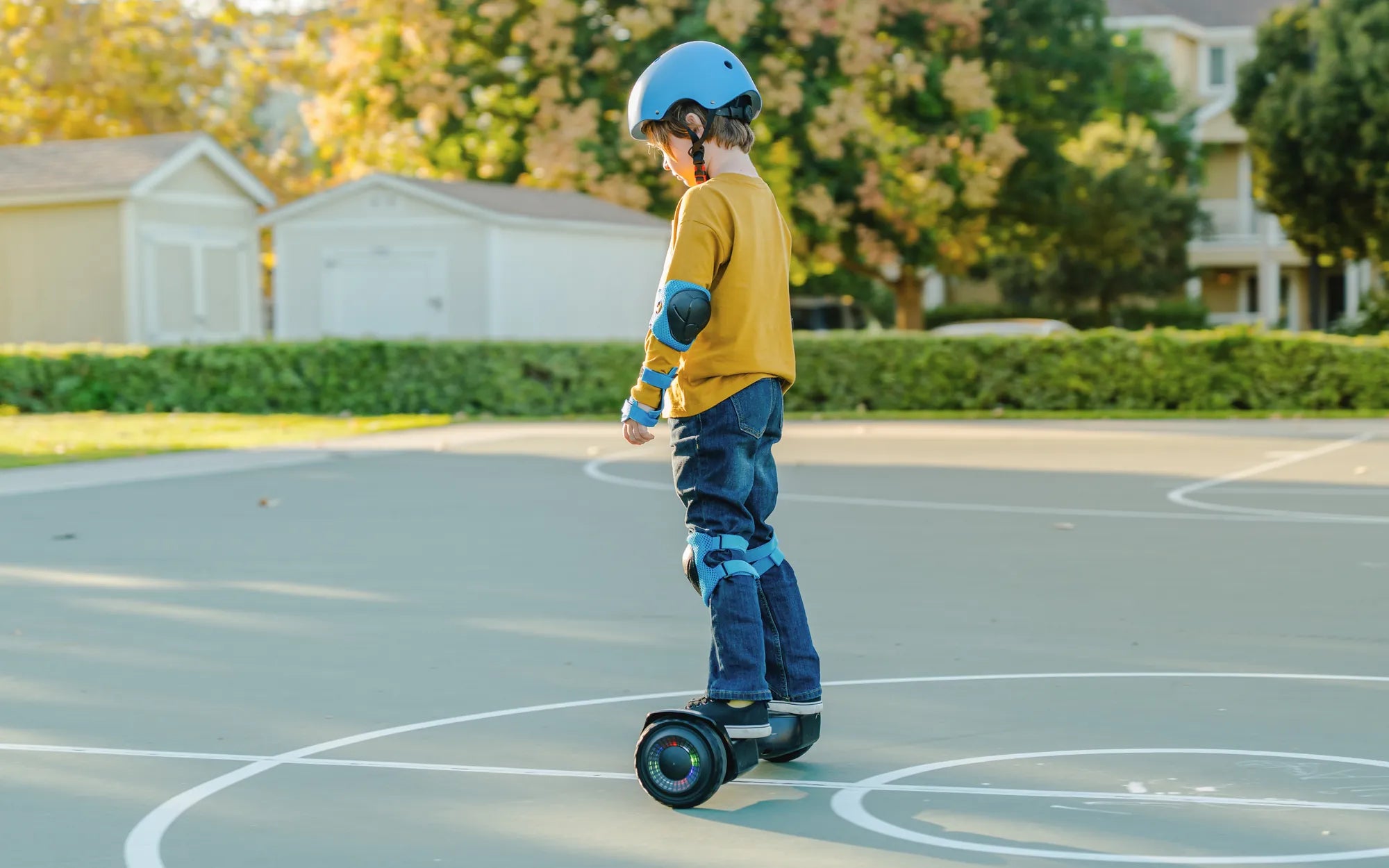
Picture yourself gliding effortlessly through the sky, 10,000 feet above the earth, with nothing but a hoverboard beneath your feet. It sounds like science fiction, but advancements in personal aerial transportation are bringing this dream closer to reality. The idea of a hoverboard capable of reaching such heights is no longer confined to the realms of fantasy—it’s a tantalizing glimpse into the future of mobility.
The Evolution of Hoverboard Technology
Hoverboards have come a long way since their early prototypes. Initially, these devices were limited to short-distance gliding just inches above the ground. However, breakthroughs in propulsion systems, energy storage, and materials science have paved the way for more ambitious designs. The concept of a hoverboard operating at 10,000 feet represents the next frontier in personal flight.
How a 10,000-Foot Hoverboard Could Work
A hoverboard capable of reaching such altitudes would require cutting-edge technology. Here’s a breakdown of the key components that could make it possible:
- Advanced Propulsion Systems: Magnetic levitation or jet-powered thrusters could provide the necessary lift and stability.
- Lightweight Materials: Carbon fiber and other high-strength, low-weight materials would be essential for maintaining altitude without excessive energy consumption.
- Energy Efficiency: High-capacity batteries or alternative energy sources, such as hydrogen fuel cells, would be needed to sustain prolonged flight.
- Navigation and Safety: Integrated GPS, collision-avoidance systems, and fail-safe mechanisms would ensure safe operation at high altitudes.
Challenges of High-Altitude Hoverboarding
While the idea is thrilling, several obstacles must be overcome before a 10,000-foot hoverboard becomes a reality:
- Regulatory Hurdles: Aviation authorities would need to establish guidelines for personal aerial vehicles to prevent accidents and airspace conflicts.
- Environmental Factors: Wind, temperature, and air pressure at high altitudes could pose significant challenges to stability and control.
- Safety Concerns: Ensuring user safety at extreme heights would require redundant systems and emergency protocols.
- Public Acceptance: Convincing people to trust and adopt such a radical mode of transportation would take time and education.
The Future of Personal Aerial Transportation
Despite these challenges, the potential benefits of a 10,000-foot hoverboard are immense. Imagine bypassing traffic by soaring above cities, exploring remote landscapes from the air, or even using hoverboards for search-and-rescue missions. The technology could revolutionize how we travel, work, and play.
As research and development continue, the dream of hovering at 10,000 feet inches closer to reality. Whether for recreation, transportation, or emergency response, the possibilities are as vast as the skies themselves. The future of personal flight is on the horizon—are you ready to take the leap?
The Hoverboard Challenge: Mastering Balance, Speed, and Fun
The Hoverboard Challenge: Mastering Balance, Speed, and Fun