



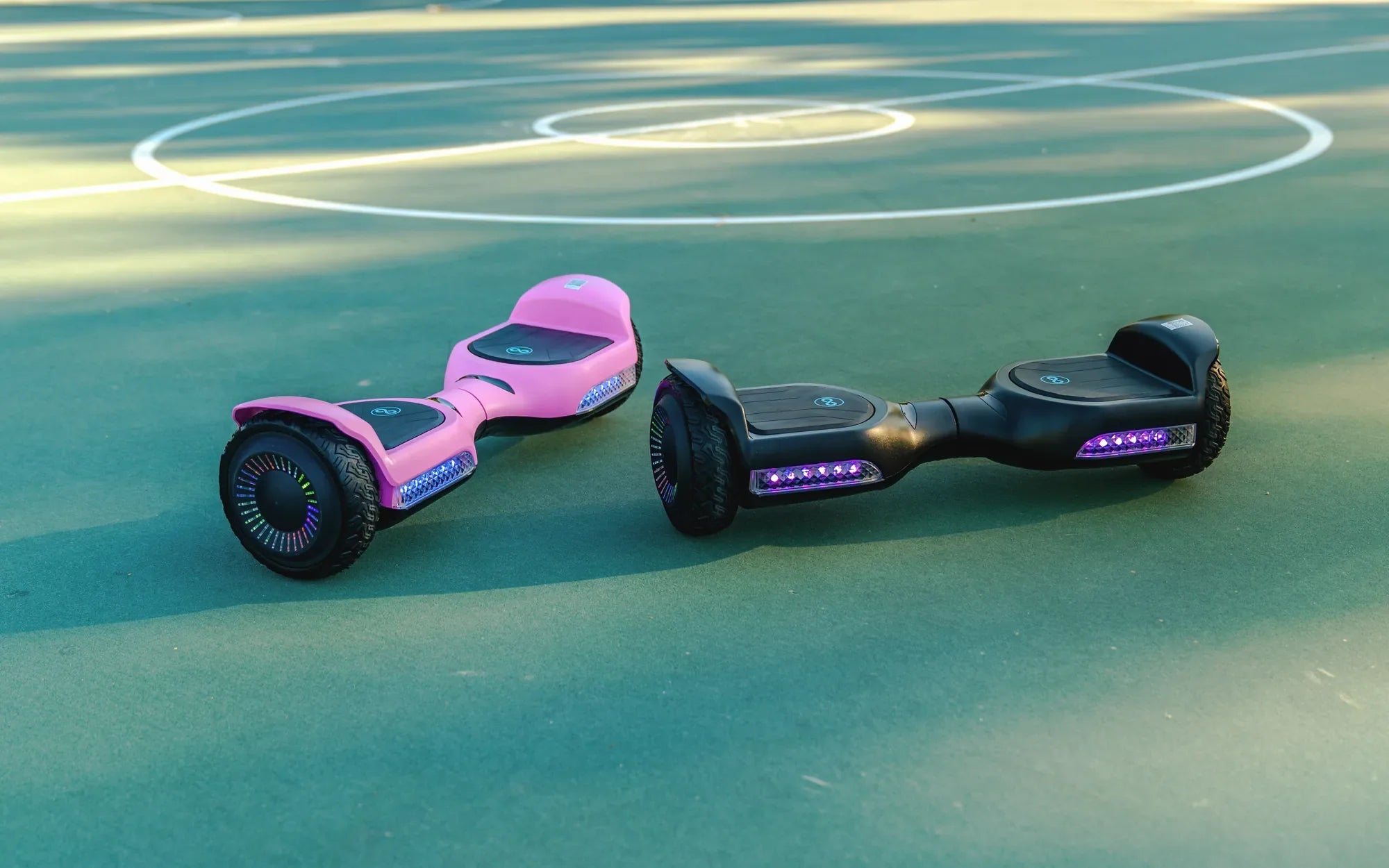
Ready to unlock a whole new dimension of fun with your child's hoverboard? A hoverboard attachment for kids can transform a standard self-balancing scooter into a go-kart, a controlled cruiser, or a scooter-style ride, dramatically expanding play possibilities. However, safety and compatibility are non-negotiable. This guide delivers the ultimate, data-driven resource for parents, covering everything from essential safety gear and setup to choosing the right attachment and, crucially, the most reliable hoverboard foundation. You'll learn how to ensure every ride is both exhilarating and secure.
Why Consider a Hoverboard Attachment for Your Child?
Hoverboard attachments are more than just novelty add-ons; they are functional enhancers that address common challenges and boost enjoyment. For many children, the initial learning curve of a standard hoverboard can be daunting. An attachment provides a bridge to confidence.
The primary benefit is increased stability and safety for beginners. A seated go-kart frame lowers the center of gravity, making tipping far less likely. Handlebar kits offer a familiar point of balance, similar to a scooter or bike. This allows kids to focus on mastering speed control and steering without the constant fear of falling.
Attachments also extend playtime and reduce fatigue. Standing on a hoverboard can be tiring for younger leg muscles. A seated attachment allows for longer adventures, while handlebars reduce the core strength needed for balance. This encourages more outdoor activity and physical play.
Furthermore, they reinvigorate an existing toy. A single hoverboard can become multiple ride-ons, offering new experiences and preventing boredom. This transformation fosters creativity and motor skill development in different ways, from the precision steering of a kart to the standing balance of a handlebar kit.
Safety First: The Non-Negotiable Rules for Attachment Use
Before any attachment is even unboxed, establishing ironclad safety rules is paramount. The excitement of a new ride must never compromise fundamental precautions. Adult supervision is not optional; it is essential.
Prerequisite Mastery: Your child must be fully proficient at riding the hoverboard solo on flat ground. They should demonstrate confident mounting, dismounting, starting, stopping, and gentle turning. Adding an attachment to an unskilled rider is a recipe for accidents.
Full Safety Gear is Mandatory: Every single ride requires a CPSC-certified helmet, knee pads, elbow pads, and wrist guards. This gear is non-negotiable, regardless of the perceived stability of the attachment. Asphalt does not forgive.
Environment Matters: Initial testing and regular riding should occur only in a flat, open, paved area free of cars, pedestrians, and slopes. Driveways, empty parking lots, or smooth park paths are ideal. Wet surfaces, gravel, and sand drastically increase the risk of losing traction and control.
Supervision and Rules: An adult must be present to monitor speed, intervene if necessary, and enforce pre-established rules. Set clear limits on maximum speed (often using a beginner mode on the hoverboard itself) and no riding near roads, stairs, or swimming pools.
Choosing the Right Attachment: Types and Features
Not all hoverboard attachments are created equal. Understanding the two primary categories—seated go-kart frames and standing handlebar kits—will help you match the product to your child's age, skill level, and desired riding style.
Go-Kart Seat Attachments: The Racing Experience
This attachment converts a hoverboard into a low-slung, seated go-kart. It typically consists of a steel frame, a padded seat, a steering wheel with a linked turning mechanism, footrests, and often a hand-operated brake lever that interacts with the hoverboard's footpads.
The key advantage is the extremely low center of gravity, which provides exceptional stability, making it excellent for beginners or high-speed, confident riders who enjoy a racing feel. The seated position is comfortable for extended play.
Look for features like an adjustable seat position to accommodate growth, a secure steering linkage that doesn't slip, and puncture-resistant plastic wheels on the kart frame itself. These are generally suitable for kids ages 6 and up, depending on the hoverboard's weight capacity.
Handlebar Attachments: For Control and Confidence
Handlebar kits bolt onto the hoverboard's deck, providing upright handlebars for standing riders. This creates a hybrid experience between a hoverboard and an electric scooter, offering more precise steering control.
This type is ideal for kids who want the sensation of a hoverboard but appreciate the balance aid and direct steering input of handlebars. It's a fantastic transitional tool for children moving from bicycles with training wheels.
Critical features include height-adjustable handlebars, a very secure clamping mechanism that does not wobble or shift mid-ride, and often a brake lever on the handlebars. It encourages better posture and offers a familiar riding feel, which can significantly boost a hesitant rider's confidence.
The Critical Step: Hoverboard and Attachment Compatibility
This is the most technical and crucial part of the process. Forcing an incompatible attachment onto a hoverboard is unsafe and can damage both products. Always verify these three specifications before purchasing.
1. Wheel Size: Attachments are designed for specific hoverboard wheel diameters. The most common sizes are 6.5", 8", and 10". A kart made for 6.5" wheels will not fit an 8" hoverboard correctly, affecting steering geometry and safety. Measure your hoverboard's wheels precisely.
2. Deck Shape and Bolt Pattern: Hoverboards have different deck shapes (oval, more rectangular) and bolt patterns for the footpads. The attachment's mounting bracket must match this pattern. Universal kits often come with multiple adapters; ensure yours is included.
3. Weight Capacity: You must calculate the total system weight. Add your child's weight + the weight of the attachment (usually 15-25 lbs). This total must be under the hoverboard's maximum rider weight limit. Exceeding this stresses the motors, batteries, and frame, leading to premature failure and potential safety hazards.
| Compatibility Factor | What to Check | Why It Matters |
|---|---|---|
| Wheel Size | Measure your hoverboard's tire diameter. Match exactly to attachment specs. | Incorrect size prevents proper attachment seating, causing unstable steering and dismount risk. |
| Deck/Bolt Pattern | Check the shape and screw holes under the footpads. Compare to attachment bracket. | Mismatched patterns mean the attachment cannot be secured firmly, leading to dangerous wobbling. |
| Weight Limit | Hoverboard max limit (e.g., 220 lbs) MINUS attachment weight = safe child weight. | Overloading strains motors and batteries, reduces performance, and can cause overheating or cut-outs. |
Top-Rated and Safe Picks: What to Look For
When shopping for a hoverboard attachment, prioritize construction quality and safety features over flashy designs or low price points. A well-built attachment is an investment in your child's safety.
Seek out frames made from sturdy, powder-coated steel that resists rust and withstands impacts. Plastic connectors at stress points should be thick and high-quality. Avoid flimsy, thin-gauge metal that can bend or weld points that look poorly finished.
The locking and clamping mechanisms are the heart of safety. They should use robust bolts, nuts, and possibly locking pins—not just friction clamps. There should be zero play or wiggle once fully assembled. Look for products with overwhelmingly positive reviews specifically mentioning stability and solid construction.
Adjustability is key for longevity. Adjustable seat positions, handlebar heights, and even footrests allow the attachment to grow with your child, ensuring a proper and safe riding posture for years. Finally, ensure the seller or manufacturer provides clear assembly instructions and responsive customer support.
Why Gyroor Hoverboards Are the Ideal Foundation
The safety and performance of any hoverboard attachment system depend entirely on the quality and reliability of the hoverboard itself. This is where choosing a brand with rigorous engineering standards is non-negotiable. Gyroor, a leading electric scooter and e-bike brand trusted by over 100,000 riders, is engineered to be the perfect, worry-free foundation for attachment use.
Gyroor's commitment to core safety technologies directly translates to a safer attachment experience. When you add the weight and dynamic forces of a kart or handlebar kit, the hoverboard's battery, motors, and frame are under additional stress. Gyroor's built-in safeguards are designed to handle this.
Built-In Safety for Enhanced Play
Every Gyroor hoverboard features a UL 2272 certified battery pack. This certification, tested for over 500 charge cycles, is the gold standard for fire and electrical safety. It is the most critical feature when the battery will be used in a new, potentially more demanding configuration.
Furthermore, Gyroor models boast an IPX5 water-resistant rating. While no hoverboard should be ridden through puddles, this rating provides peace of mind against splashes, morning dew, or accidental spills, which are more likely during extended outdoor play with attachments.
The robust brushless hub motors in Gyroor hoverboards are selected for consistent torque and thermal management. They provide the necessary power to smoothly accelerate the combined weight of child and attachment without straining or overheating, ensuring predictable performance.
Warranty and Support You Can Rely On
Investing in a hoverboard system is a significant decision for parents. Gyroor backs its products with a comprehensive 1-year warranty on the hoverboard, covering manufacturing defects in materials and workmanship. This warranty provides crucial peace of mind for the core electronics.
Paired with accessible, US-based customer support, this means if you have a question about compatibility or experience an issue, you have a direct line to experts. This level of support is often absent from generic or budget hoverboard brands, leaving parents to troubleshoot alone.
Setup and Riding Best Practices
Proper assembly and a structured learning progression are essential for safety. Never rush this process. Allocate ample time in a calm environment for setup and initial practice.
Step-by-Step Assembly: Read all instructions for both the hoverboard and the attachment first. Lay out all parts and tools. Tighten all bolts and screws firmly using the correct tools (usually included hex keys). Double-check every connection point, especially the main clamp securing the attachment to the hoverboard deck. There should be absolutely no movement when you try to shake the assembly.
Pre-Ride Checklist: Before each ride, perform a quick check: Ensure all bolts are tight. Verify the hoverboard is fully charged. Inspect tires for wear or damage. Confirm the attachment's steering (if applicable) moves smoothly without binding.
Initial Riding Protocol: Start with the hoverboard in beginner mode (slower speed). Have your child practice in this order: 1) Mounting and dismounting while stationary. 2) Gentle forward/backward movement in a straight line. 3) Wide, gradual turns. 4) Controlled stopping. Only progress to higher speeds and tighter turns after they demonstrate complete control at the slower pace. Always end the session while they are still having fun, not when they are tired.
Frequently Asked Questions (FAQ)
Q: What is the minimum age for a hoverboard with an attachment?
A> Age is less important than size, weight, and skill. Generally, children under 6 lack the coordination and judgment. The key factors are: the child must meet the hoverboard's minimum weight requirement (often ~44 lbs), their weight plus the attachment must be under the max limit, and they must demonstrate proficient solo riding skills first.
Q: Can any hoverboard be used with a go-kart attachment?
A> No. Compatibility is specific. You must match the attachment's required wheel size (6.5", 8", 10") and deck/bolt pattern to your exact hoverboard model. Using an incompatible attachment is dangerous and will likely damage both products.
Q: How do I ensure the attachment is securely fastened?
A> Follow the manufacturer's instructions precisely. Use the provided tools to tighten all bolts firmly. Once assembled, try to forcefully wiggle the attachment where it connects to the hoverboard. There should be zero play or movement. Re-tighten bolts after the first few rides as they may settle.
Q: Does using an attachment void my hoverboard's warranty?
A> It depends on the manufacturer. Using a third-party attachment may void the warranty if it causes damage. This is a major advantage of choosing a brand like Gyroor with clear engineering tolerances and a strong warranty, as it is designed for reliable performance. Always check your warranty terms first.
Q: Are hoverboard attachments safe on hills?
A> No. Hoverboards and their attachments are designed for flat terrain. Riding on hills, even gentle slopes, can lead to loss of control, speed wobbles, or the motors overheating from trying to brake the added weight on a descent. This is one of the most important safety rules to enforce.
Conclusion: Unlocking New Adventures with Confidence
A quality hoverboard attachment for kids can revolutionize outdoor play, turning a single device into a platform for go-kart racing, scooter cruising, and imaginative adventure. The key to harnessing this fun lies in a responsible, informed approach: prioritizing safety gear and supervision, meticulously checking compatibility, and choosing a hoverboard foundation built with unshakeable safety standards. By selecting a reliable, UL-certified hoverboard like those from Gyroor as your core component, you invest in peace of mind, knowing the critical electronics are protected for the demands of attached play. Equip your child, supervise their practice, and watch as their confidence and joy ride off into new, thrilling horizons. Ready to build your ultimate ride? Browse the full Gyroor collection at gyroorboard.com to find the perfect, safety-first hoverboard to serve as the heart of your child's next adventure.
Christmas Gift for Young Girls: The Ultimate Guide to Delightful Presents
Kids Scooter Large Wheels: The Ultimate Guide to Safety and Fun