



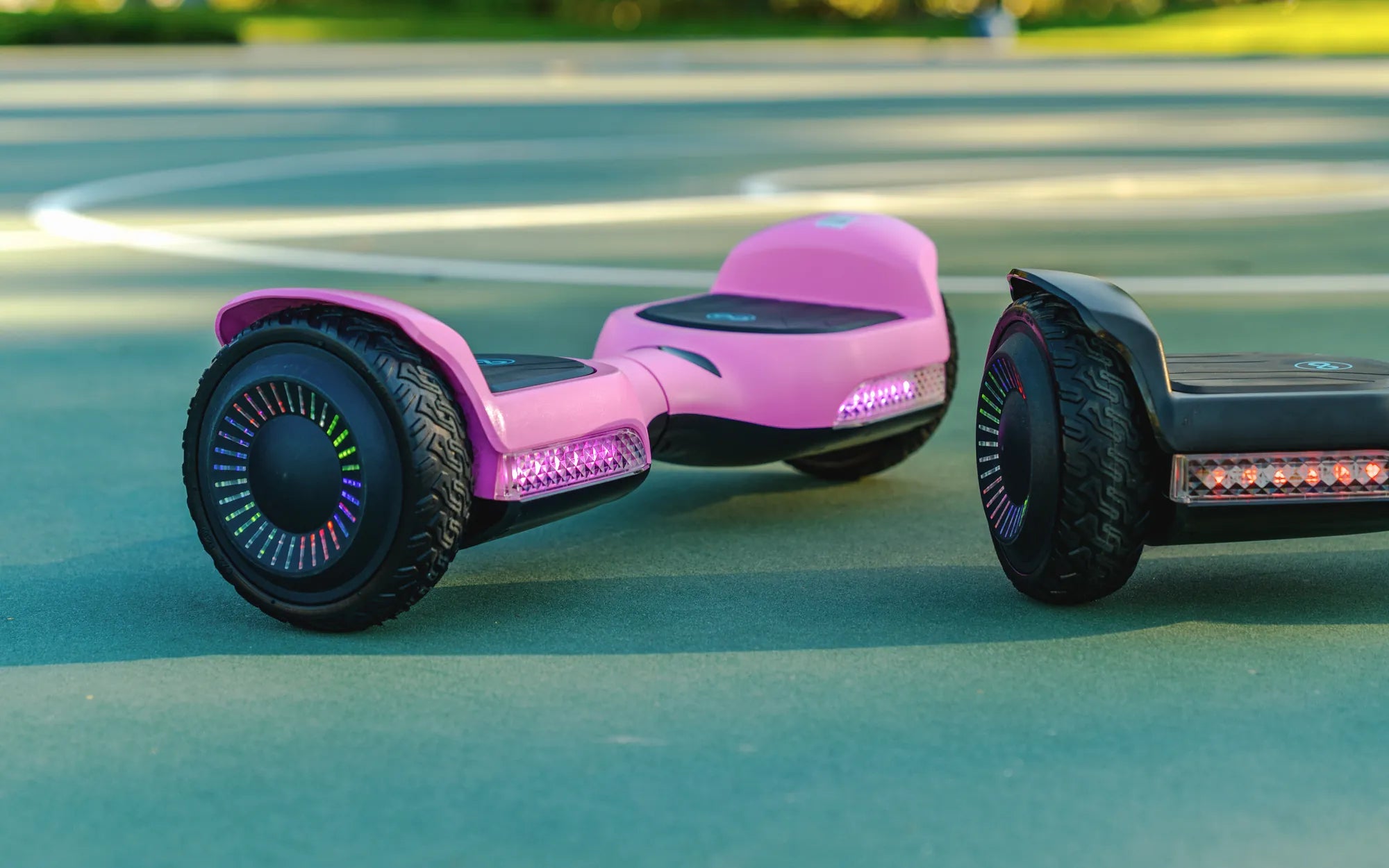
Hoverboards have revolutionized personal transportation, offering a fun and efficient way to get around. But behind the sleek design and smooth ride lies one of the most critical components: the battery. The hoverboard battery size plays a pivotal role in determining how far you can travel, how long your device lasts, and even how safe it is to use. Whether you're a first-time buyer or a seasoned rider, understanding battery size is essential for making informed decisions.
Why Hoverboard Battery Size Matters
The battery is the heart of your hoverboard, powering everything from the motor to the LED lights. A larger battery size typically translates to longer ride times and better performance. However, it's not just about capacity—factors like voltage, chemistry, and efficiency also come into play. Choosing the right battery size ensures you get the most out of your hoverboard without compromising safety or convenience.
Understanding Battery Capacity
Battery capacity is measured in watt-hours (Wh) or ampere-hours (Ah), indicating how much energy the battery can store. A higher capacity means longer rides between charges. For example, a hoverboard with a 36V 4.4Ah battery will generally offer less range than one with a 36V 8.8Ah battery. However, larger batteries also add weight, which can affect portability and maneuverability.
Voltage and Its Impact
Voltage (V) determines the power output of your hoverboard. Most models operate on 36V or 42V batteries, with higher voltages providing more torque and speed. While a 42V battery may deliver a more thrilling ride, it also requires careful handling to avoid overheating or overcharging. Always check the manufacturer's recommendations to ensure compatibility with your hoverboard's motor and electronics.
Battery Chemistry: Lithium-Ion vs. Other Types
Lithium-ion (Li-ion) batteries dominate the hoverboard market due to their high energy density, lightweight design, and long lifespan. Unlike older nickel-cadmium (NiCd) or lead-acid batteries, Li-ion batteries charge faster and don't suffer from the "memory effect." However, they require proper care to prevent swelling or thermal runaway. Always use a certified charger and avoid exposing the battery to extreme temperatures.
How to Extend Your Hoverboard Battery Life
Proper maintenance can significantly extend your battery's lifespan. Avoid draining the battery completely, as this can cause irreversible damage. Store your hoverboard in a cool, dry place, and charge it regularly—even during periods of inactivity. If you notice any signs of swelling or reduced performance, consult a professional immediately. A well-maintained battery not only lasts longer but also ensures safer rides.
Safety Considerations
Hoverboard batteries have made headlines for safety concerns, but most issues arise from poor-quality components or misuse. Always purchase from reputable sellers and look for certifications like UL2272, which ensures the battery meets strict safety standards. Never leave your hoverboard charging unattended, and avoid using it in wet conditions. By following these guidelines, you can enjoy your hoverboard with peace of mind.
Ready to take your hoverboard experience to the next level? Paying attention to battery size and maintenance can make all the difference. From longer rides to enhanced safety, the right battery choices ensure your hoverboard remains a reliable and exciting mode of transportation for years to come.
180 LED Light Show Hoverboard: The Ultimate Guide to Gliding in Style
180 LED Light Show Hoverboard: The Ultimate Guide to Gliding in Style