



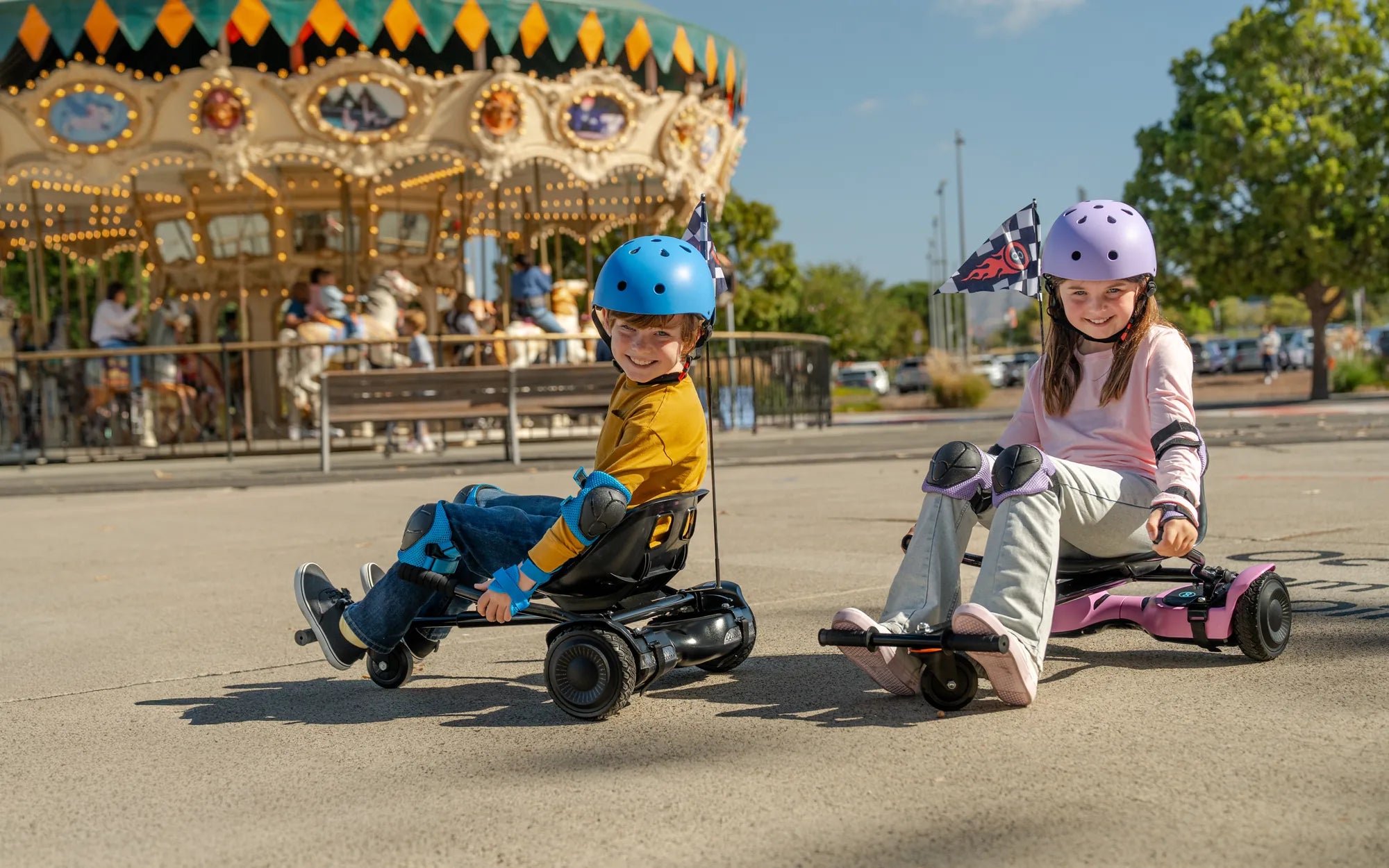
Choosing the right hoverboard is more complex than picking the shiniest model. The market has matured significantly, moving from a novelty to a legitimate category of personal electric transport. This comprehensive hoverboard comparison: finding the best ride for your needs is designed to equip you with the knowledge to make an informed decision. We'll analyze critical specifications, segment options by rider type, and emphasize the non-negotiable safety standards that separate reliable rides from potential hazards. Your perfect board isn't the most expensive one—it's the one that aligns precisely with where and how you ride.
Navigating the Modern Hoverboard Market
Today's hoverboards are sophisticated devices, not toys. They are built with advanced self-balancing gyroscopes, powerful hub motors, and durable lithium-ion batteries. The evolution has been driven by stringent safety standards and diverse user demands, from last-mile commuting to trail riding.
The core challenge for buyers is the overwhelming number of models with similar-looking claims. Advertisements touting "20 mph top speed!" or "30-mile range!" often lack context about the conditions required to achieve those numbers. This guide provides the context.
Our methodology focuses on verified performance metrics, build quality indicators, and brand reputation. We prioritize factual data over promotional language. The goal is to translate technical specifications into real-world riding experience.
Understanding your primary use case is the first and most critical step. A board perfect for smooth campus pathways will struggle on grassy hills, and a rugged off-road model might be overkill for quick errands. This hoverboard comparison segments the market to address this directly.
Key Factors to Consider Before You Buy
These specifications form the essential vocabulary for evaluating any model. Ignoring them means buying blind.
Safety First: UL 2272 Certification and Battery Quality
This is the absolute baseline. UL 2272 certification means the entire electrical system—battery, charger, and circuitry—has been rigorously tested for safety against electrical, mechanical, and fire hazards. Never consider a board without it.
Beyond the certification, battery quality varies. Reputable brands use high-quality, name-brand lithium-ion cells arranged in UL-certified packs. For instance, leading brands like Gyroor utilize these certified packs, which are tested for over 500 charge cycles while maintaining stability.
Cheap, uncertified batteries are a significant fire risk. They can overheat, swell, or fail catastrophically. The certification is your guarantee that a product meets a recognized safety standard.
Performance Metrics: Speed, Range, and Motor Power
Motor power, measured in watts (W), determines torque and hill-climbing ability. A 250W dual-motor system (500W total) is standard for flat urban use. For slopes or off-road use, look for 350W+ per motor (700W+ total).
Advertised top speed (often 7-12 mph) is usually achievable for a lightweight rider on a perfect surface. Real-world speed is affected by weight, incline, and battery level. Range claims are the most inflated spec. A board advertised for 12 miles may only achieve 8-9 miles with an average adult rider, thanks to factors like stop-and-go riding, terrain, and temperature.
Always interpret range and speed claims as "up to" under ideal laboratory conditions. Deduct 20-30% for a realistic estimate for everyday use.
Build & Ride Quality: Wheel Size, Terrain, and Weight Capacity
Wheel size dramatically affects comfort and capability. Small 6.5" wheels are compact but transmit every crack and pebble. Standard 8.5" wheels offer a better balance of stability and portability. Large 10" wheels, especially when paired with air-filled tires, provide a smooth ride over bumps and better off-road traction.
Tire type is crucial: solid rubber tires are maintenance-free for street use, while all-terrain models have knobby, often air-filled, tires for dirt and grass. The board's maximum weight capacity is a key indicator of its frame and motor durability. A 220 lbs capacity is standard, but higher-end models support 265 lbs or more.
Hoverboard Comparison: Breaking Down Rider Profiles
This core analysis matches user types with ideal hoverboard characteristics. The following table summarizes the key differentiators.
| Rider Profile | Primary Use | Ideal Motor Power | Key Features | Wheel Size & Type |
|---|---|---|---|---|
| Urban Commuter / Student | Sidewalks, campuses, smooth paths | 250W x2 (500W Total) | Lightweight, portable, stylish LEDs | 8.5" Solid Rubber |
| Off-Road Adventurer | Grass, dirt trails, mild slopes | 350W+ x2 (700W+ Total) | All-terrain tires, high torque, IPX5+ rating | 10" Air-Filled Knobby |
| Family / First-Time Rider | Neighborhood rides, learning, teen use | 250W x2 (500W Total) | Beginner mode, robust build, strong warranty | 8.5" Solid Rubber |
The Urban Commuter & College Student
This rider needs efficiency and portability. The board is a tool for short trips between classes, subway stations, or local errands. Key priorities include a manageable weight for carrying upstairs, a form factor that's easy to store under a desk, and a reliable range for daily loops.
Speed is less critical than consistent performance. A top speed of 9-10 mph is sufficient. Look for models with good low-speed torque for quick starts at crosswalks. A sleek design with customizable LED lights adds personality and increases visibility in low-light conditions.
Practical features like a built-in carry handle are invaluable. Given the use on paved surfaces, standard 8.5" solid rubber tires are perfect. They require no maintenance and provide adequate comfort for short urban journeys.
The Off-Road & Adventure Enthusiast
This profile demands capability above all. The board must conquer grass, packed dirt, gravel paths, and moderate inclines. This requires a significant power upgrade. Dual motors of 350W or more each are essential to provide the necessary torque.
The defining feature is the tire. True all-terrain hoverboards use large, knobby, air-filled tires (often 10"). These provide shock absorption and traction on loose surfaces. The trade-off is increased weight and less portability.
Water and dust resistance are critical. An IPX5 rating, which protects against water jets from any direction, is highly recommended for riding on wet grass or through puddles. The frame must be rugged to handle the vibrations and impacts of uneven ground.
The Family & First-Time Rider
Safety and durability are paramount here. This purchase is often for a teenager or an adult beginner. The board must be forgiving, stable, and built to withstand the learning curve (which includes the occasional bump into a curb).
A "beginner mode" or speed limiter is a vital feature, allowing new riders to start at a slow, comfortable pace (e.g., 4-6 mph). Parental control via a smartphone app is a major plus. Build quality should inspire confidence; a robust shell and reliable components are more important than flashy extras.
Warranty and customer support become key decision factors. A comprehensive 1-year warranty on parts and labor, backed by a reputable company with accessible support, provides essential peace of mind. Brands like Gyroor, trusted by over 100,000 riders, structure their offerings around this need for reliable, family-friendly products.
Beyond the Basics: Features That Differentiate
Once core specs are matched, these features can tip the scales between two similar models.
Connectivity and Smart Features
A dedicated smartphone app transforms the experience. Beyond basic Bluetooth speaker connectivity for music, a good app allows for locking the board, adjusting sensitivity and speed modes, monitoring battery life in real-time, and tracking ride statistics like distance and average speed.
Some apps offer firmware updates to improve performance or add features over time. For tech-savvy riders or parents wanting oversight, these smart features add significant value and security to the investment.
Lighting and Design Aesthetics
LED lights are no longer just for show. Bright white headlights and red taillights are crucial safety features for dusk or night riding. Wheel rim LEDs and deck lights increase side visibility to vehicles.
Aesthetically, options range from single-color accents to full RGB customizable light shows controlled via an app. While subjective, the lighting package contributes to both safety and the fun, personalized feel of the ride.
Water Resistance and Warranty Support
An IP rating defines protection against solids and liquids. IPX4 means splash-proof from any direction—okay for a light drizzle. IPX5, found on many robust models, means it can withstand low-pressure water jets, making it suitable for wet roads and riding through puddles.
Never submerge a hoverboard. The warranty is your long-term safety net. Scrutinize what's covered (battery, motors, circuit board) and the process for claims. A 1-year warranty with US-based or responsive support is a strong indicator of a brand that stands behind its product.
Making Your Decision: A Practical Checklist
Use this actionable list to synthesize your research and make a final choice.
- Safety & Certs: [ ] UL 2272 Certified [ ] Reputable Brand (e.g., Gyroor) with verified battery packs
- Your Rider Profile: [ ] Urban Commuter [ ] Off-Road Adventurer [ ] Family/First-Time Rider
- Must-Have Specs: [ ] Min. Range: ____ mi (deduct 20% from claim) [ ] Min. Speed: ____ mph [ ] Motor Power: ____ W total [ ] Wheel Type & Size: ____
- Key Features: [ ] Water Resistance (IPX4 or IPX5) [ ] Smart App / Speaker [ ] Beginner Mode [ ] Warranty Length & Coverage (Aim for 1 year)
- Final Verification: [ ] Read professional & verified customer reviews [ ] Confirm retailer's return/shipping policy [ ] Check for spare part availability (tires, fenders)
Frequently Asked Questions (FAQ)
Are hoverboards safe in 2024?
Yes, when you purchase a UL 2272 certified model from a reputable brand. The certification, enacted after early safety issues, ensures rigorous electrical and battery safety testing. Always wear a helmet and practice in a safe, open area.
Can I ride a hoverboard in the rain?
It depends on the IP rating. Boards with an IPX4 rating can handle light rain and splashes. Models with an IPX5 rating, like many designed for all-terrain use, can safely navigate wet roads and puddles. Never submerge any hoverboard in water.
How far can a typical hoverboard go on one charge?
For a standard 250W dual-motor model with a 36V battery, a realistic range for a 170 lb rider on flat pavement is 7-10 miles. Larger battery capacities and efficient riding (smooth acceleration, fewer stops) can extend this toward 12 miles. Off-road riding significantly reduces range.
What's the difference between a 6.5" and a 10" hoverboard?
The difference is in ride quality and terrain capability. 6.5" wheels are smaller, less stable, and best for perfectly smooth indoor or outdoor surfaces. 10" wheels, especially air-filled ones, provide a much smoother ride, better shock absorption, and the ability to roll over cracks and bumps easily. They are essential for off-road use.
Do I need a license or insurance to ride one?
In most US states and localities, hoverboards (classified as personal electric mobility devices) do not require a license, registration, or insurance for use on sidewalks or bike paths at speeds under 15 mph. However, local laws vary, so always check your city and state regulations regarding where they are permitted (e.g., sidewalks vs. bike lanes).
Your Perfect Ride Awaits
The best hoverboard isn't a mythical one-size-fits-all champion; it's the model whose specifications and features form a perfect Venn diagram with your personal needs, local terrain, and budget. This hoverboard comparison: finding the best ride for your needs has armed you with a framework to cut through marketing and focus on verified safety, performance, and build quality.
Remember that the foundation of a good purchase is a UL 2272 certified board from a brand with a proven track record for quality and customer support. Whether your priority is a sleek commuter, a rugged trail-conqueror, or a dependable first board, the right choice exists. Use the checklist, trust the data over the dazzle, and get ready to experience a new dimension of personal mobility.
Ready to explore a range of UL-certified, high-performance options built for real riders? Browse the full Gyroor collection at gyroorboard.com to find a hoverboard engineered for safety, durability, and ride-after-ride enjoyment.
Customize a Hoverboard: The Ultimate Guide to Personalizing Your Ride
Cheap Hoverboard Under $50: Is It Worth the Risk?