


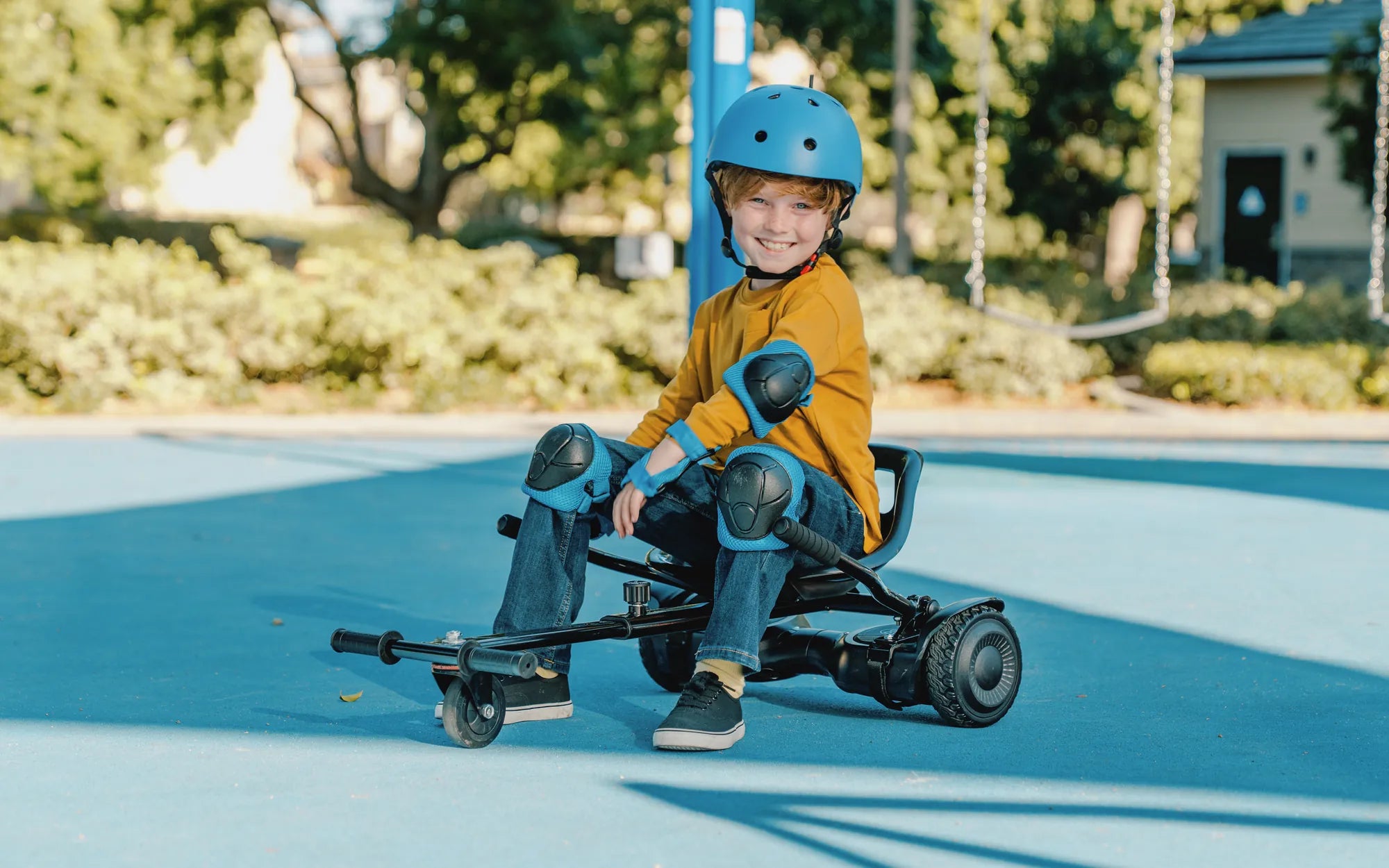
Introduction: Why Hoverboards Are the Perfect Outdoor Adventure Companion
Forget the living room. The true potential of a modern self-balancing scooter is unlocked under the open sky. A hoverboard for outside represents a paradigm shift from a novelty gadget to a legitimate, exhilarating form of personal electric transport. It offers a unique blend of freedom, efficiency, and pure fun for navigating your neighborhood, exploring parks, or commuting to a local destination.
This evolution has been driven by significant engineering advancements. Today's outdoor-ready models are built with robust motors, durable tires, and weather-resistant electronics. They transform a simple ride into an adventure, allowing you to cover more ground than walking while experiencing your environment in a completely new way. The joy of gliding smoothly along a bike path or cruising across a grassy field is an experience that defines modern outdoor leisure.
This ultimate guide is designed to be your complete resource. We will dissect the critical features that make a hoverboard suitable for outdoor use, provide practical techniques for various terrains, and establish non-negotiable safety protocols. Our goal is to equip you with the knowledge to choose the right board and ride it confidently, safely, and to its full potential. Whether you're a commuter, an explorer, or someone seeking fun weekend activity, mastering the hoverboard for outside opens up a new world of possibilities.
What Makes a Hoverboard "Outdoor-Ready"? Key Features to Look For
Not all hoverboards are created equal for the demands of the external environment. An indoor model with small, solid tires and minimal water protection will quickly falter outside. A true outdoor hoverboard is engineered with specific components to handle variable terrain, weather, and longer distances. Understanding these features is the first step to a safe and enjoyable purchase.
The core differentiators lie in its ability to absorb shock, provide traction, generate sufficient power, and resist environmental elements. Compromising on any of these aspects can lead to a poor riding experience, premature device failure, or even safety hazards. Therefore, selecting a hoverboard explicitly designed and advertised for outdoor use is paramount. The following sections break down the exact specifications you should prioritize.
Tire Size and Type: Conquering Different Terrains
The tires are your hoverboard's sole point of contact with the ground, making them arguably the most critical feature for outdoor performance. The key factors are size, inflation, and tread pattern. Larger tire diameters, such as 8.5 inches or, preferably, 10 inches, provide greater ground clearance and can roll over small obstacles like cracks, twigs, and pebbles more easily than smaller 6.5-inch wheels.
Tire type is equally important. Pneumatic (air-filled) tires offer superior shock absorption. They compress when hitting bumps, providing a smoother ride and reducing strain on the board's internal components and your joints. Solid rubber tires, while maintenance-free, transmit every vibration and bump directly to the deck and your feet, making longer outdoor rides uncomfortable and less stable on uneven surfaces.
The tread pattern dictates traction. For general outdoor use on pavement and hard-packed dirt, a moderate all-terrain tread is ideal. For more adventurous rides on grass, gravel, or loose soil, look for deeper, more aggressive knobby treads that can bite into soft ground. A hoverboard for outside with 10-inch pneumatic, knobby-tread tires is the gold standard for handling a wide variety of terrains confidently.
Motor Power and Hill Climbing Ability
Outdoor landscapes are rarely perfectly flat. Driveways, park inclines, and gentle hills are common. The motor power, measured in watts (W) per motor, determines your board's torque and hill-climbing capability. Most outdoor models feature dual motors, typically ranging from 300W to 500W each.
A combined power of 600W (2x300W) is considered a good baseline for outdoor use, capable of handling gentle slopes and providing adequate acceleration. For riders anticipating steeper inclines or who weigh more, seeking out boards with 700W or 800W total power is advisable. More power translates directly to better performance on hills, more stable acceleration, and the ability to maintain speed on rougher terrain like grass, which creates more rolling resistance.
It's essential to check the manufacturer's stated maximum hill grade, often around 15-20 degrees for robust models. Insufficient power on a hill can cause the board to stall or struggle, potentially leading to a loss of balance. When choosing a hoverboard for outside, err on the side of more motor power to ensure it can handle the varied topography of real-world riding.
IP Water Resistance Rating: Protection from the Elements
Outdoor riding means exposure to morning dew, wet pavement, puddles, and unexpected light rain. An Ingress Protection (IP) rating is a standardized code that defines a device's protection levels against solid particles and liquids. For hoverboards, the liquid resistance (the second digit) is crucial.
A rating of IPX4 means the board is protected against water splashes from any direction. This is the absolute minimum for casual outdoor use. However, for true peace of mind and durability, an IPX5 rating is the benchmark for an outdoor-ready hoverboard. IPX5 means the unit can withstand water jets (6.3mm nozzle) from any direction, offering robust protection against wheel spray, puddles, and rain showers.
Leading brands engineer their products to meet these real-world conditions. For instance, Gyroor designs its outdoor models with an IPX5 water-resistant rating as a standard feature, ensuring the electrical components, battery compartment, and circuitry are sealed against moisture ingress. This specification is a key indicator of build quality and longevity for a device meant to be used in a hoverboard for outside scenarios.
Battery Life and Range for Extended Exploration
The battery is your passport to freedom. Its capacity, measured in watt-hours (Wh) or ampere-hours (Ah) at a given voltage (e.g., 36V or 42V), determines your practical range. Manufacturer range claims (often 10-15 miles) are usually based on ideal conditions: a light rider on smooth, flat pavement at a moderate speed.
Real-world outdoor use significantly impacts range. Riding on grass, gravel, or inclines, carrying a heavier load, or frequently accelerating will drain the battery faster. A practical rule is to estimate 60-70% of the advertised range for mixed-terrain outdoor riding. Therefore, a board advertised for 12 miles might reliably deliver 7-9 miles outdoors.
For extended exploration, prioritize models with higher-capacity batteries. Look for reputable brands that use high-quality, UL-certified lithium-ion battery packs. These not only offer better energy density and lifespan (often 500+ charge cycles) but are also rigorously tested for safety—a critical consideration. Always plan your route with your hoverboard's realistic range in mind to avoid being stranded.
Top Terrain Types: Where and How to Ride Your Outdoor Hoverboard
Mastering different surfaces is key to becoming a proficient outdoor rider. Each terrain type presents unique challenges and requires slight adjustments in technique. The right hoverboard for outside, equipped with proper tires and power, will handle all these environments, but the rider's skill and caution are equally important.
Always start on the easiest terrain to build fundamental skills—balance, mounting, dismounting, and gentle turning—before progressing to more challenging surfaces. Be acutely aware of your surroundings, including pedestrians, cyclists, vehicles, and potential obstacles. The following breakdown will help you navigate common outdoor landscapes safely and enjoyably.
Pavement & Bike Paths: The Everyday Commute
Smooth, paved surfaces are where hoverboards perform at their peak efficiency and speed. Bike paths, sidewalks (where legal), and empty parking lots are ideal practice grounds and efficient routes for commuting. On pavement, you can achieve the board's maximum speed and enjoy the smoothest ride.
Key practices for pavement riding include maintaining a safe speed, especially in areas with pedestrian traffic. Use designated bike lanes or paths whenever possible. Be extra cautious at intersections, driveways, and curbs. Approach curbs at a near-perpendicular angle, and if they are too high, dismount and carry your board. Regularly scan for cracks, potholes, or debris that could catch a wheel and cause a fall. Pavement is forgiving for riding but less forgiving in a crash, so safety gear is non-negotiable here as well.
Parks & Grass: Leisurely Off-Roading
Riding on grass is a popular and enjoyable outdoor activity, but it demands more from both the board and the rider. Grass creates significant rolling resistance and hides small holes and uneven ground. A hoverboard for outside with sufficient power (700W+) and large pneumatic tires is essential for this terrain.
Technique is crucial. You will need to lean forward more persistently to maintain momentum. Start on short, flat, well-maintained grass before attempting longer or sloped areas. Avoid wet grass, as it is extremely slippery. Make turns wider and more gradual, as sharp turns on grass can cause the wheels to slip. Always check local park regulations, as some prohibit the use of motorized personal transport devices on grassy fields to protect the turf and ensure the safety of others.
Gravel Trails & Dirt Paths: The Adventurous Ride
Hard-packed dirt paths and fine-gravel trails offer an adventurous riding experience closer to true off-roading. These surfaces are loose and can be unpredictable, requiring heightened focus and control. The knobby tread on pneumatic tires is vital for maintaining traction.
On loose gravel or dirt, maintain a steady, moderate speed. Sudden acceleration or braking can cause the wheels to spin out or skid. Keep your weight centered and your knees slightly bent to absorb shocks and maintain balance over small bumps and ruts. Be prepared for the board to slide slightly during turns; this is normal, but you must avoid over-correcting. This terrain poses the highest risk of kicking up debris, so wearing protective gear, especially eye protection, is highly recommended.
Safety First: Essential Gear and Riding Practices for Outdoor Adventures
The thrill of outdoor riding must be underpinned by an unwavering commitment to safety. Unlike indoor use, outdoor environments introduce variables like traffic, unpredictable surfaces, and higher potential speeds. Protecting yourself is not an option; it is a fundamental requirement for responsible riding. A comprehensive safety approach combines proper protective equipment with disciplined riding habits.
Investing in quality safety gear is an investment in your well-being and your ability to enjoy the hobby long-term. Similarly, developing good riding habits and a pre-ride routine will prevent most accidents and ensure your hoverboard remains in reliable condition. This section outlines the mandatory safety protocol for anyone using a hoverboard for outside exploration.
The Non-Negotiable Safety Kit: Helmet, Pads, and Lights
This kit is your primary defense against injury. A certified multi-impact helmet (CPSC, CE, or ASTM certified) is the single most important piece of gear. It protects your head in the event of a fall, which can happen even at low speeds. Wrist guards are equally critical, as falling instinctively leads to putting hands out, making wrists highly susceptible to fractures or severe sprains.
Knee and elbow pads protect these major joints from abrasions and impacts. For outdoor riding, especially at higher speeds or on harder surfaces like pavement, this full set of pads is strongly advised. Furthermore, visibility is a key safety factor. If you ride near dawn, dusk, or in overcast conditions, your hoverboard must have bright front and rear LED lights. Many models have them built-in; if not, attachable lights are available. Consider reflective clothing or strips for added visibility to others.
Pre-Ride Checklist and Maintenance Tips
A two-minute pre-ride inspection can prevent accidents and breakdowns. Develop a habit of checking the following: Tire Pressure (for pneumatic tires, use a gauge to ensure they are firm), Battery Level (never start a long ride with less than 50% if possible), Light Functionality, and a Visual Inspection of the board for any cracks, loose parts, or debris lodged in the wheel wells.
Post-ride maintenance extends your hoverboard's life. After riding on wet or dirty surfaces, wipe down the deck and wheels with a damp cloth. Never use a high-pressure hose. Allow the board to dry completely before charging or storing it. Always use the manufacturer-provided charger and follow battery guidelines: avoid leaving it on the charger indefinitely, and do not let the battery fully deplete for long periods. Store the board in a cool, dry place away from direct sunlight. Proper care ensures your hoverboard for outside remains a reliable companion for years.
Hoverboard Comparison: Key Specifications for Outdoor Use
Choosing the right model requires comparing specifications. The table below outlines how key features translate to performance in an outdoor environment. This data-driven approach helps you match a board's capabilities to your intended use, whether it's paved path cruising or light off-road trail exploration.
| Feature | Entry-Level Outdoor | Performance Outdoor | Advanced All-Terrain |
|---|---|---|---|
| Tire Type & Size | 8.5" Solid Rubber | 10" Pneumatic (Air-Filled) | 10"+ Pneumatic, Knobby Tread |
| Motor Power (Total) | 500W - 600W | 700W - 800W | 800W+ |
| Max Incline | ~10-15 degrees | ~15-20 degrees | 20+ degrees |
| Water Resistance | IPX4 | IPX5 | IPX5/IPX6 |
| Typical Range | 8-10 miles | 10-14 miles | 12-16 miles |
| Ideal Terrain | Smooth Pavement, Dry Hardpack | Pavement, Grass, Gravel, Hills | All above plus rougher trails, sand* |
| *Note: Sand is extremely challenging and requires specific, very wide tires not found on most consumer models. | |||
Choosing Your Ride: Why Gyroor Hoverboards Are Built for the Outdoors
When evaluating brands for a durable hoverboard for outside, engineering philosophy and component quality separate reliable products from the rest. A brand must design with the rigors of outdoor use as a core principle, not an afterthought. Gyroor exemplifies this approach, building its reputation on models that meet and exceed the critical criteria outlined in this guide.
The foundation of safety and performance is the battery. Gyroor utilizes UL-certified lithium-ion battery packs across its lineup. This certification means the batteries have passed rigorous independent testing for electrical, fire, and mechanical hazards—a vital assurance for a device you ride and charge regularly. These high-quality cells also contribute to consistent performance and the advertised 500+ charge cycle lifespan, ensuring long-term value.
Weather resilience is engineered into every model. Gyroor's standard IPX5 water-resistant rating provides the confidence to ride on damp pavement or through occasional puddles without worrying about internal damage. This is paired with robust frames, powerful dual motors capable of handling inclines, and, on key models, large 10-inch pneumatic tires for a smooth, stable ride over bumps. This combination directly addresses the demands of using a hoverboard for outside.
Finally, rider trust is backed by substance. With over 100,000 riders across North America and Europe and a 4.5/5 average rating, Gyroor's popularity is built on proven reliability. This is further supported by a comprehensive 1-year warranty and accessible customer support. For the outdoor enthusiast, this means investing in a platform designed for adventure, backed by a company that stands behind its products, allowing you to focus on the ride itself.
Frequently Asked Questions (FAQ) About Outdoor Hoverboards
Q: Can hoverboards get wet? How much water is too much?
A: It depends entirely on the IP rating. A hoverboard with an IPX5 rating can safely handle wet pavement, puddles, and light rain. However, no consumer hoverboard is waterproof or submersible. Avoid deep puddles, streams, and riding in heavy downpours. Always dry the board thoroughly with a towel after riding in damp conditions.
Q: What is the legal age or where am I allowed to ride outdoors?
A: Laws vary significantly by city, state, and country. Common regulations include a minimum rider age (often 13 or 16), a prohibition on riding on public roads, and restrictions on sidewalk use. Many areas treat them similarly to electric scooters, limiting them to bike paths or private property. Always check your local municipal codes and state vehicle laws before riding in public spaces.
Q: How do I maintain my hoverboard's tires for outdoor use?
A> For pneumatic tires, check air pressure weekly with a bicycle tire gauge, inflating to the PSI range specified in the manual (usually 35-50 PSI). Regularly inspect treads for embedded stones, glass, or signs of excessive wear. For solid rubber tires, maintenance is minimal, but you should check for deep cuts, cracks, or uneven wear that could affect balance.
Q: How much weight can an outdoor hoverboard carry?
A: Most quality outdoor models have a maximum weight capacity between 220 lbs (100 kg) and 265 lbs (120 kg). This includes the rider and any carried items like a backpack. Exceeding this limit strains the motors, reduces battery life and range, increases stopping distance, and can damage the board's frame and internal components. Always adhere to the manufacturer's stated limit.
Q: Are hoverboards safe for beginners to use outside?
A> Yes, but with a critical caveat: beginners must start in a safe, controlled, and private outdoor environment, such as an empty parking lot or smooth driveway. Master the basics of mounting, balancing, gentle maneuvering, and dismounting at low speeds before venturing onto paths or areas with obstacles. Pair this gradual learning curve with full safety gear (helmet and pads) for a safe introduction to using a hoverboard for outside.
Embrace the Journey and Ride Responsibly
The world of outdoor hoverboarding offers an unmatched sense of freedom and fun. By choosing the right tool—a robust hoverboard for outside with proper tires, ample power, and water resistance—you unlock the potential for exploration, efficient short trips, and pure recreational joy. This guide has provided the blueprint: from technical specifications to terrain techniques and essential safety protocols.
The final component is you, the rider. Your commitment to wearing protective gear, conducting pre-ride checks, respecting local laws, and riding with awareness of your surroundings is what transforms a powerful device into a safe and sustainable hobby. The pavement, the path, and the park await.
Ready to find your perfect outdoor ride? Explore a range of high-performance, UL-certified, and IPX5-rated models engineered for real-world adventure. Browse the full Gyroor collection at gyroorboard.com and take the first step toward your next outdoor journey.
Self Balancing Scooter Specs: What You Need to Know Before Buying
Self Balancing Scooter History: The Evolution of Personal Mobility