



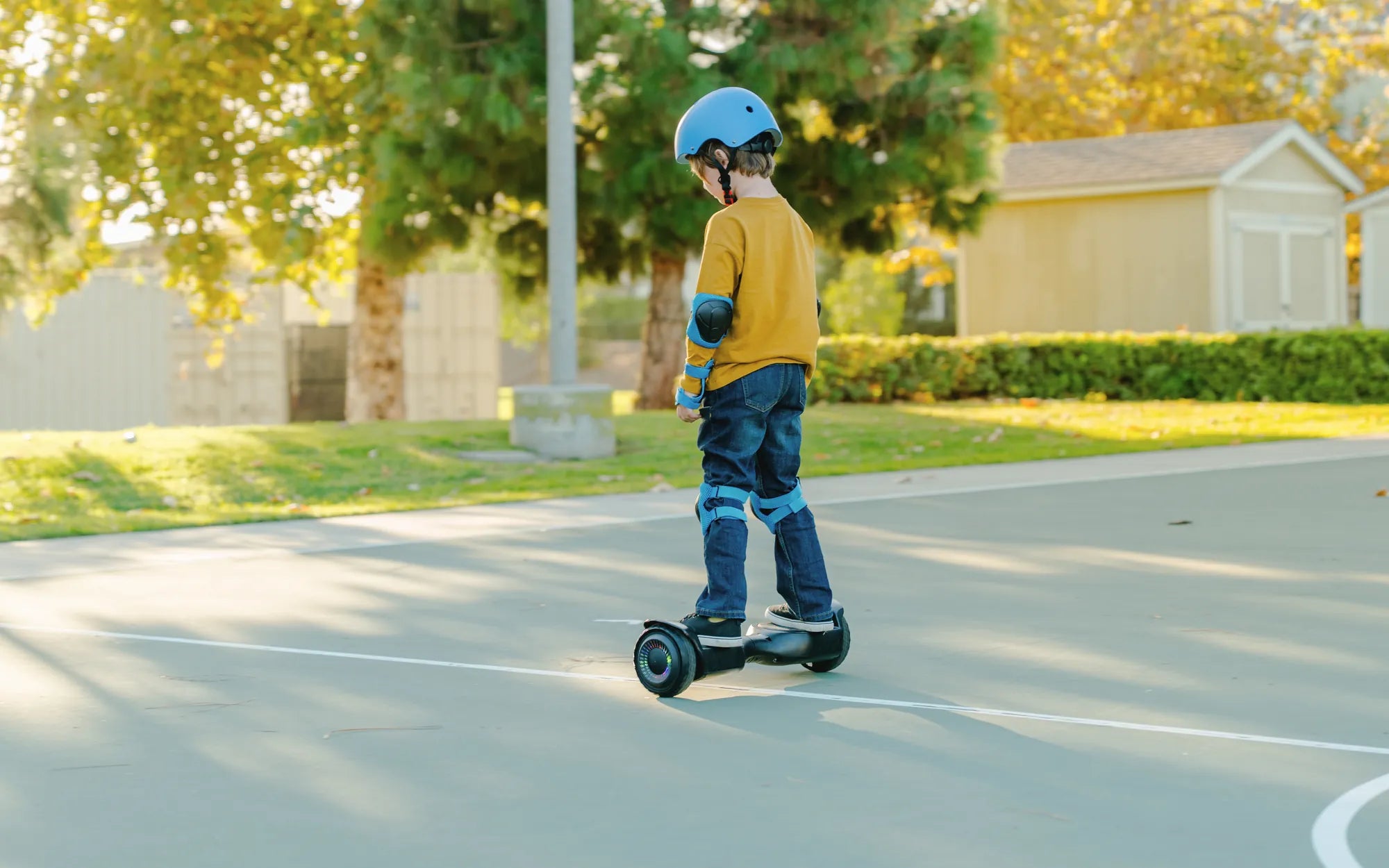
Hoverboards have taken the world by storm, promising a futuristic way to zip around town with effortless style. But for many first-time riders, the reality is far from smooth gliding. If you've ever stepped onto a hoverboard only to wobble uncontrollably or even take a tumble, you're not alone. These self-balancing scooters are notoriously tricky to master, leaving many wondering why something so sleek can feel so unstable.
Why Are Hoverboards So Hard to Ride?
At first glance, hoverboards seem simple—just step on and lean to move. However, their design introduces several challenges that make them harder to ride than expected:
- No Handlebars for Balance: Unlike bikes or scooters, hoverboards offer no physical support to stabilize yourself.
- Unintuitive Weight Shifting: Leaning forward or backward to move feels unnatural at first.
- Small Foot Platforms: Limited space for your feet reduces stability, especially for beginners.
- Gyroscopic Sensitivity: The self-balancing mechanism can overcorrect, causing sudden jerks.
Common Mistakes That Make Riding Even Harder
Many new riders unknowingly make these mistakes, increasing the difficulty:
- Looking Down at Feet: This shifts your center of gravity and disrupts balance.
- Stiff Posture: Locking your knees makes it harder to adjust to movements.
- Overcorrecting: Panicking and leaning too far in the opposite direction often leads to falls.
- Starting on Uneven Surfaces: Grass or gravel amplifies instability for beginners.
How to Make Learning Easier
While hoverboards are challenging, these techniques can help you gain confidence faster:
- Use a Support: Hold onto a wall or railing when first practicing mounting and dismounting.
- Bend Your Knees Slightly: This lowers your center of gravity and improves control.
- Practice on Carpet First: The softer surface provides more friction and reduces wheel slip.
- Start with Small Movements: Gentle leans help you get accustomed to the board's sensitivity.
Advanced Tips for Mastering Your Hoverboard
Once you've got the basics down, these strategies will refine your skills:
- Foot Placement Matters: Position your feet near the wheel arches for better leverage.
- Look Where You Want to Go: Your body naturally follows your gaze for smoother turns.
- Learn to Fall Safely: Step off backward if you lose balance to avoid forward tumbles.
- Gradually Increase Speed: Build up to faster movements only after mastering slow control.
Hoverboards may have a steep learning curve, but persistence pays off. With the right approach, you'll soon be gliding effortlessly—turning heads while leaving those early wobbles far behind. The key is patience, practice, and remembering that even the most skilled riders once struggled just like you.
Where Do I Get a Hoverboard? Your Ultimate Guide to Finding the Perfect Ride
Can You Play Music on a Hoverboard? Exploring the Features and Possibilities