

Hoverboards have revolutionized personal transportation, offering a fun and efficient way to get around. But if you're on the heavier side or plan to carry extra weight, finding a hoverboard with a max weight of 300 lbs is crucial. Not all hoverboards are created equal, and exceeding the weight limit can lead to safety hazards or poor performance. Let's dive into what makes a hoverboard suitable for heavier riders and how to ensure a smooth, safe ride.
Why Weight Capacity Matters
When it comes to hoverboards, weight capacity isn't just a suggestion—it's a critical factor for safety and performance. A hoverboard with a max weight of 300 lbs is designed with reinforced frames, stronger motors, and durable tires to handle the extra load. Exceeding the limit can strain the battery, reduce speed, and even cause the board to malfunction. Always check the manufacturer's specifications before riding.
Key Features of a 300 lbs Hoverboard
Not all hoverboards are built to support heavier riders. Here are the essential features to look for:
- Powerful Dual Motors: Look for motors with at least 500W each to ensure smooth acceleration and climbing ability.
- Reinforced Frame: A sturdy, high-quality frame prevents bending or cracking under pressure.
- Wide Tires: Larger tires (8.5 inches or more) provide better stability and shock absorption.
- High-Capacity Battery: A robust battery ensures longer ride times and consistent performance.
Safety Tips for Heavier Riders
Even with a hoverboard rated for 300 lbs, safety should always come first. Follow these tips to minimize risks:
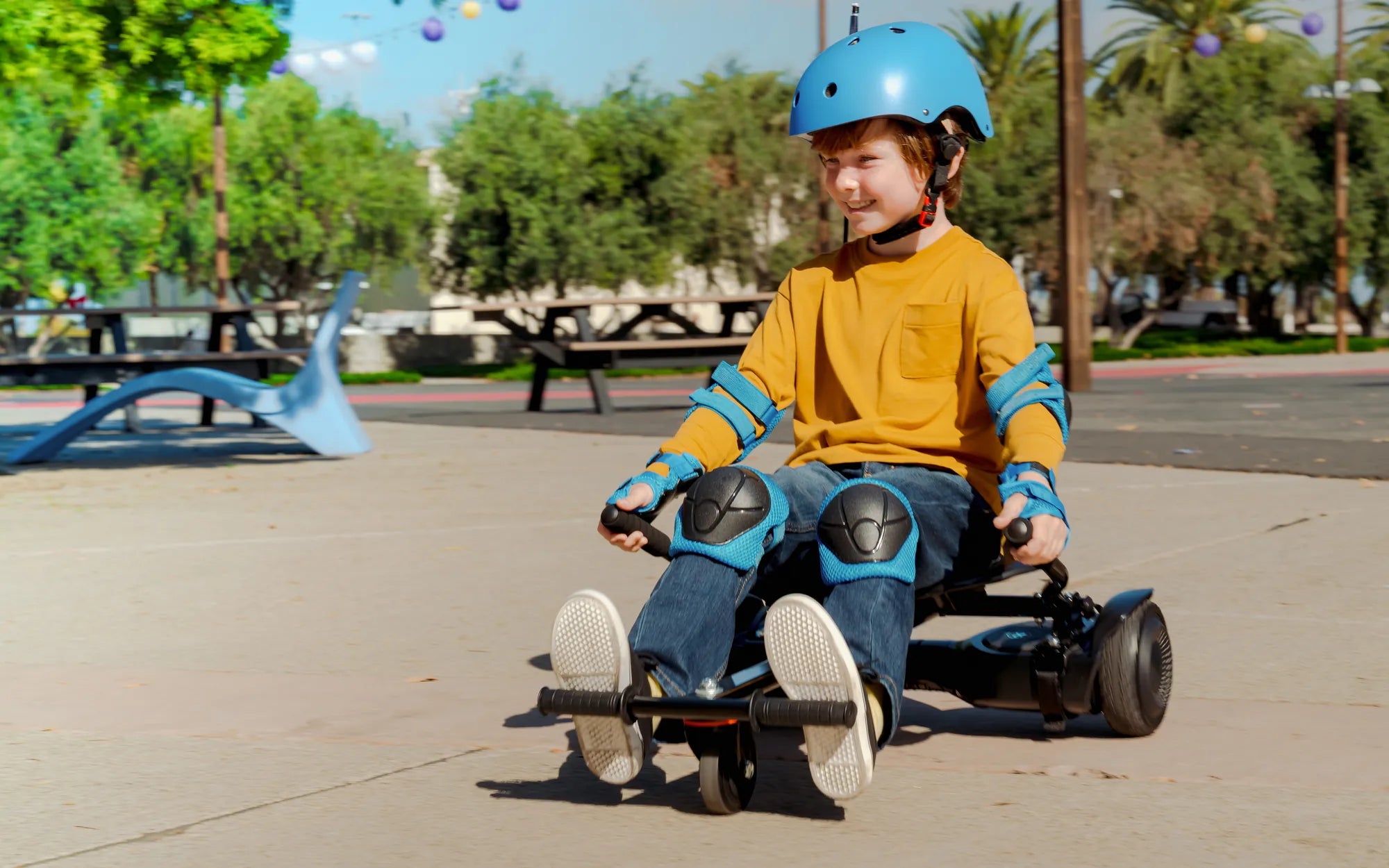
- Wear protective gear, including a helmet, knee pads, and elbow pads.
- Start on flat, smooth surfaces to get comfortable with balance and control.
- Avoid steep hills or uneven terrain until you're confident in your riding skills.
- Regularly check tire pressure and battery health to maintain optimal performance.
How to Choose the Right Hoverboard
Selecting a hoverboard that meets your weight requirements involves more than just checking the max load. Consider these factors:
- Rider Experience: Beginners should opt for models with beginner-friendly modes and enhanced stability.
- Terrain: If you plan to ride on rough surfaces, choose a hoverboard with all-terrain tires.
- Battery Life: Heavier riders may drain the battery faster, so look for models with extended range.
- Customer Reviews: Real-world feedback from other heavier riders can help you gauge reliability.
Common Myths About Hoverboards and Weight Limits
There are several misconceptions about hoverboards and weight capacity. Let's debunk a few:
- Myth: "All hoverboards can handle up to 300 lbs." Reality: Only models specifically designed for heavier riders can safely support that weight.
- Myth: "Exceeding the weight limit slightly won't cause issues." Reality: Even a small overload can damage the motors or battery over time.
- Myth: "Heavier hoverboards are always better." Reality: Weight isn't the only factor—build quality and motor power matter more.
Maintenance Tips for Longevity
To keep your hoverboard running smoothly, follow these maintenance practices:
- Clean the wheels and undercarriage regularly to prevent debris buildup.
- Store the hoverboard in a cool, dry place to protect the battery.
- Avoid overcharging the battery to extend its lifespan.
- Inspect the frame and tires for signs of wear and tear.
Ready to take your ride to the next level? A hoverboard with a max weight of 300 lbs opens up new possibilities for heavier riders, offering stability, power, and durability. Whether you're commuting or just having fun, choosing the right board ensures a safe and enjoyable experience. Don't settle for less—find the perfect hoverboard that matches your weight and riding style today!
Where to Buy Cheap Hoverboards: The Ultimate Guide for Budget Shoppers
Super Cool Hoverboards: The Future of Personal Transportation