


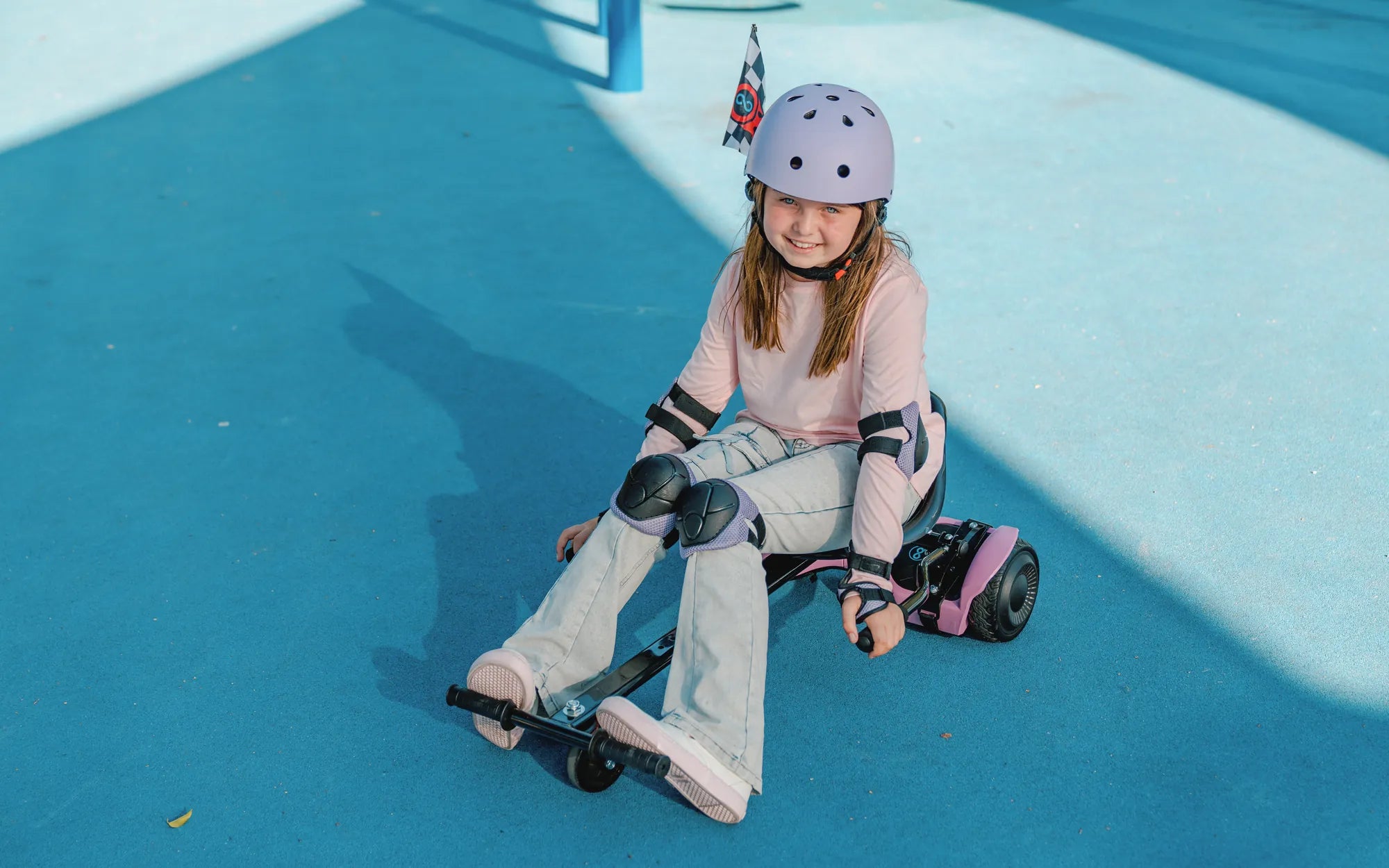
Hoverboards have become one of the most popular gadgets for kids, offering a thrilling way to zip around the neighborhood. However, with great fun comes great responsibility—ensuring your child's safety while riding is crucial. From choosing the right model to teaching proper riding techniques, here’s everything you need to know about hoverboard safety for kids.
Why Hoverboard Safety Matters
Hoverboards may seem harmless, but they can pose serious risks if not used correctly. Falls, collisions, and even battery-related incidents have been reported, making it essential for parents to prioritize safety. By following the right precautions, you can minimize these risks and let your child enjoy their hoverboard with confidence.
Choosing the Right Hoverboard for Kids
Not all hoverboards are created equal, especially when it comes to kids. Look for models with features like speed limits, sturdy construction, and reliable battery systems. Always check for safety certifications to ensure the hoverboard meets industry standards. A lightweight design with a lower maximum speed is ideal for younger riders.
Essential Safety Gear
Before your child hops on their hoverboard, make sure they’re equipped with the right safety gear. A properly fitted helmet is a must, along with knee pads, elbow pads, and wrist guards. Bright or reflective clothing can also help increase visibility, especially if they’re riding near roads or in low-light conditions.
Teaching Proper Riding Techniques
Even the most cautious kids can take a tumble if they don’t know how to ride properly. Start by teaching them to balance on the hoverboard while holding onto a stable surface. Once they’re comfortable, practice starting, stopping, and turning in a safe, open area. Emphasize the importance of keeping both feet firmly on the board and avoiding sudden movements.
Supervision and Safe Riding Areas
Younger children should always be supervised while riding a hoverboard. Choose smooth, flat surfaces away from traffic, steep slopes, or crowded areas. Avoid wet or uneven terrain, as these can increase the risk of accidents. Setting clear boundaries on where and when they can ride will help keep them safe.
Battery and Maintenance Safety
Hoverboard batteries require careful handling to prevent overheating or fires. Teach your child to never leave the hoverboard charging unattended and to use only the manufacturer-approved charger. Regularly inspect the board for any signs of damage, such as frayed wires or loose parts, and address any issues immediately.
Common Mistakes to Avoid
Many hoverboard accidents happen due to simple mistakes, like riding too fast, ignoring safety gear, or attempting tricks beyond their skill level. Encourage your child to ride responsibly and avoid distractions, such as using a phone while on the board. Remind them that hoverboards are not toys—they require focus and respect.
What to Do in Case of an Accident
Despite all precautions, accidents can still happen. Make sure your child knows how to fall safely—tucking and rolling can reduce the risk of serious injury. Keep a first-aid kit handy and teach them basic injury response, such as cleaning cuts or applying ice to bruises. If an injury seems serious, seek medical attention right away.
Hoverboards can provide hours of fun and excitement for kids, but only when safety is the top priority. By following these guidelines, you can ensure your child enjoys their hoverboard adventures while staying protected. Ready to take the next step? Equip your young rider with the knowledge and gear they need to stay safe and confident on their hoverboard.
Scooter for Kids 14 Years: The Ultimate Guide to Choosing the Best Ride
Scooter for Kids 14 Years: The Ultimate Guide to Choosing the Best Ride