



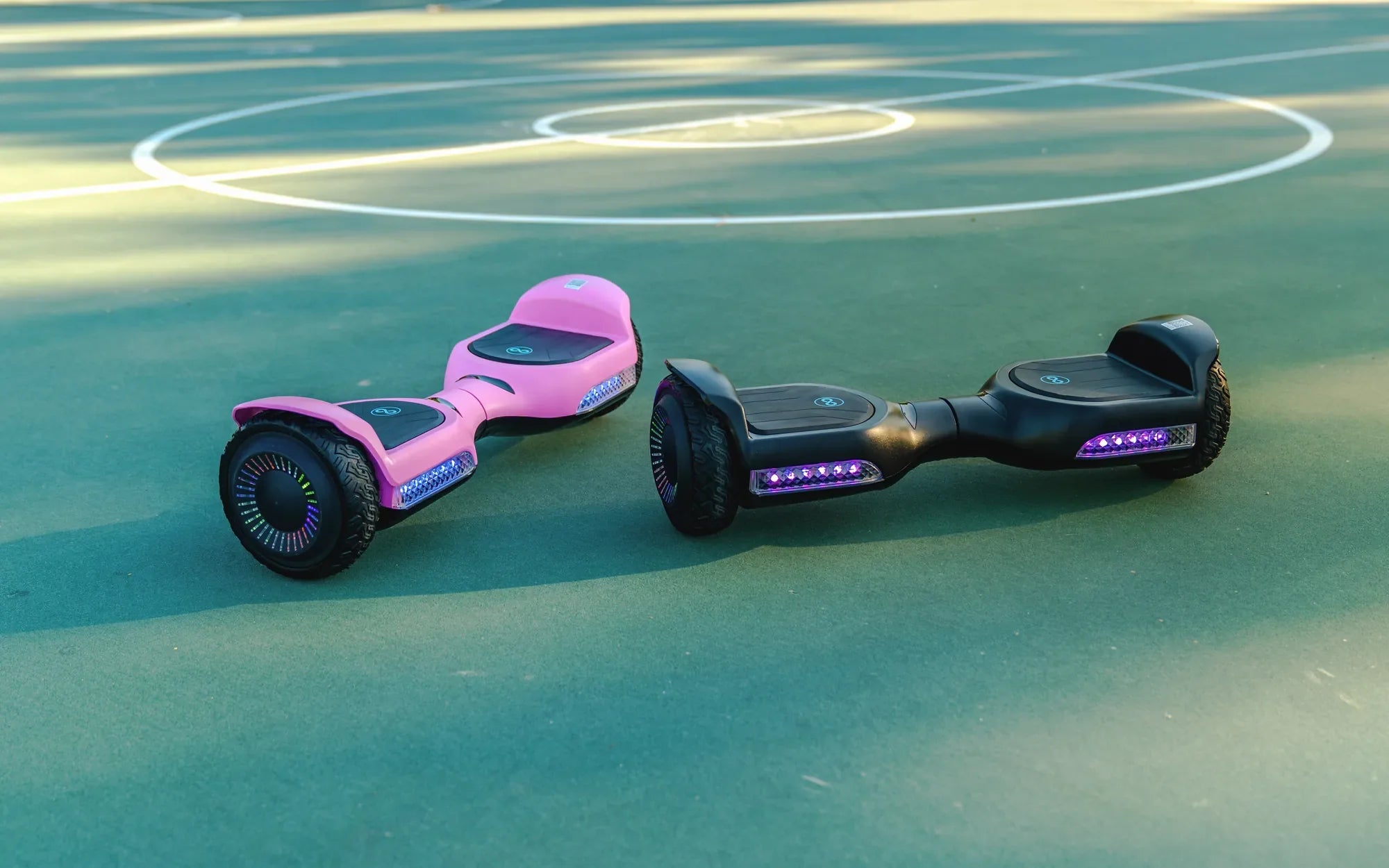
Hoverboards have become a popular mode of personal transportation, offering a fun and convenient way to get around. However, with their rise in popularity, concerns about safety have also emerged. Understanding hoverboard safety standards is crucial to prevent accidents and ensure a smooth ride. Whether you're a seasoned rider or a beginner, knowing what to look for can make all the difference.
Why Hoverboard Safety Standards Matter
Hoverboards, like any electronic device, come with risks if not properly regulated. Poorly manufactured models can overheat, catch fire, or malfunction, posing serious dangers to riders. Safety standards are designed to mitigate these risks by ensuring that hoverboards meet specific quality and performance criteria. These standards cover everything from battery safety to structural integrity, giving riders peace of mind.
Key Hoverboard Safety Certifications
When shopping for a hoverboard, look for certifications that indicate compliance with safety standards. Some of the most important include:
- UL 2272 Certification: This is the gold standard for hoverboard safety, covering electrical and fire hazards.
- CE Marking: Indicates compliance with European safety, health, and environmental requirements.
- FCC Certification: Ensures the device meets electromagnetic interference standards.
These certifications are a clear sign that the hoverboard has undergone rigorous testing and meets industry benchmarks.
Battery Safety: A Critical Component
One of the biggest safety concerns with hoverboards is the battery. Low-quality lithium-ion batteries can overheat, leading to fires or explosions. To avoid this, always choose hoverboards with batteries that meet safety standards. Look for features like overcharge protection, temperature control, and short-circuit prevention. Proper charging habits, such as not leaving the hoverboard plugged in overnight, can also extend battery life and reduce risks.
Structural Integrity and Build Quality
A well-built hoverboard is less likely to malfunction or break during use. Check for sturdy construction, high-quality materials, and reliable wheel mechanisms. The hoverboard should have a balanced design to prevent tipping, especially when turning or stopping. Weight limits are another important factor—exceeding them can strain the device and lead to accidents.
Safe Riding Practices
Even with a certified hoverboard, safe riding practices are essential. Always wear protective gear, including a helmet, knee pads, and elbow pads. Start in a safe, open area to get comfortable with the controls. Avoid riding on uneven surfaces or near traffic, and never exceed the recommended speed limit. Teaching children proper usage and supervision can prevent unnecessary injuries.
Regulations and Legal Requirements
Different regions have varying regulations for hoverboards. Some cities ban them on sidewalks or roads, while others require specific safety features. Always check local laws before riding to avoid fines or confiscation. Staying informed about legal requirements ensures you enjoy your hoverboard without running afoul of the law.
The Future of Hoverboard Safety
As technology advances, hoverboard safety standards are likely to evolve. Innovations in battery technology, smarter balancing systems, and enhanced materials will continue to improve rider safety. Staying updated on these developments can help you make informed choices and enjoy a safer ride.
Hoverboards are here to stay, but safety should always come first. By choosing certified models, following best practices, and staying informed, you can enjoy the thrill of riding without compromising on safety. Ready to hit the streets? Make sure your hoverboard meets the highest safety standards—your next adventure depends on it.
Hoverboard Direct Drive: The Future of Personal Transportation
The History of Hoverboards: From Sci-Fi Dreams to Modern Reality