



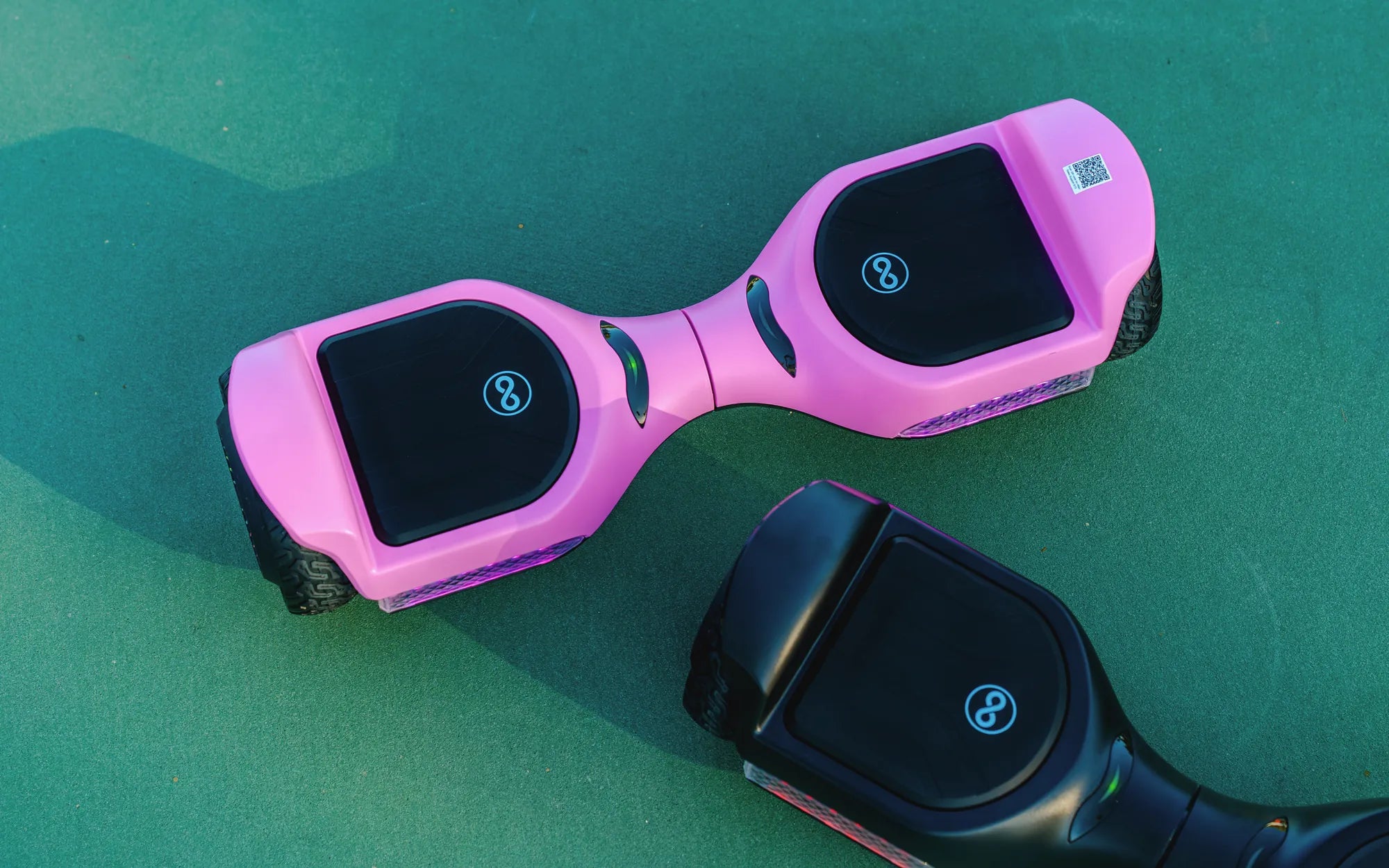
Introduction: The Allure of Affordable Hoverboards
The search for a hoverboard under $70 represents a quest for accessible, personal electric mobility. These devices promise fun and freedom for kids, teens, and budget-conscious adults without a significant financial investment. While premium brands command higher prices for advanced features and robust construction, the sub-$70 market proves that entry-level enjoyment is within reach.
However, navigating this price tier demands informed purchasing. The key is balancing affordability with non-negotiable safety standards. This guide will demystify the market for a hoverboard under $70, setting realistic expectations, highlighting crucial safety checks, and providing the knowledge needed to make a smart, responsible choice for affordable fun.
Understanding the "Under $70" Hoverboard Market
The market for a hoverboard under $70 is populated by basic, entry-level models. These are typically designed for light recreational use by younger riders on smooth, flat surfaces like driveways, sidewalks, and indoor floors. At this price point, manufacturers make specific compromises to meet cost targets, which buyers must acknowledge.
Common trade-offs include smaller wheel diameters (often 6.5 inches), simpler LED lighting systems, shorter-range batteries, and less durable outer shell materials. The motors are usually lower-powered dual 250W setups, sufficient for casual cruising but not for steep inclines. It's a distinct category separate from performance-focused models from established brands like Gyroor, which invests in UL-certified batteries, IPX5 water resistance, and warranties backed by a reputation serving over 100,000 riders.
Price vs. Performance: Setting Realistic Expectations
Expectations must be calibrated for a hoverboard under $70. These are not all-terrain vehicles nor long-distance commuters. They are best viewed as introductory toys or short-range personal transporters for controlled environments. The build quality and component longevity will naturally differ from higher-priced alternatives, impacting the product's lifespan.
Understanding these limitations is the first step to satisfaction. A buyer seeking a durable, high-performance device for varied terrain should consider this budget tier a starting point, with brands like Gyroor offering logical next-step upgrades in electric scooters and e-bikes as skills and needs evolve.
Key Features to Scrutinize (Even on a Budget)
Even when searching for a hoverboard under $70, certain features are non-negotiable for safety and basic functionality. Scrutinizing product listings for these details is essential to avoid purchasing a potentially hazardous or non-functional device.
UL 2272 Certification is the absolute minimum safety requirement. This standard certifies that the hoverboard's electrical system, including the battery and charger, has passed stringent tests for fire and electrical safety. Never purchase a board without this certification, regardless of price.
Wheel size directly impacts ride comfort and obstacle handling. Most budget models feature 6.5-inch wheels, which are suitable only for very smooth surfaces. Slightly larger 8-inch wheels, while rarer in this price range, offer a marginally smoother ride over minor cracks and bumps.
Motor power is typically a dual 250W setup (500W total), providing enough torque for a lightweight rider on flat ground. Battery capacity is often in the 4.0Ah range, using lithium-ion cells. Always verify the chemistry; reputable listings will specify lithium-ion, which is safer and more reliable than older battery types.
Safety First: Why Certification and Build Quality Can't Be Ignored
Safety is the paramount concern that transcends budget. The early days of hoverboards were marred by incidents related to faulty, uncertified lithium-ion batteries. A hoverboard under $70 must not compromise on this fundamental aspect. UL 2272 certification is not a premium feature; it is a basic requirement for responsible manufacturing.
Uncertified boards pose serious risks, including potential battery fires during charging or use, sudden motor shutdowns leading to falls, and poor-quality wiring. Established brands build safety into their engineering ethos. For example, Gyroor utilizes UL-certified battery packs tested for over 500 charge cycles and designs its electric scooters with robust battery management systems, setting a benchmark for what safe personal electric mobility should entail.
The Engineering Behind Safe Riding
Safe construction extends beyond the battery. A well-built hoverboard features a sturdy frame that doesn't flex excessively, reliable gyroscopic sensors for stable self-balancing, and non-slip foot pads. While a hoverboard under $70 may use more basic materials, the fundamental design principles must still be sound.
Cheap, brittle plastics can crack under stress, and poor solder joints on circuit boards can fail. This is why purchasing from a seller with a reputation for honoring warranties—even limited 90-day or 6-month warranties common at this price—is crucial. It provides a recourse if a manufacturing defect appears.
The Practical Realities: Performance and Limitations
What can you actually expect from a hoverboard under $70? The performance profile is defined by entry-level specifications designed for casual, low-impact use. Understanding these specs prevents disappointment and ensures the board is matched to an appropriate rider.
The maximum speed typically ranges from 6 to 8 miles per hour. This is a safe, manageable speed for beginners and younger riders. The range per charge is usually between 6 and 10 miles, though real-world results are often closer to the lower end, depending on rider weight, terrain, and temperature.
Charge time is generally 2 to 3 hours for a full charge from empty. The weight capacity is a critical spec, often capping at 120 to 160 pounds. Exceeding this limit stresses the motors, battery, and frame, leading to premature failure and safety risks. These boards are strictly for smooth pavement, indoor tile, or hardwood; they are not suitable for grass, gravel, or uneven terrain.
| Specification Category | Typical Range for Hoverboard Under $70 | Notes & Considerations |
|---|---|---|
| Max Speed | 6 - 8 mph | Suitable for beginners; controlled pace. |
| Range per Charge | 6 - 10 miles | Varies greatly with rider weight and riding style. |
| Motor Power | Dual 250W (500W total) | Adequate for flat ground; struggles on inclines >10°. |
| Weight Capacity | 120 - 160 lbs | Do not exceed; check manufacturer's limit precisely. |
| Wheel Size | 6.5 inches | Smaller wheels = less stability over bumps. |
| Battery Charge Time | 2 - 3 hours | Use only the provided UL-certified charger. |
Making a Smart Purchase: A Buyer's Checklist for Budget Hoverboards
Arm yourself with this practical checklist before committing to a hoverboard under $70. Diligent research is the best tool for finding a reliable product in this competitive market.
1. UL 2272 Certification: Confirm this is explicitly stated in the product title, description, and technical details. Look for certification logos in product images.
2. Seller & Brand Reputation: Research the seller on the marketplace (e.g., Amazon). Read recent reviews, specifically looking for comments on durability, customer service response to issues, and whether the product matches its description.
3. Warranty & Return Policy: Understand what is covered. A 90-day to 6-month warranty is common. Ensure the return window and process are clear in case the board arrives damaged or defective.
4. Included Accessories: Verify the package includes a UL-certified charger, and possibly a beginner (learning) mode, which restricts speed for first-time riders. Some bundles may include a basic carry bag.
5. Rider Compatibility: Match the board's weight limit and recommended age range to the primary rider. When in doubt, choose a board with a higher weight capacity for a margin of safety.
Beyond the Board: Essential Gear and Riding Tips
The cost of a hoverboard under $70 is not the total cost of ownership. Investing in proper safety gear is non-negotiable and should be factored into your budget from the start. This is especially critical for younger riders.
Mandatory Safety Gear: A properly fitted bicycle or multi-sport helmet is essential. Wrist guards are highly recommended to prevent common fractures from falls. Knee and elbow pads provide additional protection, especially during the learning phase.
Riding Tips for Beginners: Start in a safe, open, flat area free of traffic, obstacles, and slopes. Practice mounting and dismounting while holding onto a stable support. Learn to lean gently forward to go, back to slow down or reverse, and use subtle foot pressure to turn. Always avoid water, sand, and oily surfaces, as these can damage the board and cause loss of traction.
FAQ: Your Questions About Budget Hoverboards Answered
Q: Are hoverboards under $70 safe for my 10-year-old?
A: They can be, but only under strict conditions. The board must be UL 2272 certified, the child must be within the specified weight and age limit, and they must wear full protective gear (helmet, wrist/knee/elbow pads). Adult supervision is mandatory, especially during initial learning.
Q: How long do these budget hoverboards typically last?
A> With careful use—avoiding crashes, water, and overloading—a well-chosen budget board can last 1 to 2 seasons of regular use. Longevity is a primary trade-off at this price point; components like batteries and motors are not designed for the same lifespan as premium models.
Q: Can they be used on grass or gravel?
A> No. The small 6.5-inch solid rubber wheels and low-power motors of a typical hoverboard under $70 cannot handle off-road terrain. Attempting to do so will quickly drain the battery, strain the motors, and likely cause the rider to fall. For such surfaces, you would need an all-terrain model with much larger, air-filled tires and more powerful motors, like those found in some Gyroor electric scooter models.
Q: What's the single most important thing to check before buying?
A> Without question, UL 2272 certification. This is the baseline for fire and electrical safety. No certification should mean no purchase, regardless of how attractive the price or design may be.
Q: Is the charging process different for budget boards?
A> The principle is the same, but vigilance is key. Always use the provided charger. Never leave the board charging unattended for extended periods or overnight. Charge on a non-flammable surface in a well-ventilated area, and disconnect once the indicator shows a full charge.
Conclusion: Balancing Budget, Fun, and Responsibility
A hoverboard under $70 can indeed provide affordable fun, acting as a fantastic introduction to personal electric mobility for kids and novice riders. The path to a satisfying purchase is paved with diligent research, a sharp focus on verified safety certifications, and realistic expectations about performance and durability.
By prioritizing UL 2272 certification, scrutinizing seller reviews, and pairing the board with mandatory safety gear, you can minimize risks and maximize enjoyment. Remember, this budget tier serves as a starting point. For riders who develop a passion for the activity and seek greater range, speed, durability, and all-terrain capability, exploring reputable brands with proven track records is the logical next step.
Brands like Gyroor, with their commitment to UL-certified batteries, robust IPX5 water-resistant designs, and comprehensive 1-year warranties, represent the evolution of personal electric transport—where safety and performance are engineered in from the start. Whether you start with a budget hoverboard or graduate to a more capable electric scooter or e-bike, the goal remains the same: safe, reliable, and exhilarating fun for everyone.
Ready to explore the full spectrum of personal electric mobility? Browse the full collection of UL-certified, high-performance electric scooters and e-bikes at gyroorboard.com.
Hoverboard Website: Your Ultimate Guide to Buying and Riding Safely
Hoverboard for 12 Year Old: The Ultimate Guide to Fun and Safety