



If you're looking for a fun and futuristic way to get around, hoverboards and waveboards are two of the most exciting options available. But which one is the right choice for you? In this in-depth comparison, we'll break down the differences in design, performance, and usability to help you decide.
What is a Hoverboard?
A hoverboard is a self-balancing, two-wheeled electric scooter that responds to subtle shifts in body weight. Riders stand on a platform between two wheels, using their feet to control speed and direction. These devices are powered by rechargeable batteries and often feature LED lights, Bluetooth speakers, and smartphone connectivity.
What is a Waveboard?
A waveboard, also known as a caster board, is a two-wheeled skateboard with a flexible center that allows for a unique twisting motion. Unlike traditional skateboards, waveboards don't require pushing off the ground - riders generate momentum by moving their feet in a wave-like pattern. While some electric versions exist, most waveboards are human-powered.
Key Differences Between Hoverboards and Waveboards
Power Source
Hoverboards are fully electric with rechargeable batteries, while most waveboards rely on human power. This makes hoverboards better for longer distances but dependent on battery life.
Learning Curve
Waveboards generally have a steeper learning curve due to their unique motion mechanics. Hoverboards are easier to pick up for beginners, though mastering advanced maneuvers takes practice with both devices.
Portability
Hoverboards tend to be heavier due to their battery and motor components. Waveboards are typically lighter and easier to carry when not in use.
Terrain Handling
Hoverboards perform better on smooth surfaces and can handle slight inclines thanks to their electric motors. Waveboards work on smooth pavement but struggle with rough terrain or hills.
Speed
Electric hoverboards generally offer higher top speeds (10-12 mph) compared to human-powered waveboards (5-8 mph). However, skilled waveboard riders can maintain momentum efficiently.
Safety Considerations
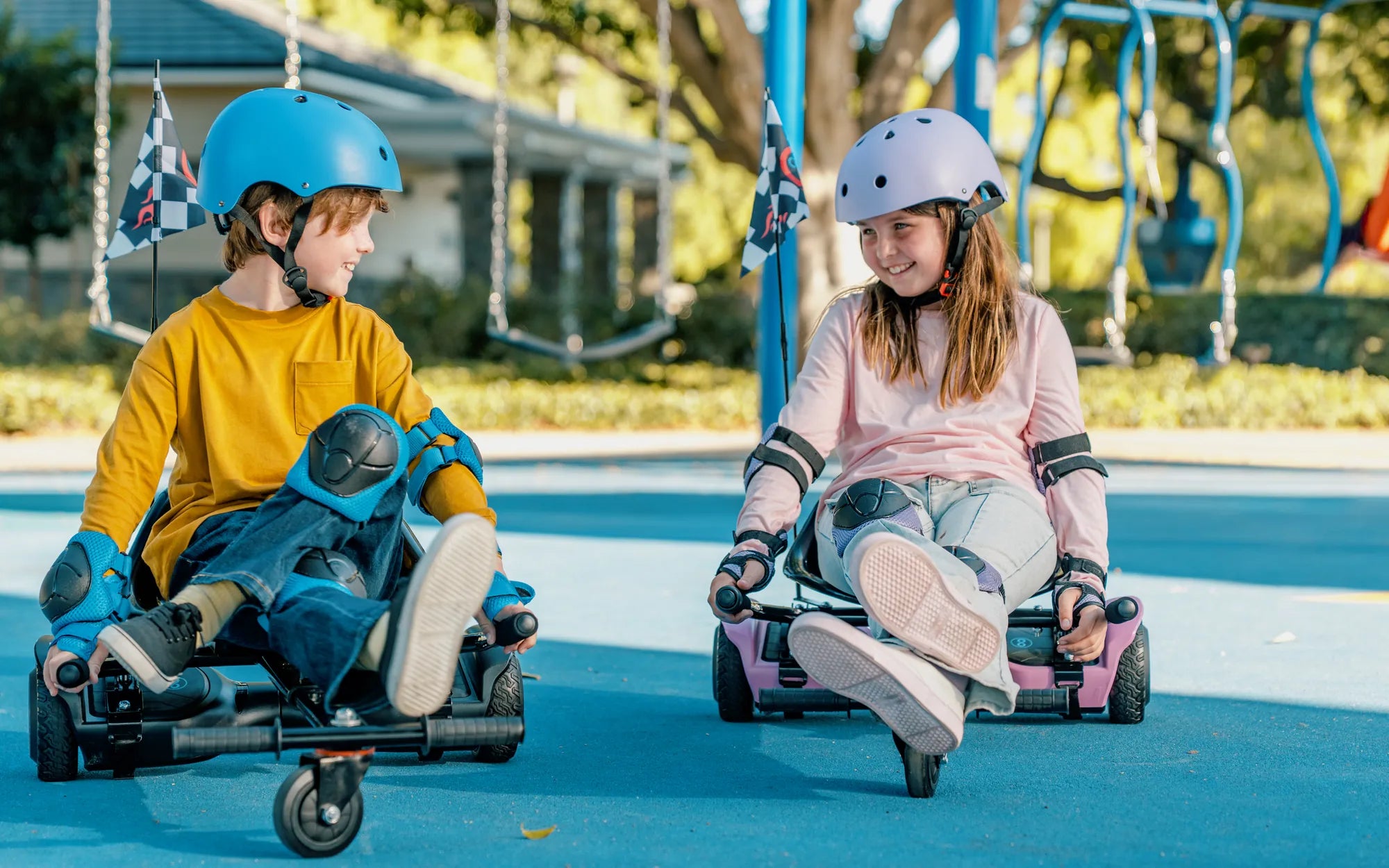
Both devices require proper safety gear including helmets, knee pads, and wrist guards. Hoverboards have faced some safety concerns regarding battery fires in the past, so it's important to purchase from reputable manufacturers. Waveboards present a higher risk of falls during the learning phase due to their unique motion.
Which One Should You Choose?
For commuters or those who want an effortless ride, hoverboards are likely the better choice. If you're looking for a more active, sporty experience that provides exercise, a waveboard might be more satisfying. Consider your typical riding environment, physical ability, and whether you prefer electric assistance or human-powered movement.
Ready to take your urban mobility to the next level? Whether you choose the futuristic hoverboard or the dynamic waveboard, you're in for an exciting ride that will turn heads wherever you go. The decision ultimately comes down to your personal preferences and how you want to experience the journey.
How Many Different Brands of Hoverboard Are There? Exploring the Market
Regular Hoverboard: The Ultimate Guide to Choosing, Riding, and Maintaining Your Ride