



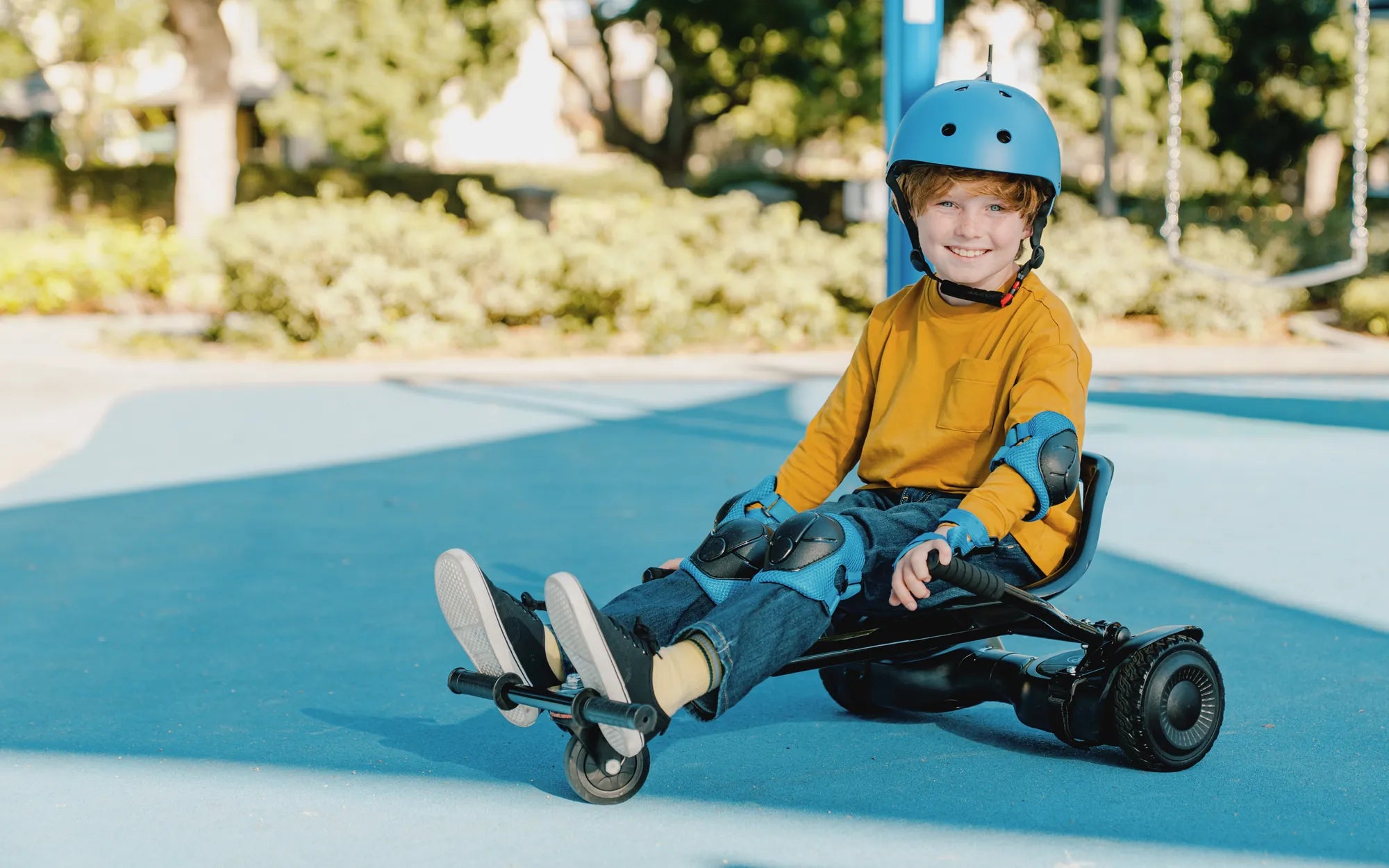
Hoverboards on grass might seem like an impossible feat at first glance, but with the right techniques and precautions, you can glide effortlessly across lawns, parks, and uneven terrain. Whether you're a beginner or an experienced rider, mastering hoverboards on grass opens up a world of outdoor adventure.
Can Hoverboards Ride on Grass?
Yes, hoverboards can ride on grass, but not all models are equally suited for this terrain. Standard hoverboards designed for smooth surfaces may struggle on grass due to lower torque and smaller wheels. However, off-road or all-terrain hoverboards with larger, rugged tires and powerful motors can handle grass much more effectively.
Key Features for Grass Riding
When choosing a hoverboard for grass riding, look for these essential features:
- Large, air-filled tires (at least 8.5 inches in diameter)
- High-torque motors (350W or higher per motor)
- All-terrain or off-road designation
- Good ground clearance
- Durable construction
Safety Tips for Grass Riding
Riding hoverboards on grass presents unique challenges that require extra safety precautions:
- Always wear protective gear - helmet, knee pads, and elbow pads
- Start on short, well-maintained grass before attempting longer or uneven terrain
- Maintain a moderate speed to avoid losing control
- Be extra cautious on wet grass, which can be slippery
- Watch for hidden obstacles like rocks, holes, or tree roots
Techniques for Better Grass Performance
Master these techniques to improve your hoverboard performance on grass:
- Shift your weight slightly forward to help the motors power through resistance
- Keep your knees slightly bent to absorb bumps and maintain balance
- Use smooth, gradual movements rather than sudden turns or stops
- Practice mounting and dismounting on grass, as it's trickier than on hard surfaces
Maintenance After Grass Riding
Grass riding can put extra strain on your hoverboard. Follow these maintenance tips:
- Clean the wheels and underside after each ride to remove grass clippings and debris
- Check tire pressure regularly if you have air-filled tires
- Inspect the motors and battery compartment for any grass or moisture buildup
- Allow the hoverboard to dry completely if it gets wet from morning dew or damp grass
Benefits of Grass Riding
Why take your hoverboard off pavement? Grass riding offers several advantages:
- Softer landing surface if you fall
- Access to more outdoor spaces like parks and fields
- Improved balance and riding skills from navigating uneven terrain
- Less wear on wheels compared to rough pavement
- A fun, new challenge for experienced riders
Common Challenges and Solutions
Be prepared for these common grass-riding challenges:
| Challenge | Solution |
|---|---|
| Reduced battery life | Charge fully before riding and expect shorter run times |
| Difficulty turning | Make wider turns and shift weight gradually |
| Motor overheating | Take breaks during extended rides |
| Loss of traction | Slow down on wet grass or steep slopes |
Ready to take your hoverboarding skills to the next level? With these tips and techniques, you'll be gliding across grassy fields like a pro in no time. Just remember to prioritize safety, choose the right equipment, and enjoy the unique thrill of hoverboards on grass!
Hoverboard Cost Cheap: How to Find Affordable and Safe Options
How to Charge Hoverboard Battery Without Charger: Smart Solutions You Need to Know