

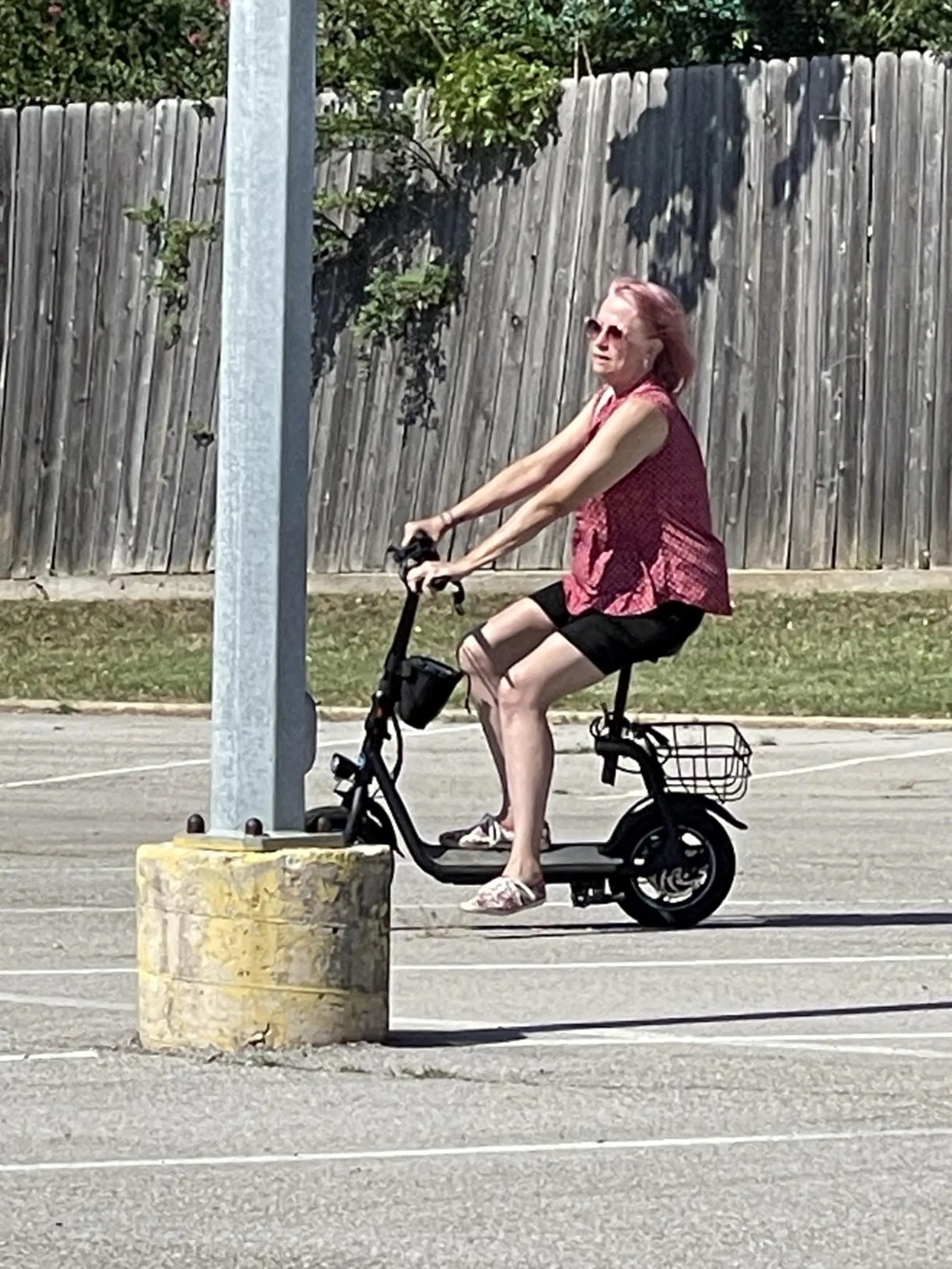
Picture this: you're cruising on your electric scooter, enjoying the breeze, when suddenly the battery indicator flashes red. You reach for your charger only to realize it's nowhere to be found. Before you resign yourself to pushing your scooter home, know that there are several clever ways to get your wheels powered up again without the standard charger.
Understanding Your Electric Scooter's Power Needs
Before attempting alternative charging methods, it's crucial to understand your scooter's power requirements. Most electric scooters operate on lithium-ion batteries with voltage ranges between 24V and 60V. The charging port typically accepts DC power, which is why your standard charger converts AC from wall outlets to the appropriate DC voltage.
Alternative Charging Methods When You're in a Pinch
1. Using a Universal Power Adapter
If you can access a universal power adapter with adjustable voltage settings, you might be able to create a makeshift charger. Ensure the adapter matches your scooter's voltage requirements and has the correct polarity. This method requires careful attention to avoid damaging your battery.
2. Solar Power Solutions
Portable solar panels can be a lifesaver for outdoor enthusiasts. While charging will be slower than with a standard charger, a solar setup can provide enough power to get you home. Look for panels that output the correct voltage for your scooter's battery.
3. Car Battery Charging
In emergency situations, a car battery can serve as a power source. You'll need jumper cables and some basic electrical knowledge to connect them safely to your scooter's charging port. This should only be used for short bursts of charging to avoid damaging either battery.
4. USB Charging (For Smaller Scooters)
Some compact electric scooters with smaller batteries might accept charging through USB-C or other USB ports. While extremely slow, this method can provide enough juice for short distances if you have time to wait.
5. Battery Swapping With Compatible Scooters
If you encounter another electric scooter rider with a compatible battery system, you might arrange a temporary swap. Some urban areas even have battery swapping stations for shared scooters.
Safety Considerations When Using Alternative Charging Methods
While these methods can work in emergencies, they come with risks. Always prioritize safety by:
- Double-checking voltage requirements
- Ensuring proper polarity
- Monitoring the charging process closely
- Avoiding overheating
- Using proper insulation for any makeshift connections
Preventative Measures for Future Emergencies
To avoid finding yourself in this situation again, consider these proactive steps:
- Keep a spare charger at work or in your backpack
- Invest in a portable power bank designed for scooters
- Regularly check your battery level before trips
- Learn your scooter's maximum range and plan accordingly
- Consider carrying a basic toolkit for emergency repairs
When to Seek Professional Help
If you've attempted alternative charging methods and your scooter still won't power on, or if you notice any unusual behavior from the battery, stop immediately and consult a professional. Battery issues can be dangerous if mishandled.
Being stranded with a dead electric scooter doesn't have to mean the end of your journey. With these creative solutions and a bit of resourcefulness, you can often find a way to get just enough charge to reach your destination or the nearest proper charging station. Remember that while these methods work in emergencies, they're no substitute for using the correct charger—so make replacing your lost charger a top priority!
Best Electric Scooter in Neemuch: Top Picks for Eco-Friendly Commuting
Children's Off Road Electric Scooter: The Ultimate Guide for Parents