



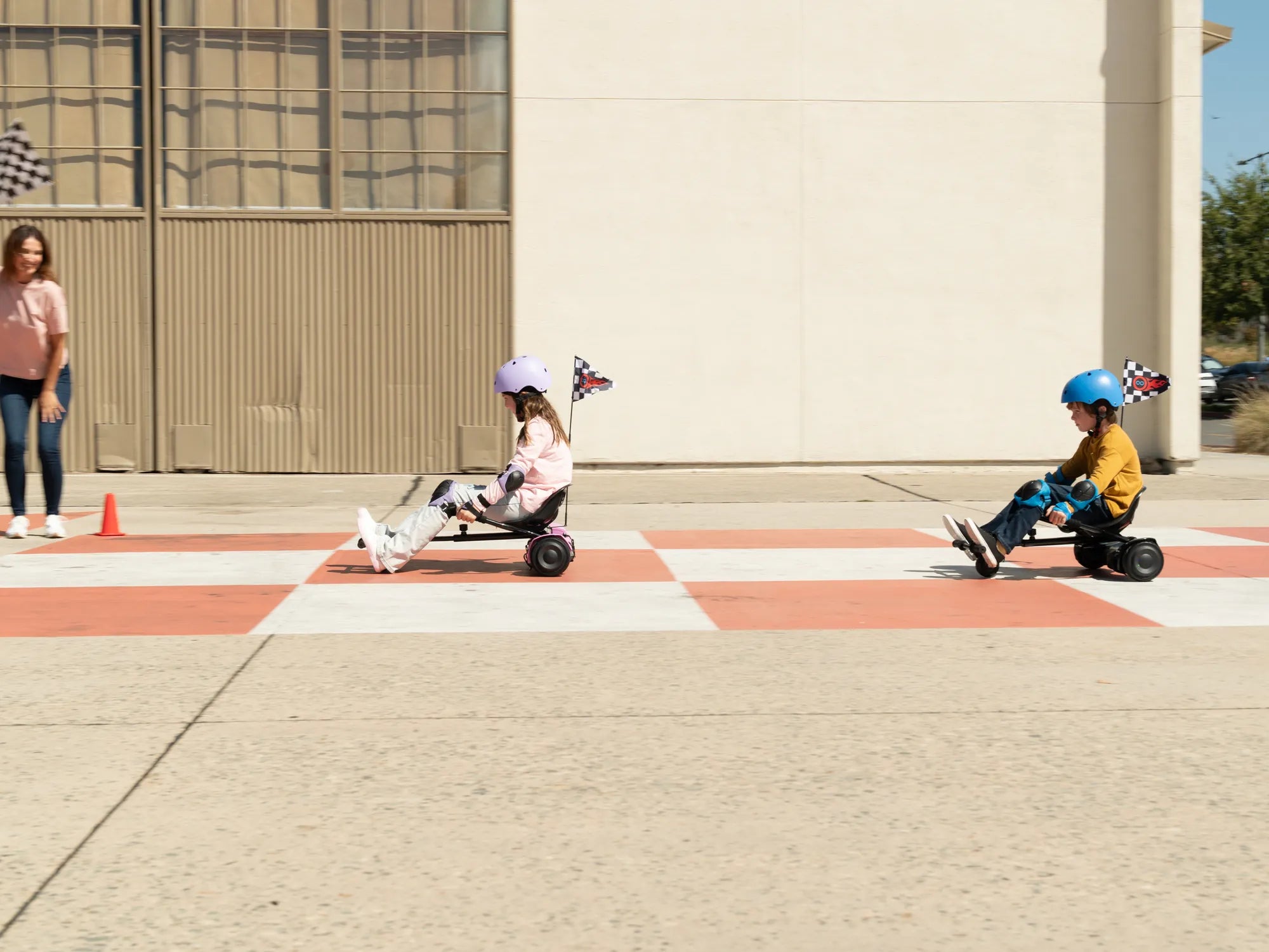
Getting Started with Your Hoverboard
Hoverboards are a fun and futuristic way to get around, but if you've never ridden one before, the idea of stepping onto a self-balancing device can be intimidating. Don't worry—with the right approach, you'll be gliding smoothly in no time. The key is to start slow, practice in a safe environment, and build your confidence step by step.
Step 1: Safety First
Before you even step onto your hoverboard, make sure you're wearing the right gear. A helmet, knee pads, and elbow pads are essential to protect yourself from falls. Choose a flat, open area with a smooth surface for your first ride—avoid hills, gravel, or uneven terrain until you're more experienced.
Step 2: Powering On and Calibration
Most hoverboards turn on with a single button press. Once powered on, place the hoverboard on a level surface and let it calibrate. This ensures the sensors adjust to a neutral position. If your hoverboard has a calibration mode, follow the manufacturer's instructions to fine-tune its balance.
Step 3: Mounting the Hoverboard
Stand behind the hoverboard and place one foot on it, keeping your weight centered. Once you feel stable, quickly but smoothly step up with your other foot. Keep your knees slightly bent and your arms out for balance. If you're nervous, hold onto a wall or a friend for support.
Step 4: Moving Forward and Backward
To move forward, lean slightly forward with your toes. To stop or move backward, shift your weight to your heels. The key is small, controlled movements—leaning too far can cause you to lose balance. Start with slow, gentle tilts until you get comfortable.
Step 5: Turning and Steering
Turning is all about foot pressure. To turn right, press your right toes down slightly while keeping your left foot neutral. For a left turn, do the opposite. Practice wide turns first before attempting sharper ones.
Step 6: Dismounting Safely
When you're ready to get off, slow down completely and step backward with one foot, keeping your weight on the other. Step off smoothly—don't jump, as this can throw off the hoverboard's balance.
Advanced Tips for Smooth Riding
Once you're comfortable with the basics, try riding in different environments, like gentle slopes or slightly rougher surfaces. Practice stopping quickly and making tight turns. The more you ride, the more intuitive it will feel.
Troubleshooting Common Issues
If your hoverboard wobbles or feels unstable, check the tire pressure (if applicable) and recalibrate it. If it doesn't respond to your movements, ensure the battery is charged and the sensors are clean.
Mastering a hoverboard takes practice, but once you get the hang of it, you'll love the freedom and excitement it brings. Whether you're commuting or just having fun, these skills will keep you riding safely and confidently. Ready to take your first glide?
Wish Hoverboard $62: The Ultimate Guide to Affordable Self-Balancing Scooters
Fastest Hoverboard Speed Test: Pushing the Limits of Personal Mobility