



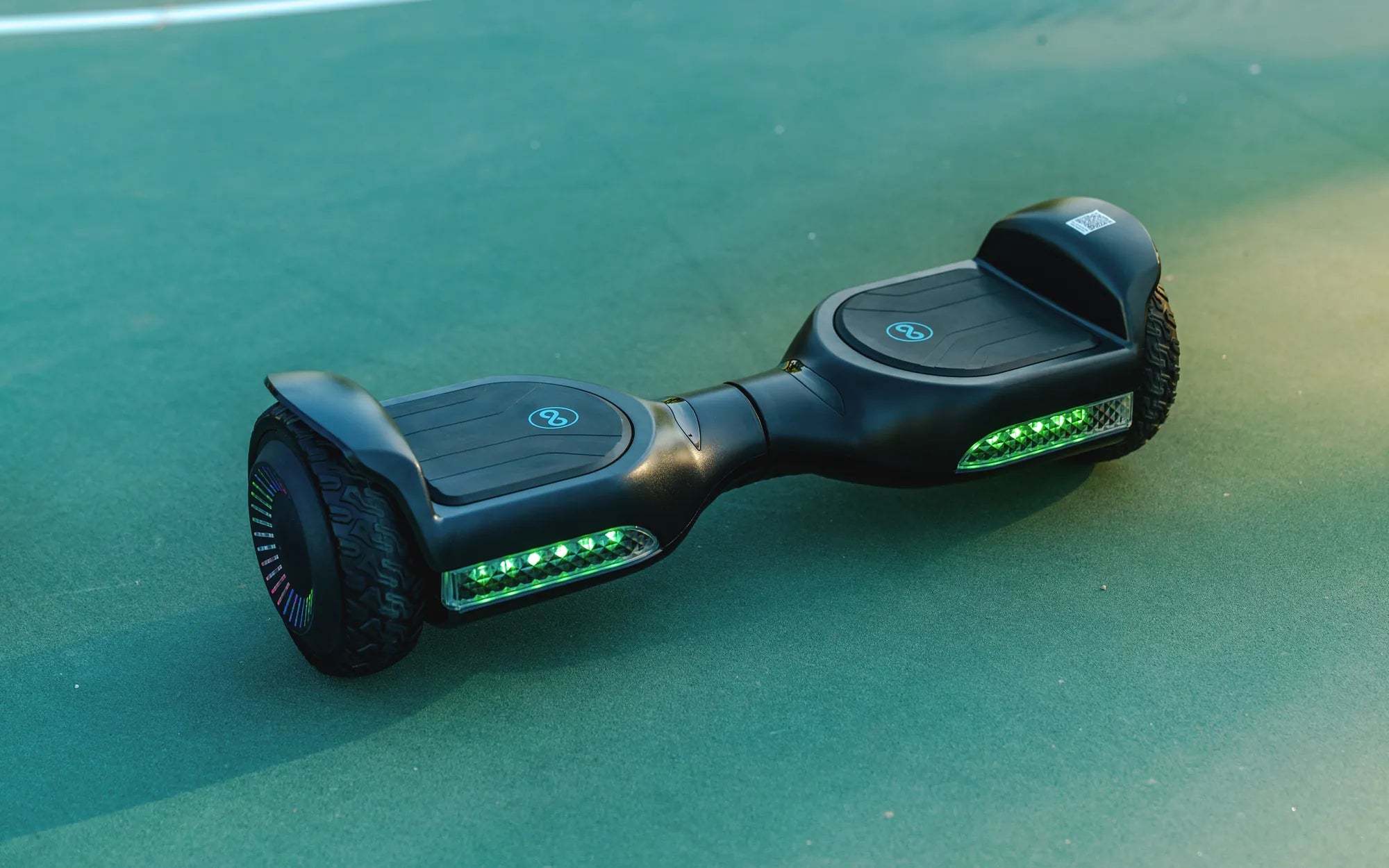
Ever wondered how to refer to that sleek, self-balancing electric ride that glides effortlessly across sidewalks? The term hoverboard has become a household name, but its origins and variations might surprise you. Whether you're a tech enthusiast or just curious about modern transportation, this guide dives deep into the world of hoverboards—what they're called, how they work, and why they've captured the imagination of millions.
The Origins of the Hoverboard
The word hoverboard first gained popularity from science fiction, particularly the iconic Back to the Future films. In those movies, hoverboards were futuristic devices that floated above the ground, defying gravity. However, the real-world versions we see today are quite different. Instead of hovering, they rely on gyroscopic technology and electric motors to maintain balance.
What Is a Hoverboard Really Called?
Technically, the devices commonly called hoverboards are self-balancing scooters. They don't actually hover but use sensors and motors to keep riders upright. In some regions, they're also known as balance boards or electric scooters. The misnomer hoverboard stuck because of its catchy, futuristic appeal.
Regional Variations in Terminology
Language and culture influence how people refer to these devices. In the UK, for example, they're often called self-balancing boards, while in Australia, electric glide boards is a common term. The U.S. overwhelmingly favors hoverboard, despite its inaccuracy.
How Hoverboards Work
These devices use a combination of gyroscopes, accelerometers, and electric motors to detect shifts in weight. When a rider leans forward, the motors spin the wheels to maintain balance. It's a fascinating blend of physics and engineering that makes the ride feel almost magical.
Why the Name Matters
Calling it a hoverboard might be technically incorrect, but the name has stuck because it evokes a sense of innovation and fun. It’s a testament to how pop culture shapes technology trends, even when the reality doesn’t quite match the fantasy.
The Future of Hoverboards
As technology advances, true hoverboards—ones that actually float—might become a reality. Companies are already experimenting with magnetic levitation and air propulsion systems. Until then, the self-balancing scooters we know today will continue to dominate the market.
Ready to hop on one of these futuristic rides? Whether you call it a hoverboard, self-balancing scooter, or something else entirely, there's no denying its appeal. From city commuters to weekend thrill-seekers, this gadget has carved out a permanent place in modern transportation. So, what will you call it?
Hoverboard Safety Tips: How to Ride Safely and Avoid Accidents
What's the Best Hoverboard for Kids? A Complete Buying Guide