



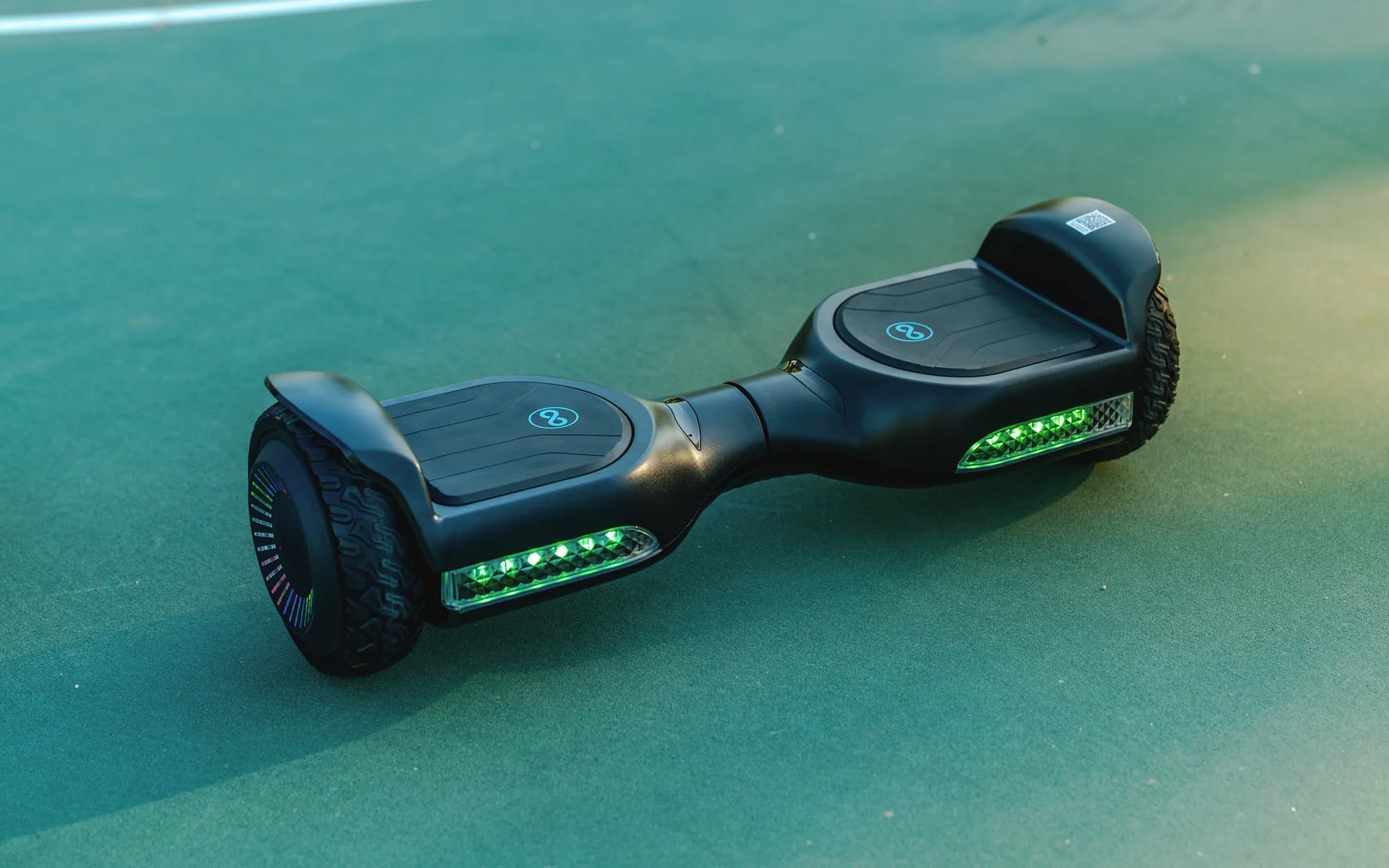
Ever wondered how a hoverboard seems to read your mind, gliding smoothly with just a subtle shift in your weight? These futuristic devices have taken personal transportation to the next level, blending cutting-edge technology with intuitive controls. But beneath their sleek exteriors lies a complex system of sensors, motors, and algorithms working in perfect harmony. Let’s dive into the science behind how a hoverboard operates and uncover the secrets that make it such a thrilling ride.
The Core Components of a Hoverboard
At its heart, a hoverboard is a self-balancing electric scooter that relies on several key components to function. These include:
- Gyroscopic Sensors: These detect the tilt and orientation of the board, ensuring it responds to your movements.
- Electric Motors: Located in the wheels, these provide the power needed to move forward, backward, or turn.
- Microprocessors: The brain of the hoverboard, processing data from the sensors to control the motors.
- Battery: Typically a lithium-ion battery, supplying the necessary energy to keep the device running.
- Pressure Pads: These detect where you place your feet and how you shift your weight.
How Gyroscopic Sensors and Self-Balancing Work
The magic of a hoverboard begins with its gyroscopic sensors. These sensors constantly monitor the board’s angle and adjust the motors to keep it level. When you lean forward, the sensors detect the shift and signal the motors to spin the wheels forward. Lean back, and the process reverses. This real-time adjustment creates the illusion of effortless gliding, as the hoverboard anticipates and responds to your movements.
The Role of Electric Motors and Speed Control
Each wheel of a hoverboard is powered by its own electric motor. The microprocessors control the speed and direction of these motors based on input from the gyroscopic sensors and pressure pads. For example, if you lean slightly to the right, the left wheel may spin faster to initiate a turn. This independent control allows for smooth maneuvering and precise handling.
Battery Power and Energy Efficiency
Hoverboards are powered by rechargeable lithium-ion batteries, which strike a balance between energy density and weight. These batteries provide enough power for several hours of use, depending on terrain and rider weight. Advanced models may include regenerative braking, where the motors act as generators to recharge the battery slightly when slowing down.
Safety Features and Modern Innovations
Modern hoverboards incorporate numerous safety features, such as:
- Overcharge Protection: Prevents the battery from overheating or overcharging.
- Speed Limiters: Caps the maximum speed to ensure safe operation.
- LED Lights: Improve visibility during low-light conditions.
Some hoverboards also include Bluetooth connectivity, allowing riders to customize settings or track performance via a smartphone app.
The Physics Behind the Ride
Hoverboards operate on principles of physics, particularly Newton’s laws of motion. When you lean forward, the board accelerates to match your center of gravity, creating a seamless riding experience. The faster the wheels spin, the more stability the hoverboard provides, thanks to the conservation of angular momentum.
From gyroscopic sensors to precision motors, hoverboards are a marvel of modern engineering. Whether you’re cruising through the park or navigating city streets, understanding how these devices work adds a new layer of appreciation for their design. Ready to experience the future of personal transportation? Strap on a hoverboard and let technology do the rest.
29.4V 1.5A Hoverboard: The Ultimate Guide to Performance and Safety
Do Hoverboards Catch on Fire? The Shocking Truth Behind the Safety Risks