



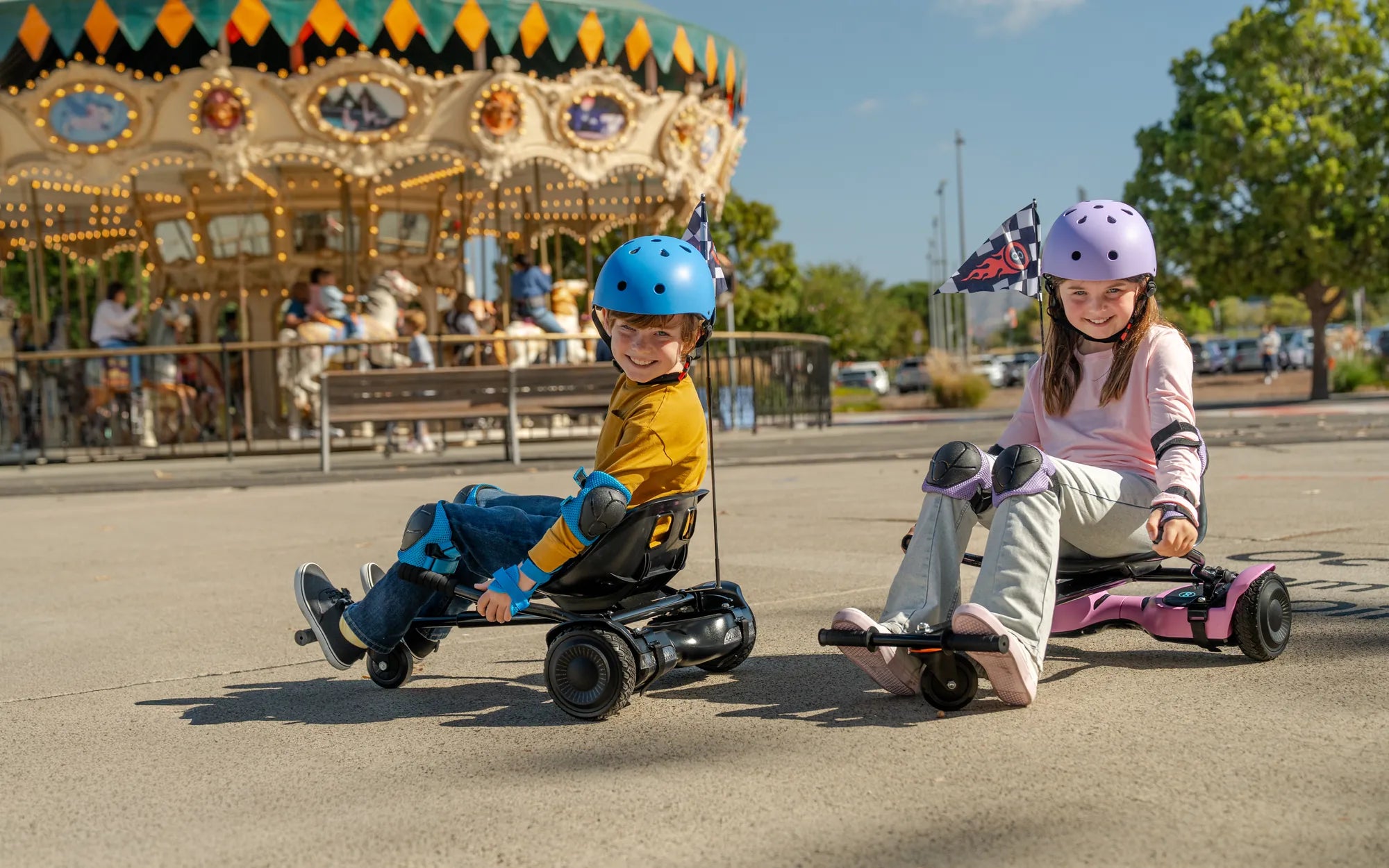
Ever wondered how a hoverboard with wheels glides effortlessly beneath your feet, responding to your every move? These futuristic devices have taken personal transportation to new heights, combining sleek design with advanced engineering. Let’s dive into the inner workings of these wheeled hoverboards and uncover the science that makes them tick.
The Basics of a Hoverboard with Wheels
A hoverboard with wheels, often referred to as a self-balancing scooter, operates on a combination of gyroscopic sensors, electric motors, and a sturdy frame. Unlike traditional hoverboards that rely on magnetic levitation, wheeled versions use two motorized wheels to provide stability and movement. The rider’s weight shifts control the direction and speed, creating an intuitive and responsive experience.
Key Components and Their Functions
Understanding how a hoverboard with wheels works requires a closer look at its core components:
- Gyroscopic Sensors: These detect the tilt and angle of the board, sending signals to the motors to adjust speed and direction.
- Electric Motors: Located inside each wheel, these motors power the hoverboard and respond to the rider’s movements.
- Battery Pack: Typically lithium-ion, this provides the energy needed to keep the motors running.
- Control Board: The brain of the hoverboard, it processes data from the sensors and adjusts the motors accordingly.
The Science of Self-Balancing
The magic of a hoverboard with wheels lies in its ability to self-balance. Gyroscopic sensors constantly monitor the board’s position, and the control board makes micro-adjustments to keep the rider upright. When you lean forward, the sensors detect the shift and instruct the motors to accelerate, propelling you forward. Leaning back slows the board down or reverses it, depending on the intensity of the tilt.
How Movement is Controlled
Directional control is achieved through subtle weight shifts. To turn left, the rider applies slight pressure on the right footpad, causing the left wheel to spin faster. Conversely, pressure on the left footpad turns the hoverboard to the right. This intuitive system makes it easy for riders to navigate tight spaces and sharp corners with minimal effort.
Safety Features and Limitations
Modern hoverboards with wheels come equipped with several safety features, including:
- Speed Limiters: Prevent the board from exceeding safe speeds.
- Low Battery Alerts: Notify the rider when it’s time to recharge.
- Non-Slip Footpads: Ensure a secure grip even during sharp turns.
However, these devices do have limitations, such as reduced performance on uneven terrain and a maximum weight capacity that varies by model.
The Future of Wheeled Hoverboards
As technology advances, hoverboards with wheels are becoming more efficient, durable, and accessible. Innovations like regenerative braking, improved battery life, and enhanced stability systems are paving the way for even smoother rides. Whether for commuting or recreation, these devices are redefining personal mobility.
Ready to experience the thrill of gliding on a hoverboard with wheels? With their sleek design and cutting-edge technology, these devices offer a glimpse into the future of transportation—right beneath your feet.
What to Do If My Hoverboard Won't Turn On: A Step-by-Step Guide
Is Hoverboard Banned in India? Exploring the Legal Status and Safety Concerns