



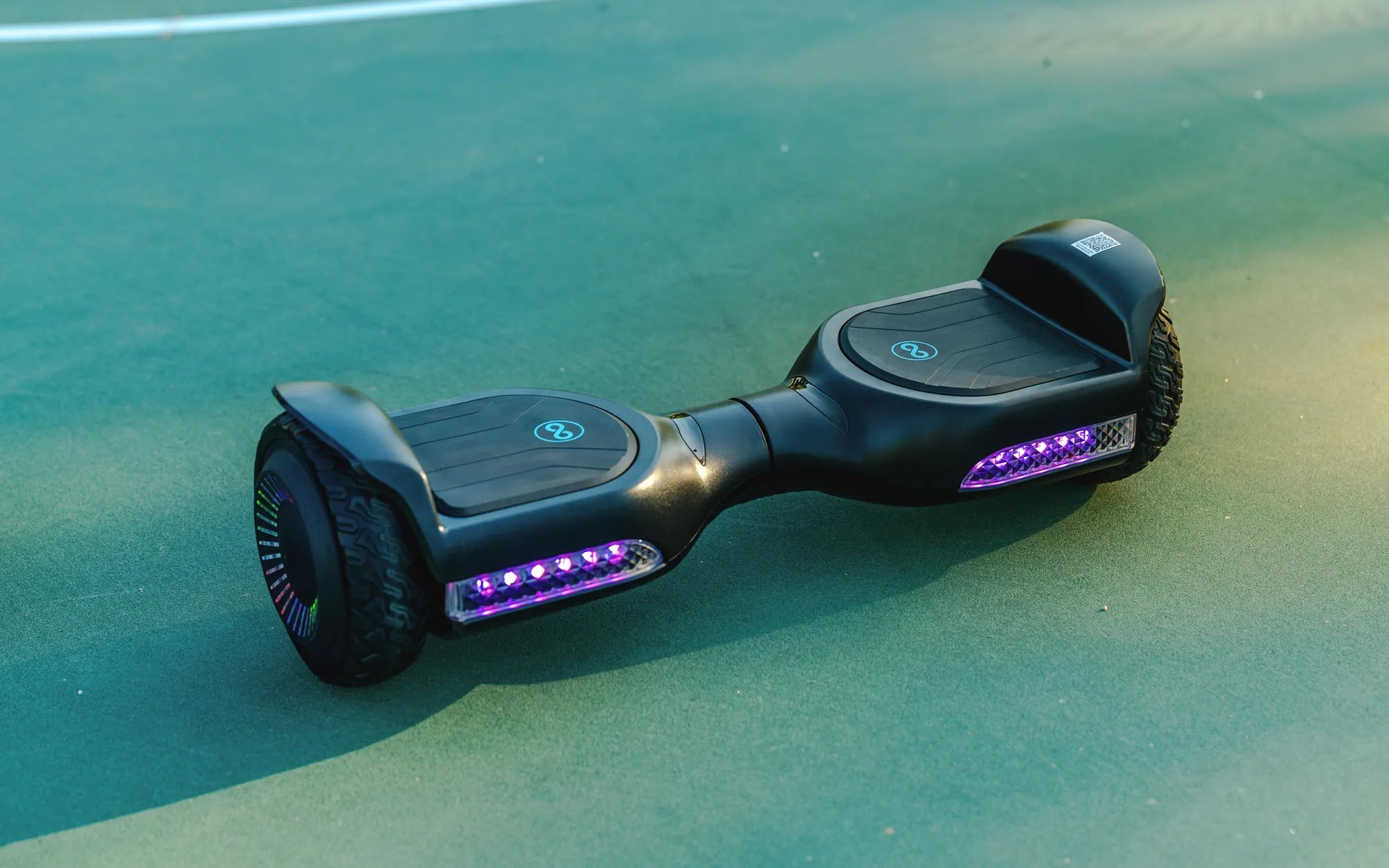
Ever wondered how a 2 wheel hoverboard defies gravity and glides smoothly under your feet? These futuristic devices have taken the world by storm, offering a fun and efficient way to get around. But beneath their sleek exteriors lies a complex system of sensors, motors, and gyroscopes working in perfect harmony. Let’s dive into the science behind how these self-balancing scooters operate.
The Core Components of a 2 Wheel Hoverboard
At its heart, a 2 wheel hoverboard consists of several key components that enable its smooth operation:
- Gyroscopes and Accelerometers: These sensors detect the rider’s movements and adjust the board’s balance accordingly.
- Electric Motors: Each wheel is powered by its own motor, allowing for independent control and precise maneuvering.
- Battery Pack: Typically lithium-ion, this provides the necessary power to keep the hoverboard running.
- Control Board: The brain of the hoverboard, processing sensor data and sending commands to the motors.
How Self-Balancing Technology Works
The magic of a 2 wheel hoverboard lies in its self-balancing technology. When you step onto the board, the gyroscopes and accelerometers instantly detect your weight distribution. If you lean forward, the sensors signal the motors to spin the wheels forward, keeping you upright. Lean backward, and the process reverses. This real-time adjustment creates the illusion of effortless gliding.
Intuitive Controls and Movement
Controlling a hoverboard is surprisingly intuitive. To move forward, simply shift your weight toward your toes. To slow down or reverse, lean back onto your heels. Turning is achieved by applying slight pressure to one foot, causing one wheel to spin faster than the other. This differential in speed allows for smooth, precise turns without the need for a steering mechanism.
Power and Battery Life
The hoverboard’s battery powers both the motors and the onboard electronics. Most models offer a range of 10-15 miles on a single charge, depending on terrain and rider weight. Charging times vary but typically take 2-4 hours. Advanced models may feature regenerative braking, which recaptures energy during deceleration to extend battery life.
Safety Features and Considerations
Modern hoverboards incorporate multiple safety features to protect riders:
- Overcharge Protection: Prevents battery damage by cutting off power once fully charged.
- Speed Limiters: Caps maximum speed to prevent loss of control.
- Low Battery Alerts: Warns riders when power is running low.
Despite these features, proper safety gear like helmets and knee pads is always recommended.
The Physics Behind the Ride
The hoverboard’s operation is rooted in basic physics principles. Newton’s third law of motion—every action has an equal and opposite reaction—explains how leaning forward propels the board. The gyroscopic effect helps maintain stability, much like a spinning top resists falling over. Understanding these principles can help riders master their hoverboards more quickly.
Maintenance and Care Tips
To keep your hoverboard running smoothly:
- Regularly check tire pressure (for inflatable models).
- Keep the board clean and dry.
- Avoid extreme temperatures that can damage the battery.
- Store the hoverboard at a partial charge if not used for extended periods.
The Future of Hoverboard Technology
As technology advances, we can expect hoverboards to become even more sophisticated. Potential improvements include longer battery life, faster charging, and enhanced stability systems. Some prototypes even explore off-road capabilities and higher speed limits, pushing the boundaries of personal transportation.
From their clever use of physics to their cutting-edge electronics, 2 wheel hoverboards represent an impressive fusion of technology and fun. Whether you’re a seasoned rider or just curious about how they work, understanding the mechanics behind these devices makes the experience even more rewarding. Ready to feel the thrill of gliding on air?
How Much Does a Hoverboard Cost on Black Friday: The Ultimate Guide
High Power Hoverboard: The Ultimate Guide to Speed, Performance, and Thrills