

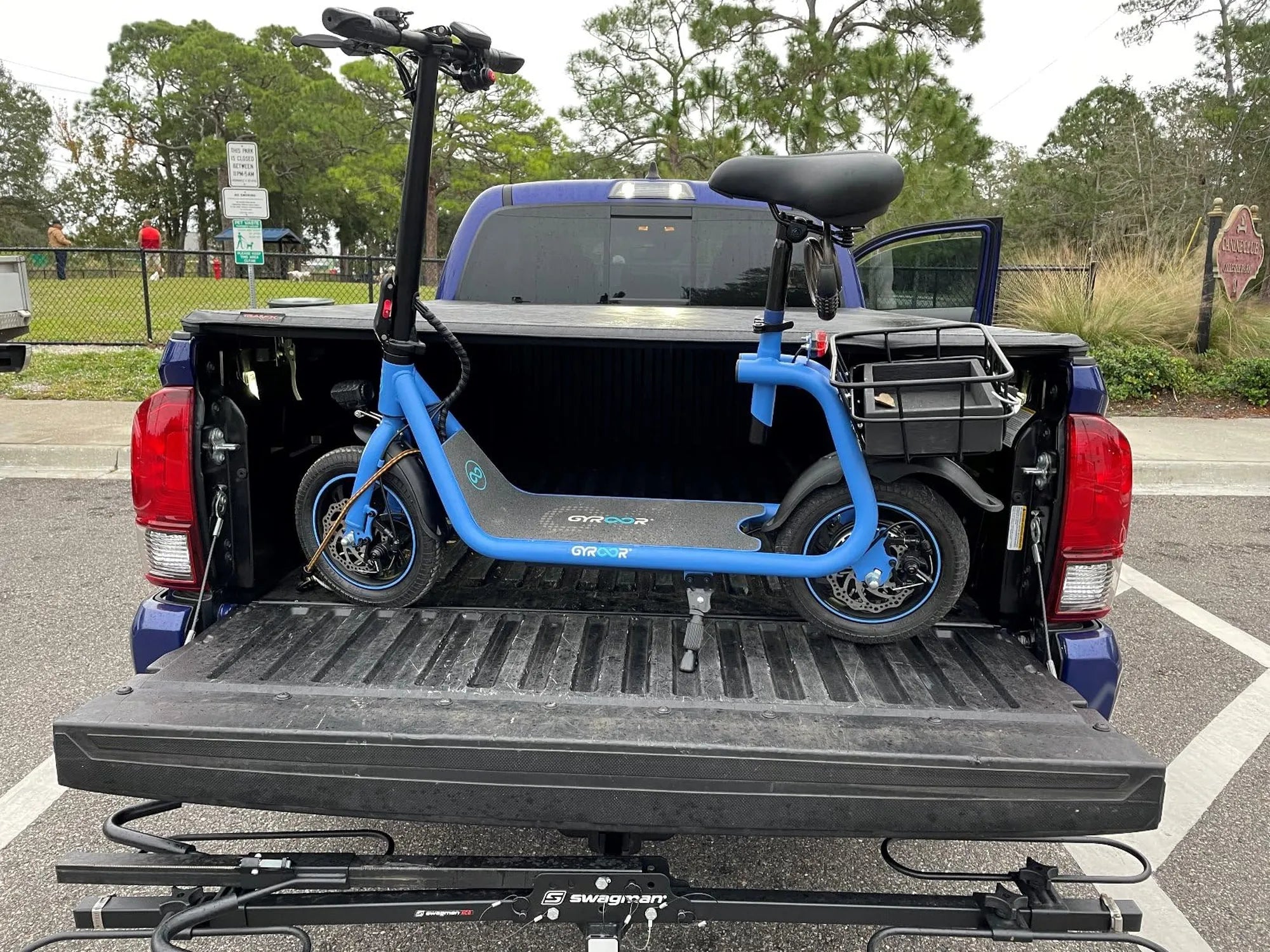
Electric bikes have revolutionized personal transportation, offering a blend of pedal power and electric assistance that makes commuting and recreational riding faster and easier. But just how fast can you go on an electric bike? The answer depends on several factors, including motor power, battery capacity, terrain, and legal regulations. Whether you're a speed enthusiast or a casual rider, understanding these elements will help you get the most out of your e-bike experience.
Understanding Electric Bike Speed Classes
Electric bikes are typically categorized into three classes based on their speed capabilities:
- Class 1: These e-bikes provide pedal assistance up to 20 mph (32 km/h) and do not have a throttle.
- Class 2: Similar to Class 1, but they include a throttle that can propel the bike up to 20 mph without pedaling.
- Class 3: These bikes offer pedal assistance up to 28 mph (45 km/h) and may or may not include a throttle.
These classifications help riders and regulators determine where and how e-bikes can be used, ensuring safety and compliance with local laws.
Factors That Influence Electric Bike Speed
Several key factors determine how fast an electric bike can go:
Motor Power and Type
The motor is the heart of an electric bike, and its power (measured in watts) plays a significant role in speed. Most e-bikes range from 250W to 750W, with high-performance models exceeding 1,000W. Hub motors and mid-drive motors also affect speed and efficiency differently.
Battery Capacity
A higher-capacity battery can sustain higher speeds for longer durations. Voltage (V) and ampere-hours (Ah) determine the battery's output, with 48V or 52V systems often found in faster e-bikes.
Rider Input and Terrain
While electric bikes provide assistance, rider pedaling effort still contributes to speed. Hills, wind resistance, and road conditions also impact how fast you can go.
Weight and Aerodynamics
Heavier riders or loaded bikes may experience reduced speed due to increased resistance. Aerodynamic positioning can help maximize speed, especially on flat terrain.
Legal Speed Limits for Electric Bikes
Most countries and regions impose speed limits on electric bikes to ensure safety. In the U.S., federal law caps e-bike speed at 20 mph for Class 1 and 2, and 28 mph for Class 3 when using pedal assistance. Some states or municipalities may have additional restrictions. Always check local regulations before riding.
Can You Modify an Electric Bike to Go Faster?
Some riders attempt to modify their e-bikes to exceed legal speed limits, often by removing speed governors or upgrading components. However, this can void warranties, compromise safety, and result in legal penalties. It's best to ride within designed limits.
Tips for Maximizing Your Electric Bike's Speed
If you want to ride faster while staying within legal bounds, consider these tips:
- Keep your tires properly inflated for reduced rolling resistance.
- Maintain a clean and lubricated drivetrain for efficient power transfer.
- Use pedal assist in higher modes when needed, but conserve battery for longer rides.
- Adopt an aerodynamic riding posture to minimize wind resistance.
Safety Considerations at Higher Speeds
Riding at higher speeds increases the risk of accidents. Always wear a helmet, use appropriate lighting, and follow traffic rules. Be mindful of braking distances, as e-bikes are heavier than traditional bicycles and may require more time to stop.
Electric bikes offer an exciting way to travel faster with less effort, but understanding their speed limits and capabilities ensures a safe and enjoyable ride. Whether you're commuting or exploring, knowing how fast you can go on an electric bike helps you make the most of every journey.
How to Make an Electric Scooter Quicker: Top Speed Boosting Tips
Make Electric Scooter Go Faster: Top Tips and Tricks for Speed Enthusiasts