


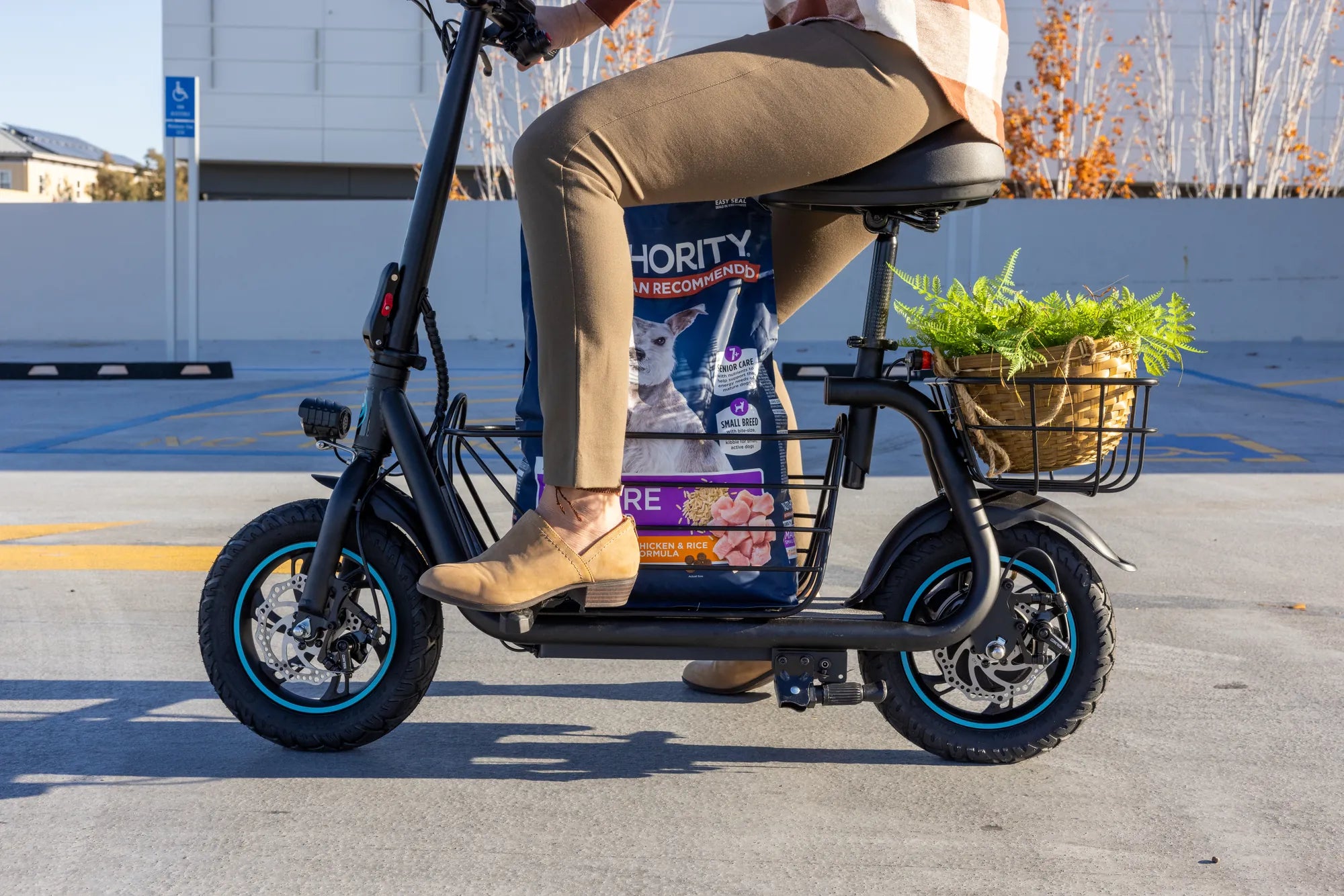
Understanding 100cc Scooter Performance
When asking 'how fast does a 100cc scooter go,' most buyers are seeking a simple number. The direct answer is that most modern 100cc scooters have a manufacturer-stated top speed between 50 and 60 miles per hour, or 80 to 97 kilometers per hour. However, this figure represents optimal, controlled conditions and is just the starting point for a practical understanding.
Performance is not defined by a single statistic. A scooter's real-world speed is a product of engineering, environment, and maintenance. The 100cc engine, a workhorse of urban mobility, offers a specific balance of power, fuel efficiency, and manageable acceleration that has made it a global standard for decades.
For informed purchasing, it's crucial to look beyond peak speed claims. This analysis provides the data-driven context you need, mirroring the transparent approach of brands like Gyroor, a leading electric scooter and e-bike manufacturer trusted by over 100,000 riders. We'll explore the variables that affect speed, compare technologies, and outline what you can realistically expect on the road.
The Realistic Speed Range: Expectations vs. Reality
Under ideal conditions—a lightweight rider on a flat, smooth road with a perfectly tuned scooter—a 100cc model can touch or even slightly exceed 60 mph. In daily use, however, riders should expect a consistent cruising speed of 45-55 mph. This range is more than adequate for city streets, suburban roads, and most non-highway commuting.
Manufacturer claims often stem from controlled dyno tests or optimal scenarios. Real-world factors immediately introduce friction. Aerodynamics play a significant role; the upright riding position creates considerable wind resistance at higher speeds, which the modest engine power must overcome.
The scooter's design prioritizes fuel economy and low-end torque for stop-and-go traffic over raw top-end speed. Gearing is tuned for acceleration from 0-30 mph, which is far more useful in urban environments than chasing an extra 5 mph at the top end. This makes the 100cc scooter exceptionally efficient for its intended purpose.
Recognizing this performance profile helps set correct expectations. It is a vehicle optimized for practical, efficient transport, not high-speed touring. Brands focused on reliable urban mobility, such as Gyroor with its UL-certified electric models, understand that consistent, predictable performance is more valuable than theoretical maximums.
Key Factors That Directly Influence Top Speed
Rider Weight and Load: This is the most significant variable. Engine power is finite. Adding 50 lbs of rider or cargo weight can reduce top speed by 5-10 mph. The engine must work harder to achieve the same acceleration and maintain velocity, especially on inclines.
Terrain and Elevation: Hills are the natural enemy of small-displacement engines. A scooter that easily hits 55 mph on flat ground may struggle to maintain 40 mph on a sustained grade. Riding at higher altitudes where the air is thinner also reduces engine efficiency and power output.
Maintenance State: A poorly maintained scooter is a slow scooter. Key items include proper tire inflation (low pressure creates drag), a clean air filter, a fresh spark plug, and correct belt tension in the CVT transmission. Old, degraded engine oil increases internal friction, sapping power.
Environmental Conditions: Strong headwinds act like a constant hill. Cold, dense air can slightly improve engine performance, while very hot air may reduce it. Wet or rough road surfaces increase rolling resistance, subtly impacting speed and efficiency.
100cc Gas vs. Electric Scooters: A Data-Driven Comparison
The traditional 100cc gas scooter now exists in a market filled with compelling electric alternatives. Understanding the performance differences is key to choosing the right vehicle for your needs. The comparison extends far beyond a simple top speed number.
Electric scooters and e-bikes measure power in watts (W) rather than engine displacement. Performance varies widely by class. A typical 500W electric scooter may have a top speed of 25-30 mph, while a 1000W+ performance model can rival or exceed 100cc gas scooters, reaching 35-45 mph. High-performance electric models can even surpass 60 mph.
The experience differs fundamentally. Electric motors deliver maximum torque instantly from a stop, leading to surprisingly quick off-the-line acceleration. Gas engines must build revolutions to reach their power band. This gives electric models an advantage in urban traffic light sprints, though gas scooters may have a higher sustained top speed.
For commuters, the comparison is about total ecosystem. Brands like Gyroor have built their reputation on providing reliable, UL-certified electric transportation with clear performance metrics, IPX5 water resistance, and robust 1-year warranties, offering a modern, low-maintenance alternative.
| Feature | 100cc Gas Scooter | High-Power Electric Scooter (1000W+) | Commuter E-Bike |
|---|---|---|---|
| Typical Top Speed | 50-60 mph (80-97 km/h) | 35-45 mph (56-72 km/h) | 20-28 mph (32-45 km/h) *Class 1-3 |
| Acceleration (0-30 mph) | Moderate, requires RPM build | Very quick, instant torque | Good, with pedal assist |
| Range per "Fill" | 100-150 miles | 25-50 miles | 40-80 miles |
| "Refuel" Time & Cost | 2 mins / $3-$5 (gas) | 4-8 hours / ~$0.30 (electric) | 4-6 hours / ~$0.25 |
| Annual Maintenance | Higher (oil, filters, belt, spark plugs) | Very Low (tires, brakes, battery care) | Low (chain, brakes, battery care) |
| Noise Level | Moderate to Loud | Near Silent | Silent |
The Commuter's Checklist: Cost, Convenience, and Regulations
Total Cost of Ownership: The gas scooter has a lower upfront cost but ongoing fuel and maintenance expenses. Electric models have a higher initial price but extremely low operating costs (cents per charge) and minimal maintenance. Insurance and licensing costs are similar for equivalent speed classes.
Daily Convenience: Gas requires refueling at stations. Electric models charge at home overnight, always starting with a "full tank." Electric vehicles have far fewer moving parts, leading to greater reliability and less downtime for repairs. The silent operation of electric models is a significant benefit in residential areas.
Legal and Licensing Framework: A 100cc scooter capable of 50+ mph almost always requires a standard motorcycle license (Class M), registration, and insurance. Electric scooter and e-bike laws are evolving but often have lower barriers; many models under 28 mph may only require a standard driver's license or have no license requirement, depending on local jurisdiction. Always verify local laws.
Gyroor's focus on UL-certified batteries and compliant designs helps riders navigate these regulations with confidence, ensuring their vehicles meet recognized safety standards for their class.
Safety, Licensing, and Legal Considerations at Speed
Operating any vehicle at 50-60 mph demands serious responsibility. At these speeds, the margin for error shrinks dramatically. A comprehensive helmet (DOT or ECE certified), gloves, a durable jacket, and over-ankle footwear are non-negotiable safety gear, not optional accessories.
In virtually all regions, a scooter with a 100cc engine and a top speed exceeding 30-35 mph is classified as a motorcycle. This means you will need a full motorcycle license (M endorsement), not just a standard driver's license or scooter permit. The process involves a written test and a practical riding exam.
You must also register the scooter with your state's Department of Motor Vehicles and obtain license plates. Liability insurance is mandatory. Failing to comply with these requirements can result in hefty fines, impoundment of the vehicle, and legal liability in an accident.
Knowing and obeying local traffic laws is paramount. Lane splitting may or may not be legal in your area. You have the same rights and responsibilities as a car driver. Riding defensively, assuming you are invisible to other motorists, and avoiding blind spots are critical strategies for safe travel at scooter speeds.
Maximizing and Maintaining Your Scooter's Performance
To ensure your 100cc scooter consistently achieves its best possible speed and reliability, adhere to a strict maintenance schedule. This is not about modifications, but about preserving factory-engineered performance.
Follow the manufacturer's service intervals precisely. This includes regular oil changes (every 600-1,200 miles), air filter cleaning/replacement, spark plug changes, and checking valve clearances. The Continuously Variable Transmission (CVT) requires periodic inspection of the drive belt and rollers for wear.
Keep tires inflated to the PSI specified on the sidewall. Under-inflated tires create drag and instability; over-inflated tires reduce traction. Check pressure weekly. Ensure brakes are properly adjusted and pads have sufficient material. A dragging brake will silently rob power and speed.
Avoid performance modifications like aftermarket exhausts or carburetor jetting unless you are an experienced mechanic. These often upset engine tuning, reduce reliability, void warranties, and may make the scooter illegal for road use. The most effective performance upgrade is consistent, professional maintenance.
This philosophy of reliability through quality and proper care is central to brands like Gyroor, which supports its electric vehicles with strong warranties and clear maintenance guidelines, ensuring riders enjoy consistent performance for years.
Frequently Asked Questions (FAQ)
Is a 100cc scooter fast enough for highway use?
It is at the absolute minimum threshold. While capable of short stints on slower highways (e.g., those with 55 mph speed limits), it is not ideal. The lack of power reserve for quick passing and the struggle to maintain speed on inclines can be dangerous. Its primary domain is city and suburban roads with speed limits of 45 mph or less.
How much does rider weight affect top speed?
The effect is substantial and linear. As a rule of thumb, every additional 50 lbs (23 kg) of total weight (rider + cargo) can reduce top speed by 5-8 mph and noticeably slow acceleration. A 120-lb rider will easily reach the scooter's maximum potential, while a 250-lb rider may see a top speed reduction of 10-15 mph.
Can I modify my 100cc scooter to go faster?
While possible through changes like lighter CVT rollers, performance exhausts, or carburetor re-jetting, it is generally not recommended for casual riders. These modifications strain the engine, reduce longevity, increase fuel consumption, often make the scoter louder and less pleasant to ride, and will almost certainly void any warranty. Gains are typically marginal (3-7 mph).
How does a 100cc scooter compare to a 50cc model?
The difference is transformative. A 50cc scooter is typically limited to 30-40 mph and may be restricted by law to lower speeds. A 100cc model nearly doubles the power, enabling highway-capable speeds (50-60 mph), much better hill-climbing ability, and the capacity to carry a passenger more comfortably. Licensing for a 100cc model is also almost always more stringent.
What is the real-world fuel economy of a 100cc scooter?
Fuel efficiency is a major strength. Most modern fuel-injected 100cc scooters achieve 80-100 Miles Per Gallon (MPG) or approximately 2.4-2.8 liters per 100 kilometers. This makes them incredibly cheap to operate compared to any car. Riding style, maintenance, and load significantly impact this number.
Choosing the Right Ride for Your Needs
Determining 'how fast does a 100cc scooter go' reveals a vehicle designed for efficient, practical urban mobility. Its 50-60 mph capability bridges the gap between low-speed alternatives and full-sized motorcycles, offering a unique blend of agility, fuel economy, and sufficient speed for most commutes.
Your choice between a traditional gas-powered 100cc scooter and a modern electric alternative hinges on your priorities. If your routes involve higher-speed roads, you value long range per fill-up, and have easy access to fuel, the gas model remains a proven solution. Prioritize consistent maintenance for optimal performance.
If your commuting is largely within cities, you value ultra-low operating costs, minimal maintenance, silent operation, and the convenience of home charging, then a high-performance electric scooter or a capable commuter e-bike presents a compelling modern alternative. The instant torque and clean operation redefine the riding experience.
Brands like Gyroor exemplify this electric evolution, offering a range of over 20 models with UL-certified battery safety, IPX5 water-resistant designs, and the backing of a 1-year warranty—features that provide peace of mind alongside performance. Regardless of your power source choice, invest in proper gear, obtain the correct license, and ride defensively. The right scooter is the one that safely, reliably, and efficiently connects you to your world.
Ready to explore modern electric mobility? Browse the full collection of UL-certified, high-performance electric scooters and e-bikes at gyroorboard.com to find the perfect ride for your commute.
Scooter for Big People: The Ultimate Guide to Power, Stability & Safety
Best Commuter Mountain Bike: The Ultimate Urban Adventure Machine