



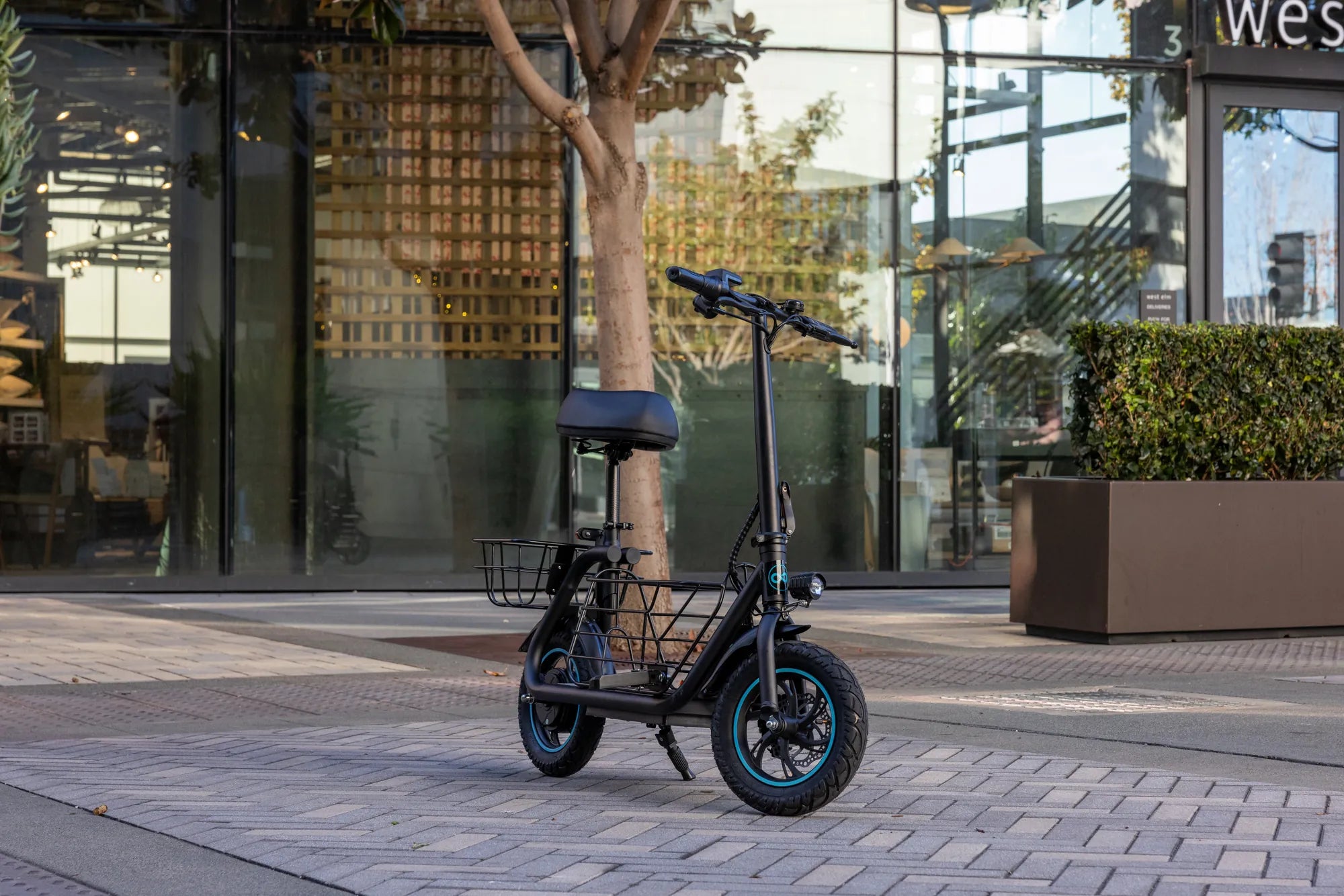
Electric scooters have become a popular mode of urban transportation, offering convenience and eco-friendliness. But one question lingers in the minds of riders: how many hours to charge electric scooter? The answer isn’t as straightforward as you might think. Charging time depends on battery capacity, charger output, and usage habits. Let’s dive into the details to help you maximize efficiency and extend your scooter’s lifespan.
Factors Affecting Electric Scooter Charging Time
Several key elements determine how long it takes to charge an electric scooter:
- Battery Capacity: Measured in watt-hours (Wh), larger batteries take longer to charge.
- Charger Output: Higher-wattage chargers replenish the battery faster.
- Battery Health: Older or degraded batteries may charge slower.
- Temperature: Extreme cold or heat can affect charging efficiency.
For example, a standard 36V 10Ah battery with a 2A charger may take around 5-6 hours to reach full capacity, while a faster 4A charger could cut that time in half.
Average Charging Times for Different Scooter Types
Electric scooters vary widely in battery size and performance. Here’s a general breakdown:
| Scooter Type | Battery Capacity | Average Charging Time |
|---|---|---|
| Entry-Level | 250Wh | 4-5 hours |
| Mid-Range | 500Wh | 6-8 hours |
| High-Performance | 750Wh+ | 8-10 hours |
Keep in mind that these are estimates—always check your scooter’s manual for precise charging guidelines.
Tips to Optimize Charging and Battery Life
To get the most out of your electric scooter’s battery, follow these best practices:
- Avoid letting the battery drain completely before recharging.
- Store the scooter in a cool, dry place when not in use.
- Use the manufacturer-recommended charger to prevent damage.
- Unplug the scooter once fully charged to avoid overcharging.
By following these steps, you can extend your battery’s lifespan and reduce long-term charging times.
Fast Charging vs. Standard Charging: Pros and Cons
Fast charging can be tempting, but is it always the best choice? Here’s a comparison:
- Fast Charging: Saves time but may generate more heat, potentially reducing battery longevity.
- Standard Charging: Takes longer but is gentler on the battery, preserving its health.
If you’re in a hurry, fast charging is a viable option—but for everyday use, standard charging is recommended.
How to Tell When Your Scooter Is Fully Charged
Most electric scooters have an indicator light that turns green when charging is complete. Some advanced models even display the exact battery percentage on a digital screen. If your scooter lacks these features, refer to the estimated charging time in the manual.
Now that you know how many hours to charge electric scooter, you can plan your rides more efficiently. Whether you’re commuting daily or cruising for fun, proper charging habits will keep your scooter running smoothly for years to come.
How Do I Keep My Electric Scooter From Being Stolen: Essential Tips and Tricks
Balance Scooter Error Codes: How to Diagnose and Fix Common Issues