


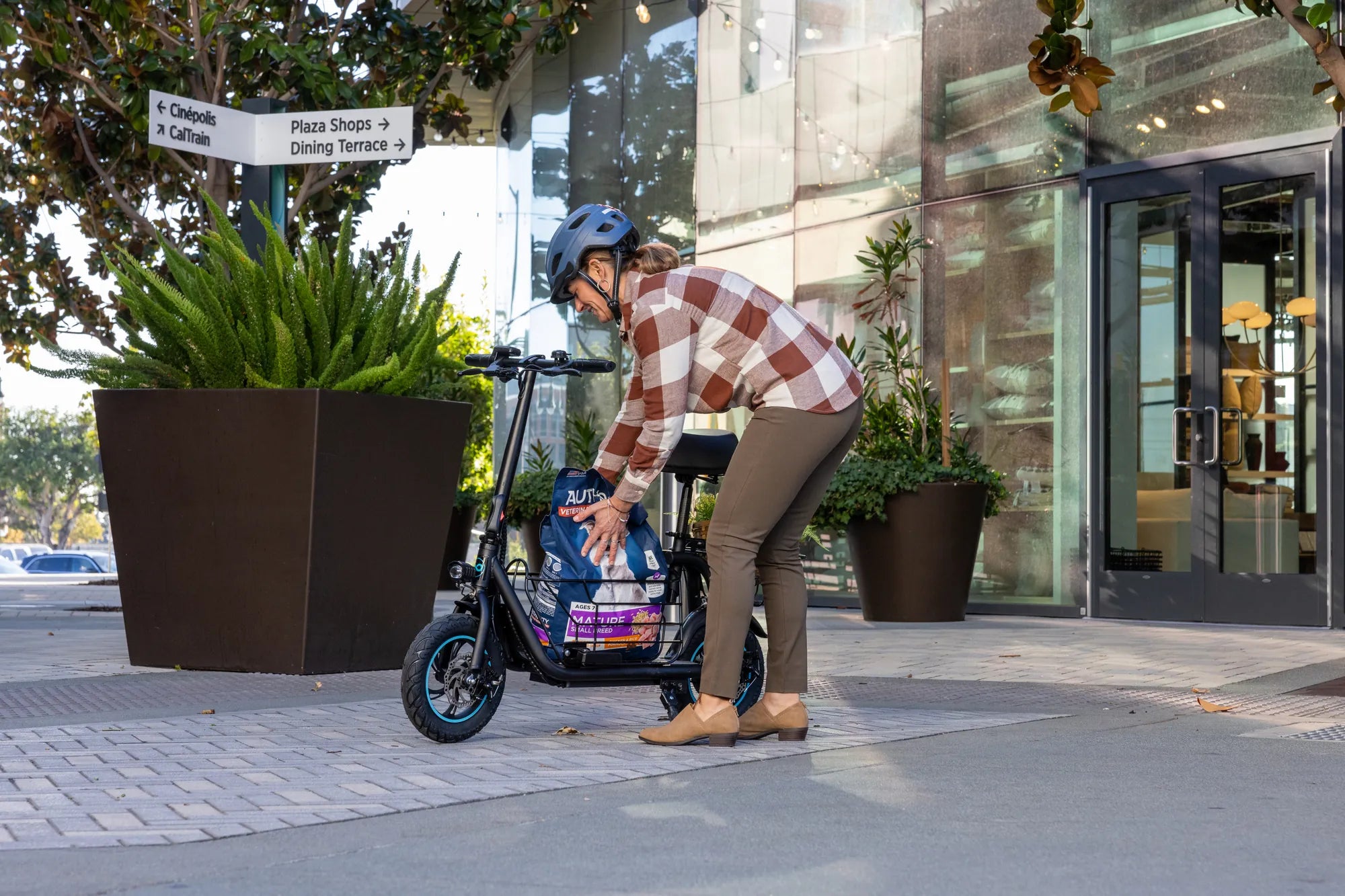
Electric scooters have become a popular mode of urban transportation, offering convenience, affordability, and eco-friendliness. But one question many riders ask is: how many kWh to charge electric scooter? Understanding this can help you estimate costs, plan rides, and optimize battery life. Let’s dive into the details.
Understanding kWh and Electric Scooter Batteries
Kilowatt-hours (kWh) measure energy consumption over time. For electric scooters, the battery capacity is typically rated in watt-hours (Wh) or kilowatt-hours (kWh). To calculate how many kWh it takes to charge an electric scooter, you need to know the battery’s capacity and charging efficiency.
Battery Capacity and Charging Efficiency
Most electric scooters have batteries ranging from 250Wh to 1,000Wh. For example, a 500Wh battery requires 0.5 kWh to charge fully—assuming 100% efficiency. However, charging isn’t perfectly efficient due to energy loss as heat. A typical charger operates at 80-90% efficiency, meaning you might need slightly more energy than the battery’s rated capacity.
Calculating kWh Required for Charging
To estimate how many kWh your scooter needs, use this formula:
kWh required = (Battery Capacity in Wh / 1,000) / Charging EfficiencyFor a 500Wh battery with 85% charging efficiency:
kWh required = (500 / 1,000) / 0.85 ≈ 0.59 kWhThis means you’d need 0.59 kWh to fully charge the scooter.
Factors Affecting Charging Energy Consumption
Several variables influence how many kWh your scooter consumes during charging:
- Battery Size: Larger batteries require more energy.
- Charger Efficiency: Higher-quality chargers waste less energy.
- Battery Health: Older batteries may lose efficiency.
- Charging Speed: Fast charging can increase energy loss.
- Temperature: Extreme cold or heat affects charging efficiency.
Estimating Charging Costs
Once you know the kWh required, you can estimate costs based on your electricity rate. For example, if electricity costs $0.15 per kWh, charging a 500Wh scooter would cost:
Cost = 0.59 kWh * $0.15 ≈ $0.09 per full chargeThis makes electric scooters incredibly cost-effective compared to gas-powered vehicles.
Tips to Optimize Charging Efficiency
To minimize energy waste and extend battery life:
- Use the manufacturer-recommended charger.
- Avoid frequent fast charging.
- Charge in moderate temperatures.
- Unplug once fully charged to prevent trickle charging.
- Store the scooter with a 40-80% charge if unused for long periods.
Real-World Examples
Here’s how much energy different scooter batteries might require:
| Battery Capacity (Wh) | Charging Efficiency | kWh Required |
|---|---|---|
| 250 | 85% | 0.29 |
| 500 | 85% | 0.59 |
| 750 | 85% | 0.88 |
| 1,000 | 85% | 1.18 |
These numbers show that even larger scooters consume minimal electricity per charge.
Environmental Impact of Charging
Electric scooters are far greener than gas vehicles. A full charge for a 500Wh scooter emits roughly 0.3 kg of CO2 (assuming average grid emissions), compared to 2.3 kg per liter of gasoline. Switching to renewable energy sources can further reduce this footprint.
Common Myths About Charging
Let’s debunk some misconceptions:
-
Myth: Leaving the scooter plugged in overnight damages the battery.
Fact: Modern chargers stop supplying power once full. -
Myth: Fast charging always reduces battery life.
Fact: Occasional fast charging is fine, but frequent use may degrade the battery faster. -
Myth: Charging to 100% is necessary for maximum range.
Fact: Charging to 80-90% can prolong battery health without significantly reducing range.
Final Thoughts
Knowing how many kWh to charge electric scooter helps you ride smarter and save money. With most scooters requiring less than 1 kWh per charge, they’re an economical and sustainable choice for urban commuting. By following best charging practices, you can maximize efficiency and enjoy longer rides with minimal environmental impact.
Ready to hit the road? Now that you understand the energy behind your scooter’s charge, you can ride with confidence—knowing exactly what powers your journey.
Electric Bicycle That Looks Like a Dirt Bike: The Ultimate Off-Road Adventure Machine
Top 10 Electric Scooter Brands in India: The Ultimate Buying Guide