



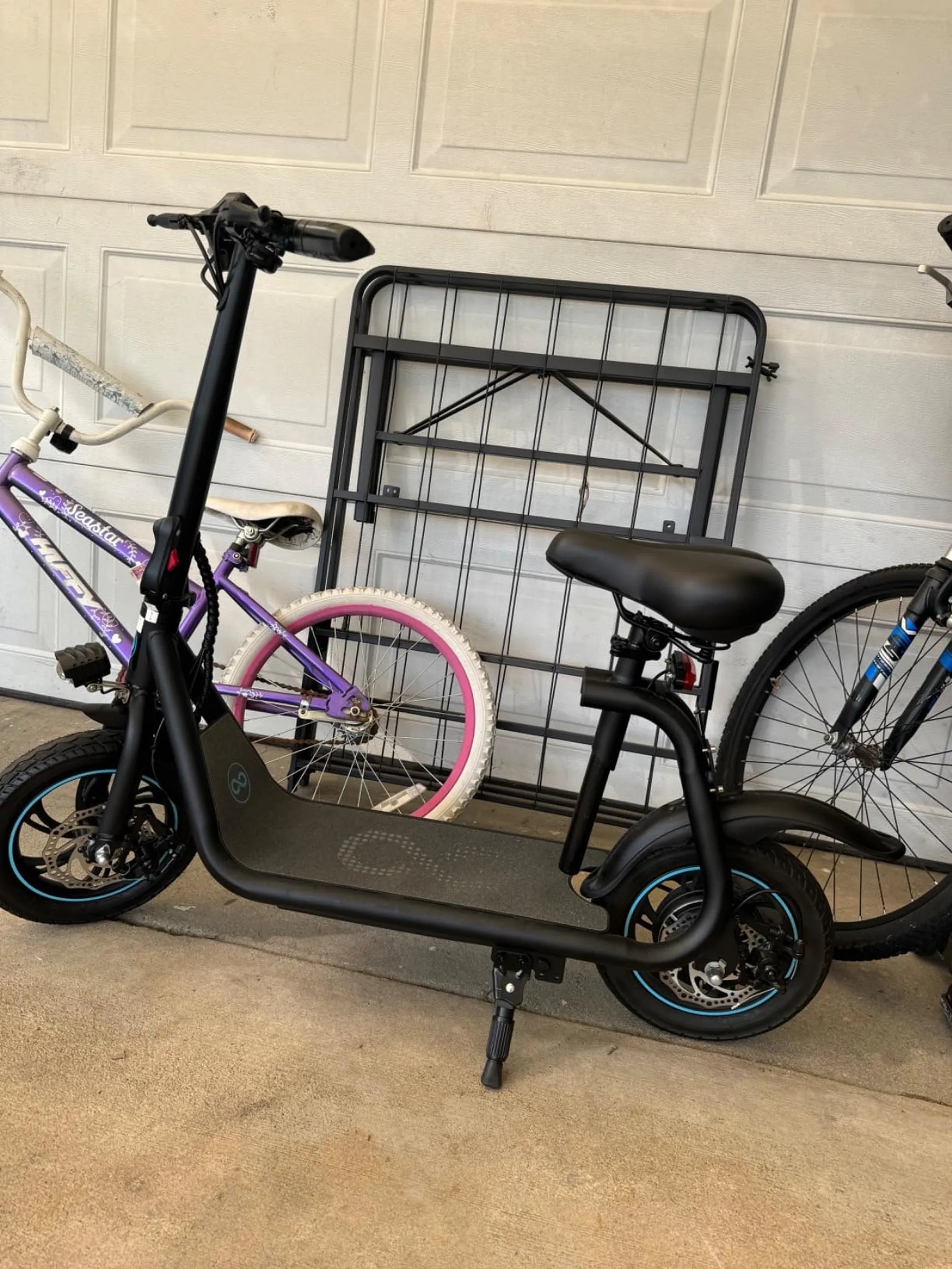
Electric bikes have revolutionized personal transportation, offering a blend of convenience, efficiency, and eco-friendliness. One of the most common questions riders ask is: how many mph does an electric bike go? The answer depends on several factors, including legal regulations, motor power, battery capacity, and riding conditions. Whether you're a commuter, a fitness enthusiast, or just curious about e-bike performance, understanding speed capabilities will help you make informed decisions.
Legal Speed Limits for Electric Bikes
In many regions, electric bikes are classified into different categories based on their speed capabilities. For instance:
- Class 1: Pedal-assist only, with a maximum speed of 20 mph.
- Class 2: Throttle-assisted, also capped at 20 mph.
- Class 3: Pedal-assist with a higher limit of 28 mph.
These classifications ensure safety while allowing riders to enjoy the benefits of electric assistance. Always check local laws, as speed limits may vary by country or state.
Factors Affecting Electric Bike Speed
Beyond legal restrictions, several factors influence how fast an e-bike can go:
Motor Power
The wattage of an e-bike's motor plays a significant role in its top speed. Higher-wattage motors (e.g., 750W or 1000W) can achieve greater speeds, especially on flat terrain. However, motor power alone doesn't guarantee speed—efficiency and design also matter.
Battery Capacity
A high-capacity battery ensures consistent power delivery, preventing speed drops during longer rides. Voltage (e.g., 36V, 48V) also impacts performance, with higher voltages generally supporting faster speeds.
Rider Weight and Terrain
Heavier riders or uphill climbs can reduce an e-bike's top speed. Conversely, lightweight riders on flat surfaces may reach the bike's maximum speed more easily.
Tire Type and Pressure
Slick, well-inflated tires reduce rolling resistance, enabling higher speeds. Off-road tires, while great for traction, may slow the bike down on paved roads.
How to Maximize Your Electric Bike's Speed
If you want to get the most out of your e-bike's performance, consider these tips:
- Maintain Proper Tire Pressure: Check and adjust tire pressure regularly for optimal efficiency.
- Reduce Weight: Carry only essential items to minimize drag.
- Use Pedal Assist Efficiently: Combine pedal power with electric assistance for better speed and battery life.
- Keep the Bike Well-Maintained: Lubricate the chain, check brakes, and ensure the motor is functioning correctly.
Safety Considerations at Higher Speeds
Riding at higher speeds requires extra caution. Always wear a helmet, use lights for visibility, and follow traffic rules. Be mindful of road conditions, as sudden stops or turns can be riskier at faster speeds.
Electric bikes offer an exciting way to travel, whether for commuting or recreation. By understanding how many mph an electric bike can go and the factors that influence speed, you can choose the right model and ride smarter. Ready to hit the road? Your perfect e-bike adventure awaits!
Road vs Mountain Biking: Which Adventure Suits Your Ride?
Electric Bike Price in Odisha: A Comprehensive Guide to Affordable and Eco-Friendly Commuting