



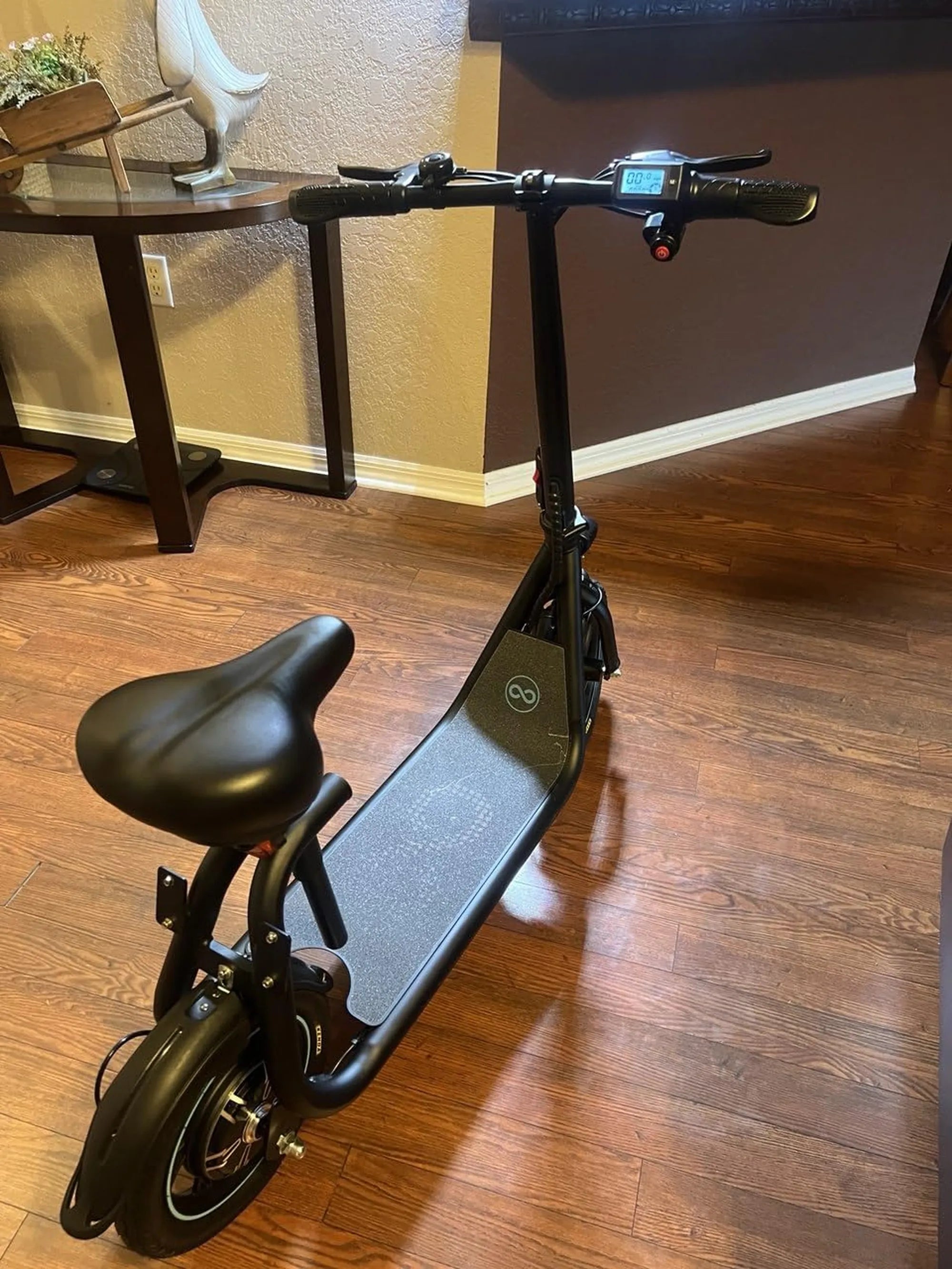
Electric bikes have revolutionized personal transportation, offering an eco-friendly and efficient way to commute, explore, or simply enjoy the outdoors. But one question lingers for many riders: how many watts is good for an electric bike? The answer isn’t one-size-fits-all—it depends on your riding style, terrain, and performance expectations. Let’s dive into the details to help you find the perfect wattage for your needs.
Understanding Electric Bike Wattage
Wattage refers to the power output of an electric bike’s motor. Higher wattage generally means more power, which translates to better acceleration, hill-climbing ability, and top speed. However, more power also means higher energy consumption, which can affect battery life and range. Here’s a breakdown of common wattage ranges and their typical uses:
- 250W – 350W: Ideal for casual riders, flat terrains, and urban commuting. These motors provide moderate assistance and are often found in entry-level e-bikes.
- 500W – 750W: A versatile range for riders who encounter hills or need extra speed. These motors balance power and efficiency well.
- 1,000W+: Built for off-road adventures, heavy loads, or riders who demand high performance. These motors deliver exceptional torque and speed but may have legal restrictions in some areas.
Factors to Consider When Choosing Wattage
Selecting the right wattage isn’t just about picking the highest number. Consider these key factors:
1. Terrain and Riding Conditions
If you’re mostly riding on flat city streets, a 250W – 350W motor will suffice. For hilly areas or off-road trails, opt for 500W or higher to ensure smooth climbs and consistent performance.
2. Rider Weight and Cargo
Heavier riders or those carrying loads (like groceries or work gear) will benefit from a more powerful motor. A 750W motor, for example, can handle additional weight without straining.
3. Speed Requirements
Higher wattage motors can achieve greater speeds, but check local regulations. Many regions cap e-bike speeds at 20-28 mph (32-45 km/h) for legal operation.
4. Battery Efficiency
More power drains the battery faster. If long-range rides are a priority, balance wattage with battery capacity to avoid frequent recharging.
Legal and Safety Considerations
Before investing in a high-wattage e-bike, research local laws. Some areas classify e-bikes with motors exceeding 750W as mopeds or motorcycles, requiring registration, insurance, or a license. Always prioritize safety by wearing a helmet and following traffic rules.
Finding the Sweet Spot
For most riders, a 500W – 750W motor strikes the perfect balance between power, efficiency, and legality. It offers enough oomph for hills and headwinds while maintaining decent battery life. If you’re a thrill-seeker or need extreme performance, 1,000W+ models are available—just ensure they’re permitted in your area.
Ready to hit the road with confidence? Now that you know how many watts is good for an electric bike, you can make an informed choice and enjoy the ride of your life. Whether you’re commuting, adventuring, or just cruising, the right wattage will keep you moving smoothly and efficiently.
Walla Walla Mountain Biking: Trails, Tips, and Adventure Awaits
Levitation Electric Scooter Reviews: The Ultimate Guide to Hovering Mobility