



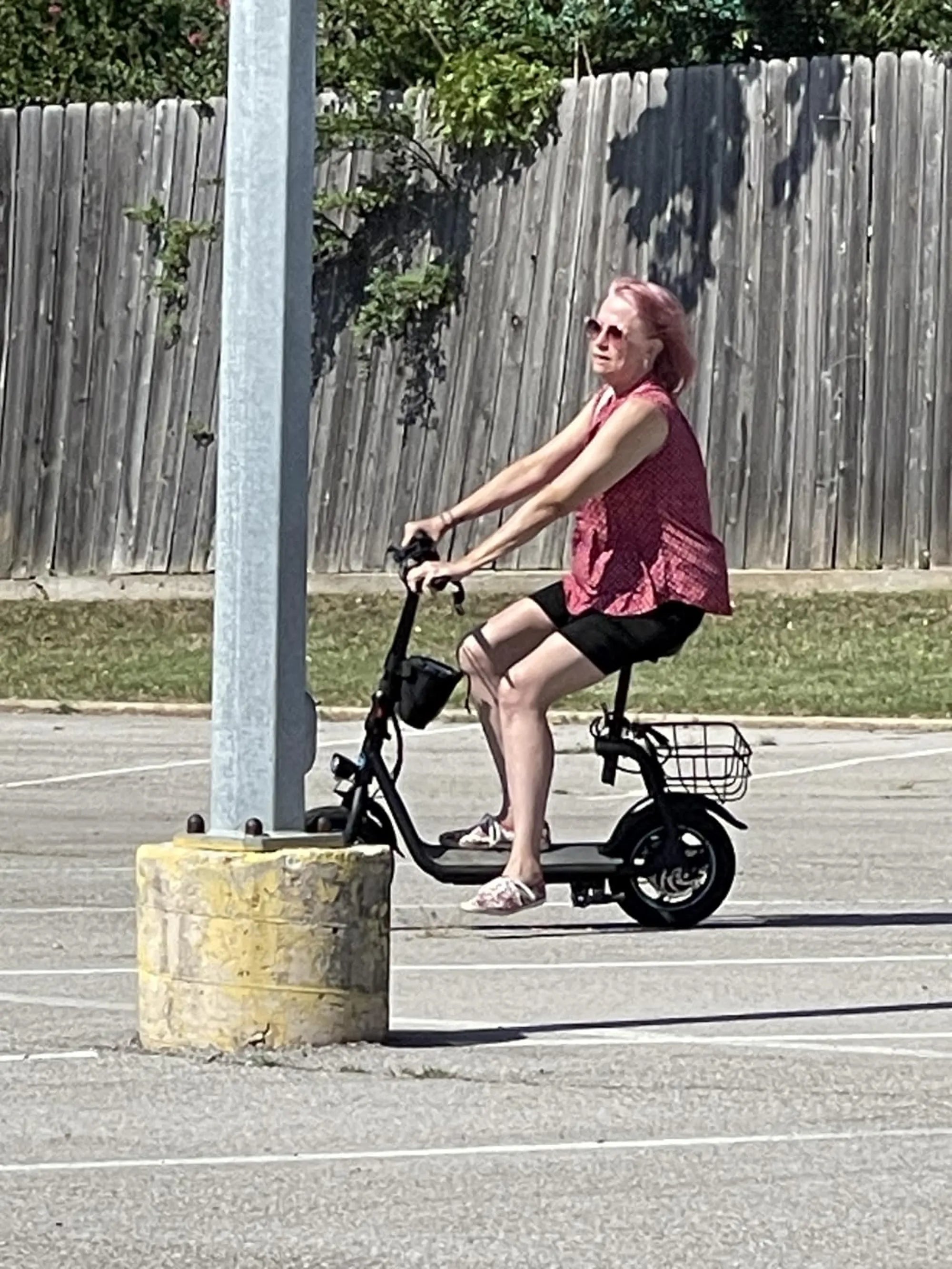
Electric scooters have surged in popularity as a convenient, eco-friendly mode of transportation. But one question lingers in the minds of riders and potential buyers alike: how much does it cost to charge an electric scooter? The answer isn’t as straightforward as you might think. From electricity rates to battery capacity, several factors influence the final cost. Let’s dive into the details to give you a clear picture of what to expect.
Understanding the Basics of Electric Scooter Charging
Before calculating the cost, it’s essential to understand how electric scooters consume energy. Most electric scooters use lithium-ion batteries, which are efficient and long-lasting. The battery capacity, measured in watt-hours (Wh), determines how much electricity is needed for a full charge.
For example, a typical electric scooter with a 250Wh battery will require 250 watt-hours of electricity to charge from 0% to 100%. To put this into perspective, that’s roughly the same amount of energy needed to power a 60-watt light bulb for about four hours.
Calculating the Cost to Charge an Electric Scooter
To determine the cost, you’ll need two pieces of information:
- Battery capacity (Wh): Check your scooter’s specifications.
- Electricity rate (per kWh): This varies by location and provider.
Here’s the formula to calculate the cost:
Cost = (Battery Capacity in Wh / 1000) × Electricity Rate per kWhFor instance, if your scooter has a 300Wh battery and your electricity rate is $0.15 per kWh, the calculation would be:
Cost = (300 / 1000) × 0.15 = $0.045 per full chargeThat’s less than a nickel for a full charge! Even if you charge your scooter daily, the monthly cost would be around $1.35, which is significantly cheaper than fueling a car or even public transportation.
Factors That Influence Charging Costs
While the above calculation provides a baseline, several factors can affect the actual cost:
1. Electricity Rates
Electricity prices vary widely depending on your location. For example, residents in areas with high energy costs (like Hawaii or California) will pay more than those in states with lower rates (like Louisiana or Washington). Always check your local utility rates for accurate estimates.
2. Battery Efficiency
Older batteries or those with degraded performance may require more energy to charge fully. Regular maintenance and proper charging habits can help preserve battery life and efficiency.
3. Charging Frequency
How often you charge your scooter also plays a role. Frequent short charges may be less efficient than fewer full charges, depending on the battery type.
4. Charger Efficiency
Not all chargers are created equal. Some are more energy-efficient than others, meaning they waste less electricity during the charging process.
Comparing Electric Scooter Charging Costs to Other Transportation
To put the cost into perspective, let’s compare it to other common transportation methods:
- Gasoline-powered vehicles: The average car costs about $0.10-$0.15 per mile in fuel, while an electric scooter costs roughly $0.001-$0.005 per mile in electricity.
- Public transportation: A monthly bus or subway pass can range from $50-$150, whereas charging an electric scooter might cost just a few dollars.
- Ride-sharing services: A single trip can easily cost $10-$20, making scooters a far more economical choice for short distances.
Tips to Reduce Charging Costs
Want to save even more? Here are some practical tips:
- Charge during off-peak hours: Some utility companies offer lower rates during non-peak times.
- Use a smart charger: These devices optimize energy use and can reduce waste.
- Maintain your battery: Avoid overcharging or letting the battery drain completely to prolong its lifespan.
- Invest in solar power: If feasible, solar panels can provide free or low-cost electricity for charging.
Real-World Examples of Charging Costs
Let’s look at a few real-world scenarios to illustrate the cost differences:
| Battery Capacity (Wh) | Electricity Rate ($/kWh) | Cost per Charge | Monthly Cost (Daily Charging) |
|---|---|---|---|
| 250 | 0.12 | $0.03 | $0.90 |
| 350 | 0.20 | $0.07 | $2.10 |
| 500 | 0.15 | $0.075 | $2.25 |
As you can see, even with larger batteries and higher electricity rates, the cost remains minimal compared to other transportation options.
Myths About Electric Scooter Charging Costs
There are several misconceptions about the cost of charging electric scooters. Let’s debunk a few:
- Myth 1: Charging an electric scooter is expensive. Reality: It’s one of the cheapest ways to power a vehicle.
- Myth 2: Frequent charging damages the battery. Reality: Modern lithium-ion batteries are designed for regular use.
- Myth 3: Solar charging isn’t practical. Reality: While not everyone can use solar, it’s a viable option for many.
The Environmental Impact of Charging Electric Scooters
Beyond cost savings, electric scooters offer significant environmental benefits. Charging an electric scooter produces far fewer emissions than gasoline-powered vehicles, especially if your electricity comes from renewable sources. By choosing an electric scooter, you’re not only saving money but also reducing your carbon footprint.
Final Thoughts on Charging Costs
So, how much does it cost to charge an electric scooter? The answer is clear: very little. With costs ranging from a few cents to a couple of dollars per month, electric scooters are an incredibly affordable transportation option. Whether you’re commuting to work, running errands, or just enjoying a ride, the savings add up quickly. Plus, with the added bonus of being eco-friendly, it’s a win-win for your wallet and the planet.
Ready to make the switch? The next time you hop on your electric scooter, take a moment to appreciate just how little it costs to keep you moving. With such low expenses, you’ll wonder why you didn’t start riding sooner!
Electric Scooter Folding Mechanism: The Ultimate Guide to Compact Commuting
2000W Electric Scooter with Seat: The Ultimate Urban Commuter