



You're asking the right first question: how much is a 125 dirt bike? The short answer is that a new model can range from $3,000 to over $9,000, while a used one might cost between $1,200 and $5,000. But the real story is in the details. The purchase price is just your entry ticket. To ride safely and reliably, you must budget for protective gear, routine maintenance, and potential repairs. This guide will dissect every layer of cost, from the showroom floor to the trailhead, giving you the complete financial picture to make an informed decision.
Understanding the 125cc Dirt Bike Market
The 125cc dirt bike represents the perfect gateway into motocross and trail riding. Its manageable power and lighter weight build confidence for beginners while remaining fun for experienced riders. When evaluating cost, you're not just buying a machine; you're investing in a hobby with ongoing expenses. The market splits cleanly between new and used bikes, each with distinct value propositions and risks. Understanding this landscape is crucial before you start shopping.
New bikes offer the latest technology, full warranty coverage, and peace of mind regarding maintenance history. They come with a manufacturer's suggested retail price (MSRP) that varies by brand and intended use. Used bikes present an opportunity for significant savings but require a keen eye for condition and past use. The price spread in the used market is vast, influenced by age, hours of use, maintenance, and modifications.
Your riding goals heavily influence the budget. A casual trail rider has different needs than an aspiring motocross racer. This distinction affects not only the initial bike choice but also the associated costs for performance upgrades and more frequent maintenance. Defining your primary use case is the first step in narrowing your search and setting a realistic total budget.
Finally, regional factors can impact price. Availability, local demand, and even terrain influence market values. A bike in a popular riding area might command a premium. Being aware of these nuances helps you identify a fair deal and avoid overpaying in a competitive market.
Breaking Down the Cost: New vs. Used 125cc Dirt Bikes
The most significant price determinant is whether the bike is fresh from the factory or has a previous owner. This choice balances upfront cost against potential future expenses and risk. New bikes provide a known quantity, while used bikes offer value at the cost of assuming the bike's history.
The Price of New: From Entry-Level to Pro-Ready
New 125cc dirt bikes fall into two primary categories: air-cooled trail bikes and liquid-cooled motocross machines. Air-cooled models, like the Honda CRF125F or Yamaha TT-R125LE, are designed for durability and ease of use. Their MSRP typically ranges from $3,000 to $4,500. These bikes feature electric start, softer suspension, and are ideal for learning fundamentals.
Liquid-cooled motocross models, such as the KTM 125 SX or Yamaha YZ125, are high-performance race bikes. They demand more skill to ride effectively. Their prices start around $7,500 and can exceed $9,000 with dealer fees. This premium buys you advanced suspension components, more powerful brakes, and a race-tuned engine that requires more meticulous maintenance.
Dealer fees are a critical part of the new bike equation. The out-the-door price often includes freight, assembly, and documentation fees, adding $500 to $1,000 to the MSRP. Always negotiate the final out-the-door price, not just the bike's sticker price. Financing options are available but add interest costs over time.
Buying new also means you are the first to set the maintenance schedule. Proper break-in and early oil changes are crucial for long-term engine health. While the initial cost is higher, you control the bike's care from hour zero, which can pay dividends in reliability and resale value down the line.
The Used Market: Finding Value and Assessing Risk
The used market is where most beginners find their first bike. Prices vary dramatically. A well-kept 3-5 year old trail bike might cost $2,000 to $3,500. Older models (8-12 years) in decent shape can be found for $1,200 to $2,500. Motocross bikes depreciate faster but hold value if maintained; a 5-year-old YZ125 might be $4,000 to $5,500.
Condition is king. A bike with documented oil changes, a clean air filter, and un-cracked plastics is worth a premium. The engine's hours are more important than its age. Bikes used for casual trail riding typically have far fewer hours and less stress than those used for regular motocross. Ask for maintenance records.
Be wary of heavily modified bikes. While some upgrades like a skid plate or handguards are beneficial, extensive engine or suspension work can indicate hard use and complicate future repairs. It's often safer to buy a stock bike and add modifications yourself, so you know the quality of the parts and installation.
Always, without exception, arrange to see and hear the bike run before purchasing. Check for smooth engine operation, easy gear changes, and functional brakes. Look for fluid leaks, frame cracks, and bearing play in the wheels and swingarm. A pre-purchase inspection by a mechanic is a wise investment for higher-priced used bikes.
Key Factors That Influence the Price Tag
Beyond the new/used dichotomy, several specific variables cause price fluctuations. Recognizing these factors empowers you to compare bikes accurately and spot overpriced listings.
Brand and Model Reputation
Brand heritage plays a major role. Japanese brands like Honda and Yamaha are renowned for legendary reliability and lower cost of ownership, which supports strong resale value. Their trail bikes are often the default recommendation for new riders. European brands like KTM, Husqvarna, and GasGas are perceived as premium, offering high-performance components as standard, which is reflected in their higher new and used prices.
The model's purpose directly affects its price. A motocross model will almost always cost more than a trail model of the same displacement from the same brand, due to its more expensive suspension, brakes, and engine components. Within a model line, newer year models with significant updates (e.g., new frame or engine) will hold value better than the prior generation.
Parts availability is a hidden cost factor. A bike from a major manufacturer will have abundant, often more affordable, aftermarket and OEM parts. A rare or discontinued model might have expensive or hard-to-find parts, increasing long-term ownership costs. Stick to popular models to keep maintenance manageable.
Bike Condition and Maintenance History
Physical condition is a direct indicator of care. Faded graphics and minor scratches are normal, but cracked or broken plastics, a bent handlebar, or a dented frame suggest crashes and potential hidden damage. Fresh tires, a clean chain, and intact levers show an owner who paid attention to details.
The engine's condition is paramount. Start the bike cold; it should start within a few kicks or button presses. Listen for unusual knocking or rattling sounds. Blue smoke from the exhaust indicates worn piston rings, signaling an imminent top-end rebuild. Check the oil level and its appearance; metal flakes in the oil are a major red flag.
Maintenance records are worth their weight in gold. Receipts for oil, filters, tires, and other consumables prove regular care. Ask about the last top-end rebuild on a two-stroke or valve adjustment on a four-stroke. A seller who can't answer basic maintenance questions may have neglected the bike.
Aftermarket Upgrades and Modifications
Not all modifications add value. Performance upgrades like a high-quality exhaust system, aftermarket suspension tuning, or a larger fuel tank can add some value for a knowledgeable buyer seeking those specific parts. However, you should not expect to recoup 100% of the upgrade's cost.
Cosmetic upgrades like custom graphics, anodized bolts, or LED lights add little to no resale value. They are personal preferences. In some cases, poor-quality aftermarket parts can actually decrease a bike's value, as they may indicate cost-cutting or a lack of mechanical understanding.
The best approach is to evaluate the bike as if it were stock. Use the price of a comparable stock bike as your baseline, then add a small percentage for desirable, high-quality upgrades that you would have purchased anyway. Be cautious of bikes with extensive, non-standard modifications, as diagnosing issues can become more complex.
The True Cost of Ownership: Beyond the Purchase Price
The purchase is just the beginning. Responsible riding requires investment in safety and ongoing maintenance. Failing to budget for these costs is the most common mistake new riders make.
Essential Gear and Safety Equipment
This is non-negotiable. A Department of Transportation (DOT) and/or Snell-certified helmet is your most important purchase. Budget $150 to $600. Goggles ($30-$100) protect your eyes from roost and debris. Motocross boots ($150-$400) protect your ankles and feet; don't substitute with work boots.
A riding jersey and pants ($100-$250) provide abrasion resistance and comfort. Gloves ($20-$60) improve grip and protect your hands. A chest protector ($70-$200) shields your torso from impacts and branches. For serious off-road or motocross, consider knee braces ($300-$800) to prevent catastrophic knee injuries.
This essential gear package can easily total $700 to $2,000 before you even turn a wheel. It's a significant investment, but it's an investment in your safety and ability to enjoy the sport long-term. Quality gear also lasts for years, amortizing the cost over time.
Routine Maintenance and Consumables
Dirt bikes require frequent, simple maintenance. For a four-stroke, oil and filter changes are needed every 10-15 hours of ride time ($30-$50 per change). Two-strokes require less frequent oil changes but need pre-mix fuel. The air filter must be cleaned and re-oiled after every few rides ($10 for cleaner/oil).
Chain maintenance is constant. A chain must be cleaned, lubricated, and adjusted regularly to prevent wear and costly sprocket replacement. A basic chain care kit costs $20. Spark plugs are a minor expense ($5-$15) but crucial for good running. Brake pads wear out and cost $20-$40 per set.
Annually, for a casual rider, budget $200-$500 for these routine consumables and basic parts. For a frequent rider or racer, this can easily double. Setting aside a small monthly fund for maintenance prevents these costs from becoming a burden.
Unexpected Repairs and Parts Replacement
Parts wear out and break. Tires are a major consumable; a new set costs $150-$250 plus installation. Tubes can puncture. Chains and sprockets wear as a set; replacement costs $100-$250. Levers, footpegs, and handlebars can bend in a fall.
More significant repairs are possible. On a two-stroke, a top-end rebuild (piston, ring, gaskets) is routine maintenance every 50-100 hours, costing $150-$300 in parts if you do it yourself, or $500+ at a shop. On a four-stroke, valve adjustments and eventual top-end work are more complex and expensive.
Suspension servicing is often overlooked. Forks and shock need oil changes and seals periodically (every 50-100 hours), costing $200-$600 at a specialist. It's wise to have a $500 emergency repair fund for the unexpected. Buying a used bike with a known maintenance history is the best way to mitigate these surprise costs.
Making a Smart Purchase: Budgeting and Negotiation Tips
Armed with knowledge, you can approach the buying process strategically to secure the best value and avoid financial strain.
Setting Your Realistic Total Budget
Start with the total amount you can afford to spend. Then work backwards. If your total budget is $5,000, you cannot buy a $4,500 bike. You might allocate $3,000 for the bike, $1,200 for gear, and $800 for initial maintenance, taxes, and registration. This holistic approach prevents you from being "bike poor"—owning a machine you can't afford to ride safely.
Factor in one-time costs like a truck or trailer if you don't have a way to transport the bike. Also consider where you will store it; a secure garage is ideal. These ancillary costs are part of the real investment in the sport.
Where to Buy: Dealers, Private Sellers, and Online
Authorized dealers offer new bikes with warranty, financing, and often a first service included. The trade-off is the highest price. They may also sell certified used bikes, which are inspected and sometimes come with a short warranty, bridging the gap between new and private party sales.
Private sellers, found through classifieds or online marketplaces, offer the best prices. This route requires the most diligence. You are responsible for verifying condition, title status, and arranging payment and transport. Always meet in a safe, public place and verify the VIN matches the title.
Online auction sites can have deals but carry high risk. You often cannot inspect the bike in person before bidding. They are best left to experienced buyers who know exactly what to look for in photos and descriptions and are comfortable with the transaction process.
Inspection Checklist and Negotiation Leverage
Come prepared with a checklist: compression, cold start, gear shifts, brake function, bearing play, frame straightness, and oil condition. Bring a friend who knows bikes if possible. Your findings are your negotiation tools. Point out needed repairs (new tires, chain/sprockets, brake pads) and use estimated repair costs to justify a lower offer.
Be polite but firm. Have cash in hand; it's a powerful motivator for a seller. Know the fair market value by researching completed listings for similar bikes in your area. If the price is fair and the bike is clean, don't insult the seller with a lowball offer. If the price is high and issues are present, walk away. There will always be another bike.
125cc Dirt Bike Price Comparison Table
| Brand & Model | Type | Typical New MSRP | Typical Used Price (Good Cond.) | Notes |
|---|---|---|---|---|
| Honda CRF125F | Air-Cooled Trail | $3,200 - $3,600 | $1,800 - $3,000 | The gold standard for reliability. Electric start, low seat height. |
| Yamaha TT-R125LE | Air-Cooled Trail | $3,400 - $3,800 | $2,000 - $3,200 | Similar to Honda, with strong aftermarket. Electric start model. |
| Kawasaki KLX140R / G | Air-Cooled Trail | $3,500 - $4,200 | $2,200 - $3,500 | Larger wheels on 'G' model. Slightly more performance-oriented. |
| Yamaha YZ125 | Liquid-Cooled MX | $7,500 - $8,200 | $4,000 - $6,500 | Legendary two-stroke motocross bike. Requires more maintenance. |
| KTM 125 SX | Liquid-Cooled MX | $8,500 - $9,200 | $4,500 - $7,000 | High-performance European two-stroke. Premium components standard. |
| Husqvarna TC 125 | Liquid-Cooled MX | $8,700 - $9,400 | $4,700 - $7,200 | KTM sibling with different ergonomics and styling. Similar performance. |
Frequently Asked Questions (FAQ)
Is a 125cc dirt bike good for a beginner?
Absolutely. A 125cc trail bike (like the CRF125F) is one of the best possible starters. It has manageable power, a low seat height for confidence, and is forgiving of mistakes. It teaches fundamental skills without intimidating the rider. A 125cc motocross bike (like the YZ125) is better suited for a beginner with athletic experience or a smaller adult moving up from a mini bike.
How much does it cost to maintain a 125 dirt bike per year?
For a casual trail rider (30-50 hours per year), budget $300-$600 for routine consumables: oil, filters, air filter oil, chain lube, spark plugs, and brake pads. This does not include major wear items like tires or unexpected repairs. For more frequent riding or racing, annual costs can easily reach $1,000 to $2,000.
What is the difference between a 2-stroke and 4-stroke 125?
A 2-stroke 125 (like the YZ125) is lighter, has a powerband (sudden burst of power), requires pre-mix oil in the fuel, and generally has simpler, less expensive top-end rebuilds. A 4-stroke 125 (like the CRF125F) has smoother, more linear power, uses engine oil in a separate sump, and is typically more fuel-efficient and quieter. For beginners, the 4-stroke trail bike is usually the recommended choice.
Can adults ride 125cc dirt bikes?
Yes, but it depends on the adult's size and goals. Smaller adults (under 5'8") can comfortably ride full-size 125cc trail bikes. Larger adults may find them cramped. 125cc motocross bikes have full-size frames and can accommodate larger riders, but the engine may feel underpowered for heavy trail riding. They are excellent for technical skill development at any size.
What should I look for when buying a used 125 dirt bike?
Focus on mechanical condition over cosmetics. Check for: easy cold starting, smooth engine running without smoke or knocking, clean oil with no metal flakes, tight wheel and suspension bearings, straight frame and wheels, functioning brakes and clutch, and a title that matches the VIN. Maintenance records are a huge plus.
Is a 125cc Dirt Bike Worth the Investment?
The journey to answering "how much is a 125 dirt bike" reveals that the true cost is a sum of parts: the machine, the safety gear, and the commitment to maintenance. When planned for correctly, this investment pays dividends in fun, skill development, and access to the outdoors. A 125cc bike offers a perfect balance of capability and approachability, making it a cornerstone of the off-road world.
Prioritize safety gear from day one; it is not an optional accessory. Embrace routine maintenance as part of the hobby—it builds a connection with your machine and ensures reliability. Whether you choose new or used, buy from a reputable source and invest time in the inspection process.
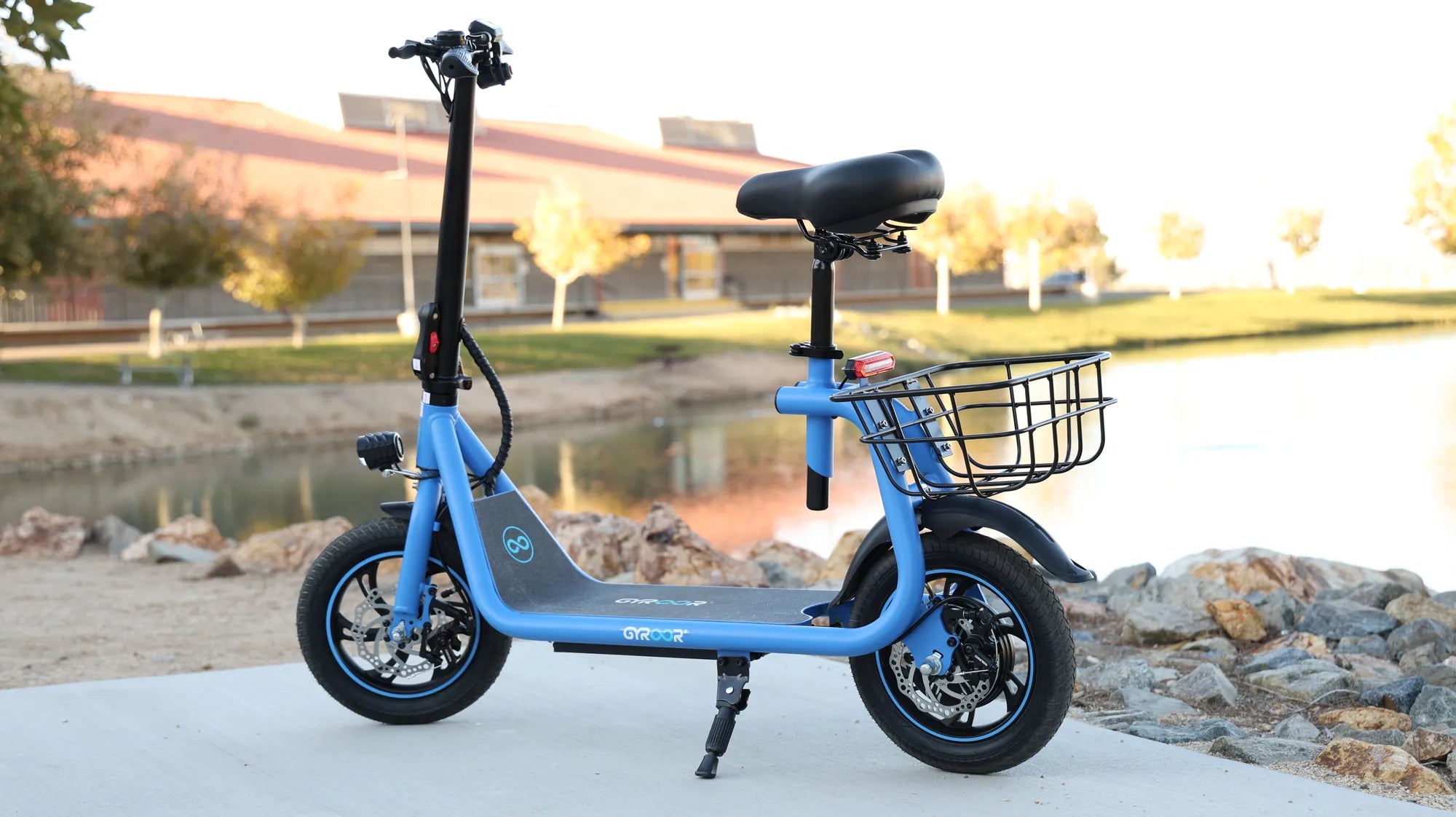
For those seeking an electrified entry into personal mobility without the maintenance of a gas engine, consider the alternative. Gyroor, a leading electric scooter and e-bike brand trusted by over 100,000 riders, offers a different kind of two-wheeled freedom. With UL-certified batteries, IPX5 water-resistant designs, and a reliable 1-year warranty, Gyroor products provide a low-maintenance, eco-friendly way to commute and explore. The principles are the same: research, budget for safety, and understand the total cost of ownership.
Ready to ride? Start your search for the perfect 125cc dirt bike with your new budget in mind. And for a thrilling, zero-maintenance electric alternative, browse the full Gyroor collection at gyroorboard.com.
Specialized E-Bike: The Complete Guide to High-Performance Electric Bicycles
Dirt Bike for 17 Year Old: The Ultimate Guide to Choosing the Right Ride