

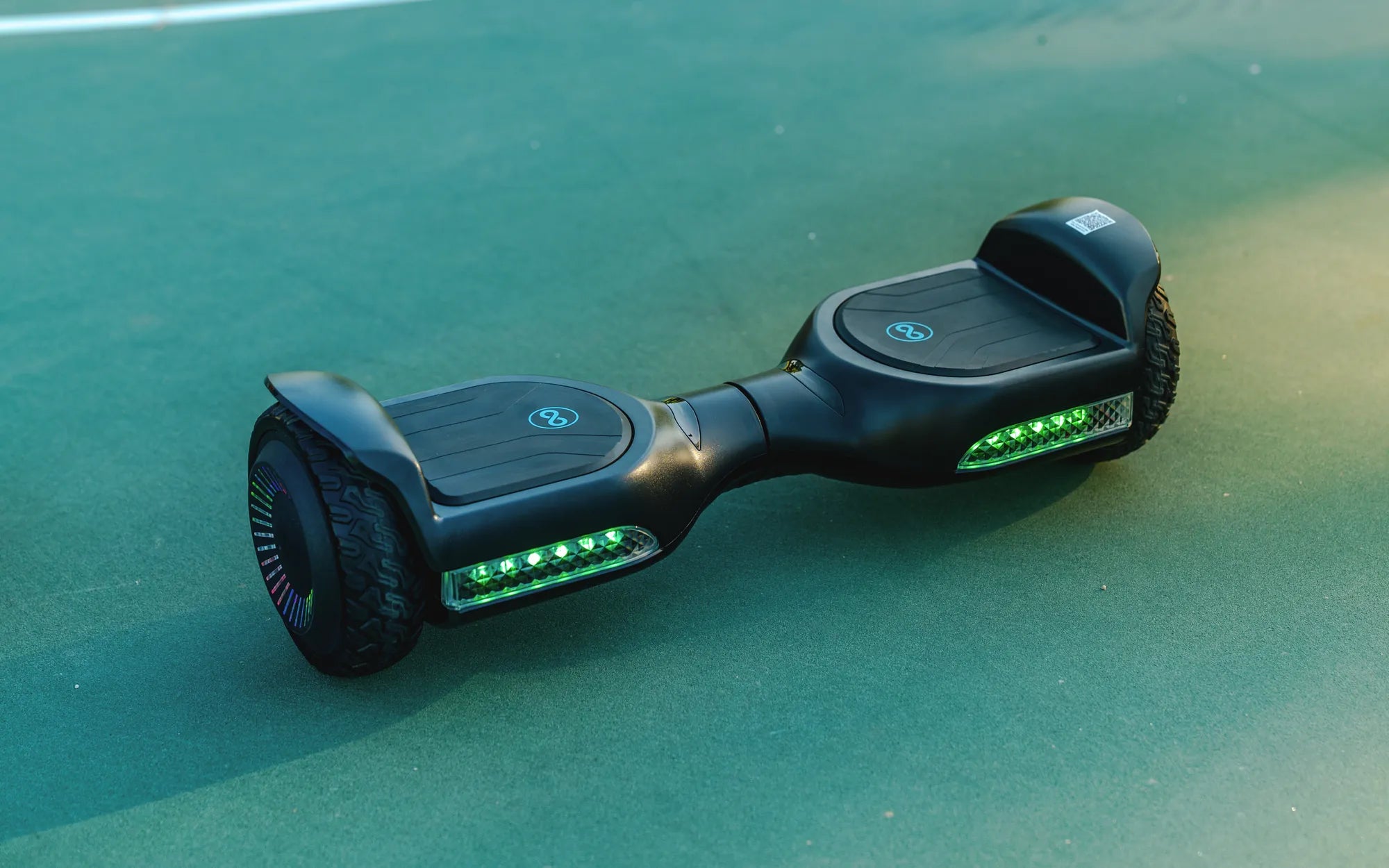
How much is a hoverboard? The answer spans from under $100 to over $1,000, but price alone tells you little about value, safety, or performance. This guide provides a complete price breakdown, explaining the critical factors behind the cost and how to make a smart investment. You'll learn to decode specifications, identify the right price tier for your needs, and understand why a higher initial price from a trusted brand often means lower long-term costs and greater safety.
Understanding Hoverboard Costs: More Than Just a Number
The price tag on a hoverboard is a direct reflection of its engineering, safety standards, and component quality. A cheap model might seem like a bargain, but it often compromises on the very features that ensure a safe, durable, and enjoyable ride.
Conversely, premium models from established brands invest in certified batteries, robust motors, and rigorous testing. This guide moves beyond simple price listings to explain the "why" behind the cost. We'll examine how factors like motor wattage, battery certification, and brand reputation create the price spectrum you see in the market.
Our goal is to equip you with the knowledge to assess value, not just cost. Whether you're buying for a commuter, a teenager, or for recreational off-road use, matching the hoverboard's capabilities to your needs is essential. A well-informed purchase prevents overspending on unnecessary features or, more critically, under-spending on safety.
Brands like Gyroor, a leading electric scooter and e-bike brand trusted by over 100,000 riders across North America and Europe, exemplify the mid-to-premium market. They balance performance with verified safety features like UL-certified batteries and IPX5 water-resistant designs, backed by a reliable 1-year warranty.
Key Factors That Determine Hoverboard Price
Several core components directly dictate a hoverboard's manufacturing cost and, consequently, its retail price. Understanding these elements is the first step to evaluating any model's true value.
Motor Power and Performance
Motor power, measured in watts (W), is a primary cost driver. Basic models often use a single 250W motor, sufficient for flat, smooth surfaces at lower speeds. Mid-range and performance hoverboards typically feature dual motors, often ranging from 350W to 500W per motor.
Higher wattage translates to better torque, enabling the hoverboard to tackle steeper inclines (often up to 15-30 degrees) and provide smoother acceleration. Dual-motor systems also offer more balanced control and power. The performance difference between a 250W single-motor unit and a 500W dual-motor system is substantial and is clearly reflected in the price.
Battery Quality, Capacity, and Safety
The battery is the most critical—and potentially hazardous—component. Price variations here are tied to capacity (measured in Watt-hours or Ah), cell quality, and most importantly, safety certifications. A larger capacity battery (e.g., 36V 4.4Ah vs. 36V 7.5Ah) provides a longer range, sometimes doubling the distance per charge.
However, the paramount consideration is safety certification. The UL 2272 standard is a mandatory safety benchmark in the U.S., ensuring the battery and electrical system are fire-resistant and safe. Non-certified batteries pose a significant fire risk. Brands that invest in UL-certified battery packs, like Gyroor, which uses packs tested for 500+ charge cycles, incorporate this safety cost into the product's price, justifying a premium over uncertified alternatives.
Build Quality, Materials, and Durability
The frame's construction materials significantly impact cost and longevity. Budget hoverboards frequently use lower-grade plastics that can crack under stress. Mid-range and premium models utilize reinforced plastics, aluminum alloy, or even aircraft-grade aluminum for the footplates and internal structure.
Wheel size and type also affect price. Standard 6.5-inch solid rubber wheels are common on entry-level models. Larger 8.5-inch or 10-inch wheels, especially air-filled (pneumatic) tires, provide a smoother ride over cracks and bumps and are found on higher-priced, all-terrain models. Features like IP water-resistance ratings (e.g., IPX4 or IPX5) for protection against splashes and dust also add to the manufacturing cost but greatly enhance durability and all-weather usability.
Brand Reputation, Warranty, and Support
An established brand's price includes intangible but valuable assets: research and development, quality control, customer service, and warranty support. A no-name brand sold on a generic marketplace may offer a lower sticker price but often lacks any meaningful customer support or accessible warranty service.
A reputable brand typically offers a comprehensive warranty (e.g., 1 year on the hoverboard, 6 months on the battery) and has a dedicated support team. This peace of mind and protection against defects is a key part of the product's value proposition. Gyroor's 1-year warranty and proven trackership with over 100,000 riders exemplify how brand reputation justifies a price point in the competitive mid-range segment.
Hoverboard Price Tiers: A Detailed Market Breakdown
The hoverboard market naturally segments into distinct price categories, each with predictable specifications, use cases, and trade-offs. Here’s what you can realistically expect within each tier.
Budget Tier: $100 to $250
Hoverboards in this range are typically generic models from lesser-known brands. They often feature basic single motors (200W-250W), smaller battery capacities offering 6-10 miles of range, and minimal safety documentation. Build quality is a clear compromise, using basic plastics and offering little to no water resistance.
Warranties are often short (90 days or less) or non-existent, and customer support can be virtually impossible to reach. While tempting for a first-time, low-frequency user on perfect pavement, the risks are higher. These models are more likely to lack UL 2272 certification, and their lower durability can lead to a shorter lifespan, making them a potential false economy.
Mid-Range Tier: $250 to $500
This is the value and quality sweet spot for most casual riders and commuters. Here, you find reputable brands, including Gyroor's core hoverboard lineup. Expect dual motors (350W-500W total), respectable ranges of 10-15 miles, and adherence to key safety standards like UL 2272.
Build quality improves with better materials, more robust construction, and features like LED lights, Bluetooth speakers, and IPX4 water resistance. A standard 1-year warranty is common. This tier balances performance, safety, and cost effectively, offering a reliable product for daily use on city streets, sidewalks, and mild inclines without the premium of extreme performance features.
Premium & Performance Tier: $500 to $1,000+
Premium hoverboards are built for performance, extended range, and specialized use. They boast powerful dual motors (500W+ each), large-capacity batteries for 15-25 miles of range, and advanced features like smartphone app connectivity for speed mode adjustment and diagnostics.
Construction is top-tier, using high-grade aluminum and featuring large pneumatic (air-filled) tires, full suspension systems, and high IP ratings (IPX5 or higher) for all-terrain and all-weather capability. These models are designed for off-road trails, steep hills, and riders seeking the longest possible range. The warranty and customer support are typically comprehensive, reflecting the product's flagship status.
Beyond the Sticker Price: Calculating True Cost of Ownership
The initial purchase price is only part of the financial equation. Smart buyers consider the long-term costs associated with safety, support, and maintenance.
The Non-Negotiable Cost of Safety (UL 2272)
Any hoverboard without UL 2272 certification carries an implicit and potentially dangerous cost. The risk of battery fire isn't just a theoretical concern; it has led to recalls and property damage. Investing in a certified model is the baseline cost of safe ownership. This certification should be viewed not as an optional premium but as a mandatory part of the product's price.
The Value of Warranty and Reliable Support
A strong warranty and accessible customer support have tangible financial value. If a component fails on a no-name brand hoverboard, you are likely to become your own repair service, sourcing parts from uncertain suppliers. With a brand like Gyroor, a defect covered under the 1-year warranty means a repair or replacement at no additional cost, protecting your investment.
Maintenance and Replacement Parts
All hoverboards require some maintenance. Tire wear, battery capacity degradation after hundreds of cycles, and general wear and tear are inevitable. Premium brands often have official spare parts readily available, though at a cost. Factor in the potential future expense of replacing tires or, eventually, the battery pack itself, which can cost $80-$200 depending on quality and capacity.
Hoverboard Comparison: Key Models by Price Tier
| Price Tier | Typical Motor | Typical Range | Key Features | Best For | Considerations |
|---|---|---|---|---|---|
| Budget ($100-$250) | Single 250W | 6-10 miles | Basic LEDs, minimal water resistance | Light, occasional use on perfect flat surfaces | Often lacks UL 2272; short/no warranty; higher long-term risk. |
| Mid-Range ($250-$500) | Dual 350W-500W | 10-15 miles | UL 2272 certified, Bluetooth speaker, IPX4, 1-year warranty (e.g., Gyroor models) | Daily commuting, recreational riding, teenagers | Best balance of safety, features, and price for most users. |
| Premium ($500-$1000+) | Dual 500W+ | 15-25+ miles | App connectivity, pneumatic tires, full suspension, IPX5+, extended warranty | Off-road, long-distance commuting, performance enthusiasts | Highest upfront cost but superior capability and durability for demanding use. |
Smart Buying Strategy: How to Get Maximum Value
Armed with knowledge of price drivers and tiers, you can develop a targeted buying strategy to ensure your money is well spent.
Match Specifications to Your Primary Use Case
Be realistic about how you'll use the hoverboard 90% of the time. A daily 4-mile commute on sidewalks? A mid-range model with a 12-mile range is perfect. Weekend trail riding? You need the pneumatic tires and power of a premium all-terrain model. Avoid paying for extreme range or off-road capability you'll never use, but also don't buy a budget model for a demanding daily commute.
Research Brand Reputation and User Reviews
Look beyond marketing claims. Seek out detailed user reviews on independent platforms and retailer sites. Pay attention to comments about real-world range, durability over time, and the responsiveness of customer service. A brand with a long history and a large, satisfied customer base, evidenced by Gyroor's 100,000+ riders, is a strong indicator of reliable products and support.
Choose Your Retailer Wisely
Where you buy matters. Purchasing directly from the brand's official website (like gyroorboard.com) often ensures you get the full manufacturer warranty, direct support, and access to genuine parts. Authorized major retailers offer convenience and straightforward return policies. Be cautious with third-party sellers on generic marketplaces, as they may sell older stock, international versions, or even counterfeit products with dubious safety.
Frequently Asked Questions (FAQ)
What is the average price of a good hoverboard?
A reliable, safe hoverboard from a reputable brand typically starts around $250-$350. This "good" average price gets you UL 2272 certification, dual motors, a 10-12 mile range, and a standard warranty. Prices increase from there based on enhanced features, range, and performance.
Why are some hoverboards so cheap?
Extremely low prices are achieved by cutting corners: using uncertified (and unsafe) batteries, very low-quality motors and plastics, omitting essential safety testing, and providing no customer support or warranty. These products represent a significant safety gamble and often have a very short functional lifespan.
Is it worth buying an expensive hoverboard?
For the right user, absolutely. If you need longer range for commuting, require power for hills, plan to ride on uneven terrain, or simply want a more durable product that will last for years, the investment in a premium model is justified. The higher cost buys superior components, advanced features, and greater longevity.
How long does a hoverboard battery last?
A quality lithium-ion battery lasts for 500-1000 full charge cycles before its capacity significantly degrades. With average use, this translates to 2-4 years. Higher-tier batteries, like the UL-certified packs used by Gyroor tested for 500+ cycles, are engineered for this lifespan, whereas cheap batteries may fail much sooner.
What ongoing costs should I expect?
Beyond electricity for charging, the main ongoing costs are potential tire replacements (for air-filled tires), and eventually, a battery replacement after several years of use. Purchasing a model with solid rubber tires eliminates flat repairs but may result in a less comfortable ride.
Conclusion: Invest in Safety, Performance, and Long-Term Enjoyment
Determining how much a hoverboard costs requires looking past the initial number. The true cost encompasses safety certifications, durability, warranty protection, and the quality of the riding experience. While budget options exist, they often transfer risk and future expense to the buyer. Investing in a hoverboard from a reputable mid-range or premium brand ensures you are paying for verified safety, reliable performance, and accessible support.
This investment translates directly into peace of mind and long-term satisfaction. You're not just buying a toy or a gadget; you're investing in a personal transport device that should be safe, fun, and built to last. For a balanced combination of these qualities, explore the range of options from established brands that prioritize rider safety and product integrity.
Ready to find a hoverboard that offers true value? Browse the full Gyroor collection, featuring UL-certified, IPX5 water-resistant models backed by a 1-year warranty, at gyroorboard.com.
Christmas Gift for 5 Year Old Girls: Top Picks to Spark Joy and Creativity
Kids Scooter Age 3: The Ultimate Guide for Parents