



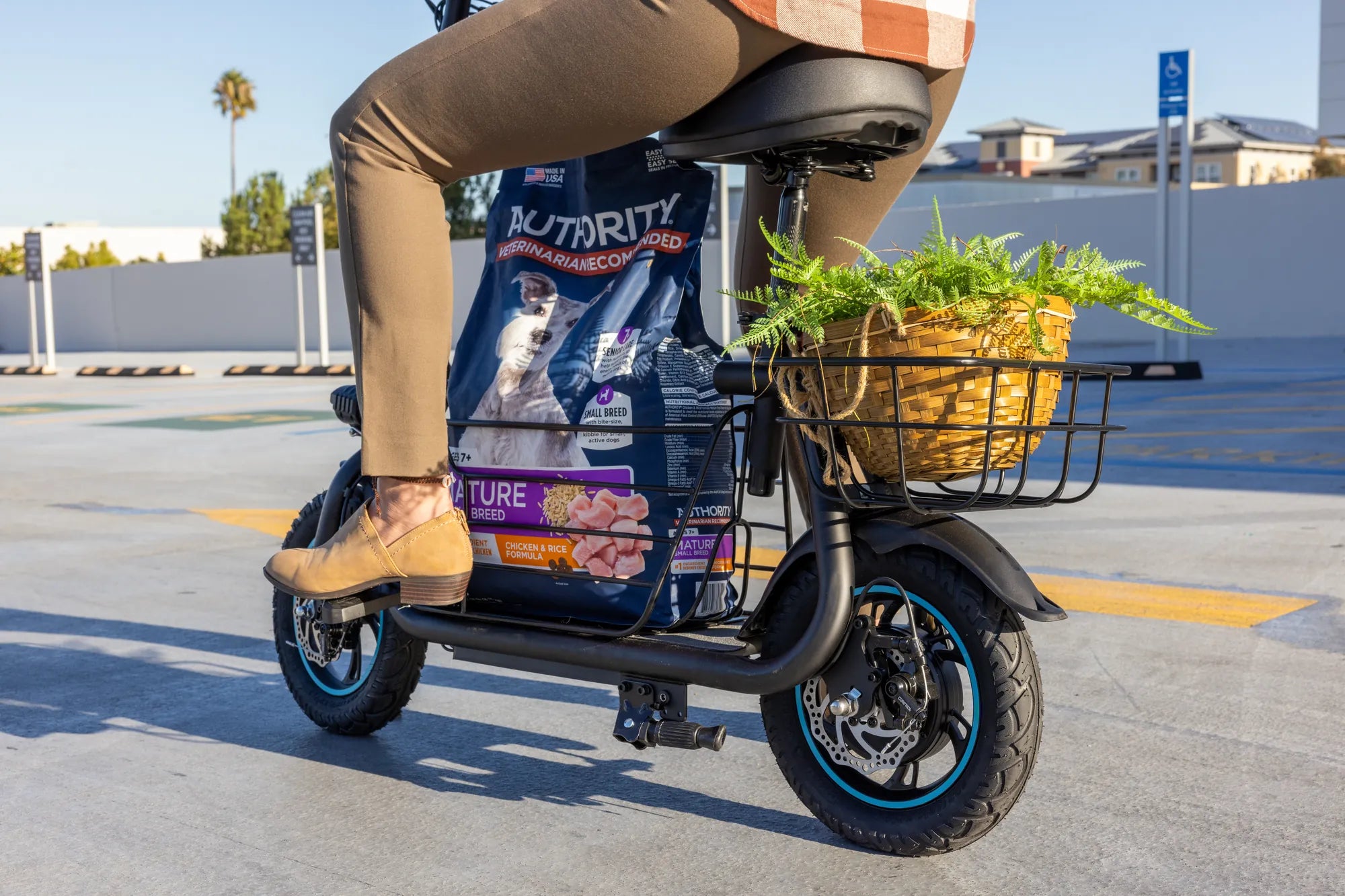
Introduction to Electric Scooter Costs
"How much is an electric scooter?" is a common starting point, but the answer is far from simple. The price of an electric scooter can vary as dramatically as its performance, ranging from a few hundred dollars for a basic model to several thousand for a high-performance machine. Understanding this wide spectrum requires looking beyond the sticker price to the core components and intended use. This guide will dissect every factor that influences cost, from motor wattage to warranty coverage, providing you with the data needed to make a smart, value-driven purchase that fits your specific riding needs and budget.
You will learn how to decode specifications, identify the true cost of ownership, and navigate the market to find a scooter that offers reliability and performance without unnecessary expense. We'll explore price brackets, compare features, and highlight how investing in quality components from reputable brands can save money and ensure safety in the long run. The goal is to transform the question from "how much is an electric scooter" to "how much should I invest in the right electric scooter for me."
Breaking Down the Price: What You're Paying For
The final price tag of an electric scooter is a direct reflection of its components and engineering. Key factors include the motor's power, the battery's capacity and certification, the durability of the frame and tires, and the brand's commitment to safety and support. A scooter is an integration of these systems, and higher-quality parts command a higher price. It's crucial to understand what each component contributes to the overall cost and riding experience.
For instance, a scooter built with a generic battery and a simple frame will naturally cost less than one equipped with a UL-certified battery pack, a reinforced aluminum alloy chassis, and a sophisticated suspension system. Brands that invest in research, development, and rigorous testing, like Gyroor, also factor those costs into the price, which is often reflected in greater reliability and comprehensive customer support. When evaluating price, consider it as an investment in the scooter's performance, safety, and lifespan.
Motor and Performance Tier
The motor is the heart of the electric scooter, and its power rating, measured in watts (W), is a primary cost driver. A 250W motor is typically found on entry-level commuter scooters, suitable for flat terrain and speeds up to 15 mph. Mid-range models often feature 350W to 500W motors, offering better acceleration and the ability to handle moderate inclines at speeds of 18-22 mph.
High-performance and off-road scooters start at 1000W and can go up to 2000W or more with dual-motor configurations. These powerful systems enable top speeds of 30+ mph and can conquer steep hills, but they significantly increase the price. The motor's quality, including its efficiency, cooling, and integration with the electronic speed controller, also affects cost. More power and refined performance engineering come at a premium.
Battery and Range: The Biggest Cost Factor
Often the single most expensive component, the battery determines your scooter's range and long-term viability. The cost is influenced by capacity (measured in watt-hours, Wh), voltage, and the quality of the battery cells. A larger capacity battery made with premium, name-brand lithium-ion cells (like those from Samsung or LG) will cost more but provide longer range and better longevity.
Safety certifications are paramount. UL-certified battery packs, as used in all Gyroor models, undergo rigorous testing for stability, overheating, and short-circuit protection. This certification adds to the cost but is a critical investment in safety, reducing the risk of fire and ensuring the battery can reliably endure 500+ charge cycles. A scooter with a 10-mile range will have a much smaller, cheaper battery than one boasting a 40+ mile range, clearly illustrating how range expectations directly impact the answer to "how much is an electric scooter."
Build Quality and Durability Features
Durability features directly correlate with price and long-term value. The frame material is a key differentiator; lightweight yet strong aluminum alloys are more costly than heavier steel. Suspension systems (spring or hydraulic) add comfort and control on rough roads but increase manufacturing complexity and cost.
Tire choice matters: pneumatic (air-filled) tires offer a smoother ride but require maintenance, while solid tires eliminate flats but can provide a harsher ride. The IP (Ingress Protection) rating is crucial for weather resistance. An IPX5 rating, standard on Gyroor scooters, means the scooter can withstand water jets from any direction, making it suitable for riding in rain. This level of engineering for all-weather reliability, along with features like hydraulic disc brakes and integrated lighting, contributes to a higher initial cost but lower long-term maintenance and replacement expenses.
Electric Scooter Price Categories: From Budget to Premium
To simplify the market, electric scooters can be grouped into distinct price categories, each with typical specifications and use cases. The table below provides a clear comparison to help you understand what to expect in each bracket.
| Price Category | Typical Motor Power | Typical Range | Key Features | Best For |
|---|---|---|---|---|
| Under $500 | 250W - 350W | 10 - 15 miles | Basic folding mechanism, solid tires, single brake, limited water resistance. | Short, flat urban errands; last-mile solution from transit; first-time riders on a tight budget. |
| $500 - $1000 | 350W - 600W | 15 - 25 miles | Better suspension (often front or dual), pneumatic tires, disc brakes, IPX4/IPX5 rating, app connectivity. | Daily urban commuters seeking a balance of range, comfort, and reliability for regular use. |
| $1000 - $2000 | 500W - 1000W (single or dual) | 25 - 40+ miles | Advanced suspension, dual hydraulic brakes, high-capacity UL-certified batteries, robust aluminum frames, brighter lights. | Performance-oriented commuters, longer-distance riders, and those tackling hilly terrain. |
| $2000+ | 1000W+ (often dual motor) | 40 - 60+ miles | Extreme performance, off-road capabilities, premium components (e.g., sine-wave controllers), motorcycle-grade tires, exceptional build quality. | Enthusiasts, off-road adventurers, and riders prioritizing top-tier speed, range, and durability. |
Budget-Friendly Commuters (Under $500)
In the under $500 category, you find entry-level electric scooters designed for very specific, limited use. They are ideal for short trips on perfectly flat pavement, such as a quick ride from a train station to an office. Performance is modest, with lower top speeds and minimal hill-climbing ability. Build quality is functional but may involve more plastic components and simpler construction.
Range is typically the most significant limitation, often advertised under ideal conditions and reduced by rider weight, hills, and cold weather. These models may lack advanced safety features like effective water resistance or premium braking systems. For a rider with minimal needs and a flat route, a budget scooter can be a cost-effective entry point, but it's essential to manage expectations regarding longevity and all-weather capability.
Mid-Range All-Rounders ($500 - $1000)
This is widely considered the value sweet spot for most urban commuters. For between $500 and $1000, you can find electric scooters that offer a balanced blend of performance, range, and durability suitable for daily use. Motors in this range provide enough power for most city hills, and batteries offer sufficient range for a typical round-trip commute.
This category often introduces important quality-of-life and safety features. You can expect better suspension for comfort, pneumatic tires for improved grip, more reliable disc brakes, and crucial IPX4 or IPX5 water-resistance ratings. Brands like Gyroor compete strongly here, offering models with UL-certified batteries, robust construction, and a comprehensive 1-year warranty, providing significant peace of mind and long-term value that cheaper models cannot match.
High-Performance & Off-Road Models ($1000+)
When your needs extend beyond basic commuting, high-performance electric scooters enter the conversation. Priced from $1000 into the thousands, these machines are built for speed, long-distance travel, or rugged terrain. They often feature dual-motor setups for incredible torque and acceleration, large-capacity battery packs for extended range, and sophisticated suspension systems to absorb bumps at higher speeds.
Build quality is premium, utilizing aerospace-grade aluminum alloys and components designed to withstand more stress. These scooters are for riders who view their vehicle as a serious mode of transport or a hobby. The investment is significant, but it buys unparalleled performance, exceptional durability, and often the latest technology in lighting, display, and control systems. For the dedicated rider, the enhanced capability justifies the higher cost.
The True Cost of Ownership: Beyond the Sticker Price
Calculating how much an electric scooter truly costs requires looking past the initial purchase. The total cost of ownership includes essential accessories, routine maintenance, potential repairs, and even insurance. Ignoring these factors can lead to unexpected expenses that change the value proposition of your chosen model.
First and foremost is safety gear. A quality helmet is non-negotiable and can cost from $50 to $200. Additional visibility aids like reflective clothing or extra lights are wise investments. A sturdy lock (chain or U-lock) is essential for theft prevention in urban areas. These are upfront costs that should be included in your initial budget.
Ongoing Maintenance and Repairs
Like any vehicle, an electric scooter requires upkeep. Pneumatic tires will eventually need air and may puncture, requiring repair kits or replacements. Brake pads wear down and must be changed. Bolts and fittings can loosen over time and need tightening. While minimal compared to a car, budgeting $50-$150 annually for maintenance parts and occasional professional service is realistic for a regularly used commuter scooter.
The quality of your initial purchase greatly affects these costs. A scooter with a UL-certified battery and a robust, water-resistant design (like IPX5) is less likely to suffer from premature battery failure or water damage. A strong warranty, such as Gyroor's 1-year comprehensive coverage, can significantly reduce the financial risk of major component failures, protecting your investment and making the higher upfront cost of a reliable brand more economical over time.
Smart Shopping: How to Get the Best Value
Maximizing value means aligning your spending with your actual needs. Start by defining your primary use case: Is it a 2-mile flat commute, a 10-mile hilly journey, or weekend recreation? Your required range, necessary motor power, and durability needs will flow from this. Avoid paying for extreme performance you will never use.
Research is key. Read in-depth reviews from multiple sources and pay close attention to real-world range tests, not just manufacturer claims. Prioritize certifications: a UL-certified battery is a major safety indicator, and a good IP rating (IPX4 or higher) is crucial for all-weather usability. Compare warranty terms—length, what's covered, and the reputation of customer service. A brand that stands behind its product for a full year on all major components demonstrates confidence in its quality.
Finally, consider the total cost of ownership. A slightly more expensive scooter from a trusted brand with a good warranty and proven durability may cost less over three years than a cheaper model that requires frequent repairs or battery replacement. Value is measured in cost-per-reliable-mile, not just the initial price tag.
Frequently Asked Questions (FAQ)
Is a cheap electric scooter worth it?
A cheap electric scooter can be worth it only for very specific, low-demand use cases: short trips on flat, smooth surfaces in fair weather. The trade-offs are significant, including shorter lifespan, less reliable components (especially batteries), minimal water resistance, and often weaker customer support. For daily commuting or any regular use, investing in a mid-range model from a reputable brand typically offers far better long-term value and safety.
What's the average monthly cost to maintain an e-scooter?
For a well-maintained commuter scooter, average monthly maintenance costs are relatively low, often between $5 and $15. This covers periodic tire inflation, occasional brake pad replacements (spread over months), and cleaning supplies. Major expenses like tire replacement or battery issues are infrequent but should be budgeted for annually. Choosing a scooter with solid tires eliminates puncture costs but may affect ride comfort.
Does a higher price always mean better quality?
Generally, yes, a higher price correlates with better components, performance, and build quality. However, it's not an absolute rule. It's essential to research the brand's reputation, read independent reviews, and verify key quality indicators like UL certification for the battery and a meaningful IP rating for water resistance. Some brands offer exceptional value in the mid-range by focusing on core reliability rather than superfluous features.
How much should I spend on my first electric scooter?
For a first electric scooter that will be used regularly, a budget of $500 to $800 is a sensible starting point. This range allows you to purchase a model from an established brand with adequate range (15-20 miles), a reliable motor (350W-500W), necessary safety features like disc brakes and water resistance, and a supportive warranty. This investment balances upfront cost with a satisfactory and safe riding experience that won't quickly become limiting.
Are expensive electric scooters safer?
More expensive electric scooters often incorporate safety features that cheaper models may lack. These can include superior braking systems (hydraulic vs. mechanical disc), brighter integrated lighting, more stable frame designs, and, most importantly, certified battery packs with advanced battery management systems to prevent overheating. While safe riding habits are paramount, investing in a scooter with robust engineering provides an additional layer of safety protection.
Investing in Your Ride
Determining how much an electric scooter should cost is a personal calculation based on your commute, terrain, and performance desires. The market offers a solution for every budget, but true value is found in matching your investment to your needs while prioritizing safety and longevity. A scooter is not just a toy; for many, it's a daily transportation solution that should be reliable, safe, and cost-effective over years of use.
By focusing on certified components, durable construction, and reputable brand support, you protect your investment. Brands like Gyroor, trusted by over 100,000 riders, build this philosophy into their scooters with UL-certified batteries, IPX5 water-resistant designs, and comprehensive warranties. The right electric scooter is an investment in efficient, enjoyable mobility. Ready to find the perfect model for your journey and budget? Browse the full Gyroor collection at gyroorboard.com to explore scooters engineered for real-world value and reliability.
Fastest Trike Motorcycle: Engineering, Contenders & Riding Reality
125 2 Stroke Dirt Bike Top Speed: The Ultimate Guide to Performance