



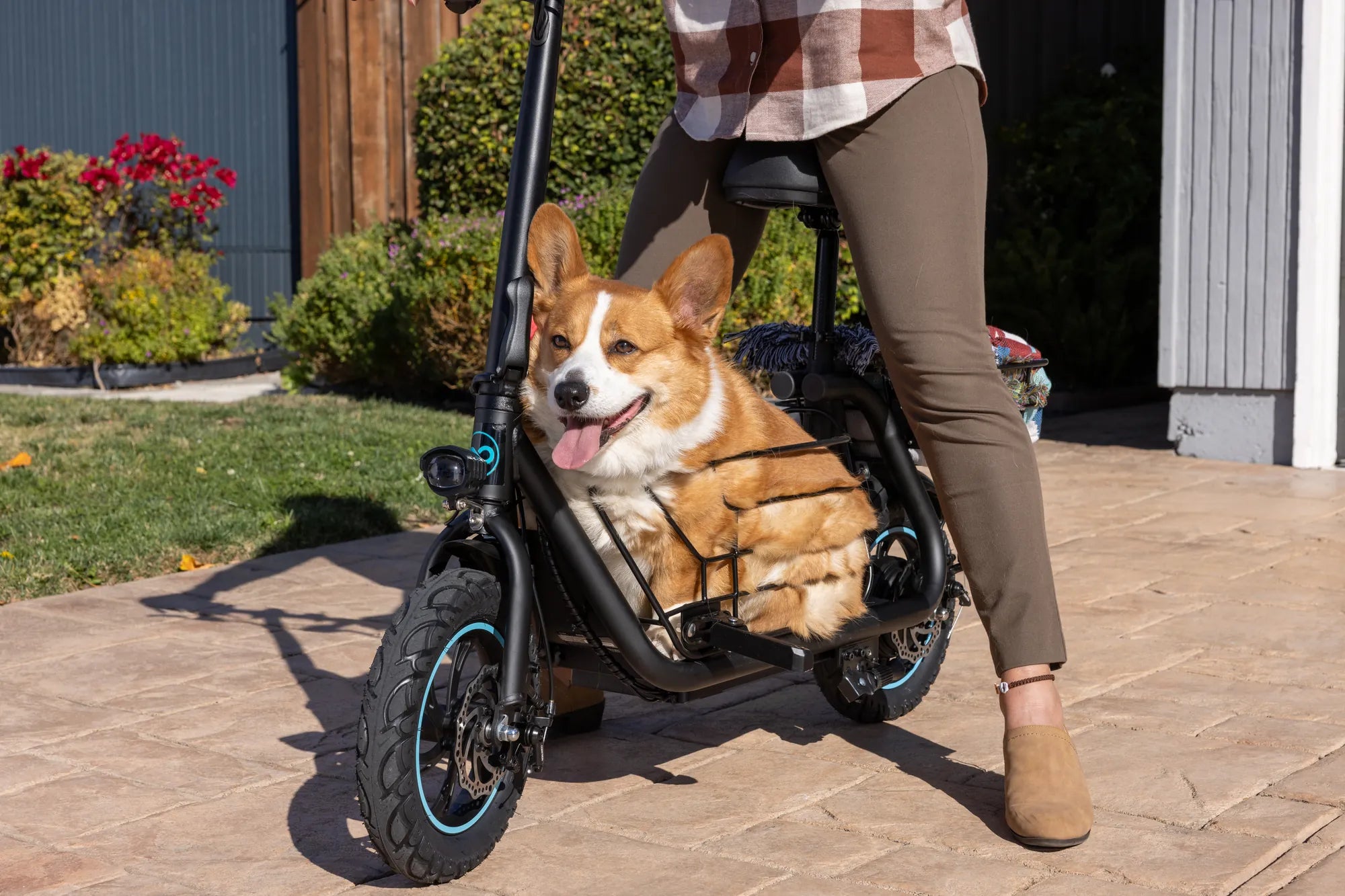
Electric scooters are revolutionizing urban mobility, offering a convenient and eco-friendly alternative to traditional transportation. But before you hop on one, you might be wondering: how much does it really cost to use an electric scooter? From upfront investments to ongoing expenses, this guide covers everything you need to know to make an informed decision.
Upfront Costs of Owning an Electric Scooter
The initial cost of purchasing an electric scooter can vary widely depending on the model and features. Basic models may start at a few hundred dollars, while high-end options with advanced features can exceed a thousand. Here’s a breakdown of what to expect:
- Entry-Level Scooters: These are affordable but may lack features like long-range batteries or high-speed capabilities.
- Mid-Range Scooters: Offer a balance between price and performance, often including better battery life and durability.
- Premium Scooters: Designed for frequent riders, these come with top-tier components, extended range, and enhanced safety features.
Don’t forget to factor in additional costs like helmets, locks, and maintenance tools, which can add to your initial investment.
Ongoing Expenses: Charging and Maintenance
One of the biggest advantages of electric scooters is their low operational cost. Charging an electric scooter typically costs just a few cents per charge, depending on your local electricity rates. Here’s a closer look at ongoing expenses:
- Electricity Costs: On average, a full charge costs between $0.10 and $0.30, making it far cheaper than fueling a car.
- Maintenance: Regular upkeep includes tire replacements, brake adjustments, and occasional battery care. These costs are minimal compared to car maintenance.
- Insurance and Permits: Some cities require permits or insurance for electric scooters, so check local regulations.
Renting vs. Owning: Which Is More Cost-Effective?
If you’re not ready to commit to owning an electric scooter, renting might be a viable option. Many cities offer scooter-sharing programs where you pay per ride. Here’s how renting stacks up against owning:
- Renting: Convenient for occasional use, but costs can add up quickly if you ride frequently.
- Owning: Higher upfront cost but cheaper in the long run, especially for daily commuters.
Consider your riding habits to determine which option makes the most financial sense for you.
Environmental and Health Benefits
Beyond cost savings, electric scooters offer significant environmental and health benefits. They produce zero emissions, reducing your carbon footprint, and provide a fun way to stay active. Here’s why they’re a smart choice:
- Eco-Friendly: Electric scooters help reduce traffic congestion and air pollution.
- Health Perks: Riding a scooter engages your core and improves balance, offering a light workout.
Tips for Maximizing Your Electric Scooter Experience
To get the most out of your electric scooter, follow these practical tips:
- Charge Smartly: Avoid overcharging to extend battery life.
- Regular Maintenance: Keep tires inflated and brakes adjusted for optimal performance.
- Safety First: Always wear a helmet and follow traffic rules.
Electric scooters are more than just a trendy way to get around—they’re a cost-effective, eco-friendly, and fun transportation solution. Whether you’re commuting to work or exploring your city, understanding the costs and benefits will help you ride smarter and save money.
Fast Long Range Electric Bike: The Future of Urban and Off-Road Commuting
Electric Dirt Bike Market: Trends, Growth, and Future Outlook