



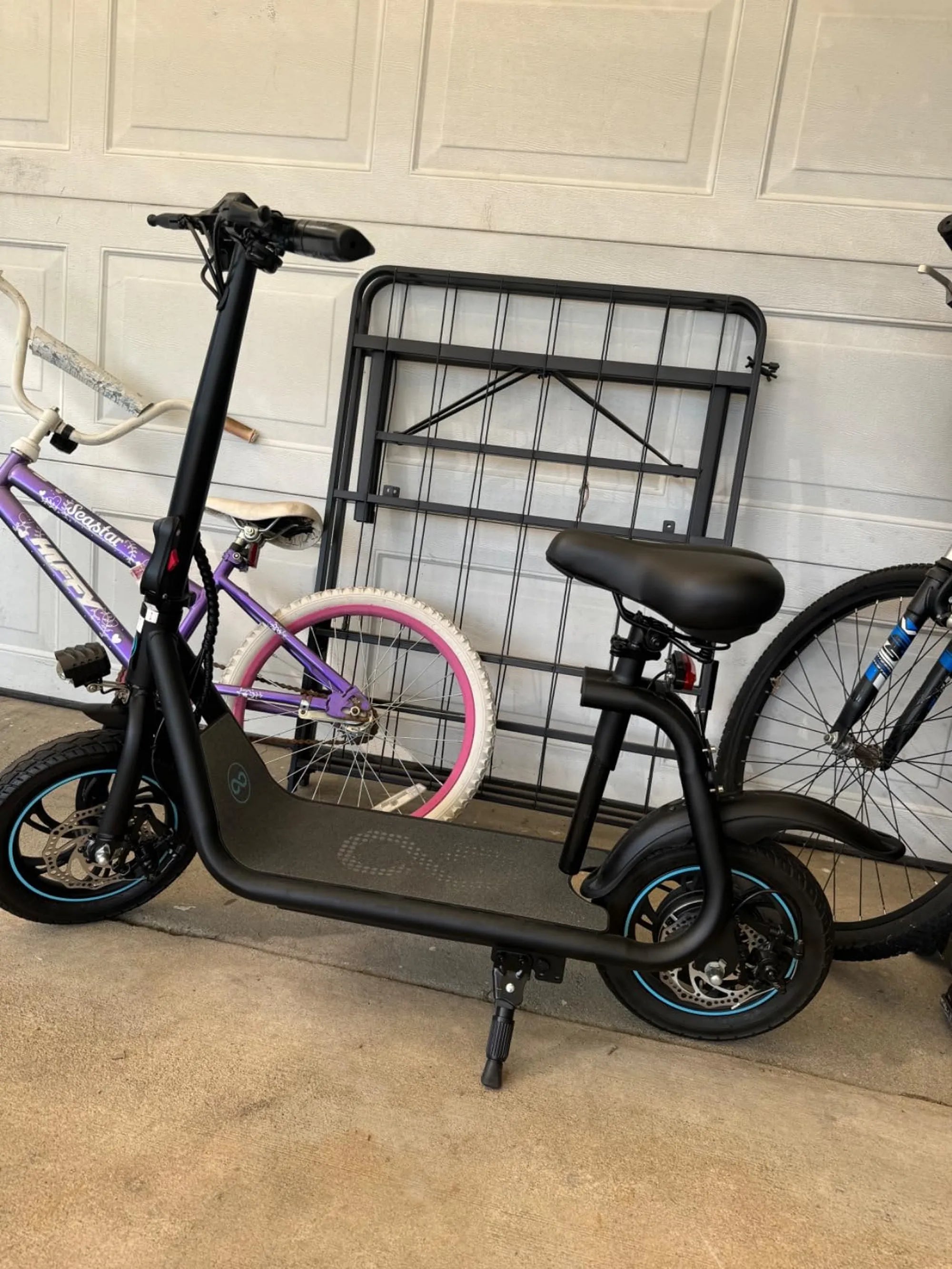
Electric scooters have transformed urban mobility, but their rapid adoption has sparked crucial safety debates. This comprehensive guide tackles the central question: How safe are electric scooters? We move beyond headlines to analyze hard data, dissect common risks, and provide actionable safety protocols. The answer isn't a simple yes or no; safety is a shared responsibility between rider behavior, environmental awareness, and the fundamental engineering integrity of the scooter itself. This guide will equip you with the knowledge to navigate risks confidently, whether you're a daily commuter or a weekend explorer.
Understanding the Real Risks: What the Data Says
Safety discussions require evidence, not anecdotes. According to a landmark study by the University of California, San Francisco, e-scooter-related emergency room visits surged over 200% in a four-year period, with fractures and head injuries being most common. The Consumer Product Safety Commission (CPSC) reports that micromobility devices, including e-scooters, were associated with over 190,000 emergency department visits in a recent year.
However, context is critical. Many of these incidents cluster around shared, rental scooter systems where riders have no training, often skip helmets, and ride unpredictably. Private ownership, coupled with education, presents a different risk profile. The data reveals clear patterns: most severe injuries result from collisions with motor vehicles, solo falls due to pavement hazards, and interactions with pedestrians.
Risk is also relative. When compared to automobiles, e-scooters pose a lower risk to others in a collision. When compared to bicycles, some studies suggest a higher initial injury rate for new scooter riders, often due to inexperience with balance at low speeds and unfamiliarity with handling characteristics. The key takeaway is that the majority of documented accidents involve preventable factors.
Common Causes of E-Scooter Accidents
Breaking down accident causation clarifies where safety efforts must focus. The primary culprits are a triad of rider behavior, environmental conditions, and mechanical failure.
Rider Behavior: This is the most significant factor. It includes speeding, especially in pedestrian zones; riding under the influence of alcohol or drugs; distracted riding (e.g., using a phone); and carrying passengers on single-rider designs. Inexperience is a major contributor, as new riders often overestimate their ability to brake or swerve suddenly.
Environmental Factors: Urban infrastructure is not always scooter-friendly. Potholes, cracks, uneven pavement, wet leaves, metal grates, and curbs are frequent hazards. Riding in low-light conditions without proper lighting dramatically increases collision risk. Weather plays a role, with wet surfaces reducing tire traction and braking efficiency.
Mechanical Issues: While less common than behavioral causes, mechanical failures can be catastrophic. These include brake failure, sudden loss of power, loose components (like handlebars or stems), and, most notoriously, battery-related incidents such as thermal runaway leading to fire. This underscores the non-negotiable importance of purchasing from a brand that prioritizes component quality and rigorous testing.
Engineering Safety: How Gyroor Builds Security Into Its Rides
Transitioning from general risks, a responsible manufacturer's role is to mitigate them through design and quality control. For over 100,000 riders across North America and Europe, Gyroor's approach to safety is foundational, not an afterthought. It is engineered into every model, from commuter scooters to off-road capable machines.
The cornerstone of this philosophy is battery safety. Every Gyroor scooter uses UL-certified lithium-ion battery packs. This certification means the cells and battery management system (BMS) have passed stringent independent tests for electrical, mechanical, and environmental safety, drastically reducing the risk of overheating or fire. These batteries are rated for 500+ charge cycles, ensuring long-term stability and performance.
Environmental resilience is next. Gyroor models feature an IPX5 water-resistant rating. This means the scooter's electrical components are protected against low-pressure water jets from any direction, making it safe to ride in light rain or through puddles. It is a critical feature for real-world commuting, though it does not permit submersion. This durability is backed by a comprehensive 1-year warranty with accessible, US-based customer support, ensuring any potential mechanical issues are resolved promptly to maintain the vehicle's integrity.
Beyond these core pillars, safety features are integrated throughout. This includes reliable dual braking systems (often electronic and disc), bright headlights and brake lights for visibility, wide, pneumatic tires for better shock absorption and grip, and robust folding mechanisms that lock securely to prevent failure during a ride. This multi-layered engineering creates a stable, predictable, and reliable platform for the rider.
Your Safety Toolkit: Essential Pre-Ride, Riding, and Post-Ride Practices
Even the best-engineered scooter is only as safe as its rider. Adopting a systematic safety routine is essential. Think of it as a pilot's pre-flight checklist—a non-negotiable ritual that identifies potential problems before they become emergencies.
Pre-Ride Safety Check (The T-CLOCS Method for Scooters)
Adapted from motorcycle safety, the T-CLOCS inspection takes two minutes and covers all critical systems.
- Tires & Wheels: Check for adequate tread, cuts, or embedded debris. Ensure tires are inflated to the PSI listed on the sidewall. Verify wheel nuts/axles are tight.
- Controls: Test throttle response (it should be smooth, not jerky). Squeeze brake levers to ensure they engage firmly and the brakes don't drag. Check that the folding mechanism and stem lock are fully secured.
- Lights & Electrical: Turn on headlights, taillights, and brake lights to confirm they work. Check the battery charge level—never start a ride with a critically low battery.
- Chassis & Frame: Look for any cracks, loose bolts, or damage to the frame, stem, and handlebars. Give the scooter a shake to listen for unusual rattles.
- Stand & Kickstand: Ensure the kickstand retracts fully and doesn't interfere with riding.
Smart Riding Practices for Urban & Off-Road Environments
Your riding strategy must adapt to your environment. In urban settings, practice defensive riding. Assume cars do not see you. Avoid blind spots. Use hand signals for turns. Obey all traffic signals as if you were a car. Stick to bike lanes where available, and if you must use a sidewalk, reduce speed to walking pace and yield to every pedestrian.
For paths and off-road use, scan the terrain 20-30 feet ahead for obstacles. Shift your weight slightly back when going over bumps. Control your speed on descents, using brakes intermittently rather than dragging them. On shared-use paths, audibly signal your presence (“on your left”) when passing. Never ride beyond your skill level; walk the scooter through technically challenging sections if needed.
Gear Up: Essential Protective Equipment
A helmet is non-negotiable. For speeds above 15 mph, a bicycle or multi-impact skate helmet is a minimum. For higher-performance scooters, a full-face mountain bike helmet provides superior protection for the chin and face. Other essential gear includes:
- Gloves: Protect hands in a fall and improve grip.
- Durable, Closed-Toe Shoes: Provide ankle support and protection.
- High-Visibility Clothing or Vest: Critical for dawn, dusk, or night riding.
- Elbow and Knee Pads: Highly recommended for new riders and anyone riding off-road.
Navigating the Rules: Regulations and Etiquette for Shared Spaces
E-scooter legality is a patchwork. Safety depends on knowing and respecting local laws. Common regulations include a minimum rider age (often 16+), prohibitions on sidewalk riding in business districts, speed limits (frequently 15-20 mph), and requirements for lights at night. Some cities mandate helmet use for all riders, while others only for minors. Always check your local municipal code.
Etiquette is the social contract that keeps shared spaces safe. On multi-use paths, pedestrians have the right of way—always. Slow down and give a wide berth when passing. Dismount in crowded areas. In bike lanes, ride predictably in a straight line. Don’t weave. When parking a private scooter, never block sidewalks, ramps, or building entrances. Responsible riding fosters positive community relations and helps ensure continued access to public spaces.
Choosing the Right Scooter for Your Safety Needs
Not all scooters are suited for all riders or environments. Matching the scooter's capabilities to your primary use case is a fundamental safety decision. A commuter needs reliability and lights; an off-road enthusiast needs suspension and torque. Use the comparison below to guide your choice.
| Use Case | Key Safety Features to Prioritize | Gyroor Model Example | Why It Matters |
|---|---|---|---|
| Urban Commuting | Reliable dual brakes, bright lighting, water resistance, solid tires or suspension | Gyroor F1 Pro | IPX5 rating handles weather, dual brakes for traffic stops, lights for visibility. |
| Off-Road / Trail | Robust suspension, pneumatic off-road tires, high torque motor, durable frame | Gyroor H30 | 10-inch pneumatic tires and suspension absorb bumps, powerful motor maintains control on hills. |
| Last-Mile & Portability | Lightweight, secure folding mechanism, reliable base brakes | Gyroor Z10 | Secure latch prevents accidental folding, simplicity reduces points of failure. |
| Performance & Speed | Advanced braking (hydraulic disc), wider deck, superior stability at speed | Gyroor F2 Max | Hydraulic brakes offer consistent, powerful stopping power essential for higher speeds. |
Maintenance: The Key to Long-Term Safety and Reliability
Proactive maintenance prevents the slow degradation of safety systems. Create a simple schedule. Monthly, check tire pressure and tread, test all lights, and tighten any visible bolts on the stem and folding mechanisms. Listen for new noises from the motor or wheels.
Every 3-6 months, inspect brake pads for wear and replace them if they are thin. Lubricate the folding mechanism hinge points with a dry lubricant to prevent seizing. Wipe down the scooter to prevent dirt buildup in moving parts. Always follow the manufacturer's charging instructions: use only the provided charger, avoid leaving the scooter plugged in for extended periods after a full charge, and store it in a cool, dry place.
For complex issues like motor problems or brake bleeding, utilize the manufacturer's warranty service. Gyroor's 1-year warranty and US-based support are designed for this exact purpose, ensuring repairs are done correctly with genuine parts, preserving the scooter's designed safety margins.
Frequently Asked Questions (FAQ)
Q: Are electric scooters more dangerous than bicycles?
A: Initial data suggests new e-scooter riders may have a higher rate of injury than cyclists, often due to inexperience with the unique balance and acceleration. However, for experienced riders following safety protocols, the risk profiles converge. Both are vastly safer for others than automobiles.
Q: Can I ride a Gyroor scooter in the rain?
A: Yes, with caution. The IPX5 water-resistant rating means it can handle light to moderate rain and wet roads. However, avoid deep puddles (above the deck) and torrential downpours. Reduce speed, brake earlier, and avoid sharp turns as traction is reduced on wet surfaces.
Q: How do I know my scooter's battery is safe?
A: The primary indicator is purchasing a scooter with a UL-certified battery, like those from Gyroor. In practice, watch for warning signs: the battery swelling or deforming, excessive heat during charging, a significant drop in range, or failure to hold a charge. If you observe these, stop using and contact support.
Q: What is the most important safety feature on an e-scooter?
A: While brakes and lights are critical, the most important feature is a combination: a reliable braking system and a rider committed to education and vigilance. The best technology cannot compensate for reckless behavior.
Q: Does my homeowner's or renter's insurance cover e-scooter accidents?
A: It depends on your policy. Some policies cover personal electric vehicles under personal property, and liability may extend to incidents you cause. However, many have exclusions or require a specific rider. You must contact your insurance provider to confirm coverage for theft, damage, and liability. Do not assume you are covered.
Safety is a Shared Responsibility
The question of how safe electric scooters are has a clear answer: they can be a very safe mode of transportation when the equation is balanced. On one side is the rider's commitment to education, protective gear, and vigilant practice. On the other is the manufacturer's duty to deliver robust, well-tested engineering with failsafes like UL-certified batteries and water-resistant construction. By choosing a brand like Gyroor, built on these principles, and pairing it with the comprehensive safety habits outlined here, you dramatically shift the odds in your favor. You gain not just a vehicle, but the confidence to explore your world sustainably and securely.
Ready to ride with confidence? Explore the full range of UL-certified, safety-engineered electric scooters and e-bikes designed for real-world reliability. Browse the full Gyroor collection at gyroorboard.com and find the perfect ride for your journey.
Best Electric Scooters for Kids 2025: Top Picks for Fun and Safety
Can You Rent Electric Scooters at Universal Studios? A Complete Mobility Guide