


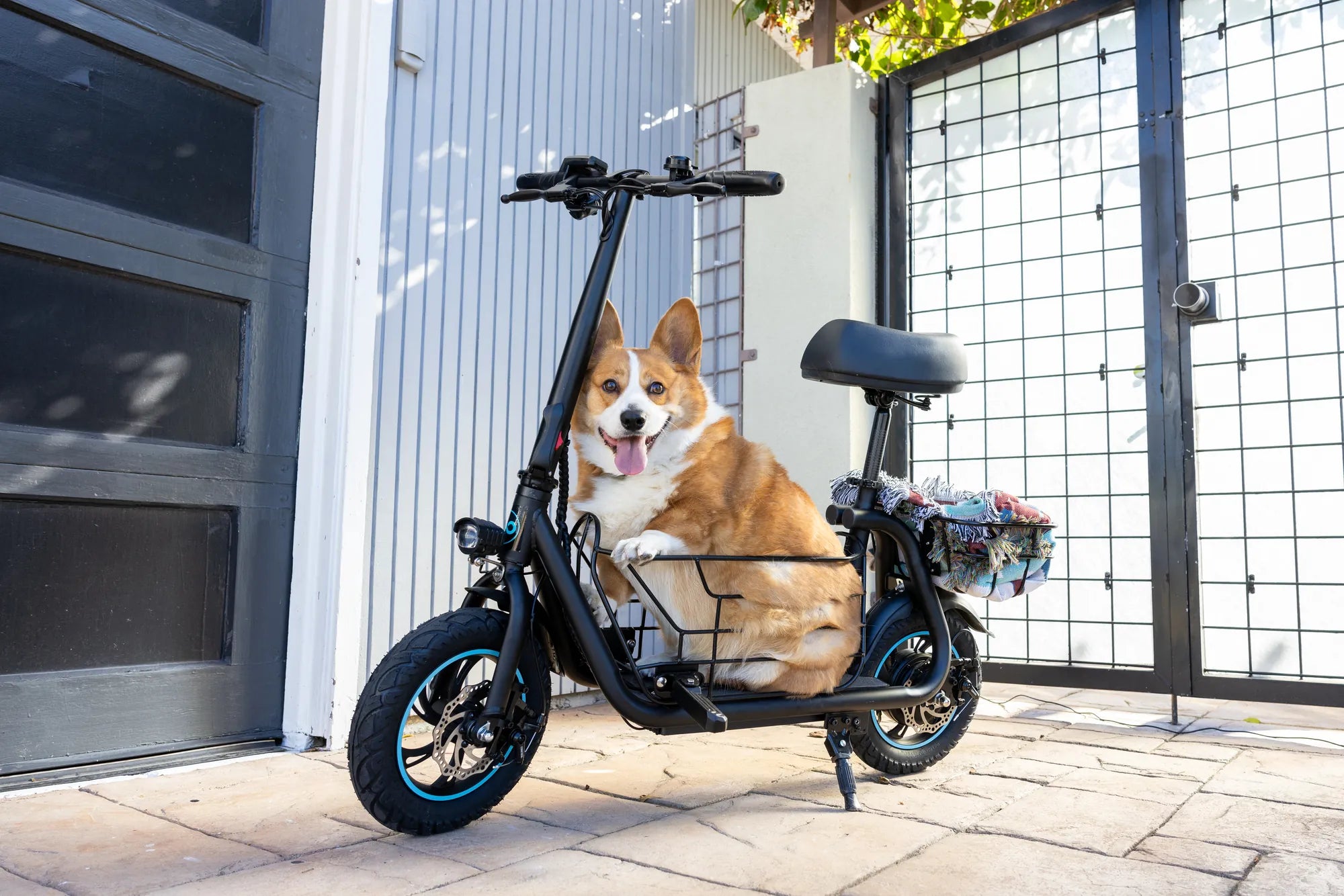
Owning a pure electric scooter is a game-changer for urban mobility, but knowing how to charge it properly can make all the difference in performance and lifespan. Whether you're a new rider or a seasoned commuter, mastering the art of charging ensures your scooter stays reliable and efficient for years to come.
Understanding Your Electric Scooter's Battery
Before diving into charging techniques, it's essential to understand the battery powering your scooter. Most pure electric scooters use lithium-ion batteries due to their high energy density, lightweight design, and long cycle life. These batteries require specific care to maintain their efficiency.
Battery Capacity and Voltage
The capacity of your scooter's battery is measured in watt-hours (Wh), which indicates how much energy it can store. Voltage (V) and ampere-hours (Ah) determine this capacity. For example, a 36V 10Ah battery has a capacity of 360Wh. Knowing these specs helps you estimate charging times and range.
How to Charge Your Pure Electric Scooter Correctly
Charging your scooter isn't just about plugging it in—it's about doing it right to maximize battery health.
Step 1: Use the Right Charger
Always use the manufacturer-recommended charger. Using an incompatible charger can damage the battery or even pose safety risks. Check the voltage and current ratings to ensure compatibility.
Step 2: Charge in a Safe Environment
Charge your scooter in a dry, well-ventilated area away from flammable materials. Avoid extreme temperatures, as heat or cold can affect charging efficiency and battery life.
Step 3: Monitor Charging Time
Overcharging can degrade the battery over time. Most scooters take 4-8 hours to charge fully. Unplug the charger once the battery reaches 100% to prevent overcharging.
Step 4: Avoid Deep Discharges
Lithium-ion batteries perform best when kept between 20% and 80% charge. Avoid letting the battery drain completely, as this can shorten its lifespan.
Common Charging Mistakes to Avoid
Many riders unknowingly harm their scooter's battery by making these mistakes:
Charging Overnight
Leaving your scooter plugged in overnight can lead to overcharging, especially if the charger lacks an automatic shut-off feature. Set a timer or charge during the day.
Using Fast Chargers Excessively
While fast chargers are convenient, frequent use can generate excess heat, stressing the battery. Reserve fast charging for emergencies.
Ignoring Battery Temperature
Charging a hot or cold battery can reduce its efficiency. Let the battery cool down after a ride before plugging it in.
Extending Your Scooter's Battery Life
Proper charging habits are just one part of battery care. Here are additional tips to keep your battery in top shape:
Store at Partial Charge
If you won't use your scooter for an extended period, store it with a 40-60% charge. Storing a fully charged or depleted battery can cause degradation.
Regularly Check Battery Health
Monitor your battery's performance. If you notice a significant drop in range or charging speed, it might be time for a replacement.
Keep the Battery Clean
Dirt and moisture can damage battery contacts. Wipe the battery and charging port regularly with a dry cloth.
FAQs About Charging Pure Electric Scooters
How Often Should I Charge My Scooter?
Charge your scooter after every ride if the battery is below 20%. For daily commuters, nightly charging is fine, but avoid keeping it at 100% for long periods.
Can I Use a Power Bank to Charge My Scooter?
Most scooters require a dedicated charger due to high power demands. Portable power banks are usually insufficient unless designed for scooters.
What If My Scooter Won't Charge?
Check the charger, power outlet, and battery connections. If the issue persists, consult a professional to avoid further damage.
Mastering how to charge your pure electric scooter not only enhances your riding experience but also protects your investment. With these tips, you’ll enjoy longer rides, fewer battery issues, and a scooter that’s always ready to go when you are.
Best Design Matte E-Scooter: The Ultimate Blend of Style and Performance
How to Park E Scooter: A Complete Guide for Safe and Legal Parking