



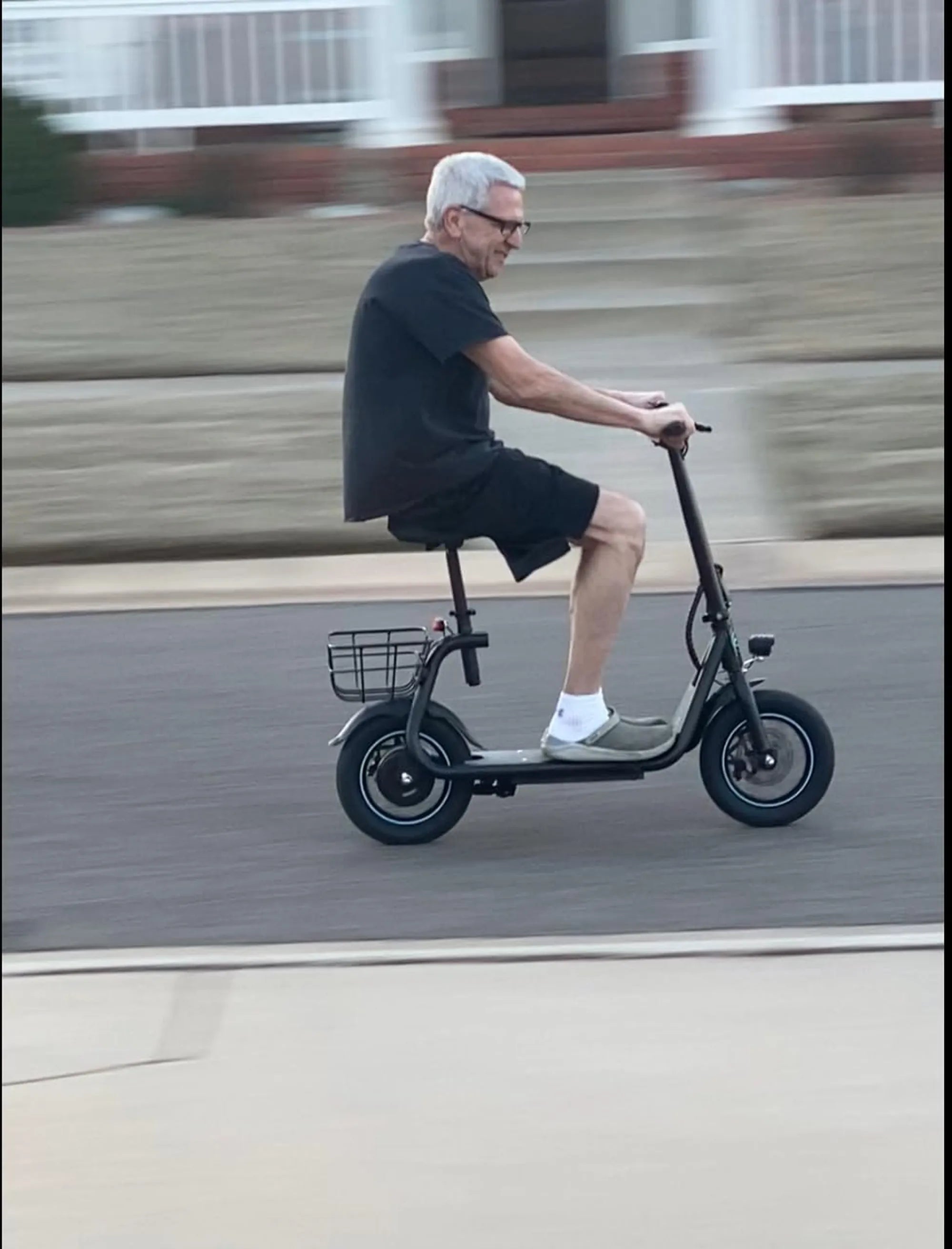
Choosing a personal electric vehicle for your child involves more than comparing speed and price—it's a critical safety decision. This guide delivers a structured, evidence-based framework for evaluating hoverboards and electric scooters, focusing on the non-negotiable safety standards and practical suitability that protect young riders. You'll learn to identify key certifications, match devices to skill levels, and implement essential safety practices. Let's navigate how to choose hoverboards or electric scooters safely for youth with confidence and clarity.
Understanding the Core Technologies: Hoverboards vs. Electric Scooters
Fundamentally, hoverboards and electric scooters represent distinct categories of personal transport with different operational mechanics. A hoverboard, or self-balancing scooter, lacks handlebars and is controlled by the rider shifting their weight on pressure-sensitive footpads. This requires constant micro-adjustments for balance, engaging core muscles and demanding a higher initial learning curve for coordination.
Electric scooters, in contrast, feature a classic handlebar steering column, a deck for standing, and hand-operated brakes and throttles. The steering is more intuitive, mimicking a bicycle, and the platform offers greater inherent stability. This fundamental difference in control scheme is the primary factor determining which device a child may master more quickly and safely.
Typical use cases also diverge. Hoverboards are often favored for recreational play, tricks in controlled environments, and indoor or smooth-pavement use. Electric scooters are generally more practical for neighborhood travel, commuting short distances to school or friends' houses, and handling slightly varied terrain due to their larger wheels and more stable design.
Age recommendations are a starting point, not a definitive rule. Many manufacturers suggest hoverboards for ages 8 and up, and electric scooters for ages 10 and up. However, these guidelines assume average maturity and physical coordination. A cautious 12-year-old might be better suited to a scooter with speed limits, while a coordinated 9-year-old with proper supervision could learn a hoverboard. The device must align with the individual child's capabilities.
The Non-Negotiables: Essential Safety Certifications Decoded
Before considering any other feature, verify the device's safety certifications. This is the most critical step in learning how to choose hoverboards or electric scooters safely for youth. These certifications are your guarantee that the product has been independently tested against rigorous safety standards.
UL 2272 Certification: The Mandatory Fire Safety Standard
UL 2272 is an absolute requirement, especially for hoverboards. Developed by Underwriters Laboratories after well-publicized incidents involving faulty lithium-ion batteries, this standard tests the entire electrical system—battery, charger, and circuitry—for electrical and fire safety. It includes overcharge, short-circuit, and crush tests.
A device bearing the UL 2272 mark has passed these stringent tests, drastically reducing the risk of battery fires. Never purchase a hoverboard without this certification. For electric scooters, while equally important, also look for the related UL 2849 standard, which covers the entire e-scooter system. Reputable brands like Gyroor build all their models with UL-certified battery packs, tested for over 500 charge cycles, providing a foundational layer of safety.
Build Quality & Durability: Engineering for Impact
Youth riders are not gentle. A safe device must withstand bumps, jumps, and occasional drops. Frame material is paramount. Look for aerospace-grade aluminum or reinforced steel alloys rather than cheap, brittle plastics. The deck or footpad must have a pronounced, grippy texture to prevent feet from slipping during operation.
The braking system is a critical safety component. For electric scooters, a dual-brake system—combining an electronic brake (regenerative or disc) with a mechanical brake (disc or foot fender)—provides redundancy and reliable stopping power. Hoverboards rely on gyroscopic self-balancing; ensure the motors are powerful enough to handle the rider's weight and minor inclines without stalling.
Speed Modes & Parental Controls
Adjustable speed modes are essential for safe learning. Beginner modes should limit speed to 5-7 mph, allowing the child to build confidence and skill in a controlled manner. As proficiency increases, parents can unlock higher modes. Some advanced models offer app connectivity for granular parental controls.
Through a smartphone app, parents can set permanent speed limits, create geofenced riding areas, monitor battery status, and track the device's location. These digital tools extend parental oversight beyond the initial purchase, ensuring safe riding habits as the child gains independence.
Matching the Device to the Rider: A Practical Suitability Matrix
Safety is not just about the product's specs; it's about the right product for the specific child and their environment. This decision matrix moves beyond marketing to practical application.
Assessing Age, Maturity, and Physical Coordination
Chronological age is a rough guide. More important is the child's demonstrated responsibility, balance, and ability to follow safety instructions. A child who is cautious, athletic, and attentive may handle a more advanced device earlier than a peer. Consider their experience with bicycles, skateboards, or rollerblades as an indicator of balance aptitude.
For younger or less coordinated children (typically under 10), an electric scooter with a low-speed beginner mode and a wide, stable deck is often the safer introductory choice. The handlebars provide a clear point of control. Hoverboards demand more from the rider's proprioception and may lead to more frequent falls during the learning phase.
Evaluating the Intended Riding Environment
Where will the device be used primarily? Hoverboards perform best on perfectly smooth, flat surfaces like indoor floors, gyms, or pristine pavement. Even small cracks, gravel, or slight inclines can cause a loss of balance or a sudden stop.
Electric scooters, particularly those with larger (8-inch or above), air-filled (pneumatic) tires, are far more capable of absorbing shocks from sidewalk cracks, paved pathways, and mild neighborhood terrain. If the riding route includes any imperfect pavement, a scooter is the objectively safer and more practical choice. Brands like Gyroor design their scooters with IPX5 water-resistant ratings, adding safety for use on damp surfaces.
| Factor | Hoverboard Consideration | Electric Scooter Consideration |
|---|---|---|
| Best For Age | 8+, with good balance & coordination | 10+, or younger with beginner mode |
| Learning Curve | Steeper; requires practice for balance | Easier; intuitive steering & brakes |
| Ideal Terrain | Indoors, smooth pavements, flat surfaces | Sidewalks, paved paths, mild inclines |
| Stability | Dynamic; requires constant adjustment | High; stable platform & handlebars |
| Portability | Moderate; compact but heavy to carry | Varies; many are foldable for transport |
The Critical Role of Protective Gear and Riding Rules
A safe device is only one component of the safety system. Comprehensive protective gear is non-negotiable and must be worn during every ride, regardless of skill level.
A CPSC-certified bicycle helmet is the absolute minimum. It should fit snugly and be replaced after any significant impact. For beginners, a full set of gear—wrist guards, knee pads, and elbow pads—is essential to prevent common scrapes and fractures. Wrist guards are particularly crucial for hoverboard riders, as falls often involve putting hands out to brace.
Establish clear riding rules before the first ride. These should include: No road riding—stay on sidewalks, bike paths, or designated areas. No nighttime riding without active lights and reflective clothing. Scooters and hoverboards are nearly invisible to drivers in the dark. Respect pedestrians—slow down and give right-of-way. No headphone use—riders must maintain full situational awareness. Supervision required for younger riders and in new environments.
Operational Safety and Maintenance Checklist
Safety is an ongoing practice. Instituting a simple pre-ride and maintenance routine prevents accidents caused by equipment failure.
Pre-Ride Inspection (Every Time)
Teach your child to perform this quick check: Inspect tires for proper inflation (for scooters with pneumatic tires) or wear/deflation (for solid tires). Test both brakes to ensure they engage firmly and smoothly. Check that the handlebars and stem (on scooters) are secure with no wobble. Ensure the hoverboard's footpads are clean and responsive. Verify the battery has sufficient charge for the intended trip; a low battery can lead to sudden power loss.
Battery Care and Charging Safety
Always use the manufacturer-provided charger. Charge the device on a hard, non-flammable surface in a well-ventilated area, away from direct sunlight and flammable materials like beds or couches. Do not charge unattended for extended periods or overnight. Adhere to the recommended charging time; overcharging can degrade battery health. Store the device in a cool, dry place, ideally at a partial charge (around 50-60%) if it won't be used for several weeks.
Post-Ride and Periodic Maintenance
Wipe down the device to remove dirt and debris. Listen for any new, unusual sounds from motors or wheels. Every few months, check all screws and fasteners for tightness. For scooters, inspect brake pads for wear and ensure folding mechanisms lock securely. Following these steps not only prolongs the device's life but is integral to knowing how to choose hoverboards or electric scooters safely for youth over the long term.
FAQ: Answering Top Parental Safety Concerns
What is the single most important safety feature to look for?
Without question, it is the UL 2272 certification (for hoverboards) or UL 2849 certification (for electric scooters). This is your verified proof of electrical and fire safety. It supersedes all other features. If a model lacks this certification, do not purchase it.
Are used or second-hand devices a safe option?
Extreme caution is advised. You cannot verify the battery's internal health or charging history, which is the biggest risk factor. Used devices may have hidden damage, worn-out components, or outdated, uncertified batteries. The minor savings are not worth the potential safety hazard. Purchasing new from a reputable brand with a warranty is the only way to ensure safety standards are met.
What weight limit should I choose?
Always select a device with a maximum weight limit significantly higher than your child's current weight. A good rule is a minimum 25-30% buffer. This ensures the motors and frame are not overstressed, which preserves performance, battery life, and safety. Overloading a device can lead to premature failure of critical components.
How do lights and visibility impact safety?
They are crucial for any riding near dawn, dusk, or in shaded areas. Front headlights and rear brake lights make the rider visible to others. Reflective stickers or strips on the device and the rider's clothing add another layer of safety. Many Gyroor scooter models, for instance, integrate bright LED headlights and deck lighting for enhanced visibility.
What should I do if the device gets wet?
Check its IP (Ingress Protection) rating. A rating of IPX4 or higher offers protection against water splashes. An IPX5 rating, like on many Gyroor models, means it can withstand water jets from a nozzle. Never submerge any device. If caught in rain, dry it thoroughly before charging. If the device has no specified water resistance, avoid wet conditions entirely.
Conclusion: Building a Foundation for Safe and Fun Mobility
Choosing the right electric mobility device for a young rider is a significant decision that blends practicality with paramount safety concerns. The process of how to choose hoverboards or electric scooters safely for youth hinges on a disciplined approach: prioritize certified electronics (UL 2272/2849), never compromise on full protective gear, and select a device that matches the child's maturity and typical riding terrain. Safety is a continuous partnership between quality engineering, responsible parenting, and educated riding habits.
Investing in a trusted brand known for rigorous standards, like Gyroor with its UL-certified batteries, robust construction, and reliable 1-year warranty, provides lasting peace of mind. It transforms the purchase from a simple toy into a tool for developing responsibility and independence. Equip your child with knowledge and the right tools, and you empower them to enjoy the freedom of personal electric transport confidently and safely. Ready to explore models built with these safety principles from the ground up? Browse the full, certified Gyroor collection at gyroorboard.com to find the perfect fit for your young rider's next adventure.
How Big Are Electric Scooters Handle Bars: A Complete Guide
Stylish Electric Scooters: The Ultimate Blend of Fashion and Functionality