


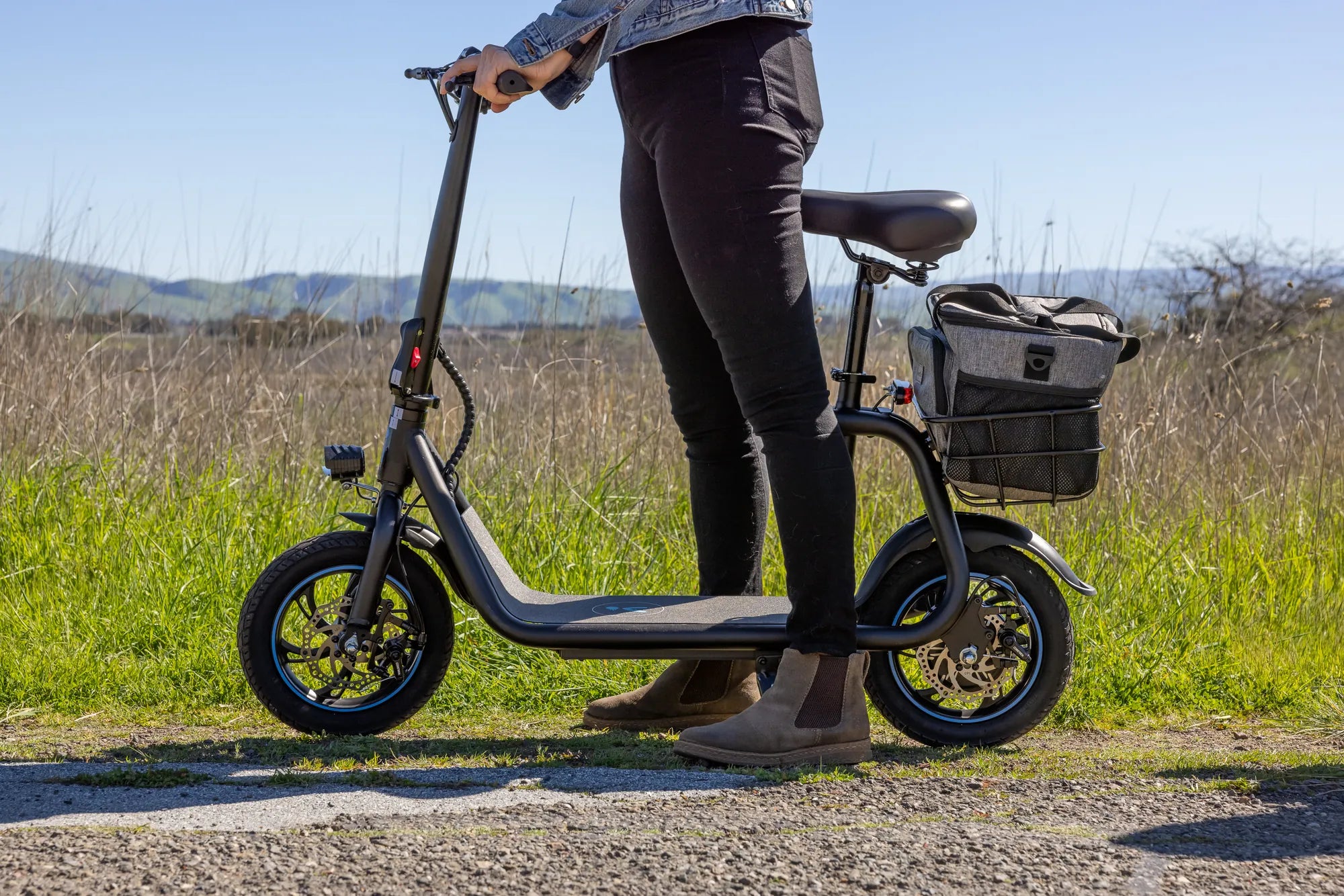
Electric scooters are a convenient and eco-friendly way to get around, but like any vehicle, they can break down. Whether it's a dead battery, a flat tire, or a faulty motor, knowing how to fix a broken electric scooter can save you time and money. This guide will walk you through the most common issues and provide step-by-step solutions to get your scooter running smoothly again.
Common Electric Scooter Problems
Before diving into repairs, it's essential to identify the problem. Here are some of the most frequent issues electric scooter owners face:
- Dead or Failing Battery: If your scooter won't turn on or loses charge quickly, the battery might be the culprit.
- Flat or Punctured Tires: A flat tire can make riding uncomfortable or even dangerous.
- Faulty Motor: If the scooter struggles to move or makes unusual noises, the motor may need attention.
- Brake Issues: Worn-out brakes or misaligned brake pads can compromise safety.
- Loose or Damaged Wiring: Electrical problems often stem from loose connections or frayed wires.
Step-by-Step Repair Guide
1. Diagnosing a Dead Battery
If your scooter won't power on, start by checking the battery. Here's how:
- Ensure the scooter is plugged in and the charger is working.
- Check the battery connections for corrosion or looseness.
- Use a multimeter to test the battery voltage. If it's significantly lower than the rated voltage, the battery may need replacement.
2. Fixing a Flat Tire
Flat tires are a common issue, especially with pneumatic tires. Follow these steps to fix them:
- Remove the wheel from the scooter.
- Deflate the tire completely and use tire levers to pry it off the rim.
- Inspect the inner tube for punctures and patch or replace it if necessary.
- Reinstall the tire, inflate it to the recommended pressure, and reattach the wheel.
3. Troubleshooting Motor Problems
A malfunctioning motor can be tricky, but these steps can help:
- Listen for unusual noises when the scooter is running. Grinding or clicking sounds may indicate a problem.
- Check the motor connections and ensure they're secure.
- If the motor overheats, let it cool down and avoid overloading the scooter.
4. Repairing Brake Issues
Brakes are critical for safety. Here's how to fix common brake problems:
- Inspect the brake pads for wear and replace them if they're too thin.
- Adjust the brake calipers to ensure even contact with the wheel.
- Tighten any loose brake cables and lubricate moving parts if needed.
5. Fixing Electrical Wiring
Loose or damaged wiring can cause various issues. Follow these steps to address them:
- Turn off the scooter and disconnect the battery.
- Inspect all wiring for fraying, burns, or loose connections.
- Use electrical tape or soldering to repair damaged wires and secure loose connections.
Preventive Maintenance Tips
Regular maintenance can prevent many common scooter problems. Here are some tips:
- Keep the battery charged and avoid letting it fully discharge.
- Check tire pressure regularly and inspect for wear.
- Clean the scooter frequently to prevent dirt and debris from causing damage.
- Tighten bolts and screws periodically to avoid loose parts.
With these tips and step-by-step guides, you can confidently tackle most electric scooter repairs yourself. Don't let a broken scooter slow you down—get back on the road with these easy fixes!
Electric Scooter 150kg Load: The Ultimate Guide for Heavy-Duty Riders
Lightweight Electric Scooter Price: What You Need to Know Before Buying